Let's be honest. The idea of a DIY compost heap can feel intimidating. Images of complex bins, foul smells, and rat infestations might pop into your head. I get it. I thought the same thing when I started gardening over a decade ago. But here's the truth I learned the hard way: composting is one of the simplest, most forgiving processes in gardening. You're basically helping nature do what it wants to do anyway—break stuff down.
The real secret isn't some fancy $300 tumbler. It's understanding a few basic principles and then getting out of the way. A simple, open compost heap or pile is often the most effective method for a home gardener. It requires minimal investment, handles large volumes, and if managed even halfway decently, it won't smell or attract pests. This guide will walk you through building one from scratch, based on what actually works in a real backyard, not just textbook theory.
Your Quick-Start Guide
Why a Simple Pile is All You Need
Forget the marketing. You don't need a special container to make great compost. A freestanding pile on the ground works brilliantly. The key advantage is size. A compost heap needs critical mass—at least 3 feet wide, deep, and tall—to heat up properly. Most store-bought bins are too small, which is the number one reason home compost fails. It stays cold and slimy.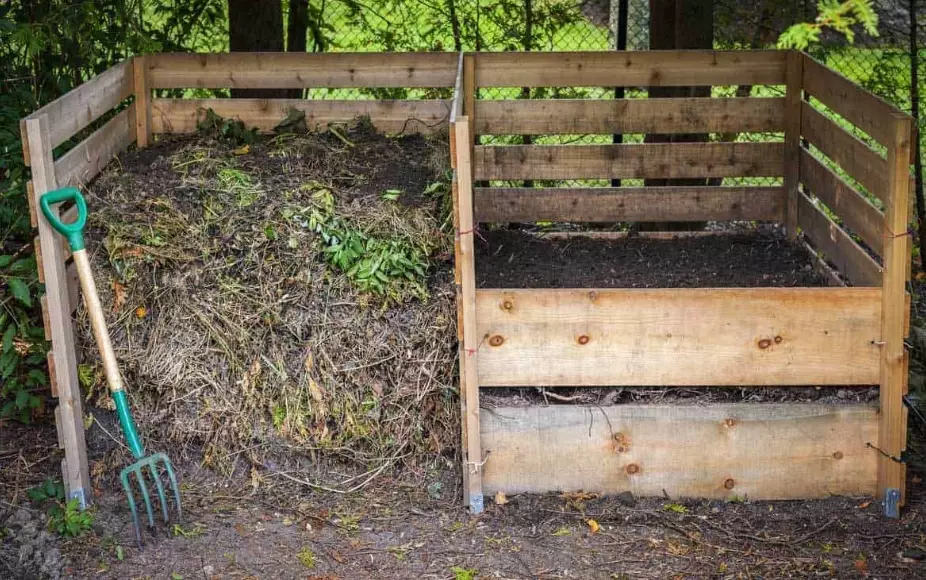
An open pile lets you build to the right size easily. It also gives worms and other beneficial decomposers direct access from the soil, which supercharges the process. The U.S. Environmental Protection Agency lists backyard composting as a top method for reducing landfill waste, and a simple pile is the most accessible form.
My Early Mistake: My first "compost" was in a tiny, lidded plastic bin. It never got warm, took over a year to produce a handful of mediocre compost, and frankly, it was a depressing chore. Switching to a proper-sized open heap was a revelation. Within weeks, I had steam rising from the center on cool mornings.
How to Start Your First DIY Compost Heap
First, pick your spot. You need a level, well-draining area, preferably in partial sun. Full sun dries it out too fast; full shade keeps it too cold. Make sure it's convenient—if it's at the far corner of your property behind the shed, you'll never use it. Near your garden and kitchen door is ideal.
You can build a basic enclosure with pallets, chicken wire, or cinder blocks. This isn't for looks; it's to keep the pile contained and make turning easier. I use three wooden pallets screwed together in a U-shape. It cost nothing and works perfectly. Leave one side open for access.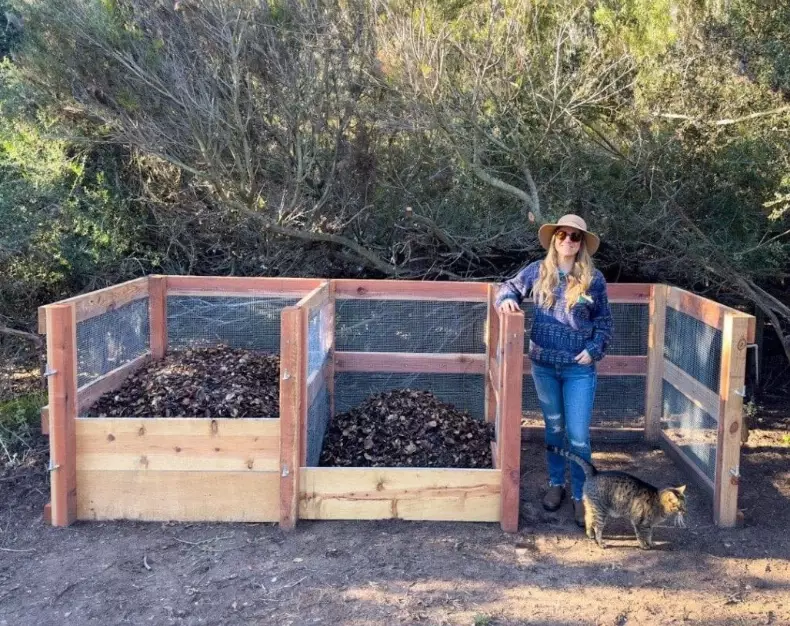
The Non-Negotiable: Size and Location
Aim for a footprint of at least 3x3 feet. This is the minimum volume needed for microbial activity to generate heat (between 130-160°F), which kills weed seeds and speeds decomposition. Place it directly on soil or lawn, not on concrete or patio stones. This is crucial for drainage and organism access.
What to Add (And What to Avoid)
Think of your compost ingredients in two categories: Greens (Nitrogen-rich, wet) and Browns (Carbon-rich, dry). The magic happens when you balance them. A rough ratio of 2 parts brown to 1 part green by volume is a good target, but don't stress over measuring. If it's smelly and wet, add more browns. If it's dry and not breaking down, add more greens.
| Add These (Greens & Browns) | Avoid These (Troublemakers) |
|---|---|
| Greens: Fruit & vegetable scraps, coffee grounds, fresh grass clippings, plant trimmings, tea bags (no staples). | Meat, fish, bones, or dairy products. They attract pests and smell. |
| Browns: Dried leaves, straw, shredded cardboard (non-glossy), sawdust from untreated wood, egg cartons, small twigs. | Diseased plants or invasive weeds. The heat might not kill them. |
| Crushed eggshells (adds calcium). | Pet waste (cat/dog). Can harbor pathogens. |
| Glossy or colored paper. May contain heavy metals. |
Pro Tip on Grass Clippings: If you add a thick layer of fresh grass clippings by itself, it will mat down into a slimy, smelly barrier. Always mix it with a generous amount of shredded leaves or cardboard. I learned this after creating a foul, anaerobic lump that took months to recover.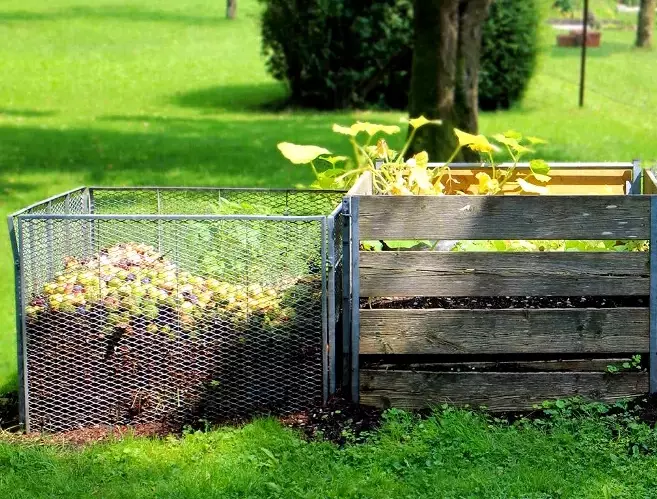
The 5-Step Build: From Ground Up
Here's how to build your first layer, the foundation for success.
- Start with a Brown Base. Lay down a 4-6 inch layer of coarse browns like small twigs or straw. This improves airflow from the bottom.
- Add Your First Green Layer. Toss in your kitchen scraps or fresh garden waste. Keep it to a 2-3 inch layer.
- Smother it with Browns. Cover the greens completely with a 4-6 inch layer of browns like dried leaves or shredded paper. This is the most important step to prevent smells and flies. Think of it as putting the blanket on the bed.
- Moisten the Layer. Give it a good sprinkle with the hose. It should feel like a damp sponge—moist but not waterlogged.
- Repeat. Keep building these lasagna-style layers (browns, greens, browns, water) as you generate materials.
Once your pile reaches about 3-4 feet high, you can stop adding and let it "cook," or you can keep one side active for adding new stuff while the other side finishes.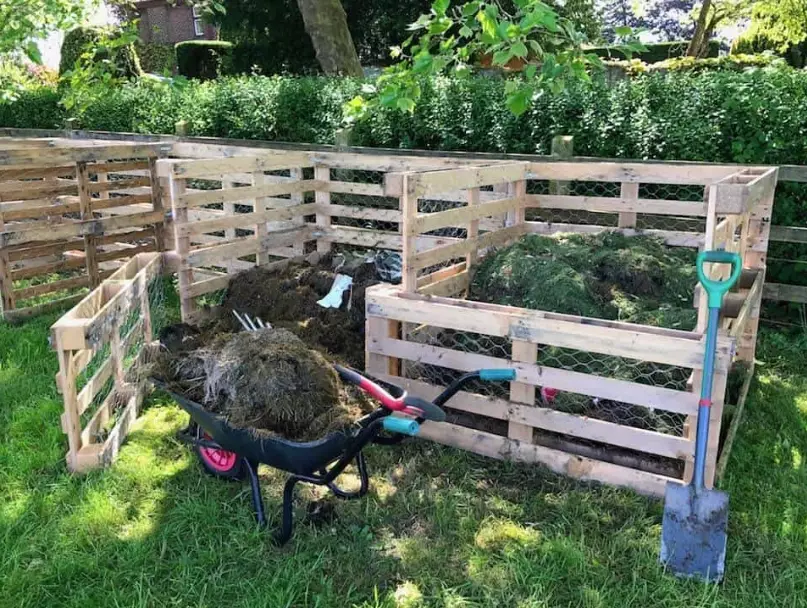
Maintaining Your Pile: The Simple Routine
Maintenance is straightforward. Every week or two, take a garden fork and turn the pile. Move the outer, drier material to the center, and bring the hot, decomposing center material out. This adds oxygen, which is fuel for the microbes. If the pile feels dry, water it as you turn. If it feels soggy, add more dry browns.
You'll know it's working when you see steam in cool weather, the pile settles in height, and the materials start to look dark, crumbly, and earthy. This process can take anywhere from 3 months to a year, depending on how often you turn it and the materials used.
Troubleshooting Common Compost Heap Problems
Things will go a little wrong sometimes. That's normal.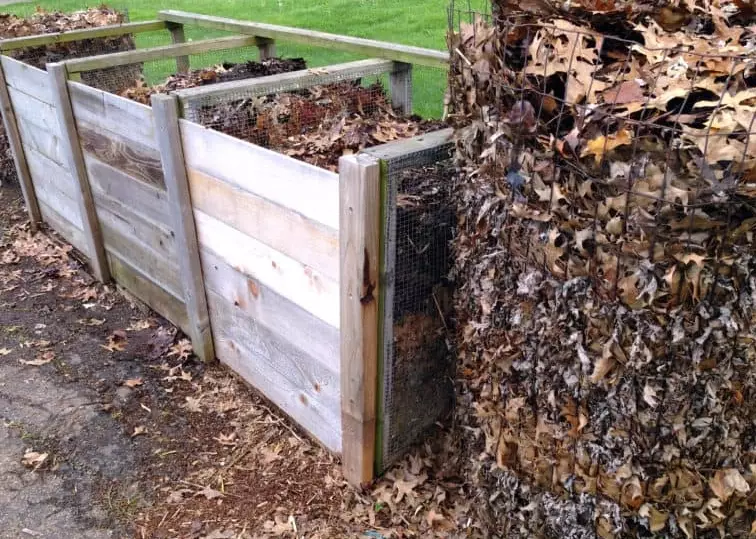
Problem: The pile smells rotten.
Solution: It's too wet and lacks air. Turn it immediately to aerate and mix in a lot of dry browns (shredded cardboard is great for this).
Problem: Nothing is breaking down.
Solution: It's probably too dry and/or needs more nitrogen. Moisten it thoroughly and mix in some fresh greens like grass clippings or vegetable scraps.
Problem: Flies are hovering.
Solution: You're not burying your food scraps deep enough. Always cover fresh kitchen waste with a thick layer of browns. A small stockpile of leaves or shredded paper next to the pile makes this easy.
Problem: The pile is attracting animals.
Solution: This usually means you've added forbidden items like meat or oily food. For persistent rodents, consider a simple wire mesh (hardware cloth) base and sides with small openings (1/4 inch). Burying scraps well is your first defense.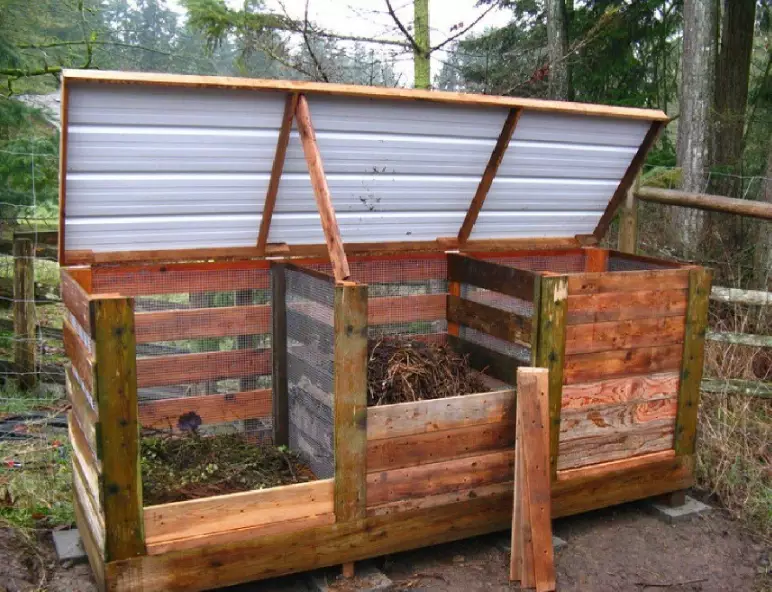
Your Compost Questions, Answered
My DIY compost heap is attracting raccoons. What's the one thing I should check first?
Check what you're adding. The biggest attractant is usually fruit scraps, especially melon rinds and berries, if they're not buried deeply. Make sure your covering layer of browns is at least 6 inches thick. If the problem continues, stop adding fruit for a few weeks while the pile heats up. A hot pile is far less interesting to them. Avoid commercial "compost accelerators"; a shovelful of existing garden soil or finished compost is a better, free microbial inoculant.
How do I manage a compost heap in a cold winter climate?
The pile will freeze on the outside and go dormant, but the core can retain heat for a surprisingly long time. In late fall, give it a final good turn and then insulate it. I pile on a thick, fluffy layer of straw or leaves (a foot or more) like a winter coat. This keeps the core active longer. Stop adding new kitchen scraps in deep winter if the pile is frozen solid—start a separate, covered bucket of frozen scraps to add in spring. The freeze-thaw cycle actually helps break down cell walls.
I only have a small balcony. Is a DIY compost heap completely out of the question?
A traditional heap needs space, but you can adapt the principles. For truly small spaces, vermicomposting (a worm bin) is a better fit. However, if you have room for a larger storage tote (20+ gallons), you can create a static, slower compost system. Drill plenty of aeration holes, use a very high ratio of browns to greens (like 3:1), and be patient. It will be cooler and slower, but it will work. The key is managing moisture carefully in a closed container.
How can I tell when my compost is truly finished and ready to use?
It's done when you can't recognize any of the original ingredients except maybe a few eggshell pieces. It should be dark brown, crumbly, and smell like fresh forest soil—earthy and sweet, not sour or rotten. A simple test: seal a small, moist sample in a zip-top bag for 3 days. If it smells bad when you open it, it needs more time. If it still smells earthy, it's ready. Don't worry about perfection; you can sift out any larger, unfinished chunks and toss them back into the new pile.
The beauty of a DIY compost heap is its resilience. You can ignore it for a month, and it will just slow down. You can make a mistake with the ratios, and you can fix it. It's not a precision instrument; it's a living system. Start simple, observe what happens, and adjust. That pile of leaves and potato peels will quietly transform into the most valuable thing in your garden.
Reader Comments