Let's be honest. Gardening in a hot summer can feel like a battle you're destined to lose. You plant those vibrant annuals from the nursery, they wilt by noon, and no amount of watering seems to bring them back. I've been there, staring at crispy petunias, feeling defeated. But what if the problem wasn't your watering can, but your plant choices? That's where the magic of cool flowers comes in. These aren't just any flowers; they're the resilient, clever plants that either love cooler temperatures or have evolved brilliant strategies to handle the heat, often by thriving in the shelter of partial shade. This guide isn't about a vague aesthetic; it's a practical toolkit for building a garden that looks lush and alive from late spring straight through the dog days of summer.
What's Inside This Guide
Why Your Garden Desperately Needs Cool Flowers
It's not your imagination—summers are getting hotter and longer. The traditional summer flower lineup (think marigolds, zinnias in full sun) often assumes a gentler climate. In many regions now, peak summer brings stress that these plants can't handle without constant intervention. Cool flowers address this new reality. They fall into two main camps:
True Cool-Season Champions: These are the workhorses of spring and fall. Pansies, snapdragons, and calendula. They bolt and fade when intense heat arrives. The trick is to use them strategically in the shoulder seasons for unbeatable color.
Heat-Adapted, Shade-Loving Performers: This is the goldmine for summer. These flowers don't necessarily love cold soil; they just hate baking in the afternoon sun. They've traded sun-bathing for smarter real estate—the dappled light under a tree, the east-facing side of your house. Here, their foliage stays hydrated and their blooms last for weeks. Think of them as the heat-avoidance experts.
Ignoring this second group is the most common mistake I see. Gardeners assume "full sun" on the tag is non-negotiable. But in Arizona or Texas, "full sun" often means "certain death" for many plants. You have to read the tag and then apply a local weather filter.
The Top Cool Flowers for Heat & Shade
Forget generic lists. Here are the specific plants that have saved my garden year after year, especially in areas that get afternoon shade. I've included some you know and a few you might not.
| Plant Name | Type | Zones | Light Needs | Height | Why It's Cool | Colors |
|---|---|---|---|---|---|---|
| Impatiens (SunPatiens® or New Guinea) | Annual | All as annual | Part Shade to Shade | 1-3 ft | The undisputed king of shade color. New varieties like SunPatiens® handle more sun if soil is moist. | Pink, red, white, orange, violet |
| Coleus | Tender Perennial (Annual) | 10-11 | Part Shade to Shade | 1-3 ft | It's all about the foliage. Incredible, painterly leaves that provide visual coolness even without flowers. | Red, green, yellow, purple, black, multi-colored |
| Tuberous Begonia | Tuber | 9-11 | Filtered Shade | 1-2 ft | Large, rose-like blooms that look delicate but are surprisingly tough in consistent shade. | Pink, red, white, orange, yellow |
| Lobelia ("Cascade" or trailing types) | Annual | All as annual | Part Shade (Cool AM sun) | 6-10 in (trails) | Provides a stunning "waterfall" of deep blue or purple, a rare and cooling color in the plant world. | Blue, purple, white, magenta |
| Dusty Miller (Senecio cineraria) | Tender Perennial | 8-10 | Full Sun to Part Shade | 1-2 ft | The silver, felt-like foliage reflects light and reduces heat absorption. It's a textural lifesaver. | Silver foliage, yellow flowers |
| Fuchsia (hardy or trailing) | Perennial/Annual | 6-11 (varies) | Filtered to Full Shade | 1-3 ft | The intricate, dangling blooms are a hummingbird magnet and scream "cool, moist forest." | Pink, purple, white, red combos |
Let me zoom in on Coleus for a second. Most people treat it as a background plant. That's a mistake. A large pot filled with three different coleus varieties—say, a dark ‘Black Dragon', a lime green ‘Wasabi', and a riotous ‘Kong Rose'—is a showstopper all by itself from May to October. It needs zero deadheading. Just pinch the tips to keep it bushy. I've had containers of coleus that looked better in September than they did in June.
And Dusty Miller? It's not just a filler. That silver foliage is functional. Plant it next to a deep purple petunia or a hot pink begonia. The silver doesn't just complement the color; it makes the entire planting look fresher and less heat-stressed. The Royal Horticultural Society (RHS) often highlights silver foliage plants for drought-tolerant and heat-resilient gardening.
Pro Tip: The Local Test Don't just trust zone maps. The best way to know what works as a "cool flower" in your area? Visit a local, independent nursery in mid-July. See what's in bloom and looking healthy in their display beds, which often mimic real garden conditions better than a big-box store. Ask them: "What keeps flowering here in August with minimal fuss?"
How to Grow Cool Flowers Successfully
Planting cool flowers isn't just dropping them in the ground. You're setting up a microclimate. Here’s the step-by-step I follow.
1. Choosing the Right Location
"Part shade" is the sweet spot. This typically means 4-6 hours of morning sun, or dappled light all day. Afternoon shade is critical in hot climates. Use an app like Sun Seeker to track the light patterns in your yard. That corner that gets sun from 10 am to 2 pm? Perfect. The spot that gets blasted from 1 pm to 7 pm? Avoid it for most of these plants.
2. Soil is Everything
Cool, shade-loving plants often compete with tree roots for water and nutrients. You can't just rely on good native soil. Amend it. I mix in a 3-inch layer of compost and a bag of peat moss or coconut coir for moisture retention into the top 8 inches of soil. The USDA Natural Resources Conservation Service (NRCS) emphasizes soil health as the foundation of any resilient garden.
3. Planting and Timing
For true cool-season flowers (pansies, etc.), plant in early spring as soon as soil is workable, or in early fall for color until frost. For the heat-adapted shade lovers, wait until all danger of frost is past and the soil has warmed a bit. Planting too early in cold, wet soil can stunt them.
4. Watering and Feeding: The Delicate Balance
This is where people mess up. Shade doesn't mean no water. It often means the soil dries out slower, but tree roots are sucking moisture too. The goal is consistent, even moisture—not soggy, not bone-dry. Stick your finger 2 inches into the soil. If it's dry, water deeply. A soaker hose or drip irrigation on a timer is a game-changer here.
Fertilize lightly but regularly. I use a half-strength liquid fertilizer (like fish emulsion or a balanced organic feed) every 3-4 weeks. Heavy feeding leads to leggy, weak growth, especially in lower light.
5. Maintenance and Pruning
Deadheading (removing spent blooms) is less critical for many foliage-driven cool flowers like coleus, but it's essential for begonias and impatiens to keep them flowering. For coleus and dusty miller, pinch the growing tips frequently to encourage bushiness and prevent them from getting tall and floppy.
Designing a Visually Cool Garden
A "cool" garden is a feeling as much as a temperature. You want it to feel like a refreshing retreat.
Layer Your Greens: Start with a backdrop of different green shades—ferns, hostas, or even a small Japanese maple. Then, add your pops of flowering color in the mid-layer. Finally, use trailing lobelia or sweet potato vine at the edges to soften containers and borders.
Embrace Container Gardening: Shady patios, decks, and balconies are ideal for cool flowers. A large container is easier to keep moist than a small one. My favorite combo: a thriller (a tall, spiky plant like a shade-tolerant grass), a filler (like a mound of impatiens), and a spiller (trailing lobelia or ivy).
Play with Color Theory: Cool colors (blues, purples, silvers, whites) recede visually and enhance the feeling of coolness and depth. Hot colors (reds, oranges) advance. Use them strategically. A bed of white impatiens and blue lobelia will feel instantly cooler than one of red begonias, even if the air temperature is the same.
Imagine transforming a hot, barren side yard into a cool oasis. You plant a small serviceberry tree for dappled shade. Under it, a carpet of hardy ferns forms the base. Among the ferns, you tuck clusters of white and blue hostas. In the slightly brighter spots near the edge, you add pockets of vibrant coleus and tuberous begonias. A simple stone path winds through. The temperature under that tree is now literally degrees cooler, and the visual effect is one of serene, lush abundance.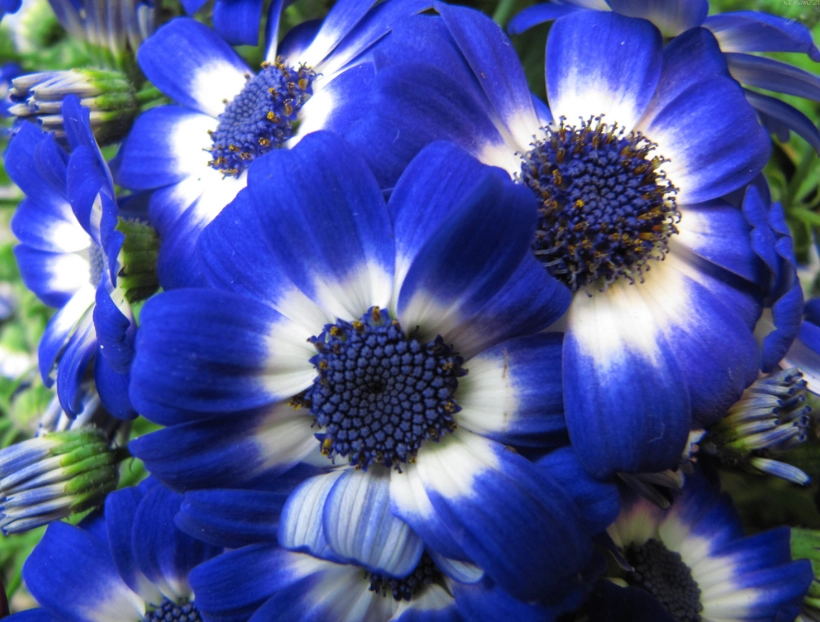
Your Cool Flowers Questions Answered
Shifting your focus to cool flowers isn't about limiting your palette. It's about gardening smarter, not harder. It's about working with the conditions you have—especially that precious shade—to create a space that feels alive and refreshing all season long. Stop fighting the heat. Start planting for it.
Reader Comments