Let's be honest. Globe artichokes look like something from a dinosaur's garden. They're architectural, slightly intimidating, and produce edible flower buds that are a culinary delicacy. A lot of gardening guides make them sound fussy, but I've found them to be surprisingly resilient perennials once you get a few key things right. I've killed a few plants learning those lessons, so you don't have to. This guide strips away the fluff and gives you the actionable steps to go from seed or starter plant to a harvest of tender, meaty chokes.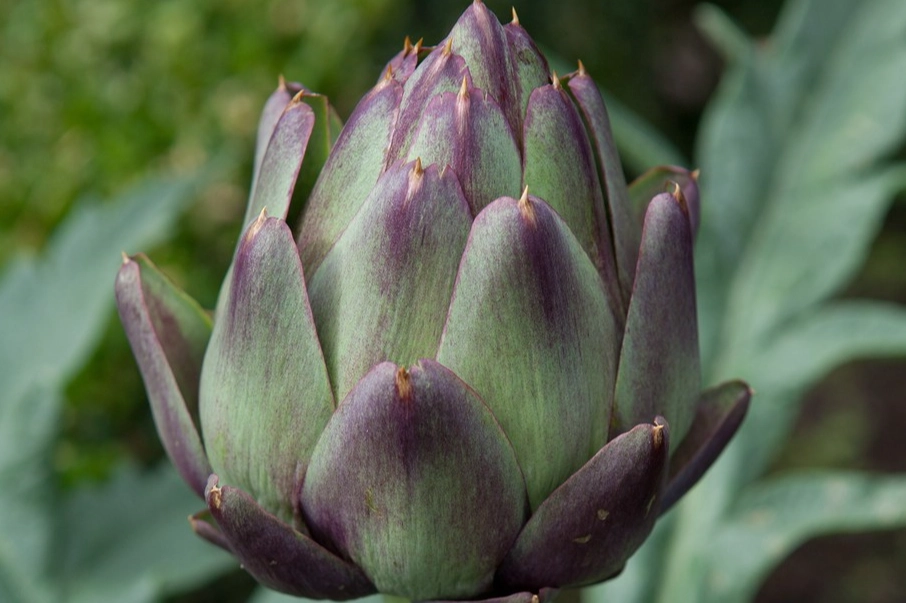
What You'll Learn in This Guide
- Why Bother Growing Your Own Artichokes?
- Getting Started: Climate, Soil, and Plant Choices
- How to Plant Globe Artichokes: Step-by-Step
- The Real Work: Watering, Feeding, and Maintenance
- Common Artichoke Growing Problems and Solutions
- When and How to Harvest & Store Your Bounty
- Answers to Your Tricky Artichoke Questions
Why Bother Growing Your Own Artichokes?
First off, flavor. A homegrown artichoke steamed and dipped in melted butter is a different species from the often-bland, sometimes woody supermarket globe. The freshness is incomparable. Secondly, they're a perennial investment. Plant them once, and with proper care, they'll produce for 3-5 years, maybe longer. You're building a permanent fixture in your edible landscape. Finally, they're a conversation piece. Few vegetables command as much space and visual interest as a mature artichoke plant with its silvery-green, deeply serrated leaves.
Getting Started: Climate, Soil, and Plant Choices
This is where most mistakes happen. Getting the foundation wrong sets you up for a struggle.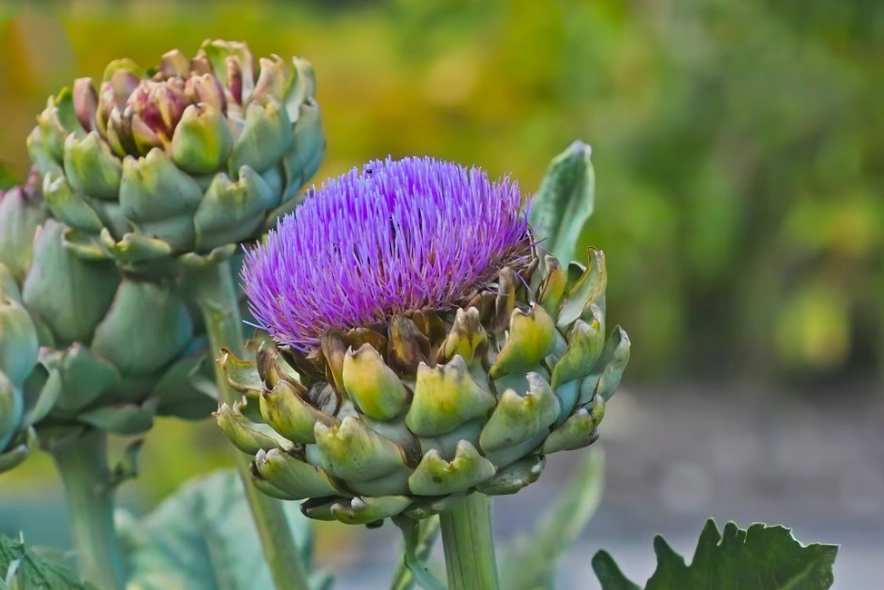
Climate Isn't Just About Zone
Yes, artichokes thrive in USDA zones 7-11. But it's more nuanced. They love mild, foggy coastal climates (think central California). The key is consistent cool temperatures for bud formation. In hot summer regions, they'll often produce a spring crop, go dormant in the scorching heat, and maybe give you a few smaller buds in the fall. In colder zones (5-6), you can grow them as annuals by starting early indoors, or mulch heavily and hope they survive a mild winter. I'm in a zone 8 with hot summers, and my plants focus all their energy on a magnificent May harvest.
Soil: The Non-Negotiable
Artichokes are heavy feeders with deep roots. They demand soil that's deeply dug, incredibly fertile, and exceptionally well-draining. Soggy roots will rot over winter. My first planting failed because the spot looked fine but held water just below the surface after heavy rain.
Here's my soil prep recipe for a new bed:
- Dig down at least 2 feet. Break up any hardpan.
- Mix in a massive amount of compost or well-rotted manure—think a wheelbarrow load per two plants.
- Add a balanced, slow-release organic fertilizer according to package rates.
- If your soil is clay-heavy, incorporate coarse sand or fine gravel to improve drainage.
Choosing Your Plants: Crowns vs. Seeds
You have two main paths, each with pros and cons.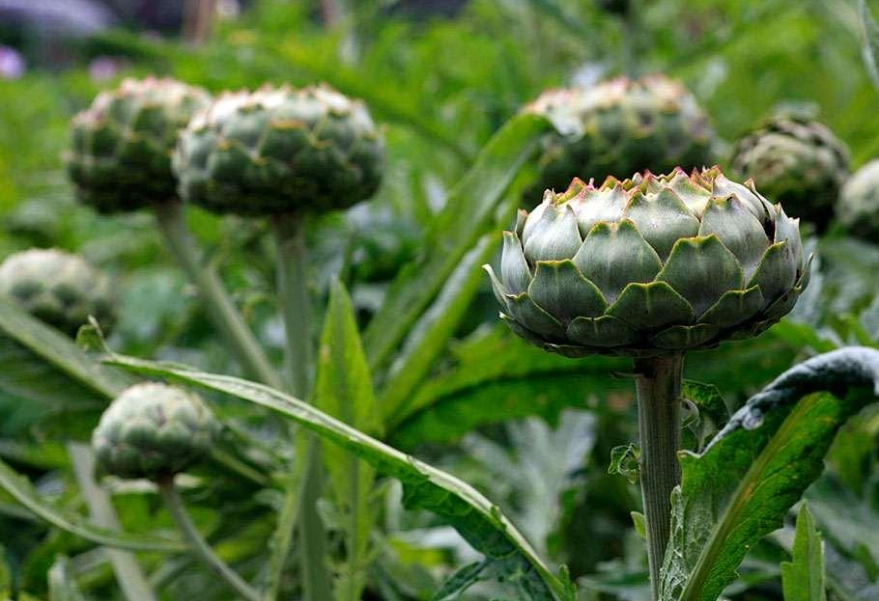
| Method | Pros | Cons | Best For |
|---|---|---|---|
| Root Divisions (Crowns/Starts) | Harvest in the first year. You know the exact variety. Much faster. | More expensive. Limited variety selection locally. | Most gardeners. Impatient people (like me). Those in marginal climates wanting a sure first-year crop. |
| Seeds | Cheaper. Vast variety choice (like 'Violetta' or 'Imperial Star'). More satisfying for some. | Requires a long head start (10-12 weeks indoors). May not produce a good harvest until the second year. Some variability. | Budget growers. Seed starters with space. Gardeners wanting specific heirloom varieties. |
A common pitfall with seeds is not giving them a cold treatment. To mimic their natural cycle and encourage budding, place damp seeds in a sealed bag in the refrigerator for 2-3 weeks before sowing. It makes a noticeable difference.
How to Plant Globe Artichokes: Step-by-Step
Timing is everything. Plant too early in cold soil, and they sulk. Too late in heat, and they stress.
For crowns/root divisions: Plant in early spring, 2-4 weeks before your last average frost date. The soil should be workable, not frozen or muddy.
For home-started seedlings: Harden them off carefully for at least a week. Transplant after all danger of hard frost has passed.
- Spacing is Crucial: These plants get huge—up to 4 feet tall and 6 feet wide. Give each plant at least 4 feet of space in all directions. Crowding leads to poor air circulation and disease.
- Planting Depth: Dig a hole wider than the rootball. For crowns, set them so the growth buds at the base of the stems are just at or slightly above the soil surface. Don't bury the crown itself deeply.
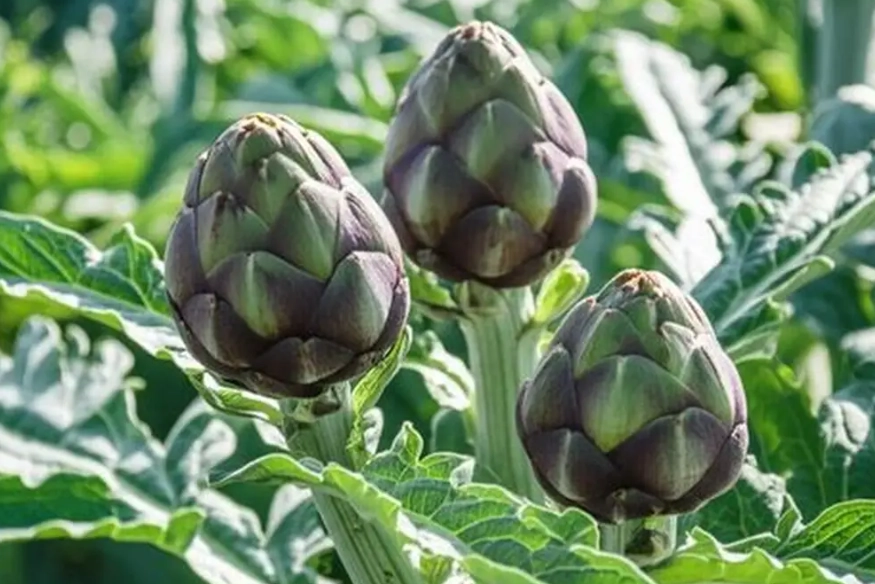
- Water & Mulch: Water deeply after planting. Apply a 4-6 inch layer of organic mulch (straw, wood chips) around the base, keeping it a few inches away from the stems. This conserves moisture and suppresses weeds.
The Real Work: Watering, Feeding, and Maintenance
Artichokes need consistent moisture, especially when buds are forming. Deep, infrequent watering is better than daily sprinkles. Aim for 1-2 inches per week, adjusting for rainfall. A soaker hose or drip irrigation is ideal to keep foliage dry and prevent disease.
They are hungry plants. I side-dress with compost or a balanced organic fertilizer in early spring as growth kicks off, and again after the main harvest. A common mistake is overdoing nitrogen, which gives you a gorgeous, giant leafy plant with few or small buds. You want a balanced diet.
In late fall, after the season ends, cut the spent stalks back to about a foot tall. In zones 7 and below, pile a thick layer (up to a foot) of straw, leaves, or mulch over the cut crown for winter protection. Remove this mulch gradually in spring after the last frost.
Common Artichoke Growing Problems and Solutions
They're relatively pest-resistant, but a few issues pop up.
- Aphids: They love the undersides of leaves and the buds. A strong blast of water usually knocks them off. For bad infestations, insecticidal soap works.
- Slugs & Snails: They'll munch on young leaves. Beer traps, iron phosphate bait, or nighttime patrols are effective.
- Botrytis (Gray Mold) / Powdery Mildew: Caused by damp foliage and poor air circulation. Ensure good spacing, water at the base, and remove affected leaves. A baking soda spray (1 tbsp baking soda, 1/2 tsp liquid soap, 1 gallon water) can help with mildew.
- The Plant is Huge but Has No Buds: This is usually a climate or timing issue (not enough vernalization/cold period), or sometimes too much nitrogen. 'Imperial Star' is a seed variety bred to bud in the first year, which helps in shorter-season areas.
When and How to Harvest & Store Your Bounty
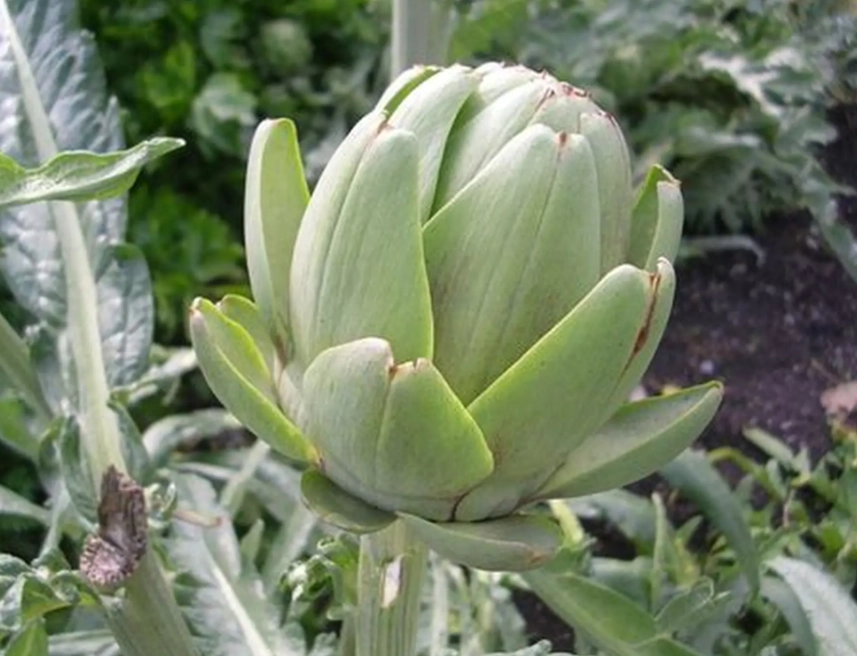
This is the payoff. Harvest when the buds are firm, plump, and tightly closed. The scales should still be tightly layered. If they start to open and show purple, you've waited a bit too long—they're still edible but may be tougher. Use a sharp knife to cut the stem about 1-3 inches below the bud.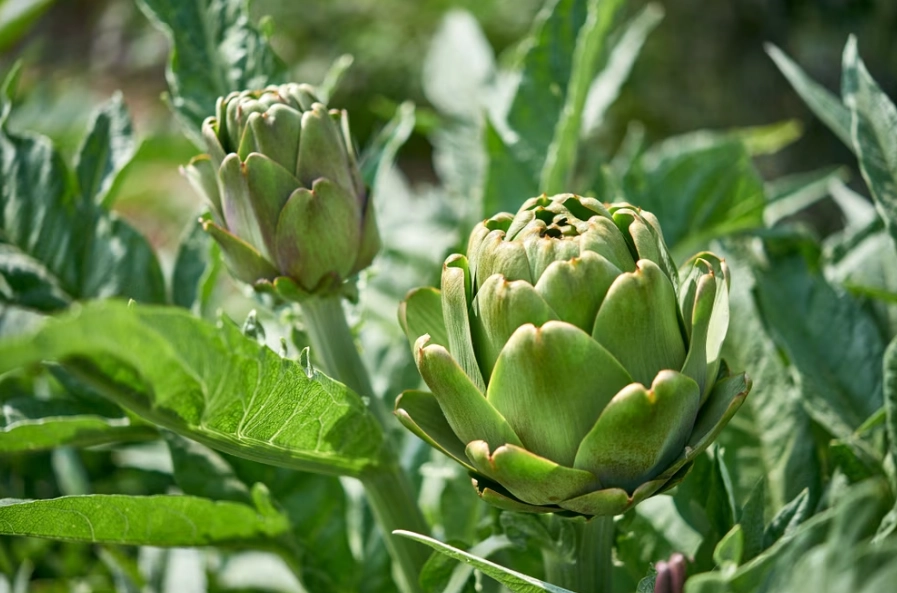
The central bud (the terminal one) will mature first and be the largest. After you harvest it, the plant will produce several smaller side buds. Keep harvesting to encourage more production.
Fresh artichokes are best used within a week. Store them in a plastic bag in the refrigerator crisper. To freeze, you need to cook them first—typically by steaming until tender, then removing the choke (the fuzzy center), and freezing the prepared hearts or whole cooked leaves.
Answers to Your Tricky Artichoke Questions
Why are my artichoke plants growing tall but producing small buds?
Can I grow artichokes in a large container?
 My artichoke plant flowered beautifully. Is it done for?
How do I divide an overgrown, crowded artichoke patch?
Reader Comments