Let's talk about a game-changer for the home gardener. It's not a fancy greenhouse or expensive heating system. It's the humble cold frame. This simple, often DIY, season extender lets you push your gardening calendar by months. Imagine harvesting crisp lettuce in December or getting a head start on tomatoes while your neighbors are still staring at seed packets. That's the power of cold frame gardening. It's essentially a mini-greenhouse that uses solar energy to create a protected microclimate, shielding plants from frost, wind, and excessive rain. I built my first one over a decade ago from old windows and scrap wood, and it transformed how I garden. This guide will walk you through everything—from building your own to the plants that thrive inside it.
What You'll Learn in This Guide
What Exactly Is a Cold Frame?
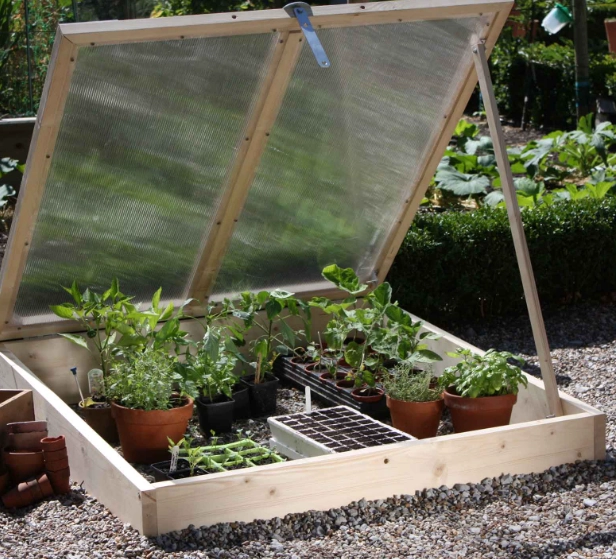
Think of a cold frame as a protective box for your plants. It has a transparent top (the “light”) that lets sunlight in and a solid bottomless frame that sits directly on the soil. The sun warms the air and soil inside during the day, and the insulated structure traps that heat overnight. The key difference from a greenhouse is that a cold frame has no artificial heat source. It relies entirely on passive solar gain. This makes it perfect for hardening off seedlings in spring, overwintering hardy crops like kale and spinach, and getting an early start on spring planting by 4-6 weeks. You can buy sleek polycarbonate models, but the beauty is in the DIY. An old storm window on top of some straw bales or concrete blocks works instantly.uth. This captures the maximum amount of winter sun. A 10-degree slope is a good target for shedding rain and optimizing light intake.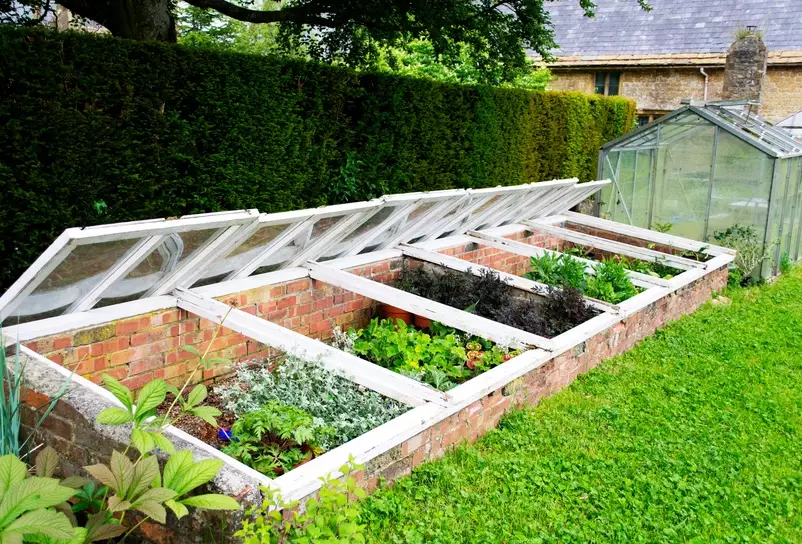
Why Bother? The Real Benefits of a Season Extender
Beyond the obvious thrill of fresh food in the off-season, cold frames solve specific problems. They protect against sudden late spring frosts that can wipe out tender seedlings you've nurtured for weeks. They keep fall crops like carrots and leeks growing longer by shielding them from harsh winds. For me, the biggest win is overwintering. I leave Swiss chard and parsley in my cold frame all winter. On a sunny January day, I can lift the lid and snip fresh greens—it feels like a small miracle. Economically, it saves money on store-bought organic produce. Ecologically, it's a hyper-local food source with zero transport miles.
How to Build a Cold Frame from Scratch (The Simple Way)
You don't need to be a master carpenter. The goal is functionality, not perfection. Here’s a straightforward plan for a 3' x 6' frame, a great starter size.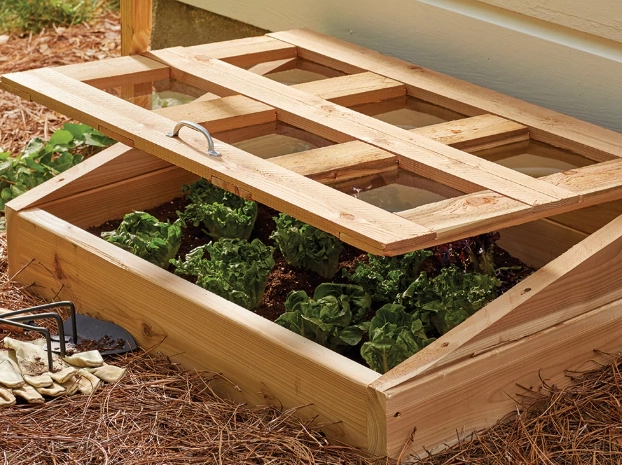
Materials You'll Need:
- Lumber: Four 2x12s (or 2x10s) for the sides. Use cedar, redwood, or pressure-treated pine for rot resistance.
- Top (Light): An old double-pane window, a polycarbonate sheet (like twin-wall), or a clear corrugated plastic panel. Size should be slightly larger than your frame footprint.
- Hardware: Exterior screws (3.5”), hinges (2 robust ones), a hook-and-eye latch or a simple prop stick.
- Optional: Weather-stripping foam tape for the top edge to improve insulation.
Step-by-Step Assembly:
1. Build the Box: Cut two 6-foot boards and two 3-foot boards. Assemble them into a rectangle using screws. Pre-drill to prevent splitting. The back side should be the full 12 inches tall. The front side should be cut down to about 8 inches tall. This creates the essential slope for drainage and light capture.
2. Attach the Top: Secure your hinges to the back of the frame and then to your window or panel. Make sure it opens easily. The prop stick is crucial—you'll use it daily for ventilation.
3. Site Preparation: Place your cold frame on a level, well-drained spot with full southern exposure. Remove any sod or weeds. For better insulation, you can sink the frame a few inches into the soil or bank soil against the outside walls.
That's it. You now have a functional season extender. The total cost can be under $50 if you scavenge the top.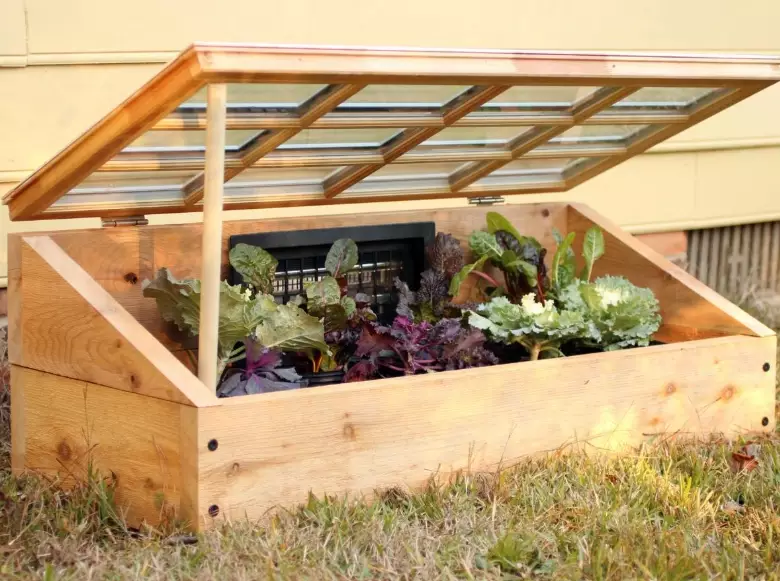
The Best Plants for Your Cold Frame: A Seasonal Roadmap
Not all plants are suited for the cool, sometimes fluctuating conditions of a cold frame. Success hinges on choosing the right crops for the right time. Forget about tropical peppers in January. Focus on cold-tolerant, fast-maturing varieties.
| Season | Primary Use | Top Plant Recommendations | Key Notes |
|---|---|---|---|
| Late Winter / Early Spring | Seed Starting & Early Greens | Lettuce (Winter Density), Spinach (Bloomsdale), Radishes, Kale, Peas (for shoots), Onion Sets | Sow as soon as soil is workable. Use for hardening off tomato & pepper seedlings started indoors. |
| Fall | Extending the Harvest | Carrots, Swiss Chard, Beets, Asian Greens (Tatsoi, Pak Choi), Parsley, Cilantro | Transplant or direct sow in late summer for fall-through-winter harvests. |
| Winter | Overwintering & Dormancy | Hardy Kale, Spinach, Mâche (Corn Salad), Garlic, Perennial Herbs (Thyme, Sage) | Growth slows or stops. Harvest sparingly. Goal is protection, not rapid growth. |
My personal favorite for winter is mâche. It's virtually unknown in supermarkets but thrives in cold frames, forming sweet, nutty rosettes that nothing else can match in January.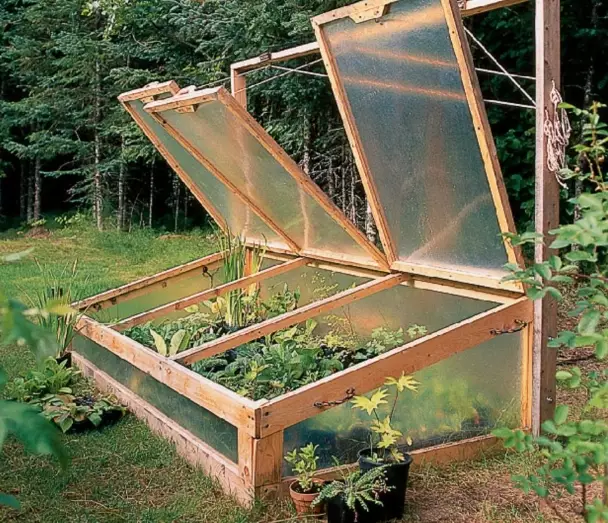
Daily Management: Ventilation, Watering, and Heat
This is where most beginners slip up. A cold frame isn't a “set it and forget it” tool. It requires daily attention, especially in spring and fall when temperatures swing wildly.
Ventilation is Non-Negotiable. On a sunny day, even in winter, the temperature inside a sealed cold frame can soar past 80°F (27°C) and literally cook your plants. You must open the lid. The rule of thumb: if the outside temperature is above 40°F (4°C) and the sun is out, crack it open. Use your prop stick. On a hot spring day, you might need to open it fully. Close it in the late afternoon to trap the day's heat for the night. I've lost a flat of perfect seedlings by forgetting to vent on a unexpectedly warm March morning—it happens fast.
Watering is Different. The frame blocks rain. You are now the sole water source. Check soil moisture every couple of days. Water sparingly in winter when plants are dormant—overwatering in cold, wet soil leads to rot. Water in the morning so excess moisture can evaporate during the day.
Managing Extreme Cold: When a serious freeze is forecast (below 20°F / -7°C), add extra insulation. An old blanket, a burlap sack filled with leaves, or even a bale of straw placed over the closed lid at night makes a huge difference. The goal is to prevent the interior from dropping below freezing. A simple wireless thermometer with an external sensor placed inside the frame is the best $15 investment you can make.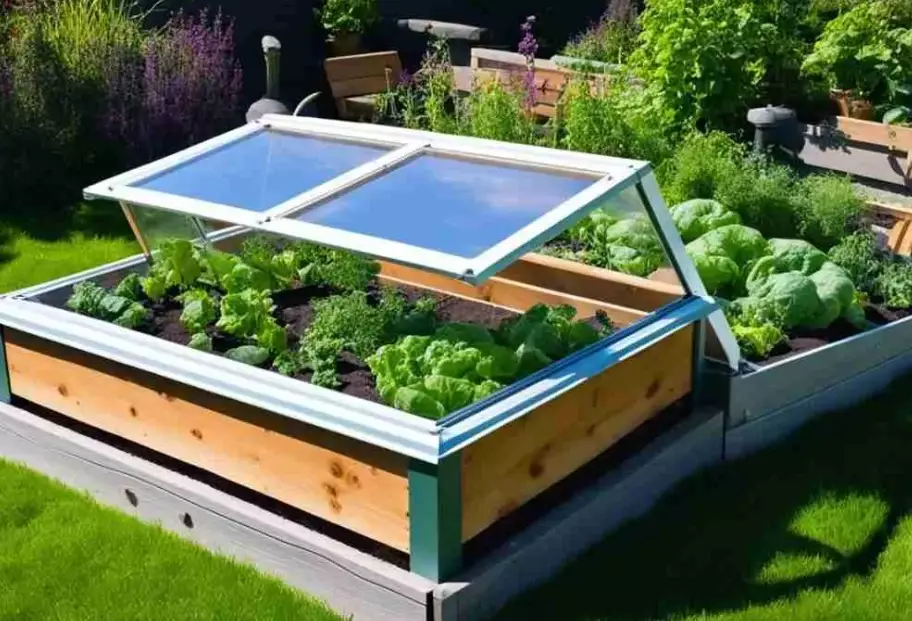
Watch Out: Don't let snow accumulate on a glass top. The weight can crack it. Polycarbonate handles snow better. Always brush heavy snow off gently.
Common Mistakes and How to Avoid Them
After ten years, I've made—or seen—all the errors. Here’s the shortlist.
- Poor Drainage: A cold frame sitting in a puddle is a death sentence. Ensure your site is level but not in a depression. You can add a layer of gravel or coarse sand under the frame.
- Ignoring the Soil: You're asking plants to grow in a confined, intensive space. Refresh the soil each season with compost. The University of Minnesota Extension recommends a mix of garden soil, compost, and a bit of coarse sand for ideal structure.
- Planting Too Densely: It's tempting to cram plants in. Don't. Air circulation is critical to prevent fungal diseases like damping-off in seedlings.
- Forgetting to Anchor the Lid: A gust of wind can turn your hinged top into a destructive sail. Always use a latch or a heavy prop stick secured in the ground.
Your Cold Frame Questions Answered
Getting started with cold frame gardening is about embracing simplicity and observation. Start small, pay attention to the weather and your plants, and don't be afraid to experiment. That first handful of homegrown spinach in March, when the ground is still frozen solid just a foot away, is a reward that never gets old. It turns the “off-season” into just another part of your growing year.
Reader Comments