If you're tired of waiting until spring to start your garden, winter seed sowing might just change everything. It's a simple technique where you sow seeds in containers during winter, letting nature handle the cold stratification so they sprout when conditions are right. I've been using this method for over a decade, and it saves time, space, and money—no fancy equipment needed. Let's dive into how you can make it work for your garden.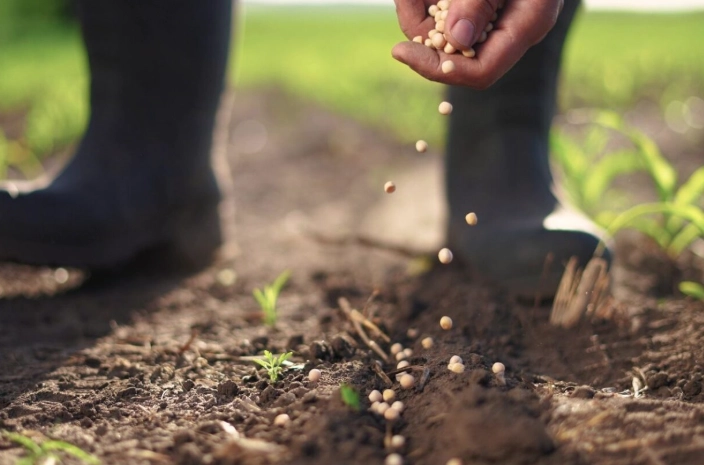
What You'll Find in This Guide
What is Winter Seed Sowing?
Winter seed sowing is exactly what it sounds like: planting seeds outdoors in the dead of winter. But here's the twist—you're not putting them in the ground. Instead, you use containers like milk jugs or plastic pots to create mini-greenhouses that protect the seeds from harsh weather while exposing them to natural freeze-thaw cycles. This mimics the process seeds go through in the wild, breaking dormancy and triggering germination come spring.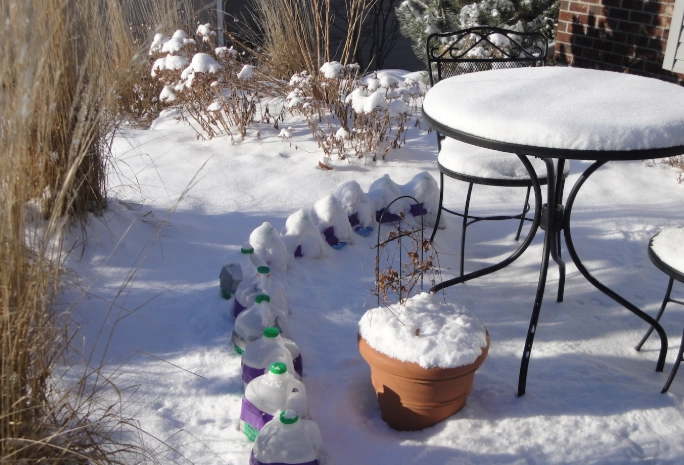
It's not a new idea. Gardeners have been doing variations of this for centuries, but it gained popularity in recent years thanks to folks like Trudi Davidoff, who popularized the "milk jug method." The key is that it works best for seeds that require cold stratification, a period of cold and moisture to germinate. Think native perennials, hardy annuals, and many vegetables like kale or parsley.
Why bother? Because it takes the guesswork out of indoor seed starting. No more grow lights, heating mats, or worrying about damping-off disease. The seeds wake up on their own schedule, often resulting in sturdier plants.
Benefits of Winter Seed Sowing
Let's break down why this method is a game-changer. First off, it's low-cost. You can repurpose household items—old yogurt containers, soda bottles, even takeout clamshells. No need for expensive seed trays or indoor setups.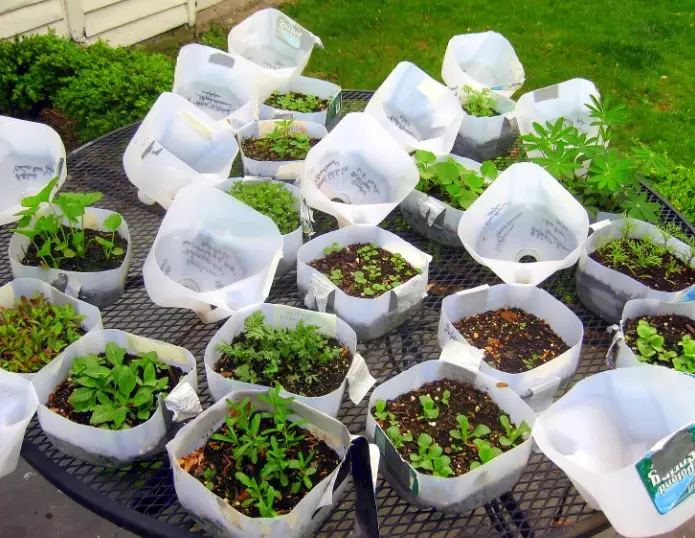
Second, it's hands-off. Once you set up your containers, you pretty much forget about them until spring. The rain and snow provide moisture, and the cold does the stratification work. This is perfect for busy gardeners or those who travel in winter.
Third, the plants are tougher. Seeds sown this way develop deeper roots and are more acclimated to outdoor conditions, reducing transplant shock. I've noticed my winter-sown seedlings handle late frosts better than their indoor-started cousins.
But there's a catch. Not all seeds are suited for this. Tender plants like tomatoes or peppers will just rot if you try it in freezing temps. That's why seed selection is crucial.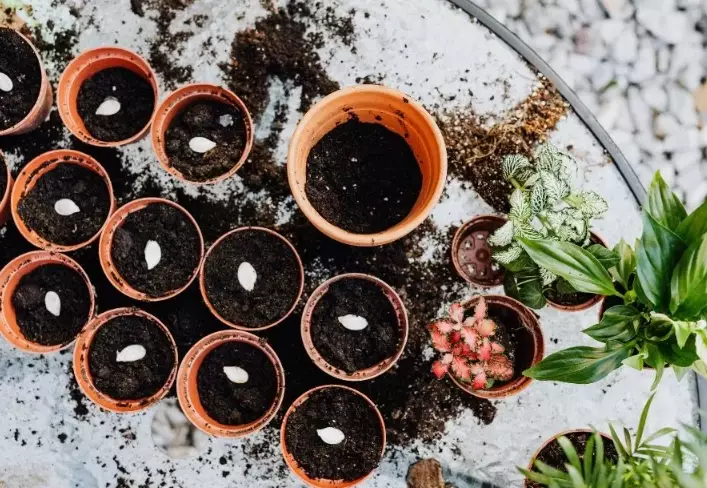
How to Start Winter Seed Sowing: A Step-by-Step Guide
Ready to give it a shot? Here's a detailed walkthrough based on my own trials and errors. You'll need seeds, containers, potting mix, and a marker for labeling.
Choosing the Right Seeds
This is where most beginners mess up. They get excited and toss in any seed packet. Focus on plants that naturally self-sow or require cold to germinate. A good rule of thumb: if it's a hardy perennial or biennial, it's likely a candidate. For vegetables, stick to cool-season crops.
Here's a quick table to help you pick:
| Seed Type | Examples | Why It Works |
|---|---|---|
| Native Perennials | Black-eyed Susan, Coneflower, Milkweed | Adapted to local climate; need cold stratification |
| Hardy Annuals | Poppies, Larkspur, Calendula | Self-sow in nature; tolerate frost |
| Cool-Season Veggies | Spinach, Lettuce, Carrots, Broccoli | Germinate in cool soil; early spring harvest |
| Herbs | Parsley, Cilantro, Dill | Biennials that benefit from winter chill |
Avoid tropical plants or anything labeled "warm-season"—they'll just sit there and rot. I learned this the hard way with basil seeds one year. Total waste.
Preparing Your Containers
You don't need fancy gear. Clean, transparent containers with lids work best because they let in light and trap humidity. Milk jugs are classic: cut them around the middle, leave a hinge, fill with soil, sow seeds, tape them shut, and remove the caps for ventilation.
Other options:
- Plastic salad containers – they already have lids.
- Clear soda bottles – similar to milk jugs but smaller.
- Nursery pots covered with plastic wrap – poke holes for air.
Make sure to add drainage holes at the bottom. I use a drill or a hot nail—easy and quick. Label everything with a weatherproof marker. Trust me, you'll forget what's inside by spring.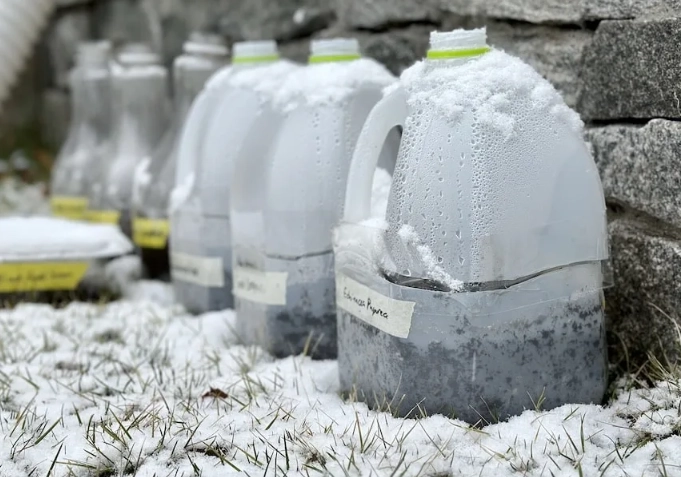
Sowing and Placement
Fill containers with a lightweight potting mix, not garden soil. Garden soil compacts and can harbor diseases. Moisten the mix before sowing—it should feel like a wrung-out sponge.
Sow seeds according to packet depth, but don't overcrowd. For tiny seeds, just press them lightly into the surface. Cover with a thin layer of soil if needed.
Once sown, close the containers and place them outdoors in a spot that gets winter sun but isn't too exposed to wind. Against a south-facing wall is ideal. They need to experience natural temperature fluctuations. Don't bring them inside; the whole point is to let winter do its thing.
Check on them occasionally. If there's a long dry spell, you might need to water a bit, but usually, rain and snow suffice.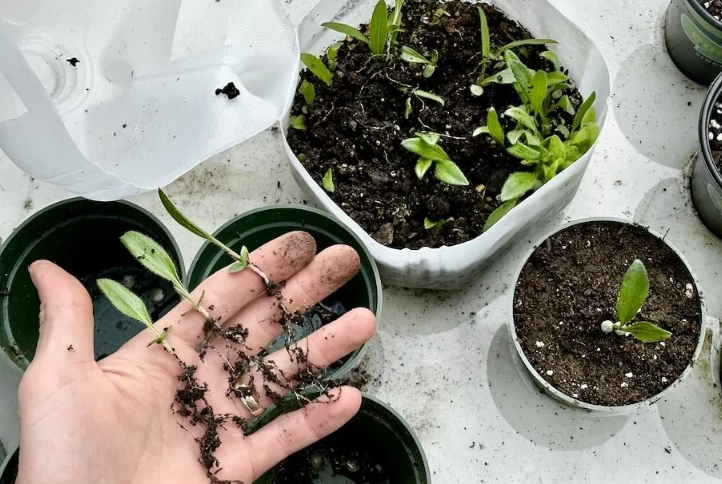
Common Mistakes to Avoid
After years of doing this, I've seen the same errors crop up. Here are the big ones.
Using the wrong seeds. I already mentioned this, but it's worth repeating. If you sow heat-loving plants like zinnias in winter, they'll just die. Stick to the list in the table.
Overwatering. Containers can get waterlogged if drainage is poor. Soggy soil leads to mold and rot. Ensure those holes are clear.
Starting too late. The best time is after the first hard frost but before deep winter sets in. For most regions, that's December to January. If you wait until February, seeds might not get enough cold exposure.
Neglecting ventilation. Containers need air circulation to prevent fungal growth. Leave caps off or poke extra holes. I once lost a batch of seedlings because I sealed the containers too tightly—they suffocated.
Forgetting to harden off. Even though these plants are tough, they still need a gradual transition to full sun in spring. Open the containers on warm days, then close them at night for a week before transplanting.
Case Study: My Winter Sowing Experiment
Last year, I decided to test winter seed sowing on a larger scale. I used 20 milk jugs and sowed a mix of native wildflowers and vegetables. Here's what happened.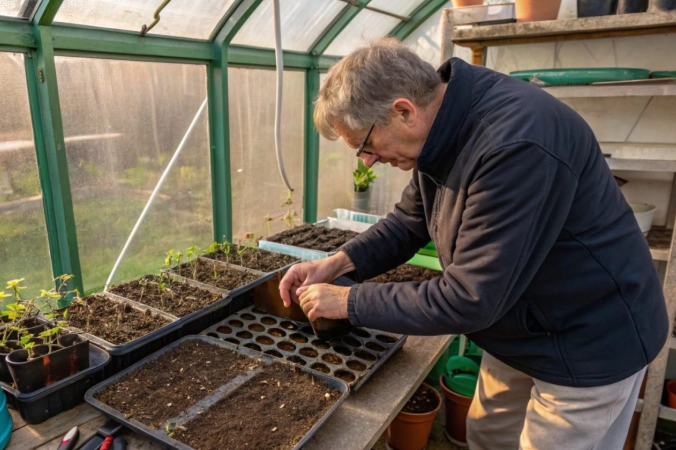
I started in early December, after a frost. The containers sat on my patio, exposed to snow and rain. By March, I noticed germination in the jugs with poppies and spinach. The coneflowers took longer—they didn't sprout until April.
The success rate was about 70%. Some jugs failed because of poor drainage (my fault for not drilling enough holes). Others thrived, producing robust seedlings that I transplanted directly into the garden with minimal fuss.
The biggest surprise? The milkweed seeds I almost gave up on sprouted in late spring, attracting monarch butterflies by summer. It showed me that patience is key; some seeds need extended cold.
This experiment saved me at least $50 on nursery plants and gave me a head start on the growing season. But it wasn't perfect—I learned to label better and space seeds more carefully.
FAQ: Winter Seed Sowing Questions
Winter seed sowing isn't a magic bullet, but it's a powerful tool for gardeners looking to work smarter, not harder. Give it a try this season—you might just find your spring garden bursting with life earlier than ever.
Reader Comments