Most people think gardening ends with summer. They pack up their tools, watch the tomatoes finish, and call it a year. I used to do that. Then I spent one September visiting a friend's garden, and it was more alive than my July beds. The air was crisp, the light was golden, and the flowers and foliage had a depth of color you just don't get in the summer heat. That's when I realized: autumn isn't the end. It's a second, often more beautiful, season.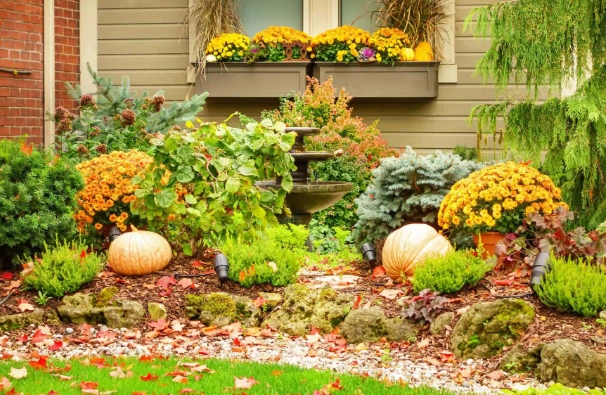
Fall garden plants are the secret to extending your gardening joy and productivity. They thrive in cooler temperatures, often with fewer pests, and provide brilliant color or fresh harvests right up to (and sometimes past) the first frost. Let's get your autumn garden going.
Quick Navigation: What's in This Guide
The 5 Best Plants for Knockout Fall Color
Forget thinking fall color only comes from trees. These plants put on a show right in your flower beds and containers.
1. Chrysanthemums (The Reliable Crowd-Pleaser)
Okay, this one's obvious. But there's a reason. Modern garden mums are bred to be compact mounds covered in flowers. The trick most people miss? They're perennials, not annuals. If you plant them in the ground at least 6 weeks before your first hard frost and give them well-drained soil, they'll come back bigger next year. Don't just buy the one in full bloom at the grocery store. Look for plants with lots of tight buds and green foliage – they'll last longer.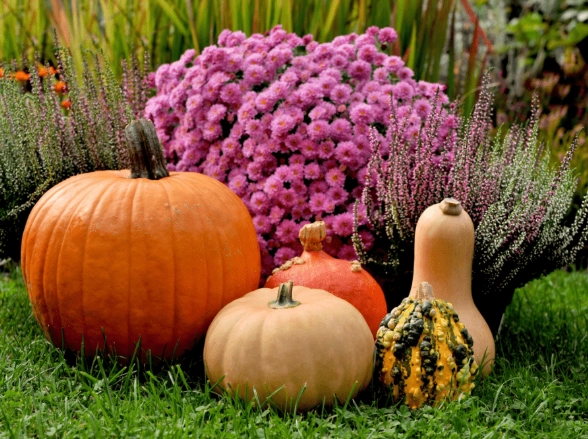
2. Ornamental Kale and Cabbage (The Edible Looker)
These are the plants that make people stop and stare. Their rosettes of pink, purple, and white leaves look like giant flowers. They actually get sweeter and more colorful after a frost. My personal favorite is the 'Peacock' series – it's more feathery and less cabbage-like. The one downside? They can be slug magnets in wet climates. A ring of crushed eggshells helps.
3. Japanese Anemone (The Graceful Late Bloomer)
This is a true perennial that starts blooming in late summer and carries right through fall. Tall, wiry stems hold delicate pink or white flowers that dance in the breeze. They prefer part shade and moist soil. Once established, they form elegant clumps. They're not the instant gratification of a mum, but they add a sophisticated, airy texture that's hard to beat.
4. Sedum 'Autumn Joy' (The Pollinator Hub)
Its flower heads start as pale green broccoli-like clusters in summer, turn pink in early fall, and mature to a rich, rusty copper. Even in winter, the dried stalks look good in the snow. But here's the real win: when everything else is winding down, this plant is absolutely covered in bees and butterflies. It needs full sun and well-drained soil. It practically thrives on neglect.
5. Heuchera (Coral Bells) – For Foliage, Not Flowers
While some heucheras bloom, we grow them for their incredible, veined leaves. Varieties like 'Georgia Peach' (peach), 'Midnight Rose' (black with pink spots), or 'Citronelle' (neon lime) provide vibrant foliage color from spring to frost. They're perfect for shady spots or container edges. Just make sure the crown isn't planted too deep, or it will rot.
Pro Tip: Pair these with ornamental grasses like Pennisetum (Fountain Grass) or Panicum (Switch Grass). Their feathery plumes and golden stems catch the low autumn light perfectly and add movement.
The 5 Best Vegetables for a Fall Harvest
This is where fall gardening gets delicious. Cool weather makes many greens sweeter and root vegetables more crisp.
| Vegetable | Why It's Great for Fall | Key Planting Tip | Days to Maturity* |
|---|---|---|---|
| Spinach | Bolts (goes to seed) in summer heat. Fall's cool temps make it grow lush and sweet. | Sow seeds directly in late summer. Use a shade cloth if it's still hot. | 35-45 |
| Kale | A frost-hardy champion. Frost converts starches to sugars, making it tastier. | Start transplants mid-summer or direct seed. 'Winterbor' and 'Red Russian' are top picks. | 50-65 |
| Lettuce (Leaf Types) | Grows quickly, stays tender without bolting. Perfect for continual "cut-and-come-again" harvests. | Sow a mix every 2 weeks for a steady supply. Oakleaf and Romaine types handle cold well. | 30-50 |
| Radishes | Super fast. You can get multiple successions in. Fall radishes are often milder and larger. | Direct seed. Try 'French Breakfast' or daikon types for variety. | 25-30 |
| Swiss Chard | Both leaves and stems are edible. Beautiful ('Bright Lights' variety) and very cold tolerant. | Start from transplants for a head start. Harvest outer leaves to keep it producing. | 50-60 |
*From seed or transplant to first harvest. Count backwards from your first frost date.
How to Plan Your Fall Garden Layout
Don't just randomly stick plants in the ground. A little planning prevents a messy, underperforming patch.
First, figure out your first average frost date. You can find this from your local university extension service (like the University of Vermont Extension or Oregon State University Extension). This date is your countdown clock.
Next, assess your space. Did your summer tomatoes just finish? That's a perfect sunny spot. Clear out the old plants, add a bit of compost, and you're ready for fall greens. Have a shadier area? That's ideal for lettuce and spinach as the sun angle lowers.
I sketch a simple map. I group fast-growing things like radishes and lettuce together so I can re-sow that area if it empties out. I put taller things like flowering kale in the back of borders. And I always leave one dedicated "experiment" bed – last year it was for purple sprouting broccoli, which overwintered and gave me an early spring harvest.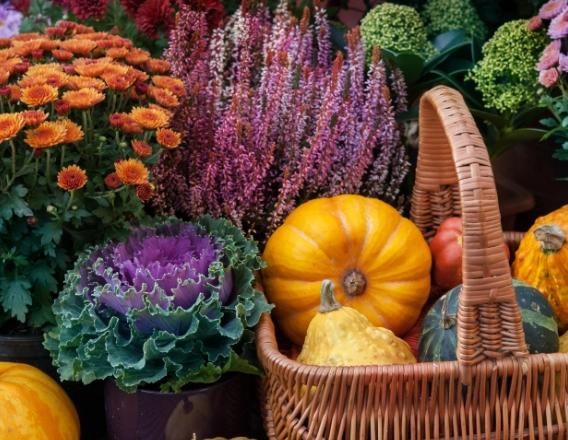
The Fall Planting & Care Guide: Beyond the Basics
Site and Soil
Most fall plants still need good sun – at least 6 hours. The sun is less intense, so don't assume full shade will work. Soil is key. After a summer of growing, your soil is tired. Work in a 2-inch layer of finished compost or well-rotted manure. This feeds the soil microbes and improves moisture retention without needing heavy fertilizer.
The Planting Process
For transplants (like mums, kale, chard), dig a hole twice as wide as the root ball. Loosen the roots if they're pot-bound. Plant at the same depth it was in the pot. Water deeply right after planting. For seeds (lettuce, spinach, radishes), sow them slightly deeper than the package says. The soil is warmer and drier on the surface. Keep the seed bed consistently moist until they sprout – this might mean a light watering twice a day.
Watering and Feeding
Fall can be dry. New plantings need regular water to establish roots. Once established, they'll need less than summer plants. I rarely fertilize my fall garden beyond the initial compost. Too much nitrogen encourages soft, frost-tender growth, which is the opposite of what you want. A light sprinkle of organic, balanced fertilizer when planting transplants is plenty.
Pests and Problems
You'll see fewer bugs, but watch for slugs and snails on tender greens. Cabbage worms might still go for your kale. Row covers are a fantastic, non-chemical solution for both pests and to provide a few degrees of frost protection later on.
3 Common Fall Gardening Mistakes (And How to Avoid Them)
I've made all of these. Learn from my errors.
Mistake 1: Planting Too Late. This is the #1 killer. You can't wait until the first day of fall. You need to work backwards from your frost date, adding the "days to maturity" plus about 2 weeks for slowed growth as days shorten. If your frost is Oct 15 and your kale takes 60 days, get it in the ground by late July/early August.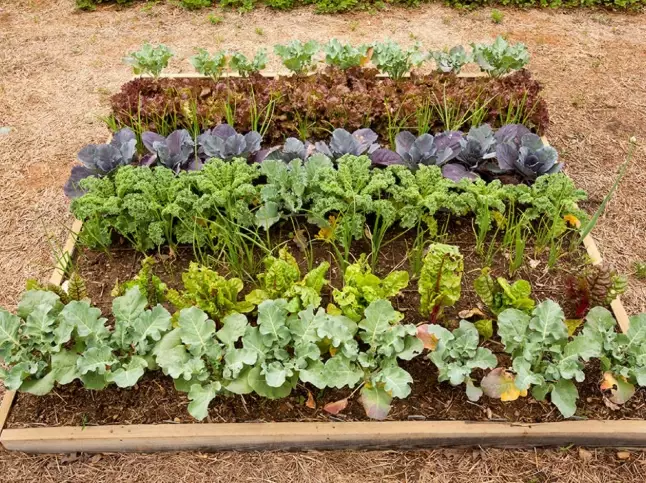
Mistake 2: Ignoring Soil Temperature. Seeds like lettuce and spinach won't germinate well in soil hotter than 75°F (24°C). If it's still blazing hot, pre-sprout seeds indoors on a damp paper towel or use a shade cloth over the seeded area to cool the soil.
Mistake 3: Overcrowding for "Instant" Impact. It's tempting to pack mums close for a full look. Don't. Airflow prevents mildew, which is common in cool, damp fall nights. Give them space. For veggies, proper spacing means bigger, healthier plants that can handle cold better.
Your Fall Gardening Questions Answered
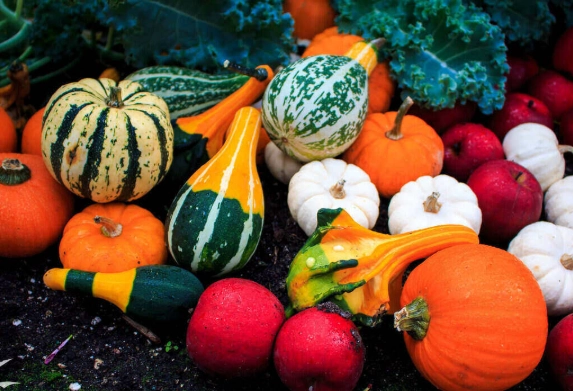
The best part about fall gardening? The pace is slower, the weather is pleasant, and every flower or fresh-picked salad feels like a bonus. It turns the "dying" season into one of renewal. Grab a sweater, your trowel, and give it a try. Start with a pot of kale or a flat of pansies. You might find it becomes your favorite season in the garden.
Reader Comments