Let's cut straight to it. Growing your own garden vegetables isn't just a hobby; it's a direct line to better food. You remember that bland, watery tomato from the supermarket? Compare it to one you've picked warm from the vine, still smelling of sun and earth. That's the difference. But between that dream and a thriving patch of soil, there's a gap filled with questions, doubts, and the occasional failed zucchini plant. I've been there. This guide is about bridging that gap with practical steps, not poetry.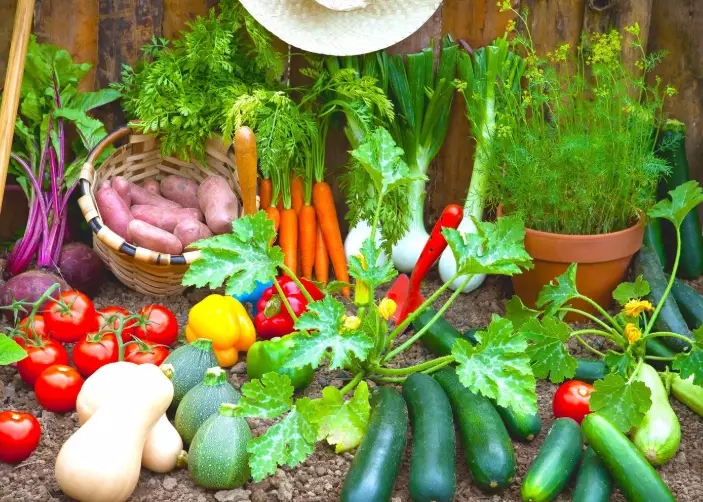
What's Inside This Guide?
Why Bother Growing Your Own Vegetables Now?
Forget the vague "it's rewarding" talk. Here are the concrete reasons your time in the garden pays off.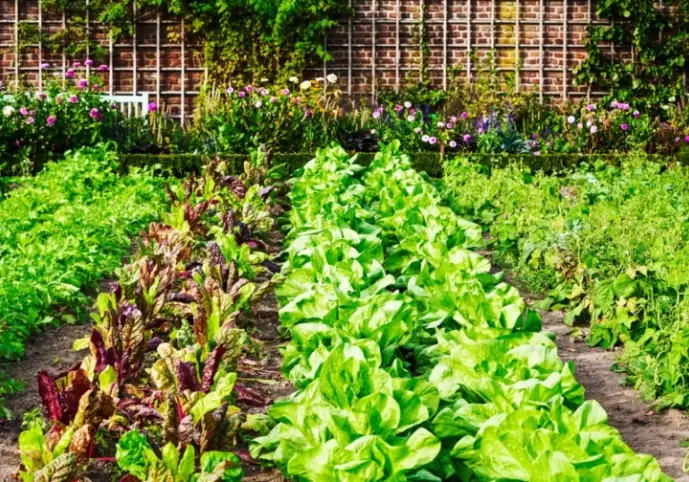
Flavor and Freshness You Can't Buy. A pea pod from your garden eaten on the spot is a different species from the one that's traveled 1500 miles. Sugars turn to starch, volatile aromatics fade. Homegrown wins on taste, every time.
You Control What Goes In (and On) Your Food. Worried about pesticide residues or want to go fully organic? When you're the grower, you make the rules. You decide if and when to intervene, and with what.
It's a Genuine Money Saver. A $3 packet of lettuce seeds can yield over $50 worth of greens over a season. Herbs are the ultimate hack—why pay $3 for a plastic clamshell of wilting basil when you can snip what you need?
It's Therapy With a Side of Salad. There's a solid body of research, like studies often referenced by the American Psychological Association, linking gardening to reduced stress. It's tangible, it's quiet, and you get to eat the results.
My Starting Point: My first garden was a 4x8 foot raised bed in a sunny corner of a rental house's yard. I over-planted, under-watered, and still ended up with more cherry tomatoes than I could handle. It was messy, but it worked. You don't need acres.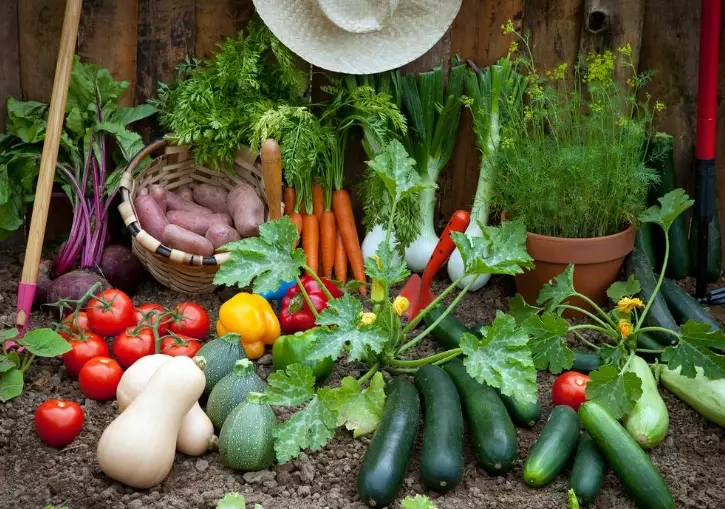
Planning Your Garden: Location, Plants, and Layout
Jumping in without a plan is the top reason for mid-July burnout. Let's get the foundations right.
Picking the Perfect Spot (It's Simpler Than You Think)
Most garden vegetables need at least 6-8 hours of direct sunlight. Watch your potential spot over a day. No sun, no tomatoes. It's that simple.
Water access is non-negotiable. Can you easily run a hose to the area? Dragging watering cans 50 feet gets old fast.
Good drainage is crucial. If water pools after a rain, your plants' roots will drown. Raised beds are a fantastic fix for poor drainage.
Choosing What to Grow: Start Smart, Not Ambitious
New gardeners often fail by planting everything they like to eat. Focus on high-value, high-success crops first.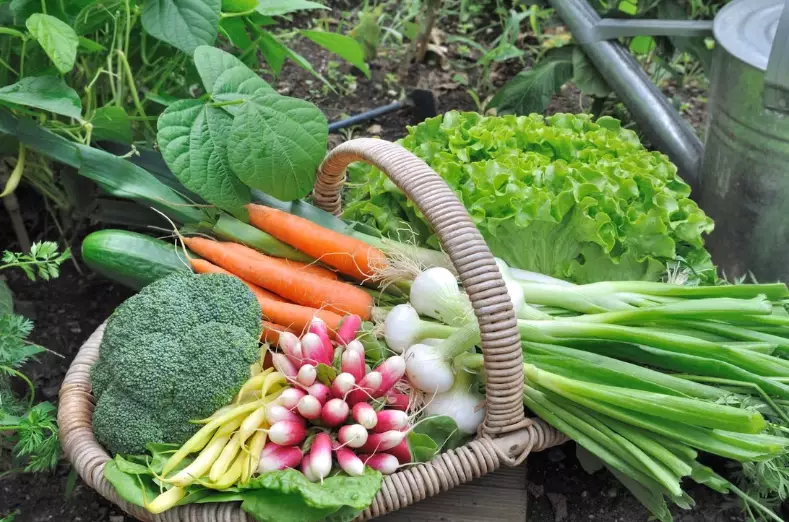
| Vegetable | Why It's a Great Starter | Key Tip |
|---|---|---|
| Leaf Lettuce & Salad Greens | Grows fast, cut-and-come-again, tolerates cooler weather. | Sow a new small patch every 2 weeks for continuous harvest. |
| Cherry Tomatoes | More forgiving than large heirlooms, prolific producers. | Get a determinate (bush) type for containers, indeterminate for a large harvest. |
| Zucchini / Summer Squash | Almost comically productive. One or two plants feed a family. | Check under leaves daily once they start producing—they hide. |
| Radishes | Ready in 25-30 days. Instant gratification. | Don't let them get too big or they become woody and spicy. |
| Bush Beans | No staking needed, direct sow, reliable yield. | Pick regularly to encourage more flowers and beans. |
Check your local university's cooperative extension service website (e.g., University of California Agriculture and Natural Resources) for a planting calendar specific to your region. It tells you exactly when to plant spring peas or fall broccoli.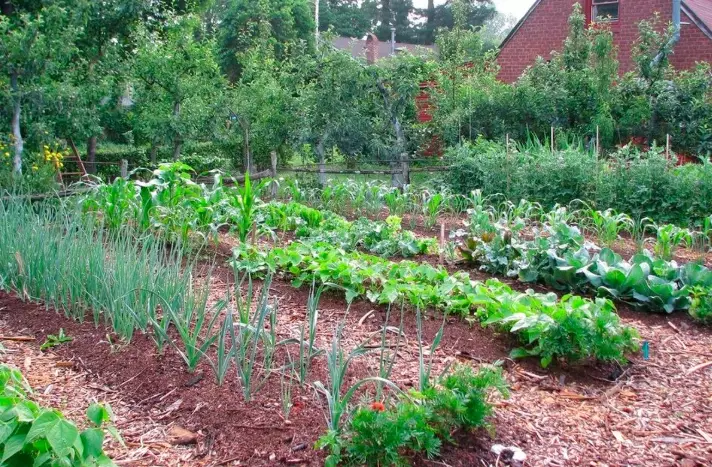
Designing Your Garden Layout
Think about access. Can you reach the center of the bed without stepping on the soil? Keep paths clear.
Companion planting isn't magic, but some combinations make sense. Planting basil near tomatoes might help repel some pests, and it's convenient for cooking. Tall plants (corn, tomatoes) should go on the north side so they don't shade shorter ones.
The Beginner's Big Mistake: Planting too close. Seed packet spacing guidelines exist for a reason. Crowded plants compete for light and water, stay damp (hello, fungus!), and produce less. Give them room to breathe. It feels wasteful at first, but you'll get more from three properly spaced zucchini plants than six crammed together.
The Real Work: Planting and Ongoing Care
This is where your garden lives or dies. It's not hard, but it requires consistency.
Getting the Soil Right
Soil isn't just dirt; it's the pantry for your plants. For a quick start, use a high-quality bagged potting mix for containers or a raised bed mix for beds. In-ground, work in several inches of finished compost. A simple soil test kit from a garden center can tell you your pH—most veggies like it slightly acidic to neutral (6.0-7.0).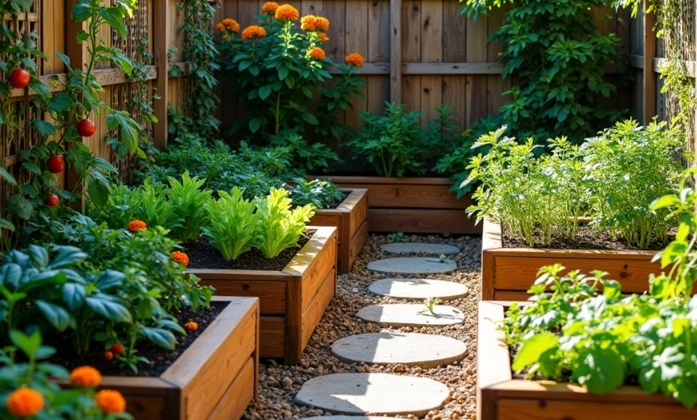
How to Plant: Seeds vs. Transplants
- Direct Sow (Seeds): Best for roots (carrots, radishes), beans, peas, corn, and greens. Follow the depth on the packet. Don't bury a tiny lettuce seed an inch deep.
- Transplants (Starter Plants): Best for tomatoes, peppers, eggplants, broccoli. Gives them a head start. When planting, you can bury tomato stems deeper—they'll grow roots along the buried stem.
The Watering Rule Most People Get Wrong
Deep, infrequent watering beats daily sprinkles. You want to encourage roots to grow down, not stay at the surface. Stick your finger into the soil up to the second knuckle. If it's dry, water thoroughly until it runs out the bottom of the container or soaks deep into the bed. Early morning is the best time to water.
Feeding Your Plants
If you started with good compost, you might not need much extra. For heavy feeders like tomatoes and squash, a balanced organic fertilizer (look for an N-P-K ratio like 5-5-5) applied every 3-4 weeks during growth can boost production. I prefer granular, slow-release types—less chance of overdoing it.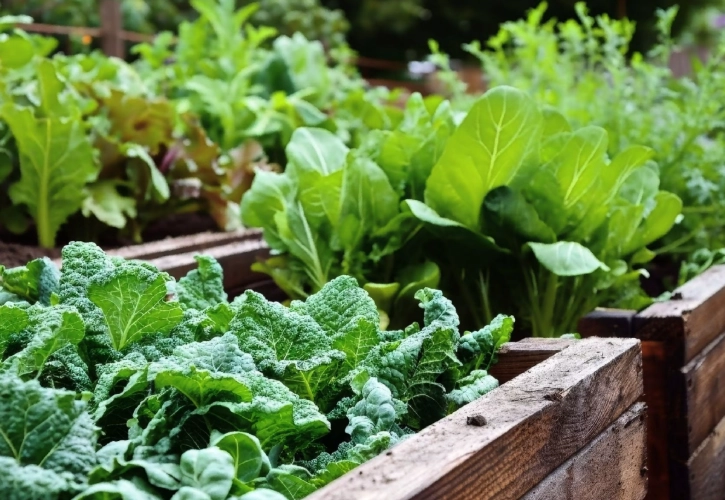
Dealing with Pests and Problems
First, identify the culprit. Is it holes in leaves (caterpillars, slugs)? Yellowing (watering issue, nutrient deficiency)? Don't just spray.
My first line of defense is always physical: hand-pick caterpillars and beetles (drop them in soapy water). Use floating row covers to block moths and flies. A strong spray of water from the hose knocks aphids off.
For persistent issues, insecticidal soap or neem oil are effective organic options. But always target the problem, not the whole garden.
The Best Part: Harvesting and Enjoying Your Bounty
Harvesting at the right time makes all the difference.
- Lettuce & Greens: Harvest outer leaves when they're a usable size, or cut the whole head about an inch above the soil—it may regrow.
- Tomatoes: Pick when fully colored and slightly soft to a gentle squeeze. They'll continue to ripen indoors if birds are a threat.
- Zucchini: Smaller is better and more tender. Aim for 6-8 inches long.
- Carrots & Beets: You can pull "baby" ones anytime, or wait for full size. A good clue is the shoulder of the root peeking above the soil.
Harvest in the cool of the morning for the crispest produce. Then, don't just store it—use it.
The simplest meal is often the best: a salad with 5 different kinds of leaves you just picked, a quick sauté of zucchini and beans with garlic, or a classic tomato and basil salad with a drizzle of good oil. The flavor does all the work.
Reader Comments