What You'll Find Inside
I used to think gardening was only for people with acres of land. Then I moved into a house with a backyard the size of a parking spot. After years of trial and error, I've learned that small yards aren't a limitation—they're an opportunity to get creative. If you're staring at a compact outdoor space and wondering where to start, you're in the right place. This guide dives into small yard garden ideas that actually work, backed by practical tips and a few hard-earned lessons.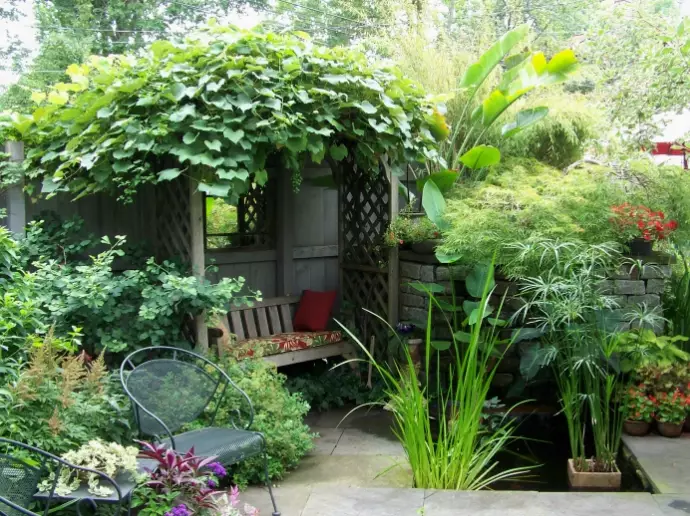
Why Small Yards Are a Goldmine for Gardeners
Let's be real: maintaining a huge garden can be a chore. Small yards force you to focus. You spend less time weeding and more time enjoying. According to the National Gardening Association, over 30% of urban gardeners work with spaces under 100 square feet. That's a lot of people making it work.
Small spaces mean lower costs for plants and materials. You can invest in quality soil or a fancy vertical planter without breaking the bank. Plus, every plant gets attention—no more neglected corners.
I remember my neighbor's sprawling garden; half of it was overrun with weeds. My tiny plot? Every basil plant thrived because I could water and prune it daily. It's about intensity, not expanse.
10 Practical Small Yard Garden Ideas You Can Start Today
Forget generic lists. These ideas come from my own experiments and chats with fellow small-space gardeners. They're ranked by impact and ease.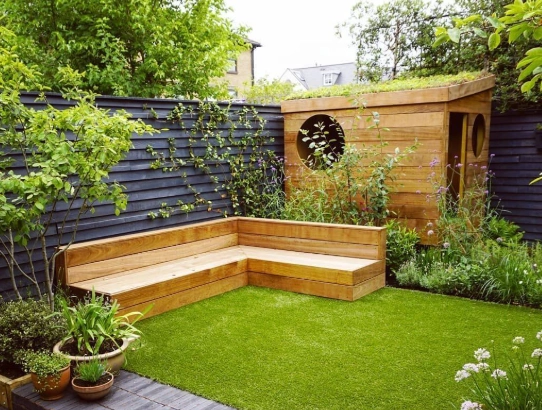
Idea 1: Vertical Gardens – Grow Up, Not Out
Vertical gardening is a game-changer. Install a trellis for climbing veggies like beans or cucumbers. Use wall-mounted planters for herbs. I bought a cheap pallet, stained it, and attached pots—total cost: under $50. It now holds my mint, thyme, and strawberries.
Key tip: Ensure your wall gets at least 6 hours of sun. South-facing is ideal. Avoid overwatering; vertical setups drain faster.
Idea 2: Container Gardening Magic
Containers let you move plants around for optimal light. Use pots of varying sizes for visual interest. Terracotta pots are classic but dry out quickly; plastic retains moisture better. I mix both.
Try a themed container: a "pizza garden" with tomatoes, basil, and oregano in one large pot. It's fun and functional.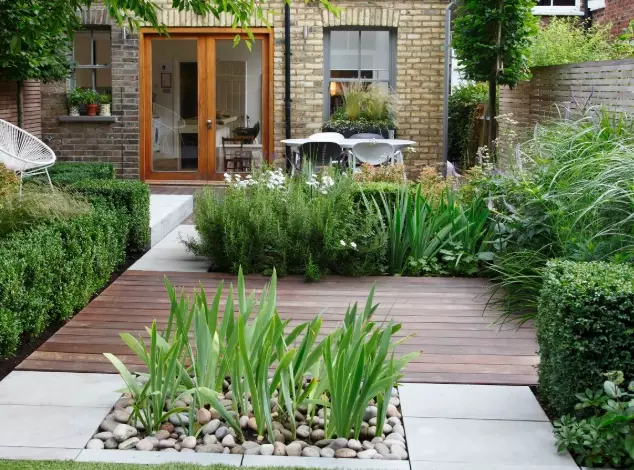
Idea 3: Multi-Functional Furniture
Benches with built-in planters, tables with succulent centers—these save space. I built a bench that doubles as a storage box for tools. It took a weekend but added seating and reduced clutter.
Idea 4: Layered Planting
Stack plants by height: tall shrubs in back, medium flowers in middle, ground cover in front. This creates depth. In my yard, I used dwarf hydrangeas, marigolds, and creeping thyme. It feels lush without crowding.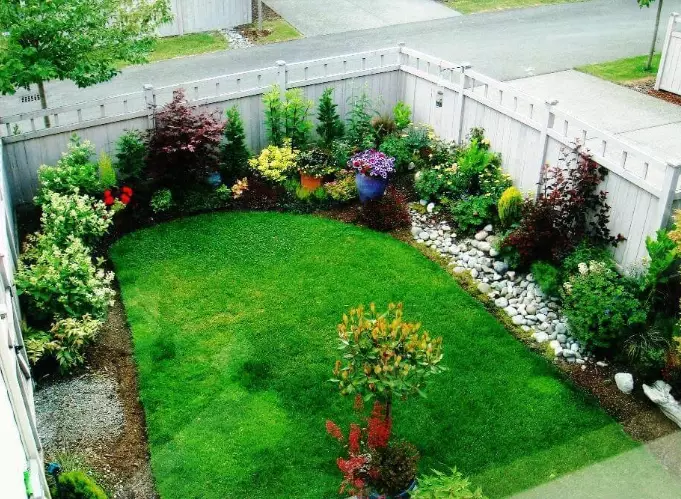
Idea 5: Use Every Nook
That strip along the fence? Perfect for narrow plants like kale or chives. Hang baskets from eaves for trailing ivy or petunias. I even planted herbs in old gutters mounted on a sunny wall.
Idea 6: Go for Dwarf Varieties
Dwarf fruit trees, like apple or lemon, thrive in large pots. They produce full-sized fruit but stay compact. I have a dwarf Meyer lemon that gives me lemons year-round. Check local nurseries for options suited to your climate.
Idea 7: Create Zones
Divide your yard into zones: dining, lounging, gardening. Use low hedges or pavers to define areas. My 10x10 foot yard has a bistro set, a small lawn patch, and a planting corner. It feels larger because each zone has a purpose.
Idea 8: Incorporate Water Features
A small fountain or birdbath adds sound and movement. I found a secondhand ceramic bowl, added a solar pump, and surrounded it with ferns. It attracts birds and masks street noise.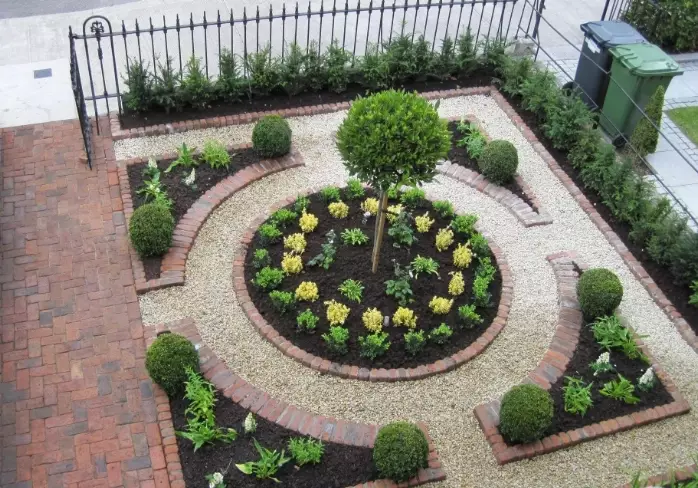
Idea 9: Use Reflective Surfaces
Mirrors or glossy tiles can make space feel bigger. Place them strategically to bounce light. I hung a mirror on a fence behind a climbing rose—it doubles the visual impact.
Idea 10: Edible Landscaping
Mix vegetables with ornamentals. Rainbow chard looks stunning next to flowers. I planted purple cabbage alongside pansies; it's pretty and productive.
Pro insight: Many gardeners overlook soil quality in small yards. Invest in a premium potting mix—it's worth every penny for better drainage and nutrients. I learned this after my first tomato crop flopped due to cheap, compacted soil.
How to Plan Your Small Yard Garden: A Step-by-Step Guide
Planning prevents overwhelm. Here's a simple process I follow.
Step 1: Assess Your Space
Measure your yard. Note sun exposure (full sun, partial shade). Use a sun calculator app or just observe over a day. My yard gets morning sun, so I plant shade-tolerant greens in the afternoon spots.
Step 2: Define Goals
What do you want? A relaxing retreat? Fresh herbs? List priorities. I wanted herbs and a place to sip coffee.
Step 3: Sketch a Layout
Draw a rough map. Include existing features like fences or doors. I use graph paper or a free online tool like Garden Planner.
Step 4: Choose Plants Wisely
Pick plants suited to your climate and light. Local extension offices offer great advice. I avoid trendy plants that need constant care.
Step 5: Start Small
Begin with one area. I first planted a vertical herb garden. Once it thrived, I expanded.
Here's a quick table for plant selection based on light conditions:
| Light Condition | Best Plants for Small Yards | Notes |
|---|---|---|
| Full Sun (6+ hours) | Tomatoes, lavender, succulents | Drought-tolerant options save water |
| Partial Shade (3-6 hours) | Lettuce, hostas, ferns | Great for leafy greens |
| Full Shade ( | Mint, impatiens, moss | Keep soil moist but not soggy |
Common Mistakes to Avoid in Small Space Gardening
After helping friends with their yards, I've seen the same errors crop up.
Overplanting: It's tempting to cram in plants. They compete for resources and get diseased. Leave space for growth. I once planted basil too close to tomatoes; both got mildew.
Ignoring Drainage: Small containers need drainage holes. If water pools, roots rot. Add gravel at the bottom of pots. I learned this after losing a rosemary plant to root rot.
Neglecting Maintenance: Small gardens need regular pruning and feeding. Set a weekly 15-minute check. I do mine every Sunday morning with coffee in hand.
Choosing the Wrong Scale: Large furniture or plants overwhelm. Opt for petite varieties and compact furniture. My first bench was too big; it dominated the space.
Forgetting about Access: Ensure you can reach all plants for watering and harvesting. I left a narrow path that made weeding a pain. Now I keep aisles at least 18 inches wide.
FAQ: Your Small Yard Garden Questions Answered
Small yard gardening isn't about having less; it's about making more of what you have. Start with one idea, see how it goes, and build from there. My own garden evolved over seasons, and yours will too. If you hit a snag, remember that even experts kill plants sometimes—I certainly have. The key is to keep experimenting and enjoying the process.
Reader Comments