When you hear "garden leaves," you probably picture a pile of brown clutter waiting to be bagged. I did too, for years. I spent countless autumn weekends raking, bagging, and dragging leaves to the curb, thinking I was doing my garden a favor. Turns out, I was throwing away gold. Garden leaves—both the ones growing on plants and the ones covering the ground—are the secret engine of a thriving, low-maintenance garden. They're not just decoration or debris; they're a living, breathing (and sometimes dying) system that can solve a dozen problems if you know how to work with them. Let's change how you see every single leaf in your space.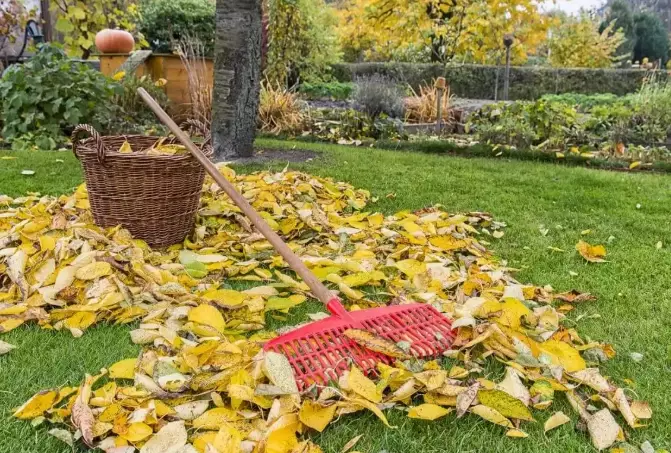
What's Inside This Guide
What Are Garden Leaves (Beyond the Obvious)?
We need to split this term in two. First, there are the foliage plants—the ones you grow specifically for their stunning leaves. Think of the electric purple of a Persian shield or the intricate patterns of a calathea. They're the backbone of garden design, providing color and texture long after flowers have faded.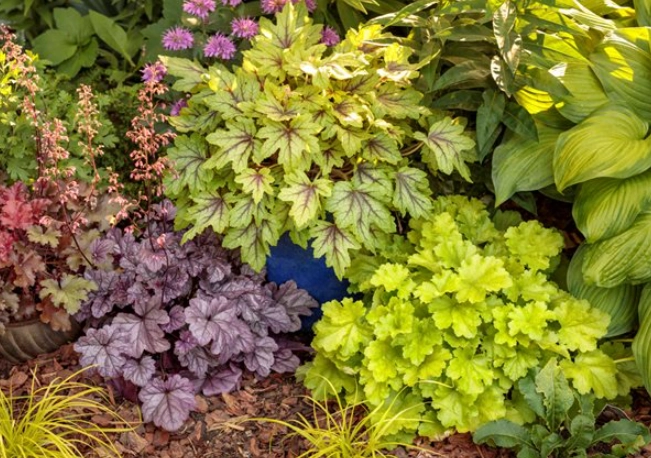
Then, there's the other kind: the fallen leaves. This is the part most gardeners get wrong. That blanket of oak and maple leaves isn't waste. It's a nutrient delivery system, a weed barrier, and a habitat for beneficial insects, all rolled into one. The Royal Horticultural Society (RHS) has shifted its stance over the years, now strongly advocating for leaving leaves in place where possible to support biodiversity. Treating them as a resource, not rubbish, is the single biggest mindset shift you can make.
Choosing Foliage Plants for Year-Round Impact
Flowers are a fleeting romance, but foliage is a long-term marriage. If you want a garden that looks good from April to October, you need plants with great leaves. Don't just go for the generic hostas (though they're great). Look for combinations of color, shape, and texture.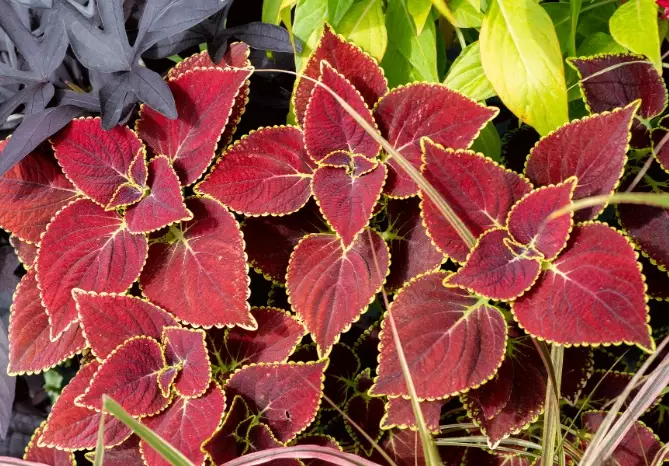
For shady spots, I'm obsessed with Heuchera (coral bells). The variety 'Peach Flambe' has leaves that start peach, turn to amber, and then mature to a rich burgundy. It's like three plants in one. Pair it with the strappy, dark green leaves of a Japanese forest grass (Hakonechloa) for contrast.
In sun, nothing beats the drama of ornamental grasses or the architectural punch of Phormium (New Zealand flax).
Here’s a quick comparison of some top-tier foliage plants for different needs:
| Plant Name | Key Foliage Feature | Best For | Care Level |
|---|---|---|---|
| Coleus | Incredible color patterns (pinks, reds, greens) | Containers & shaded beds | Easy (often grown as annual) |
| Brassica (Ornamental Kale) | Frilly, purple/white/rose centers | Cool-season color, winter interest | Easy |
| Stachys byzantina (Lamb's Ear) | Soft, fuzzy, silver-gray leaves | Textural contrast, dry gardens | Very Easy |
| Ferns (e.g., Japanese Painted Fern) | Elegant, dissected fronds; silver & burgundy hues | Deep shade, woodland gardens | Moderate (needs moisture) |
Visit a local botanical garden in late summer. See which plants still look fantastic when it's hot and everything else is tired. That's your shopping list.
How to Use Fallen Leaves in Your Garden (The Ultimate Resource)
This is where you turn waste into wonder. Bagging leaves and sending them off-site removes organic matter and nutrients your soil desperately needs. The USDA Natural Resources Conservation Service emphasizes the role of organic matter in soil health for water retention and fertility. Your leaves are free, local, and perfect for the job.
Make Leaf Mold (The Lazy Gardener's Gold)
Leaf mold is just decomposed leaves. It's not rich in nutrients like compost, but it's a spectacular soil conditioner. It holds moisture like a sponge and improves soil structure. To make it: rake leaves into a pile or a wire bin, get them wet, and forget about them for 12-24 months. That's it. No turning, no balancing greens and browns. I have three bins going in rotation, so I always have some ready.
Create Instant Mulch
Run dry leaves over with a lawn mower. The shredded pieces will mat together less than whole leaves, allowing water and air through. Spread a 2-3 inch layer over your flower beds. This suppresses weeds, retains soil moisture, and as it breaks down, it feeds the soil. It’s far better than buying bark mulch.
Boost Your Compost Pile
Dry, brown leaves are the perfect "brown" carbon-rich material to balance your "green" kitchen scraps. Keep a bag of shredded leaves next to your compost bin all winter. Every time you add food waste, toss in a handful of leaves. It prevents the pile from getting slimy and smelly.
Where should you not leave leaves? On the lawn in a thick, matted layer (it will kill the grass) or on top of delicate alpine plants that need perfect drainage. For lawns, mow over them a few times to shred them finely—they'll disappear and feed the grass.
Solving Common Garden Leaf Problems
Leaves talk. You just have to learn their language. Here’s a decoder for the most common signals.
- Yellow Leaves: The classic cry for help. Check the soil moisture first—is it soggy or bone dry? If that's fine, it could be a nitrogen deficiency, especially in older leaves. A dose of balanced fertilizer might help. But if new growth is yellow with green veins, suspect an iron deficiency, often caused by soil that's too alkaline.
- Brown, Crispy Edges or Tips: This is usually environmental stress. Low humidity, salt buildup from fertilizer, or inconsistent watering. For houseplants, try grouping them together to raise humidity or use a pebble tray. Flush the soil with water every few months to leach out excess salts.
- Holes or Chewed Edges: You've got visitors. Slugs, snails, caterpillars. For hostas and lettuces, beer traps for slugs can work. For larger areas, hand-picking at dusk is surprisingly effective. Encourage birds and frogs—they're natural predators.
- White Powder (Powdery Mildew): That dusty coating loves poor air circulation and damp foliage. Space plants properly, water at the base (not overhead), and choose resistant varieties. A homemade spray of 1 part milk to 9 parts water can help suppress it on roses and squashes.
My rule? Always look at the whole plant and its conditions before spraying anything. The problem is rarely just on the leaf.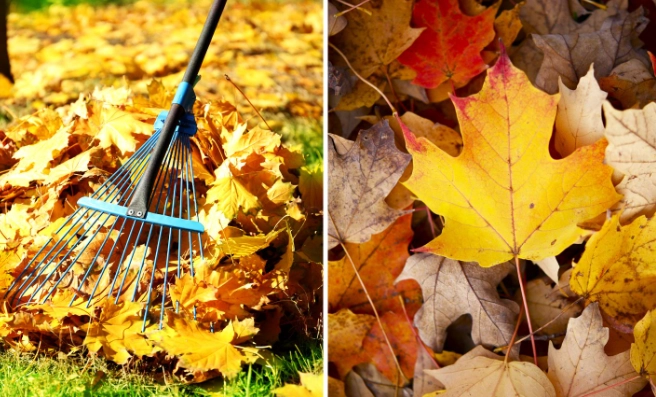
Your Garden Leaves Questions, Answered
Look at your garden differently now. See the hosta not just as a green clump, but as a sculpture. See the pile of oak leaves not as a chore, but as a bag of free fertilizer and weed cloth. When you start working with garden leaves instead of just managing them, gardening becomes easier, cheaper, and a lot more interesting. Go on, leave those leaves be.
Reader Comments