Let's be honest. Beetroot gets a bad rap sometimes. People think of it as that pickled, pungent thing from a jar. But homegrown beets? That's a different story. Sweet, earthy, and crisp straight from the ground. Growing beetroot from seed is one of the most satisfying things you can do in a garden, and it's way easier than you might think. I've been growing them for over a decade, and I still get a thrill pulling up a cluster of deep red globes. This guide will walk you through everything, but I'll also point out the little mistakes that can trip you up—the stuff most articles don't mention.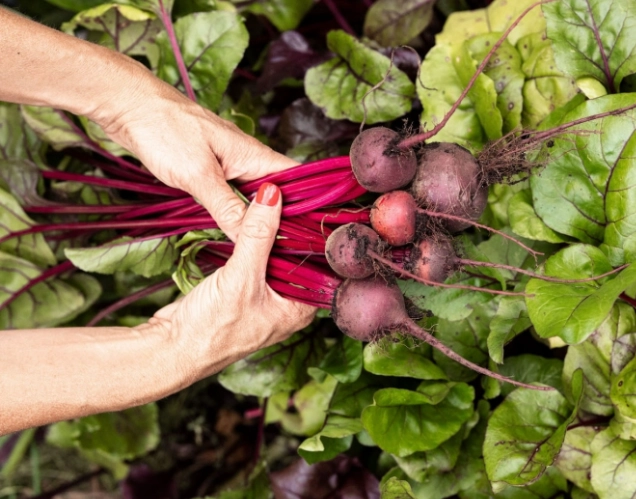
What's Inside This Guide
Start Right: It's All in the Seed and Soil
Most gardening failures start at the very beginning. With beets, the two biggest factors are your seed choice and your soil preparation. Get these right, and you're 80% of the way there.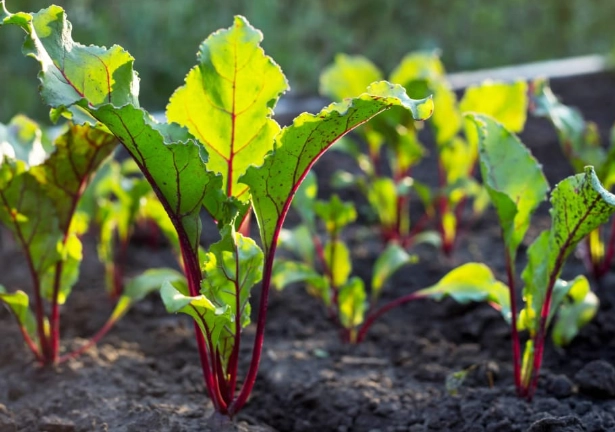
First, seeds. A beet "seed" is actually a dried fruit cluster containing multiple embryos. That's why you often get a clump of seedlings. You can find single-germ or monogerm varieties (like 'Moneta') that solve this, but they can be pricier. For beginners, just know that thinning will be necessary—more on that later.
Now, soil. This is where I see the most subtle, garden-killing mistake. Everyone says beets like "loose, well-drained soil." True. But the hidden killer is fresh manure or excessive nitrogen. If you add a bunch of nitrogen-rich fertilizer (like chicken manure or a high-N synthetic feed), you'll get the most glorious, lush, dark green tops you've ever seen. And tiny, pathetic roots underneath. The plant puts all its energy into the leaves. Beets are root crops; they want phosphorus and potassium for root development. The Royal Horticultural Society (RHS) advises against manuring the ground just before sowing for this exact reason.
Pro Tip: If you're preparing a new bed, work in some well-rotted compost or leaf mould a few weeks before planting. This improves structure without overloading on nitrogen. Aim for a soil pH between 6.0 and 7.0. A simple test kit can tell you if you need to add lime to sweeten acidic soil.
The When and How of Planting Beetroot
Timing is forgiving with beets. You can get multiple successions. The key is soil temperature. They'll sulk in cold, wet ground.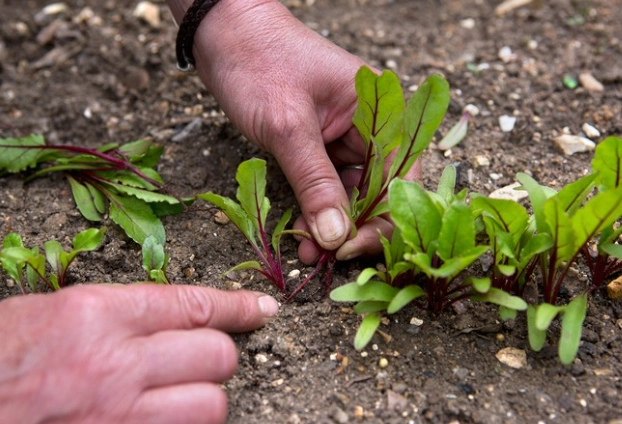
Getting Your Planting Dates Right
You can start your first sowing about 2-4 weeks before your last average spring frost date. The soil should be workable—not a muddy mess. I often wait until I can comfortably sit on the soil with bare hands. That's my unscientific but effective test. For a continuous harvest, sow a new batch every 2-3 weeks until midsummer. In many areas, you can do a late summer sowing for a fall or even early winter harvest. Beetroot is quite frost-tolerant once established.
The Actual Planting Process
Don't bury the seeds too deep. Half an inch to an inch (1-2.5 cm) is perfect. Space the seeds about 1-2 inches apart in rows that are 12 inches apart. Here's a common frustration: poor germination. The seed coat can be hard. Soaking the seeds in lukewarm water for a few hours before sowing can help. But the real trick I learned from an old market gardener is to keep the seed row consistently moist until you see sprouts. Not soggy, but damp. A dry crust forms on the soil surface, and the tiny seedling can't push through. I sometimes lay an old board over the row for a couple of days after sowing to retain moisture, checking daily.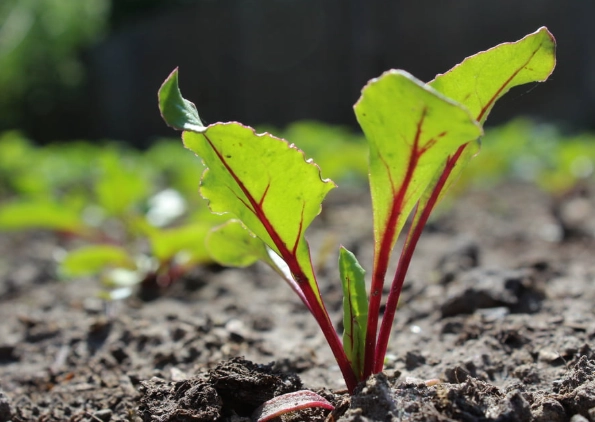
| Variety | Color | Days to Maturity | Best For |
|---|---|---|---|
| 'Boltardy' | Deep Red | 58-65 | Reliable, bolt-resistant, great for beginners |
| 'Chioggia' | Pink/White Rings | 55-60 | Heirloom, stunning in salads, mild flavor |
| 'Golden' | Golden Yellow | 55-60 | Sweet, doesn't bleed, greens are excellent |
| 'Cylindra' | Dark Red | 60-70 | Long, cylindrical shape, easy to slice uniformly |
Care Through the Season: Watering, Feeding, and Thinning
Once they're up, beets are pretty low-maintenance. But three tasks are non-negotiable.
1. Thinning. This is the step everyone hates but is absolutely critical. When seedlings are about 2-3 inches tall, you have to thin them. Gently pull out the extras, leaving the strongest seedling every 3-4 inches. If you don't, the roots will be crowded, tangled, and never size up. Don't just toss those thinnings! The baby greens are a delicious, tender addition to salads. It's your first harvest.
2. Watering. Inconsistent watering is the main cause of woody, tough, or split beets. They need a steady supply. Aim for about 1 inch of water per week, either from rain or your hose. Deep, infrequent watering is better than daily sprinkles. It encourages the roots to grow down. Mulching with straw or grass clippings around the plants helps immensely with moisture retention and weed suppression.
3. Feeding. If your soil was prepared well, extra feeding might not be needed. If growth seems sluggish, a side dressing of a balanced organic fertilizer or one higher in phosphorus (the middle number on the bag, like 5-10-10) when the roots start to swell can give them a boost. Avoid high-nitrogen feeds.
Harvest, Storage, and What to Do With the Greens
You can start harvesting beets when they're as small as a golf ball for tender "baby beets." For full size, wait until they're 1.5 to 3 inches in diameter. Don't let them get gigantic—they can become fibrous. Loosen the soil with a fork and gently pull them up by the greens.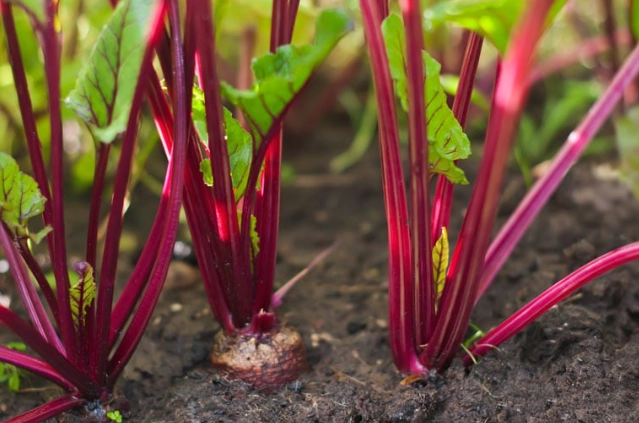
Here's a pro move: twist off the greens, don't cut them. Leave about an inch of stem on the root. If you cut them flush, the beet will "bleed" and lose moisture rapidly in storage. The greens, however, are a prize. Sauté them with garlic and a pinch of chili flakes. They're packed with nutrients.
For storage, brush off excess dirt (don't wash), and place them in a perforated plastic bag in the crisper drawer of your fridge. They'll keep for months. You can also store them in slightly damp sand in a cool, dark place like a root cellar.
Troubleshooting: Solving Common Beetroot Problems
Beetroot is generally pest-resistant, but a few issues can pop up.
- Leaf Miners: Those squiggly white lines in the leaves. They look bad but rarely affect the root. Just pinch the affected leaf tissue between your fingers to crush the larvae inside. Removing the damaged leaves is enough control.
- Scabby, Corky Patches on Roots: This is scab, similar to potato scab. It's often due to soil that's too alkaline (high pH) or irregular watering. The beet is still edible—just peel it. Maintaining a slightly acidic to neutral pH and consistent moisture helps prevent it.
- Small or No Roots: Almost always due to overcrowding (not thinning), insufficient sunlight (they need full sun), or too much nitrogen in the soil.
Your Beetroot Questions, Answered
Why did my beetroot send up a tall flower stalk before forming a good root?
That's called bolting. It's usually triggered by a period of cold weather after germination (like an unexpected late frost) or by sowing too early in spring when temperatures are still fluctuating wildly. Once a plant bolts, the energy goes into seed production, and the root becomes woody. Choose bolt-resistant varieties like 'Boltardy' for early sowings, and use cloches or row cover if a cold snap is forecast after planting.
My beetroot leaves are full of small holes. What's eating them?
Likely flea beetles. They're tiny, jumping black insects that chew shotgun-like holes. They're more of a nuisance to the greens than the root. A floating row cover placed over the crop right after sowing is the best organic defense, as it physically blocks them. Diatomaceous earth dusted on dry leaves can also help.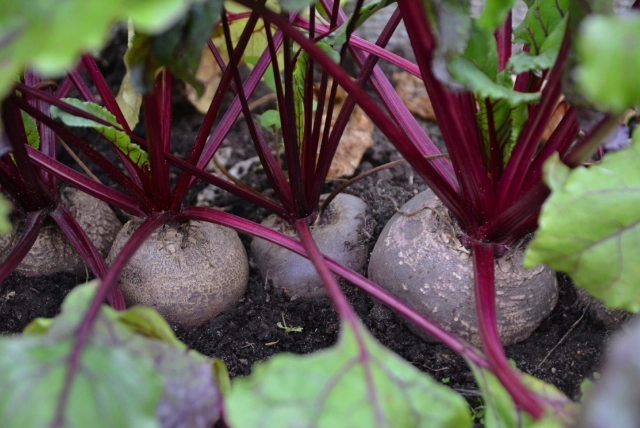
Can I grow beetroot in containers or raised beds?
Absolutely. In fact, containers and raised beds are fantastic for beetroot because you can perfectly control the soil mix. Use a pot at least 12 inches deep. Fill it with a good quality potting mix blended with some compost. Stick to round varieties or smaller cultivars. The key is consistent watering, as containers dry out faster. I've had great success with 'Little Ball' and 'Babybeat' in pots on a sunny patio.
Is it true you can grow beetroot from the top of a store-bought beet?
You can, but with a major caveat. The top will regrow leaves, which you can harvest for salads, but it will not grow a new, round, edible root. The plant's energy is spent. For a proper root harvest, you must start from seed. The regrown greens are a fun kitchen-window experiment, not a gardening method.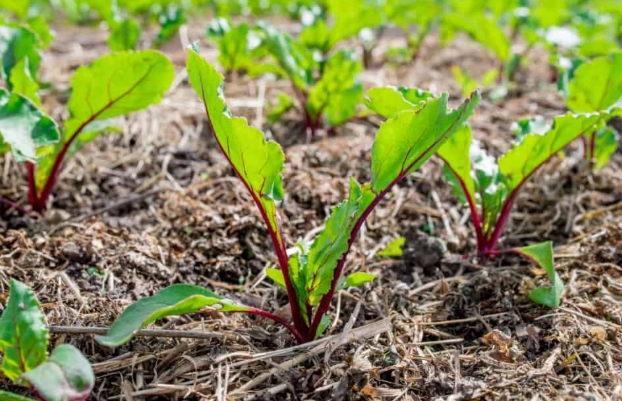
What's the best way to know when my beets are ready to harvest?
Ignore the days to maturity on the seed packet as a strict rule—it's a guideline. The best method is to gently brush away a little soil from the top of a root and peek at its shoulder. If it looks about the size you want (check the expected size for your variety), pull one as a test. Taste it. If it's sweet and tender, harvest the rest. If it's a bit small, give the bed another week and check again. Harvesting based on size and taste beats any calendar.
Growing beetroot is a simple joy. It teaches patience, the importance of good soil, and rewards you with a crop that's versatile in the kitchen—roasted, pickled, grated raw into salads. Start with a small patch, get the thinning right, and keep the water even. You'll be pulling up jewels from the earth in no time.
Reader Comments