Jump to What Matters
No, a cucumber is not a melon. I've seen this confusion pop up in gardening forums for years, and it often leads to mix-ups in planting and care. Let me break it down simply: both cucumbers and melons belong to the same plant family, Cucurbitaceae, but they're different genera. Cucumbers are in the Cucumis genus, while most melons like cantaloupe are in Cucumis melo. Think of them as cousins, not siblings.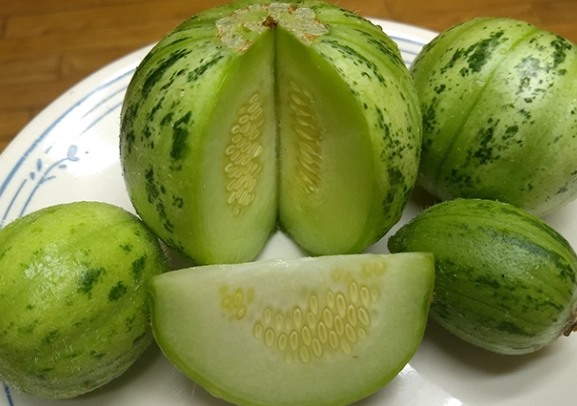
Why does this matter? If you treat them the same in your garden, you might end up with poor yields or pest problems. I learned this the hard way when I first started gardening—I planted cucumbers next to watermelons, assuming they'd thrive together. They didn't. The cucumbers got overshadowed, and the melons attracted more bugs.
The Botanical Truth: Cucumber vs. Melon
From a botanical standpoint, classification hinges on reproductive parts and genetic lineage. The Royal Botanic Gardens, Kew, lists cucumbers as Cucumis sativus and melons as Cucumis melo. They share traits like vine growth and fleshy fruits, but that's where similarities end.
Here's a nuance most beginners miss: cucumbers are often harvested immature for crispness, while melons are left to ripen fully for sweetness. This affects everything from watering schedules to fertilization.
I recall a visit to a local farm where the grower pointed out that cucumber flowers are mostly pistillate (female) in many varieties, requiring pollination, whereas some melons have perfect flowers. This small detail can impact your pollination strategy if you're relying on bees.
What Science Says
Genetic studies, like those referenced by the USDA Plants Database, show that cucumbers and melons diverged evolutionarily millions of years ago. They're not interchangeable in breeding programs without advanced techniques. For home gardeners, this means cross-pollination is rare but possible in tight spaces—something to watch for if you save seeds.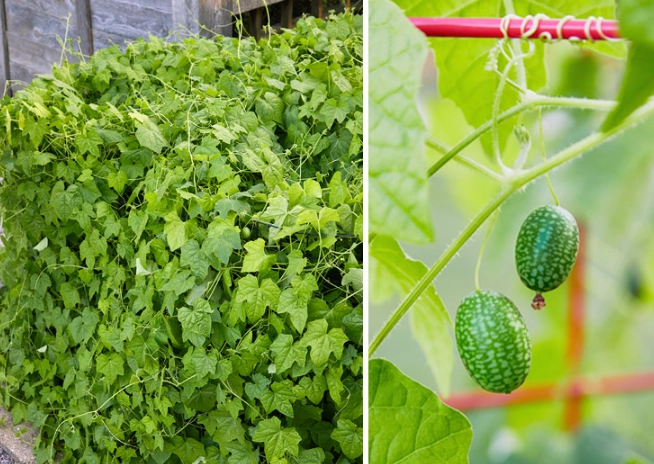
Key Differences in Growth and Use
Let's get practical. How do cucumbers and melons differ in your garden or kitchen? I've put together a comparison based on my decade of trial and error.
| Aspect | Cucumber | Melon (e.g., Cantaloupe) |
|---|---|---|
| Growth Habit | Fast-growing vine, often trellised | Sprawling vine, needs ground space |
| Harvest Time | 50-70 days, picked young | 70-100 days, fully ripe |
| Water Needs | Consistent moisture, avoid wet leaves | Deep watering, drought-tolerant later |
| Common Pests | Cucumber beetles, aphids | Squash bugs, powdery mildew |
| Culinary Use | Salads, pickling, raw crunch | Desserts, smoothies, sweet snacks |
Notice the harvest time difference? That's a big one. Cucumbers can be picked early for that fresh taste, but melons need patience. I've seen gardeners pull melons too early, ending up with bland fruit. Wait for the stem to slip easily—that's your cue.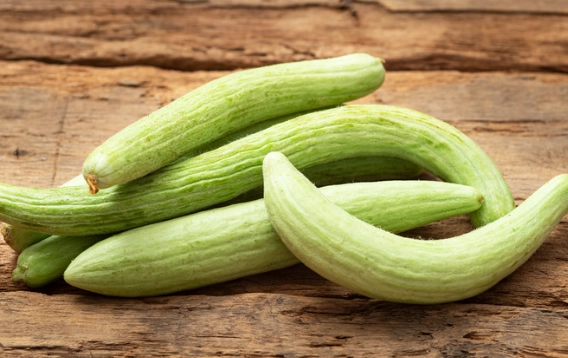
Another point: cucumbers are more cold-sensitive. In my experience, they bolt if temperatures drop suddenly, while melons can handle a bit more heat. Plant cucumbers after the last frost, but melons might need warmer soil.
Common Mistakes Gardeners Make
Over the years, I've noticed patterns in how people mess this up. It's not just about mislabeling; it's about care routines.
- Overwatering melons like cucumbers: Cucumbers love steady water, but melons develop deeper roots. Soggy soil can rot melon roots. I lost a cantaloupe patch once by watering daily—lesson learned.
- Using the same fertilizer: Cucumbers need more nitrogen for leaf growth, while melons benefit from phosphorus and potassium for fruit development. A balanced 10-10-10 might not cut it.
- Ignoring spacing: Cucumbers can climb, saving space, but melons sprawl. Crowding them leads to disease. Give melons at least 3 feet between plants.
A fellow gardener once told me she treated her watermelon like a cucumber, pruning heavily. Watermelons need those leaves for sugar production—pruning too much can stunt sweetness. I've made similar errors with honeydew, thinking I could train them vertically. It didn't work; the fruits got too heavy.
The Hybridization Myth
Some folks worry about cucumbers and melons cross-pollinating. In reality, it's extremely rare because they're different species. But if you're saving seeds, isolate them by at least half a mile to be safe. I've never seen a natural hybrid in my garden, but I keep varieties separate just in case.
Expert Tips for Growing Both
Based on my hands-on experience, here's how to succeed with cucumbers and melons in the same season without confusion.
Start with soil prep: Both prefer well-draining soil, but add compost for cucumbers and sand for melons to improve drainage. I test pH—cucumbers like 6.0-7.0, melons 6.0-6.5. A simple kit from a garden center works.
Timing is key: In my zone 7 garden, I plant cucumbers in early spring and melons a few weeks later when soil hits 70°F. Staggering helps manage pests. For example, cucumber beetles peak early, so by the time melons are vulnerable, the beetles might be gone.
Companion planting: I grow radishes near cucumbers to deter beetles, and marigolds near melons for nematode control. It's not foolproof, but it reduces chemical use.
One summer, I experimented with intercropping—cucumbers on a trellis with melons underneath. Bad idea. The melons didn't get enough sun. Now, I keep them in separate beds or at opposite ends of the garden.
Harvest cues: For cucumbers, pick when firm and about 6-8 inches long. For melons, look for color change and a sweet smell. I tap melons—a hollow sound means ripe. With cucumbers, waiting too long makes them bitter.
Your Questions Answered
Wrapping up, remember that cucumbers and melons are distinct in botany and practice. Understanding this saves time and boosts your garden's success. For more details, refer to resources like the USDA Plants Database or local extension services—they offer region-specific advice I rely on.
Got more questions? Drop them in the comments below. I've been gardening for over a decade, and I'm still learning new twists on these plants every season.
Reader Comments