Let's be honest. Most okra watering advice you find online is frustratingly vague. "Water deeply." "Keep the soil moist." What does that even mean? After growing okra for over a decade and making every mistake in the book, I can tell you the difference between a harvest of tough, woody pods and a continuous supply of tender, finger-sized gems comes down to one thing: mastering how and when you deliver water.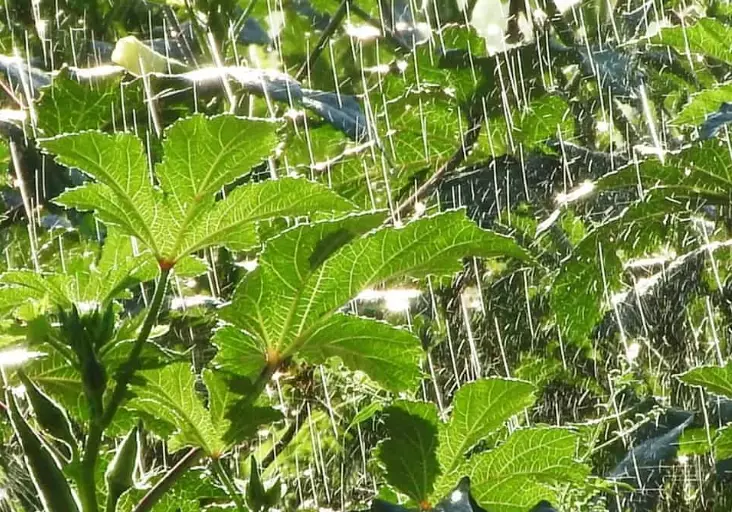
I've seen plants drown from kindness and others wither from neglect, all while following "general" watering rules. Okra isn't like your tomatoes or cucumbers. It has a unique personality—drought-tolerant yet thirsty for big growth. Getting its watering right isn't complicated, but it requires ditching some common garden myths.
What's Inside This Guide
How Often Should You Water Okra? (Forget the "Once a Week" Rule)
Throw out the calendar-based schedule. Watering okra every Tuesday because it's Tuesday is a recipe for failure. The true frequency depends on a dance between your soil, the weather, and the plant's stage of life.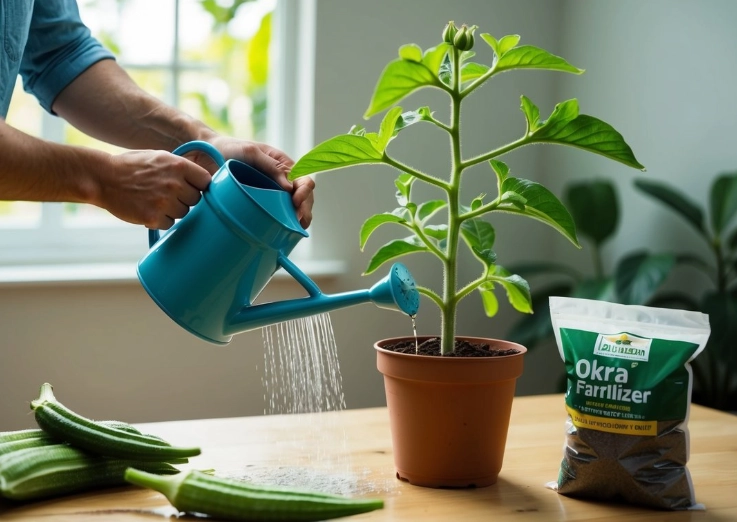
Here’s the core principle: Okra prefers a cycle of deep watering followed by a period where the top few inches of soil can dry out. This encourages those famous taproots to dive deep, making the plant resilient and productive.
The Golden Rule: Check the Soil, Not the Sky
Before you even turn on the hose, do this: stick your finger into the soil near the base of your okra plant, down to about your second knuckle (roughly 2 inches). What do you feel?
- If it feels moist or cool: Walk away. Do not water. Seriously.
- If it feels dry and crumbly: It's time for a deep drink.
This simple test is more reliable than any app or guesswork. In hot, sandy soil, this might mean watering every 3-4 days. In cooler weather or clay soil, it could stretch to 5-7 days.
How to Water Okra: The Deep Soak Method That Actually Works
"Water deeply" sounds good, but how much water is "deep"? For established okra plants, you want to encourage roots to go down 12-18 inches. A light sprinkling won't cut it.
The Goal: Deliver water slowly and directly to the root zone, minimizing waste and wet foliage (which can invite disease).
My Preferred Tools:
- A soaker hose snaked along the base of the plants. Turn it on low for 45-60 minutes. This mimics a slow, soaking rain.
- Drip irrigation with emitters at each plant. Even better for water conservation.
- A watering wand with a gentle shower head, if you must water by hand. Hold it at the base of each plant and count to 30-40 slowly. Move on to the next.
Please, avoid overhead sprinklers in the evening. You'll soak the leaves, and overnight moisture is a party invitation for fungal diseases like powdery mildew.
Spotting Trouble: Signs of Overwatering and Underwatering
Okra talks. You just have to learn its language. Here’s how to tell if you're giving it too much love or not enough.
| Symptom | Likely Cause (Overwatering) | Likely Cause (Underwatering) | What to Do Immediately |
|---|---|---|---|
| Yellowing leaves, starting with lower, older leaves. | Very common. Roots are suffocating. | Possible, but less common. Usually affects newer growth first. | Stop watering. Let soil dry out thoroughly. Check drainage. |
| Wilting during the heat of the day but perking up at night. | Not typical. This is classic heat stress/transpiration. | Very likely. Plant can't pull up water fast enough. | Check soil moisture. If dry, water deeply in the early morning. |
| Wilting that doesn't recover in the evening or morning. | Classic sign. Roots are rotten and can't take up water. | Severe, prolonged drought. | For overwatering: plant may be a loss. For underwatering: a deep, slow soak might save it. |
| Stunted growth and few to no flowers/pods. | Yes. Energy goes to surviving, not producing. | Yes. Plant is in survival mode. | Correct watering schedule and ensure full sun (8+ hours). |
| Brown, mushy spots on stems near soil line. | Red flag for stem rot. Direct result of wet soil. | No. | Remove affected plants to prevent spread. Improve soil drainage. |
One subtle sign of underwatering I rarely see mentioned: the pods become tough and fibrous extremely quickly, sometimes within a day of reaching harvest size. The plant is conserving resources.
Adjusting Your Watering Through the Season
Your okra's thirst changes from planting to frost. A static schedule fails here.
Stage 1: Seedlings & Young Plants (First 3-4 Weeks)
This is the most critical time for consistent moisture. Their root systems are tiny and vulnerable. Keep the top 1-2 inches of soil lightly moist, but not soggy. A light daily sprinkle might be needed in hot, windy weather until they establish.
Stage 2: Vegetative Growth & Flowering (Mid-Season)
As plants shoot up and start flowering, switch to the deep-soak method. This is when building deep roots pays off. Water when the top 2 inches are dry. Pod production is directly linked to consistent moisture at this stage.
Stage 3: Peak Harvest (Summer Heat)
This is maximum water demand. High temperatures and rapid pod production are thirsty work. You might be deep-watering every 3-4 days. Mulch is your absolute best friend here to lock in that moisture.
Stage 4: Late Season (Cooling Temps)
As growth slows and nights cool, reduce frequency. Overwatering in late summer is a common way to trigger root rot as the plant's water needs drop but your watering habit continues.
Pro Tips to Save Water and Boost Your Harvest
These aren't just tips; they're game-changers based on hard-learned lessons.
Mulch Like Your Harvest Depends On It (It Does): A 2-3 inch layer of straw, shredded leaves, or wood chips around your plants is non-negotiable. It keeps soil cool, suppresses weeds that compete for water, and dramatically reduces evaporation. I've cut my watering frequency by nearly half with a good mulch layer.
The Best Time of Day is Morning: Water before 10 AM. This gives leaves time to dry, reduces evaporation loss from sun and wind, and ensures plants are hydrated before the day's heat hits.
Improve Your Soil, Not Just Your Watering Can: This is the ultimate hack. Amend your planting bed with several inches of compost or well-rotted manure before planting. Organic matter acts like a sponge, holding moisture and making it available to roots. Sandy soil drains too fast, clay holds water too long. Compost fixes both. Resources from the University of California's Master Gardener program consistently highlight soil amendment as the foundation of water-wise gardening.
Listen to the Plant, Not the Forecast: A predicted 90-degree day might make you want to water, but if your soil finger-test says it's still moist from two days ago, hold off. Conversely, a cool, cloudy week might mean you don't water at all.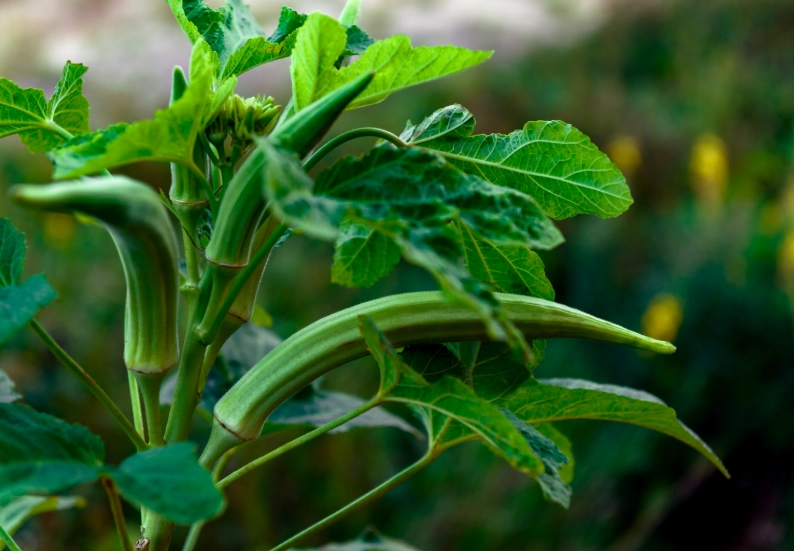
Your Okra Watering Questions, Answered
Getting okra watering right feels less like following a strict rule and more like learning a rhythm. Pay attention to the soil, watch the weather, and listen to what the plants tell you. Start with a deep soak when the top two inches are dry, mulch heavily, and water in the morning. Do those three things, and you'll have avoided 90% of the common problems.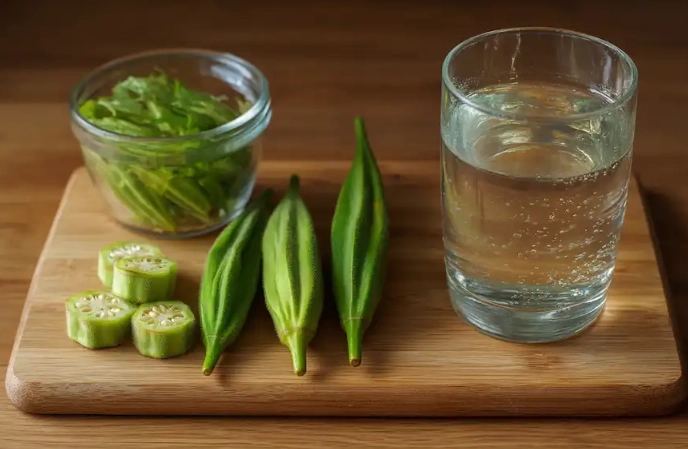
The reward is a seemingly endless supply of tender pods for frying, pickling, and gumbo, right up until the first frost. It's worth getting the water right.
Reader Comments