Let's be honest. You've probably heard summer squash is easy to grow. And in many ways, it is. But "easy" can be misleading. I've seen too many gardeners end up with giant, beautiful plants that produce exactly two sad-looking zucchinis before succumbing to powdery mildew or vine borers. After over a decade of growing everything from classic zucchini to pattypan and crookneck squash, I've learned that the difference between a decent harvest and an overwhelming, basket-filling abundance lies in a handful of specific, often overlooked details. This guide is about those details. We're going beyond the basic "plant in full sun" advice and diving into the nitty-gritty of soil temperature, pollination tricks, and organic pest warfare that actually works.
What You'll Learn in This Guide
Planning and Planting: Timing and Setup Are Everything
The biggest mistake? Planting too early. Summer squash seeds will simply rot in cold, wet soil. Forget the last frost date for a moment. The real magic number is soil temperature. Your soil needs to be consistently at least 60°F (15.5°C), and 70°F (21°C) is even better for fast germination. I stick a simple meat thermometer a few inches into the soil to check. If it's too cold, wait a week.
Location is next. You need full, direct sun – at least 6 to 8 hours. Less than that and you're inviting weak growth and disease. Now, about space. Those seed packet spacings? They're often the minimum. Squash plants are solar panels with leaves. Crowding them is asking for trouble with air circulation and pest management. Give bush varieties at least 3 feet apart in all directions. Vining types need 4 to 6 feet.
Choosing Your Summer Squash Variety
It's not just green zucchini. The variety you choose changes the game.
| Variety | Type | Key Characteristics & Best For |
|---|---|---|
| 'Black Beauty' Zucchini | Bush | The classic. Reliable, dark green, prolific. A workhorse for any garden. |
| 'Sunburst' Pattypan | Bush | Bright yellow, scalloped flying saucers. Mild, buttery flavor. Great for grilling whole. |
| 'Yellow Crookneck' | Bush | Classic curved neck, creamy yellow skin. Slightly denser flesh than zucchini. |
| 'Tromboncino' | Vining | Long, curved fruits. Can be eaten young like summer squash or left to harden like winter squash. Resistant to vine borers. |
| 'Costata Romanesco' | Bush | Italian heirloom with ribbed, pale green fruits. Incredibly flavorful, less watery. My personal favorite for taste. |
If you're short on space, stick to bush varieties. If you have a fence or trellis, try a vining type like Tromboncino – it saves space and has built-in pest resistance.
How to Plant Summer Squash Seeds Correctly
You can start seeds indoors 3-4 weeks before your last frost, but I mostly direct sow. Squash roots are sensitive to disturbance. Here's my direct-sow method:
First, prepare the soil. They love rich, well-draining soil. I dig a hole about a foot wide and deep for each planting spot. I mix in a few handfuls of finished compost and a light sprinkle of an all-purpose organic fertilizer (like a 5-5-5). This creates a nutrient-rich pocket for the young roots.
Now, the planting trick most people get wrong: depth and orientation. Plant 2 to 3 seeds per spot. Don't just drop them in. Place each seed on its side, not flat. This helps prevent the seed from rotting. Cover with about 1 inch of soil. Pat it down gently and water well. Keep the soil moist but not soggy until they sprout, which takes 7-14 days.
Once the seedlings have their first true leaves, thin to the strongest one per hill. Don't pull the extras—you might damage the keeper's roots. Snip them off at soil level with scissors.
Summer Squash Plant Care and Maintenance
Your plants are up. Now the real work—or rather, the strategic oversight—begins.
Watering: Deep and Infrequent is the Rule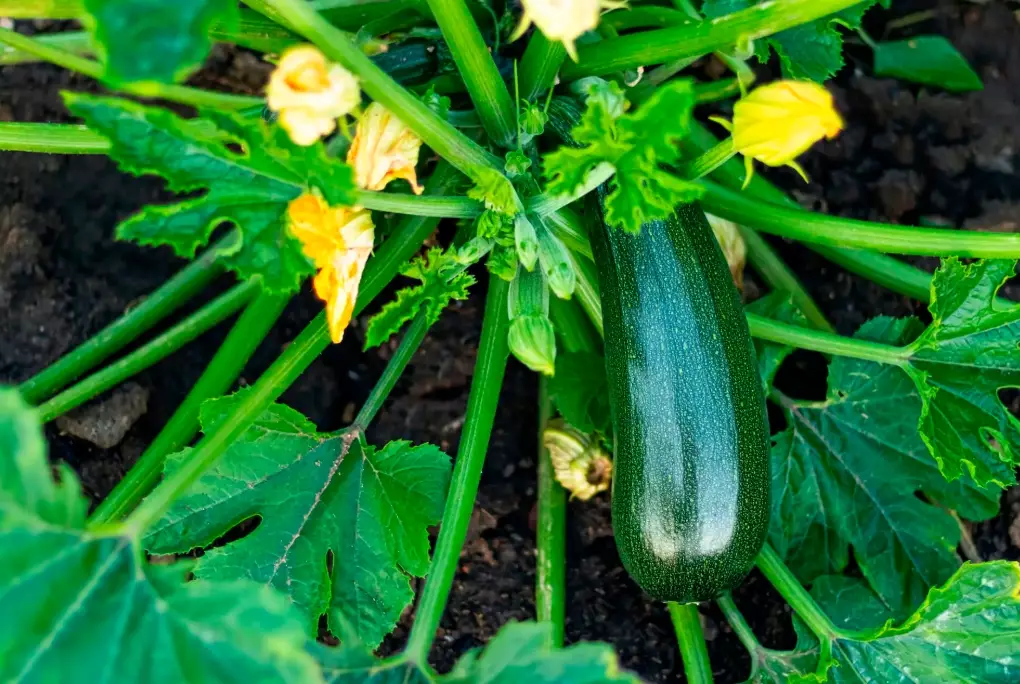
Overhead watering is a recipe for powdery mildew. You want to water the soil, not the leaves. Use a soaker hose or water carefully at the base of the plant. Squash need about 1-2 inches of water per week. It's better to give one or two deep soakings than daily light sprinkles. This encourages deep roots that can handle dry spells. A 2-3 inch layer of straw or shredded leaves mulch is a game-changer. It keeps soil moisture even, suppresses weeds, and prevents soil from splashing onto leaves (which can spread disease).
Feeding for Maximum Yield
These are heavy feeders, especially once they start fruiting. That initial compost in the planting hole gets them started. When the plants begin to flower, give them a boost. I side-dress with compost or use a liquid organic fertilizer higher in phosphorus (the middle number, like a 2-8-4 fish emulsion) to encourage flowering and fruiting. Do this every 3-4 weeks during the main growing season.
A non-consensus point here: Go easy on high-nitrogen fertilizers once flowering starts. Too much nitrogen gives you a gorgeous, giant, leafy bush with very few fruits. It's all leaves, no action.
Dealing with Squash Pests and Diseases (The Organic Way)
This is where most gardeners panic. Let's break it down.
Squash Vine Borers: The #1 killer. You'll see sudden wilting of a healthy vine and find sawdust-like frass at the base. The larva is inside the stem. Prevention is everything. As soon as vines start to run, wrap the lower 6-12 inches of stem with aluminum foil or use floating row covers until flowering (then remove for pollination). If you see an entry hole, you can try a careful surgery with a razor blade to remove the grub, then bury the wounded stem section in soil. It's a last-ditch effort. Planting a second crop in early July often misses the main borer flight period.
Squash Bugs: They suck the life out of leaves. Check the undersides of leaves for their copper-colored egg clusters and scrape them off. Hand-pick adults and nymphs and drop them into soapy water. A board placed near the plants makes a great trap—they'll congregate underneath it overnight.
Powdery Mildew: The white powder on leaves. It's almost inevitable later in the season. Improve air circulation, avoid wet leaves, and plant resistant varieties. At the first sign, spray with a homemade mix of 1 tablespoon baking soda, 1/2 teaspoon liquid soap, and 1 gallon of water. Neem oil can also help. The goal is to manage it, not necessarily eliminate it.
When and How to Harvest Summer Squash
Here's the secret to non-stop production: harvest young and harvest often. The more you pick, the more the plant produces. If you let a zucchini turn into a baseball bat, the plant thinks its job is done and slows down.
Most summer squash are best when 6 to 8 inches long (or 3-4 inches across for pattypan). The skin should be tender enough to pierce easily with your thumbnail. Use a sharp knife or pruners to cut the fruit from the stem; don't twist or tear it. Check your plants every other day during peak season. I'm not kidding. You can go on a 3-day vacation and come back to marrows.
What to do with the inevitable giants? They're not great for sautéing, but they're perfect for zucchini bread, muffins, or shredded and frozen for winter soups.
Your Summer Squash Questions, Answered
 Why are the leaves of my squash plant turning yellow?
Reader Comments