Let's talk about growing vegetables in grow bags. If you're picturing a few sad plants in flimsy sacks, you're in for a surprise. I've been gardening in containers for over a decade, and switching a large portion of my patio garden to fabric grow bags was a game-changer. They solved problems I didn't even know I had with traditional pots. Whether you have a tiny balcony, a paved backyard, or just terrible native soil, vegetable container gardening with grow bags is a legitimately fantastic way to grow your own food.
The best part? It's forgiving. You control the environment from the ground up—literally. No more battling clay or rocks. But to get it right, you need to know more than just "fill bag with dirt." There are nuances that separate a thriving harvest from a disappointing one.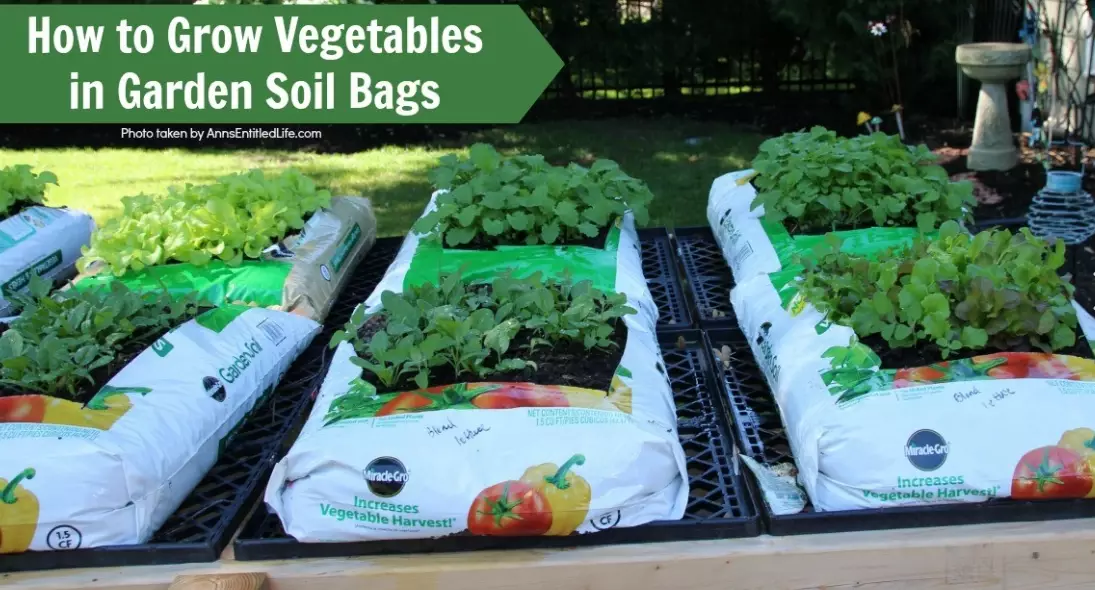
What You'll Find in This Guide
Why Grow Bags Beat Traditional Pots for Vegetables
Everyone talks about the portability and cost. Those are real benefits—you can move a 10-gallon bag of tomatoes to catch more sun, and bags are cheaper than ceramic pots. But the magic is in the roots.
Grow bags, especially fabric ones, promote something called "air pruning." When a root tip reaches the porous fabric wall, it's exposed to air. Instead of circling endlessly like it would in a plastic pot (which can lead to a root-bound, stressed plant), the tip dries and stops growing. This signals the plant to send out new lateral root branches back into the soil. The result is a dense, fibrous root system that looks like a healthy beard, not a tangled mess. More roots mean better nutrient uptake and a sturdier, more productive plant.
Then there's drainage. Overwatering is the number one killer of container plants. Grow bags drain excess water from all sides, preventing soggy soil and root rot. In heavy rain, my plastic pots sometimes sit in puddles for days. My grow bags? They're fine within hours.
A nuance most guides miss: This superior drainage is a double-edged sword in hot, dry climates. Fabric bags can dry out very quickly. In my first Arizona summer, I lost a couple of pepper plants because I stuck to a "water every other day" schedule. In peak heat, they needed water twice a day. The solution isn't to avoid bags, but to choose larger volumes (more soil holds more moisture) and be vigilant.
They also prevent soil overheating better than dark plastic pots. The fabric breathes, allowing heat to dissipate. I've measured soil temperatures on a 95°F day: a black plastic pot was over 100°F at the root zone, while the same soil in a tan grow bag was 15 degrees cooler. Roots cook above 85°F—that's a big deal.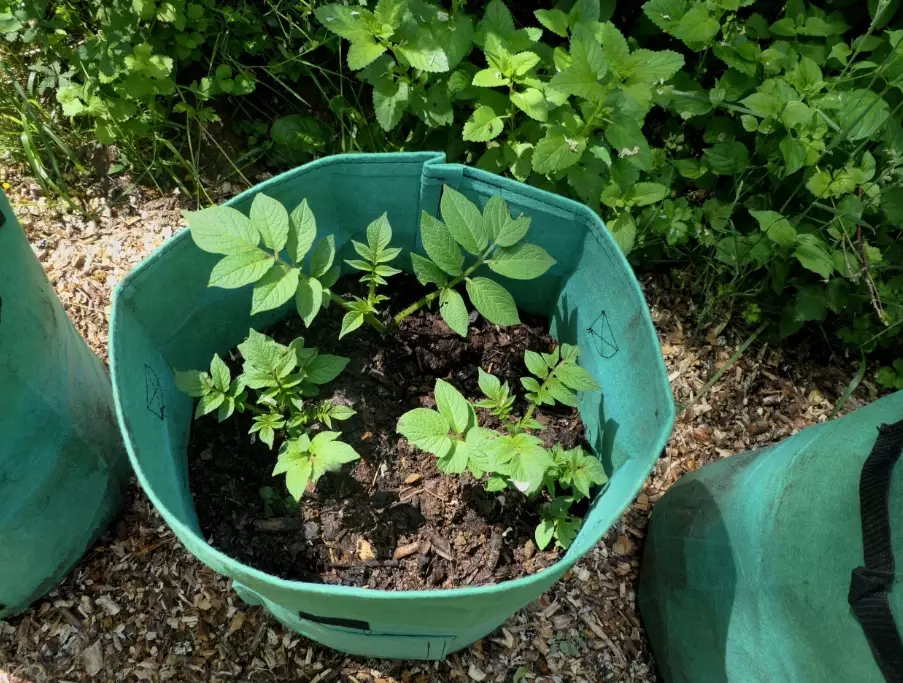
How to Choose the Right Grow Bag
Not all grow bags are created equal. Walk into a garden center or browse online, and you'll see a confusing array. Here’s the breakdown you need.
Material Matters: Fabric, Plastic, or Canvas?
| Material | Best For | Watch Out For |
|---|---|---|
| Non-Woven Fabric (Polypropylene) | Most vegetables. Excellent air pruning and drainage. Lightweight. | Can degrade in 3-5 years of full sun. Cheaper brands feel thin. |
| Reinforced Plastic / "Smart Pots" | Longevity. Often more rigid, with handles that won't tear. | Less breathable than fabric. Drainage holes only on bottom/sides. |
| Canvas / Burlap | Aesthetic, natural look. Very sturdy. | Heavy when wet. Can mold if kept constantly damp. Most expensive. |
My workhorse is the 5-10 gallon non-woven fabric bag. For deep-rooters like tomatoes, I go 15 gallons. I've had some cheap ones fall apart after two seasons, while my brand-name ones are on season four. You get what you pay for.
Size is Everything: Matching Plant to Volume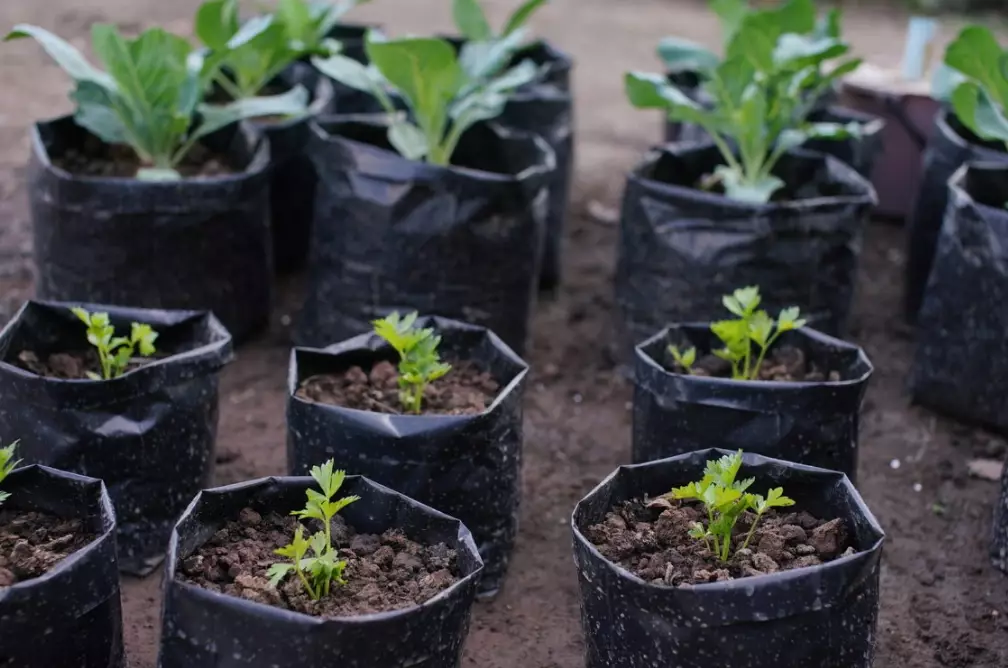
This is where people mess up. A tiny bag for a big plant equals constant watering and stunted growth.
- 5-Gallon Bags: Peppers, bush beans, dwarf tomatoes, kale, Swiss chard, herbs (basil, rosemary). One plant per bag.
- 7-10 Gallon Bags: Indeterminate (vining) tomatoes, cucumbers, zucchini, eggplant. The sweet spot for most large veggies.
- 15-20+ Gallon Bags: Small fruit trees (dwarf citrus), artichokes, multiple companion plants (like lettuce around a tomato).
For leafy greens like lettuce and spinach, you can use wider, shallower bags and plant multiple in one. They don't need deep root runs.
Pro Tip: When in doubt, go bigger. A 10-gallon bag is only marginally more expensive than a 7-gallon, but it gives your plant a much larger buffer against drying out and nutrient depletion. It makes your life easier.
Setting Up Your Grow Bag for Success
You can't just shovel garden soil into a bag. Here's the setup I've refined over years.
Step 1: Location. Most vegetables need 6-8 hours of direct sun. Place your bags where they'll get it. Put them on feet, a plant caddy, or at least on pavers. This ensures the bottom drainage holes aren't blocked, which is critical.
Step 2: The Soil Mix. This is the engine of your grow bag garden. Garden soil is too dense. Pure potting mix can dry into a hydrophobic brick. You need a blend.
My go-to recipe, which I mix in a wheelbarrow:
- 60% High-quality potting mix (look for one with coco coir or peat, perlite, and some compost).
- 30% Finished compost or worm castings (for nutrients and microbial life).
- 10% Coarse perlite or vermiculite (for extra aeration and moisture retention).
Some experts, like those from university extension services, recommend similar soilless mixes for containers to ensure proper drainage and weight. Don't skip the extra perlite—it makes a visible difference in root health.
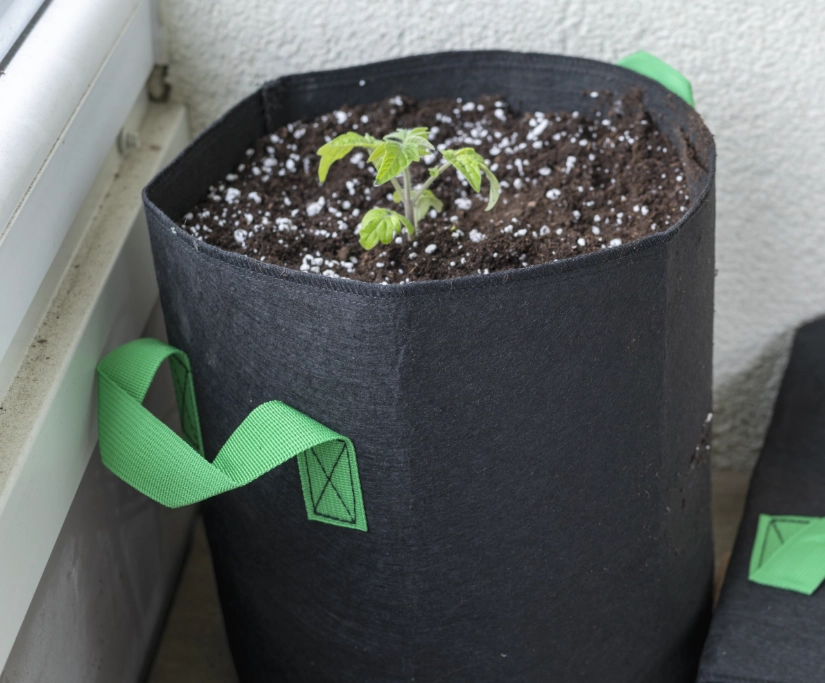
Step 3: Filling and Planting. Moisten your soil mix before filling—it's easier to work with. Fill the bag, leaving about 2 inches from the top. Gently firm the soil, don't pack it. Plant your seedling at the same depth it was in its nursery pot. For tomatoes, you can bury the stem deeper. Water thoroughly after planting to settle the soil around the roots.
Planting and Ongoing Care: The Real Work
Grow bags don't garden themselves. Their porous nature changes the care routine.
Watering: Forget a fixed schedule. Stick your finger 2 inches into the soil. If it's dry, water. In summer, this might be daily. Water slowly until it runs freely from the bottom and sides. A drip irrigation system on a timer is a fantastic investment for grow bag gardens.
Feeding: Because you water so frequently, nutrients wash out (this is called leaching). You must fertilize regularly. I use a balanced, water-soluble organic fertilizer every 10-14 days during the growing season. A slow-release granular fertilizer mixed into the top inch of soil at planting gives a good baseline.
Support: Top-heavy plants like tomatoes and cucumbers will tip a grow bag over. Insert tall, sturdy stakes or a tomato cage at planting time, not later when roots are established. Push it all the way to the bottom of the bag.
The Top 5 Vegetables for Grow Bags (And Why They Thrive)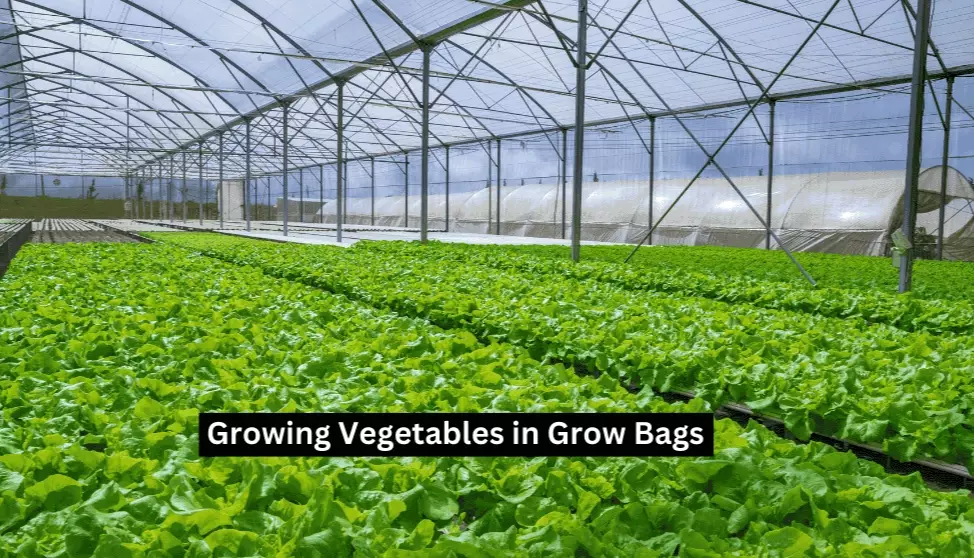
Some vegetables are just made for this. Based on yield, space efficiency, and reliability, here are my top performers.
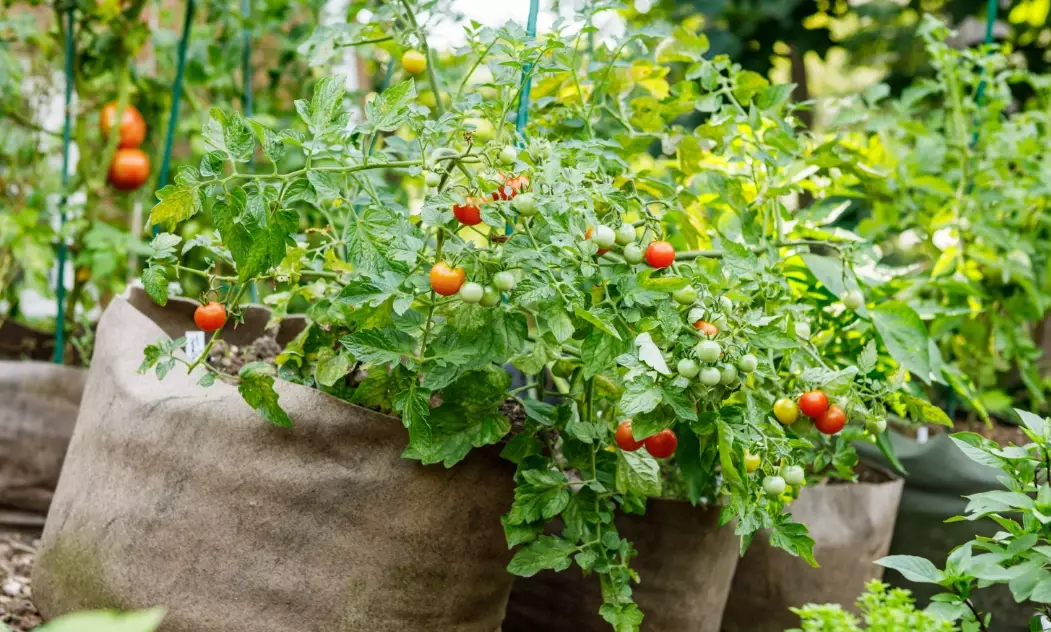
1. Tomatoes: The classic for a reason. The air-pruned roots prevent blossom end rot (often linked to poor calcium uptake from erratic watering) better than pots. Use a 10-15 gallon bag and a strong support. Cherry tomatoes are especially prolific.
2. Peppers (Bell & Hot): They love the warm, well-drained soil. A 5-gallon bag is perfect for one plant. I get more peppers from my bag-grown plants than my in-ground ones because the soil heats up faster in spring.
3. Leafy Greens (Lettuce, Kale, Spinach): Fast-growing and shallow-rooted. You can do succession planting—harvest one head, plant another. A wide, 5-gallon bag can support 4-6 lettuce plants. They appreciate the consistent moisture without waterlogging.
4. Carrots: This is a sleeper hit. In loose, stone-free bag soil, carrots grow long and straight without forking. Choose shorter varieties like 'Nantes' for standard bags, or get a deeper "root pouch" bag.
5. Potatoes: The ultimate grow bag vegetable. You can "hill" easily by adding more soil as the plants grow. At harvest, just tip the bag over—no digging. Special potato grow bags often have a side flap for easy checking.
Honorable mentions: Bush beans, zucchini (one plant per large bag!), and all herbs.
Your Grow Bag Questions, Answered
Reader Comments