Let's get straight to the point. The best time to plant asparagus is in early spring, as soon as the ground is workable. But if you stop reading there, you'll miss the nuances that separate a decent patch from an incredible one that feeds you for 20 years. I've seen too many gardeners get the date right but everything else wrong.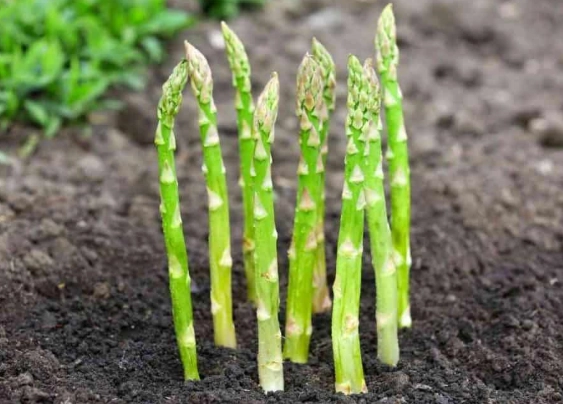
Timing isn't just about a calendar. It's about soil temperature, plant physiology, and a multi-year commitment. Get it right, and you're a hero every April. Get it wrong, and you're staring at a weedy, underperforming bed for a decade.
What's Inside This Guide
Why Getting the Timing Right is Crucial
Asparagus isn't a lettuce. You can't just rip it out and try again next month. It's a perennial powerhouse. The crown you plant this spring is the same organism you'll be harvesting from in 2030. The initial establishment phase is everything.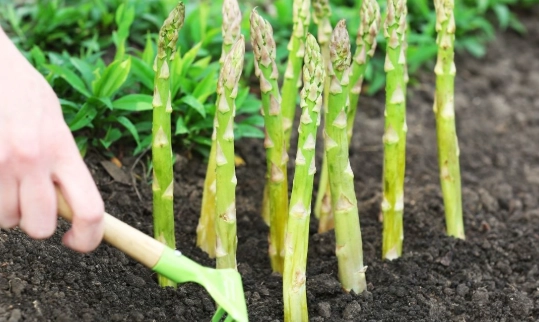
Plant too early in cold, soggy soil, and the crowns rot. I made this mistake early on, trusting a warm February week. The crowns turned to mush. Plant too late, when temperatures are already soaring, and the young ferns struggle with heat stress before they've built a robust root system. They'll survive, but they'll start life with a handicap.
The goal is to hit that sweet spot where the soil is warm enough for root growth (around 50°F or 10°C) but the air is still cool, giving the plant a long, gentle period to focus entirely on building its underground empire before the summer heat arrives.
What Really Determines Your Planting Time
Forget the national gardening magazine date. Your schedule depends on two things: your climate and your soil.
1. Your USDA Hardiness Zone (Or Local Equivalent)
This is your starting framework. Here's a breakdown based on major climate types:
| Climate / Zone Range | Ideal Planting Window | Key Consideration |
|---|---|---|
| Cold Winters (Zones 3-5) | Late April to Late May | Wait for frost to leave the ground and soil to dry from snowmelt. Don't rush. |
| Moderate Winters (Zones 6-7) | Mid-March to Mid-April | The classic spring window. Soil warms reliably during this period. |
| Mild Winters (Zones 8-9) | February to Early March | You can plant earliest, but ensure crowns get enough chill hours if required by variety. |
| Very Warm (Zone 10+) | Fall or Very Early Spring | Spring heat comes fast. Fall planting allows establishment in cooler weather. |
I'm in zone 6b. My target is always the first week of April. Some years it's perfect. Some years it's still a mud pit. Which leads to the real-world test...
2. The Soil Readiness Test
This overrules the calendar every time. Go to your garden bed. Grab a handful of soil from about 4 inches down. Squeeze it.
- If water drips out or it forms a slick, tight ball: Too wet. Wait. Working wet soil destroys its structure.
- If it crumbles easily and feels cool, not cold: It's workable. This is your green light.
- If it's dusty and dry: Unlikely in early spring, but if so, water the area well a day before planting.
Also, feel the soil temperature. If it's still frigid to the touch, give it another week. Resources from universities like Michigan State University Extension emphasize soil temperature as a key biological trigger for root growth.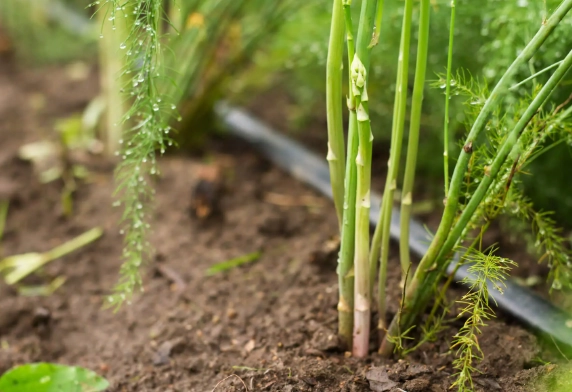
Your Pre-Planting Checklist (Don't Skip This)
You've got your date. Now, do this work before your asparagus crowns arrive in the mail. Most failures happen because of rushed soil prep.
1. The Bed: Location is a 20-Year Decision.
Full sun. Non-negotiable. At least 8 hours. Also, pick a spot at the edge of your garden where it won't be disturbed. No tilling nearby for years.
2. Soil Prep: Go Deep or Go Home.
Asparagus roots dive deep. You need to loosen and enrich the soil down to at least 12-15 inches. I double-dig my beds. It's hard work, but it's a one-time investment. Remove all perennial weeds (especially grasses) as you go. Mix in a massive amount of compost—think a 4-inch layer over the whole bed, worked in deeply.
3. pH is Everything.
Asparagus loves sweet soil, a pH of 6.5 to 7.5. Most gardens are too acidic. Test your soil. If you need to raise the pH, incorporate garden lime into the bed weeks before planting. This can't be fixed later around established roots.
4. Crown Selection: The Variety Matters.
Don't just buy "asparagus."
'Jersey' series (Knight, Supreme, Giant): All-male hybrids. No energy wasted on seeds, so they produce more spears. My top recommendation for most gardeners.
'Mary Washington': The old reliable heirloom. Tried and true, but produces both male and female plants (females make red berries).
'Purple Passion': Tender, sweet purple spears. Less productive than green types but a fun addition. Plant it as a bonus, not your main crop.
Order 1-year-old crowns from a reputable nursery. They look like creepy octopuses. That's normal.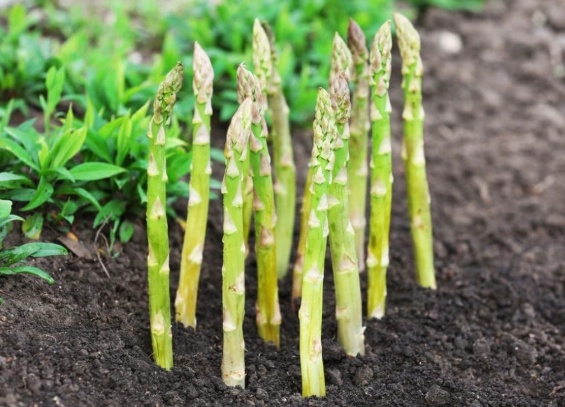
Step-by-Step Planting: The Day-Of Process
Your crowns arrive, the bed is ready, the soil is perfect. It's go time.
- Soak the crowns in lukewarm water for 15-30 minutes before planting. Don't leave them soaking for hours.
- Dig a trench. This is the classic method. Make it 8-12 inches deep and about 12 inches wide. The spacing depends on your variety, but generally, keep crowns 12-18 inches apart in the row, with rows 3-4 feet apart.
- Create a mound. Down the center of your trench, make a long, low mound of loose soil/compost mix.
- Place the crowns. Drape the roots over the mound like a spider sitting on a hill. The bud (the pointy end) should be facing up. The top of the crown should be about 6 inches below the eventual soil surface.
- Cover lightly. Initially, cover the crowns with just 2-3 inches of soil. Water well.
Here's the trick most guides miss: Don't fill the trench all the way yet. As the spears grow and turn into ferns over the summer, gradually backfill the trench with more soil/compost mix. By the end of the season, the trench should be level. This gradual method helps prevent crown rot and supports the growing plant.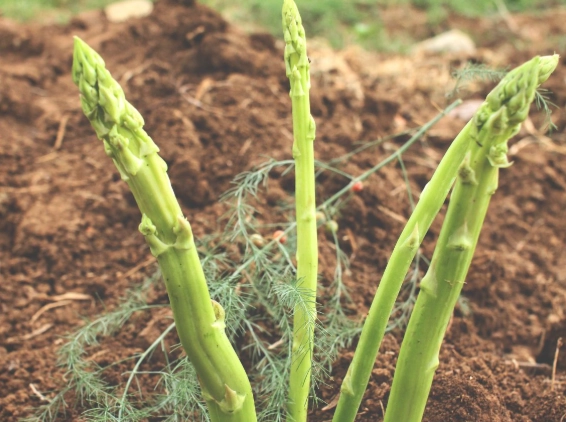
The Critical First-Year Care Schedule
You planted it. Now you ignore it, right? Wrong. The first year sets the trajectory.
- Spring/Summer: Keep the bed consistently moist, not soggy. A thick layer of straw or shredded leaf mulch is your best friend—it conserves moisture and smothers weeds. Weeds are the number one competitor for your young asparagus.
- Biggest Mistake I See: Fertilizing with high-nitrogen fertilizer. It encourages weak, ferny top growth at the expense of the roots. Use a balanced organic fertilizer or just rely on your rich compost.
- Fall: After the first hard frost, the ferns will turn yellow/brown. Do not cut them down yet. Let them stand over winter. They trap snow, which insulates the crowns and provides moisture.
- Late Winter (Year 2): Now you can cut the dead fern stalks down to ground level and compost them.
When Will You Finally Harvest? The Timeline
This is the test of patience. Resist all temptation.
Year 1 (The Planting Year): NO HARVESTING. Let every spear grow into a tall fern.
Year 2: You might see a thicker crop. Still, NO HARVESTING. Maybe, just maybe, if the plant is incredibly vigorous, you can take one or two spears per plant over a 2-week period. But I don't recommend it. The goal is still root building.
Year 3: Finally! Your first harvest season. Harvest spears for 4-6 weeks in the spring. Then stop, let the remaining spears fern out, and feed the plant for next year.
Year 4+: Full harvest! You can now harvest for 8-10 weeks each spring, until the spear diameter starts to thin. Then stop, let the ferns grow, and repeat the cycle.
Your Asparagus Questions, Answered
Can I grow asparagus from seed instead of crowns?
Technically yes, but I strongly advise against it for home gardeners. Asparagus grown from seed adds an extra 2-3 years before you can harvest a single spear. You're essentially tending to a tiny fern for years with no payoff. Crowns give you a massive head start. The only reason to use seeds is if you're a commercial grower breeding a specific trait or absolutely cannot find a desired variety as crowns.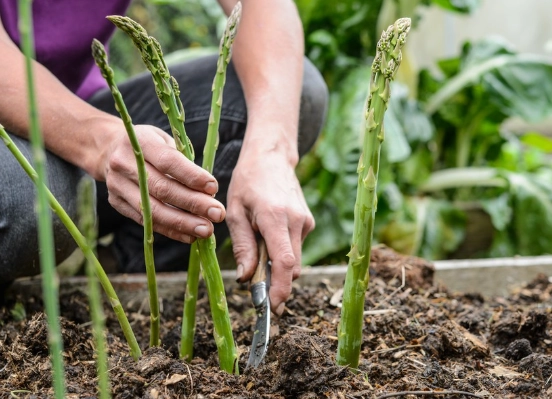
How deep should I really plant asparagus crowns?
Most guides say 6-8 inches. That's the safe answer. But in my heavy clay soil, I plant them at a shallow 4-5 inches initially. I backfill only halfway at first. As the ferns grow over the summer, I gradually add more soil and compost. This method, sometimes called "trenching," prevents the crowns from rotting in wet soil while they're establishing. It's a subtle adjustment that makes a huge difference in poorly draining areas.
I missed spring planting. Can I plant asparagus in the fall?
It's a risky gamble, not a plan. Fall planting only works in very mild winter climates (USDA zones 8-9) where the ground doesn't freeze. The goal is for roots to establish before top growth. In most areas, fall-planted crowns will either heave out of the ground during freeze-thaw cycles or rot over a cold, wet winter. If you missed spring, order your crowns in advance and wait. Store them in slightly damp peat moss in the fridge if they arrive early, but aim for that ideal spring window.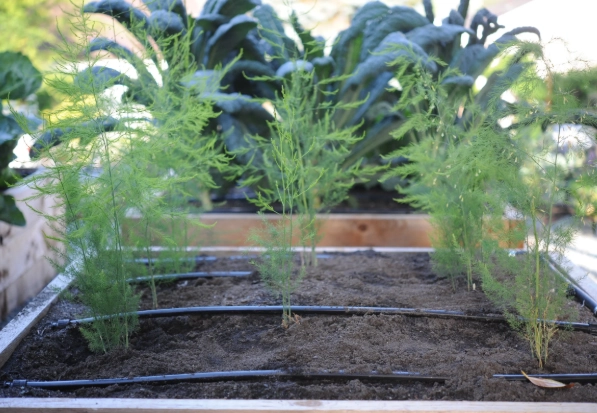
Why can't I harvest my asparagus in the first year?
It's about building the engine, not using it. That first year, every spear that emerges is a solar panel for the crown's root system (the crown). Cutting spears steals energy. Letting them grow into tall, feathery ferns sends carbohydrates down to the roots, building reserves for next year's crop. Harvesting too early creates a weak plant that may never recover. Think of it as a mandatory investment period for decades of returns.
The question "when do you plant asparagus" is really the start of a longer conversation. It's about committing to a process, respecting the plant's timeline, and preparing for a reward that compounds over the years. It's not the fastest crop, but it's arguably the most loyal. Put in the work this spring, follow the timeline, and you'll be rewarded with the true taste of spring for decades to come. There's nothing quite like walking out to your own patch in April and snapping off those first, perfect spears.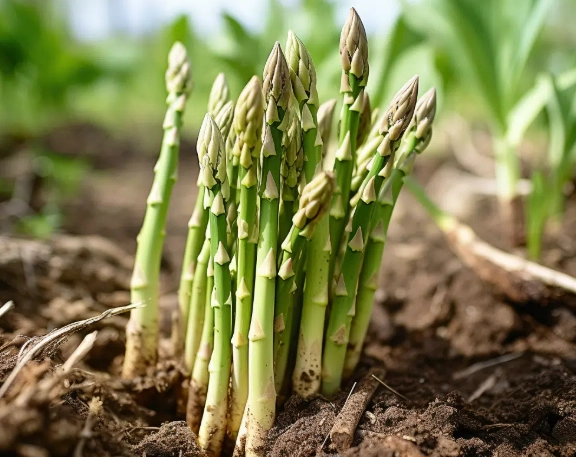
Reader Comments