What You'll Learn
I still remember my first attempt at harvesting leaf lettuce. It was a sunny afternoon, and I got overexcited—I yanked a handful of leaves, tearing the whole plant from the soil. The result? A sad, wilted mess that never regrew. That mistake taught me more than any gardening book ever could. Harvesting leaf lettuce isn't just about picking leaves; it's about timing, technique, and a bit of patience. If you want a continuous supply of crisp greens from your garden, you need to get this right. Let's dive into the nitty-gritty.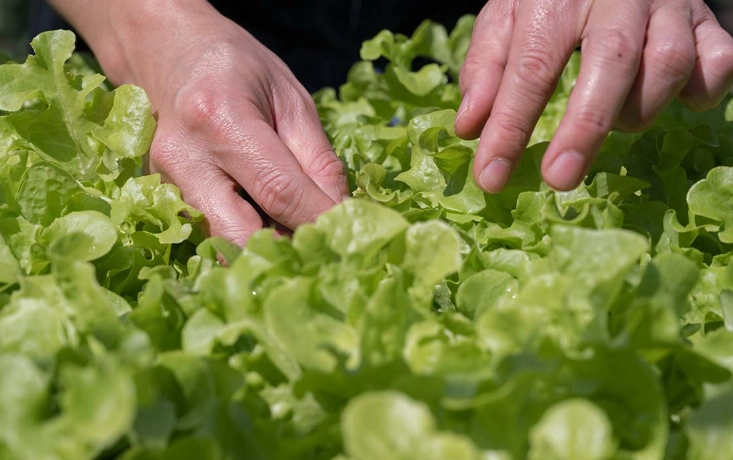
Why Harvesting Leaf Lettuce Correctly Matters
Most beginners think harvesting is the easy part. Grab and go, right? Wrong. Do it poorly, and you'll kill the plant or end up with bitter, tough leaves. Leaf lettuce, unlike head lettuce, is designed for multiple harvests. Varieties like Black Seeded Simpson or Oakleaf are cut-and-come-again champions. Harvest correctly, and you can get 4-6 weeks of fresh salad from one planting. Mess it up, and you're back to square one.
Here's the kicker: proper harvesting boosts yield and flavor. When you snip leaves at the right time, the plant focuses energy on regrowing tender new leaves. But if you harvest too late or too aggressively, it stresses the plant, leading to bolting—that's when it shoots up a flower stalk and turns bitter. I've seen gardens where lettuce bolts early because of rough harvesting. It's a common but avoidable error.
When is the Best Time to Harvest Leaf Lettuce?
Timing is everything. Get this wrong, and your lettuce will wilt before it hits the kitchen.
Morning vs. Evening Harvest
Always harvest in the morning, ideally between 7 AM and 10 AM. Why? Overnight, plants recharge with moisture, making leaves crisp and full. By mid-day, heat can cause wilting. Evening harvests are risky—plants might be dehydrated from the sun. I tried harvesting at 5 PM once; the leaves were limp and lost that fresh crunch. Morning harvests store better too.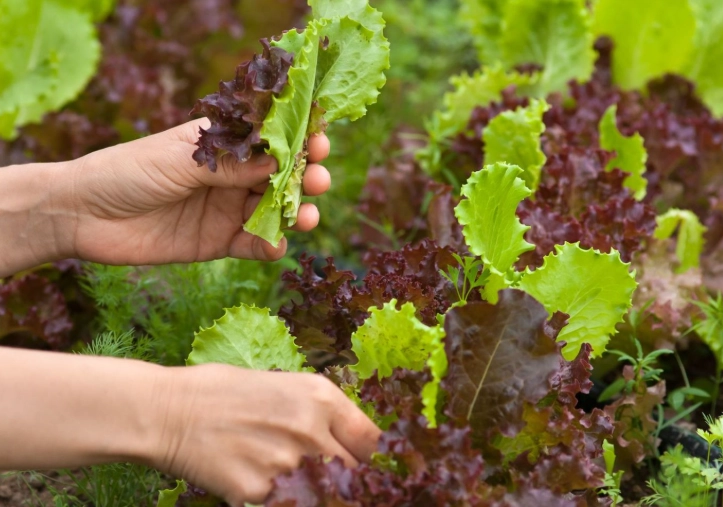
Signs of Readiness
Don't just guess. Look for these cues:
- Leaf size: Outer leaves should be 4-6 inches long, depending on the variety. For baby greens, harvest earlier at 2-3 inches.
- Color and texture: Leaves should be vibrant green (or red for varieties like Lollo Rosso) and firm to the touch. Avoid yellowing or slimy spots.
- Plant maturity: Most leaf lettuce is ready 30-45 days after planting. Check seed packets for specifics.
If you see a central stalk starting to form, harvest immediately—that's bolting, and flavor declines fast.
Step-by-Step Guide: How to Harvest Leaf Lettuce
Here's my go-to method, refined after years of trial and error. It works for most leaf lettuce types.
The Cut-and-Come-Again Method
This is the gold standard for continuous harvests. Follow these steps:
Step 1: Inspect the plant. Look for the outermost leaves that are mature but not old. They should be the largest ones near the base.
Step 2: Use sharp tools. I prefer scissors or a small knife. Dull tools crush stems, inviting disease. Sterilize with rubbing alcohol if you've used them on other plants.
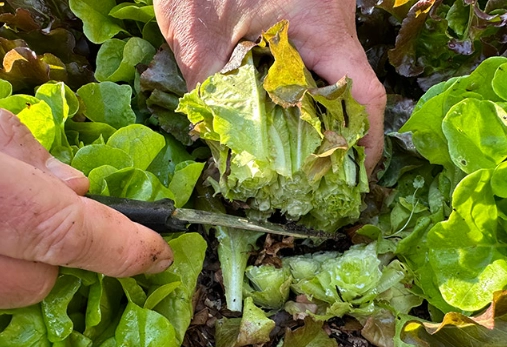
Step 3: Snip carefully. Cut the leaf stem about 1-2 inches above the soil line. Aim for a clean cut at an angle. Never pull or tear—that damages the crown where new growth emerges.
Step 4: Limit your take. Harvest no more than one-third of the plant at once. For a young plant, start with just a few leaves. This reduces shock and encourages faster regrowth.
Step 5: Wait and repeat. Allow 5-7 days between harvests. New leaves will sprout from the center. In warm weather, regrowth is faster; in cool weather, it might take longer.
Full Head Harvest
If you prefer harvesting the whole plant at once, wait until it's full-sized but before bolting. Use a knife to cut the entire head at the base, about half an inch above the soil. Some varieties might regrow a smaller head if roots are left intact, but it's less reliable.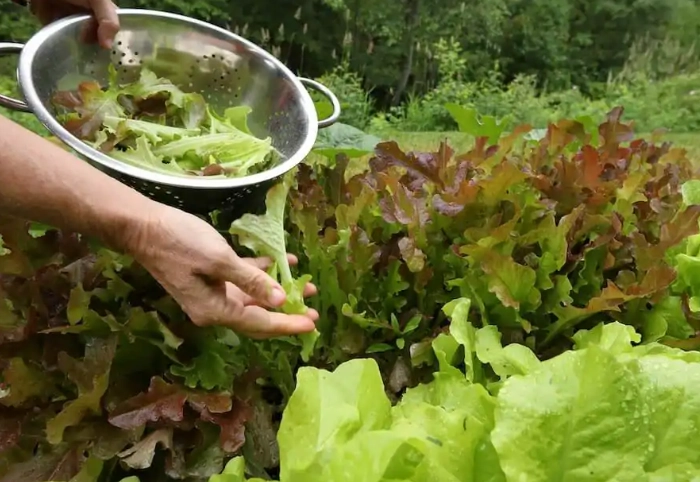
I use this method when I need a large batch for a salad party. But for daily salads, cut-and-come-again is unbeatable.
Tools You'll Need for the Job
You don't need fancy gear. Here's what I recommend:
- Sharp scissors or garden snips: Bypass pruners work well. Avoid anvil pruners—they can crush delicate stems.
- A small knife: For precise cuts, especially with thicker stems.
- A basket or container: Use something shallow to avoid crushing leaves. I line mine with a damp cloth to keep lettuce fresh during harvest.
- Gloves (optional): If you have sensitive skin or want to keep hands clean.
Clean tools after each use to prevent spreading diseases. A quick wipe with alcohol does the trick.
Common Mistakes and How to Avoid Them
I've made most of these errors, so learn from my blunders.
Mistake 1: Harvesting too early. Taking leaves before they're 4 inches long stresses the plant. Wait until they're mature enough to support regrowth.
Mistake 2: Overharvesting. Greed kills. Taking more than one-third of the leaves at once slows recovery. I did this once, and the plant just gave up—no new growth for weeks.
Mistake 3: Using dull or dirty tools. Crushed stems rot, inviting pests. Sharpen blades regularly and sanitize.
Mistake 4: Ignoring weather. Don't harvest in rain or extreme heat. Wet leaves spoil faster; hot harvests lead to wilting.
Mistake 5: Not rotating harvests. If you have multiple plants, harvest from different ones each time. This spreads the stress and ensures a steady supply.
A pro tip: If you accidentally damage the crown, don't panic. Trim any ragged edges and water lightly. Sometimes the plant recovers, but it's a gamble.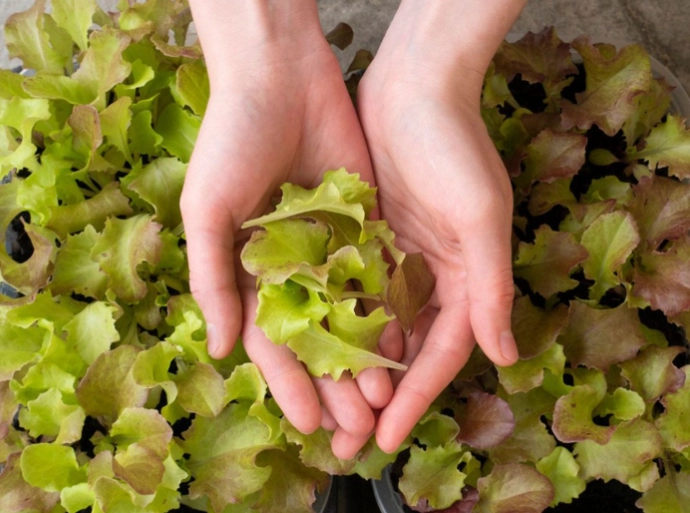
After Harvest: Storing and Using Your Lettuce
Harvesting is half the battle; storing right keeps it fresh.
Immediate steps: Rinse leaves gently in cool water to remove dirt. Use a salad spinner to dry thoroughly—wet lettuce molds fast. I've lost batches to moisture because I got lazy with drying.
Storage: Place dry leaves in a breathable container or plastic bag with a paper towel to absorb excess moisture. Store in the fridge's crisper drawer. It lasts 5-7 days this way.
Using your harvest: Fresh leaf lettuce is perfect for salads, sandwiches, or wraps. If leaves are slightly wilted, revive them in ice water for 10 minutes. For bolted lettuce, try sautéing or adding to soups—the bitterness mellows when cooked.
I love making a simple salad with my home-harvested lettuce, olive oil, and a squeeze of lemon. Nothing beats the flavor.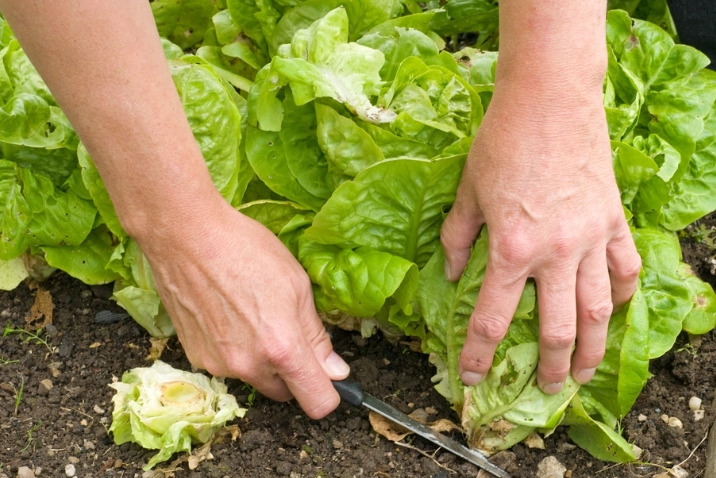
Frequently Asked Questions
Reader Comments