Let's talk about bed gardens. You've seen the pictures—neat, productive, gorgeous plots that seem to defy the messiness of nature. Maybe you have a bare patch of lawn, a tired old flower bed, or just a few containers on a balcony. The dream is the same: to grow your own food, flowers, or a bit of both. But where do you start? The sheer number of bed garden ideas out there can be paralyzing.
I've been building and planting beds for over a decade, in tiny city yards and larger suburban plots. I've made every mistake in the book (using untreated pine that rotted in two years, planting zucchini way too close together, underestimating rabbits). This guide cuts through the noise. We'll move from the absolute fundamentals—what a bed garden even is—to creative layouts and planting schemes you can adapt for your space. Forget generic lists. This is about building a garden that works for you.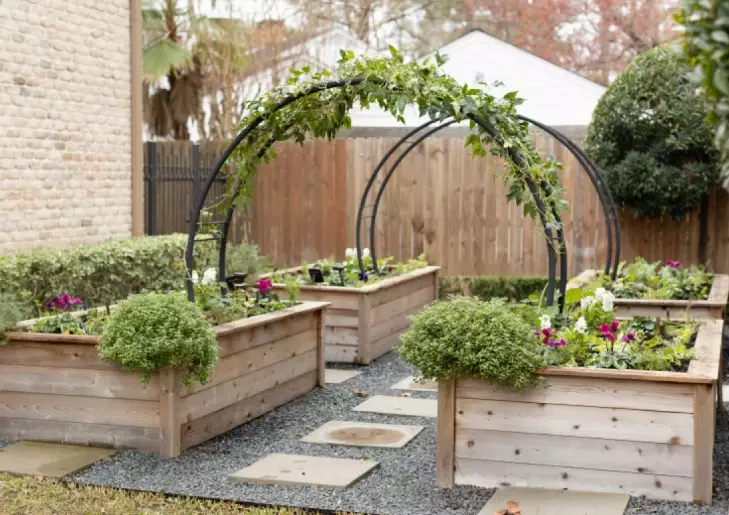
What's Inside This Guide?
What Exactly is a Bed Garden?
It sounds basic, but clarifying this saves a lot of confusion. A bed garden isn't just any garden. It's a defined, cultivated area separate from pathways or lawn. The soil inside the bed is improved, never walked on, and dedicated to plants.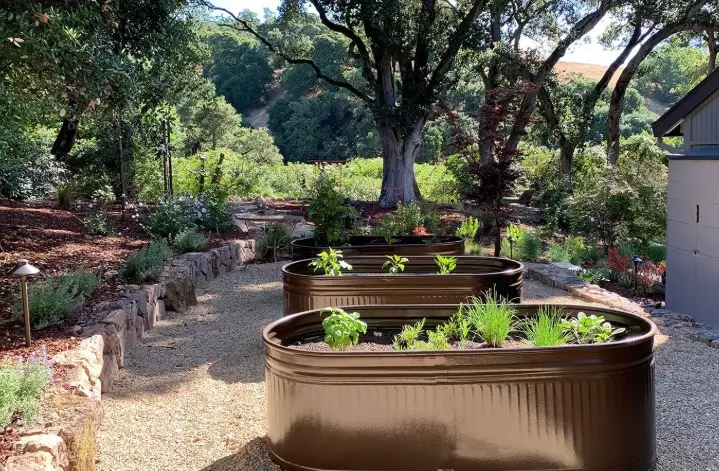
The classic image is a raised bed—a frame holding soil above ground level. But a bed can also be a sunken bed (great for dry climates), a mounded row (a simple ridge of soil), or even a collection of large containers arranged together. The core principle is separation and dedicated care.
How to Plan Your Bed Garden Layout
Jumping straight to Pinterest for pretty pictures is a trap. First, answer these practical questions. Grab a notebook.
1. The Sun Audit: This is non-negotiable. Most vegetables and many flowers need at least 6 hours of direct sun. Watch your space for a full day. Where does the sun hit longest? That's your prime real estate. Partial shade (3-6 hours) limits you to leafy greens and some herbs.
2. Size and Shape: Here's the expert mistake I see constantly: beds built too wide. If you can't comfortably reach the center from either side, you'll compact the soil trying. Keep beds between 3 to 4 feet wide. Length is flexible, but very long beds feel unwieldy.
Shapes influence feel and function:
| Shape | Best For | Considerations |
|---|---|---|
| Rectangle | Efficient use of space, easy to build, classic vegetable plot. | Can look utilitarian. Break up with vertical elements. |
| Square/Grid | Small spaces, formal potager gardens, square foot gardening method. | Requires precise planning. Paths take up more relative space. |
| Keyhole | Maximizing planting area, creating a focal point. The central path accesses a circular bed. | Building the curved wall is more complex. Weeding the center can be tricky. |
| Freeform/Curved | Blending into landscape, cottage gardens, softening hard edges. | Harder to edge and mow around. May waste some space. |
3. Pathway Planning: Don't skimp on paths. They're your workspace. Aim for at least 18-24 inches wide. For wheelbarrow access, go for 3 feet. Use mulch, gravel, or pavers to keep them mud-free and suppress weeds.
I once helped a friend redesign her garden. She had three long, skinny beds with tiny grass paths between them. Weeding was a nightmare, and she couldn't get her wheelbarrow through. We merged two beds into one wider one, widened the main path with wood chips, and her gardening time—and enjoyment—doubled instantly.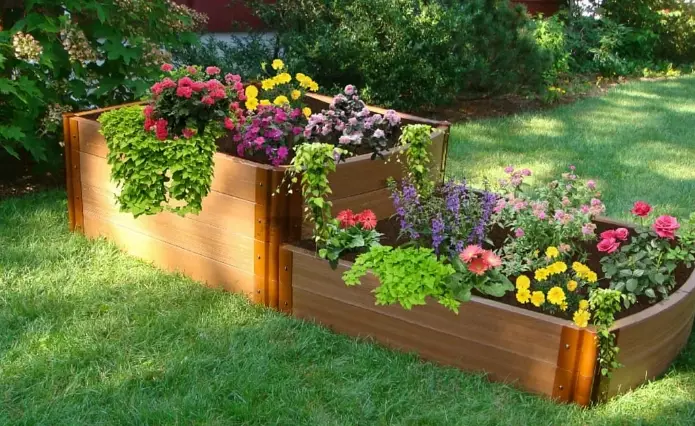
Creative Bed Garden Ideas to Spark Your Imagination
Now for the fun part. Let's move beyond "a box for tomatoes." Think about your goal.
The Productive Powerhouse (Vegetable-Focused)
This is about maximum yield in a clean, organized system.
- The Salad Bar Bed: Dedicate one bed to continuous salad. Plant rows or blocks of lettuce (mix types), radishes, scallions, and carrots. Succession plant every 2-3 weeks. Add a teepee for snap peas.
- The "Three Sisters" Bed: A brilliant Native American companion planting method. Corn provides a stalk for pole beans to climb. The beans fix nitrogen in the soil. Squash plants spread below, shading out weeds with their broad leaves. It's a complete ecosystem in one bed.
- The Pizza Bed: A family favorite. Grow all your pizza toppings: tomatoes, basil, oregano, onions, bell peppers, and maybe some chili peppers for spice. It makes harvesting for Friday night pizza a ritual.
The Eye-Catching Mix (Flower & Ornamental)
Who says food can't be beautiful? Or that flowers can't be useful?
- The Pollinator Paradise Bed: Pack it with flowers that bloom in sequence. Start with early-blooming borage and calendula, move to coreopsis and echinacea in mid-summer, and finish with sedum and asters. You'll support bees and butterflies all season.
- The Cottage-Style Cutting Garden: Grow flowers specifically for bouquets. Prioritize long-stemmed, repeat bloomers like zinnias, cosmos, dahlias, and snapdragons. Plant in clumps, not single-file rows, for a lush, overflowing look.
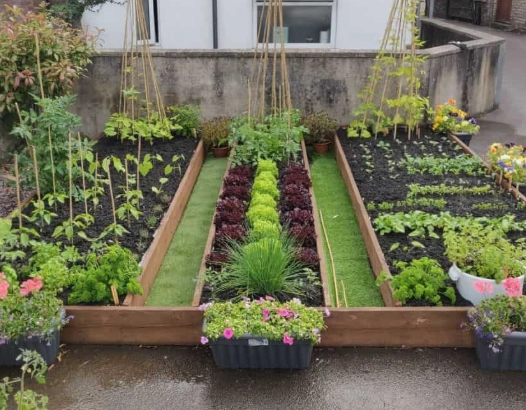
- Edible Landscaping Bed: Use food plants as ornamentals. Rainbow chard has stunning red and yellow stems. Purple basil or variegated sage add color. Artichokes have dramatic, silvery foliage. This bed proves productive can be pretty.
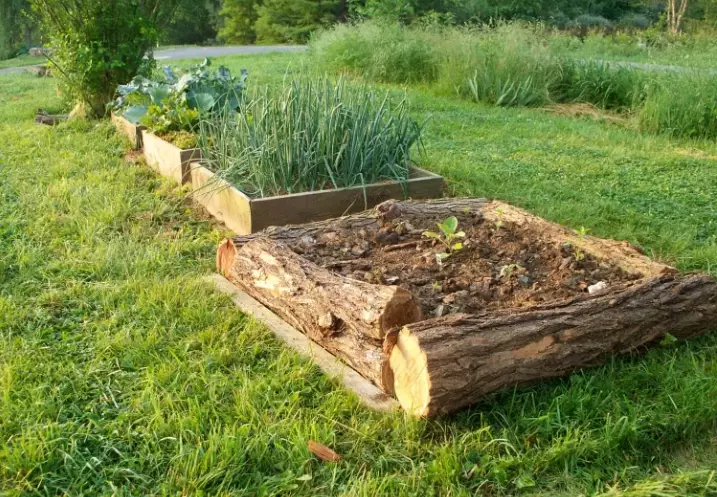
Solutions for Tricky Spots
Limited space? Poor soil? We've got ideas.
Vertical Bed Gardens: Use trellises, arches, or obelisks on the north side of a bed to grow cucumbers, pole beans, or Malabar spinach. It adds height and saves ground space.
Container Cluster Beds: Group large pots (think half-barrels or 20-gallon fabric pots) together. Treat the group as a single bed, planting complementary things in each container. Perfect for patios, decks, or terrible native soil.
The Nuts and Bolts: Building and Planting Your Bed
You have a plan. Let's build it.
Step 1: Material Choice. For raised beds, cedar and redwood are naturally rot-resistant but pricey. Composite lumber lasts forever but costs more upfront. Avoid treated wood that may leach chemicals into your soil (old pressure-treated wood contained arsenic; modern stuff is debated—I avoid it for food). Concrete blocks or stone are durable and great for thermal mass. For a quick, cheap start? Old pallets (ensure they're heat-treated, not chemically treated, marked HT) can be disassembled for boards.
Step 2: Site Prep. Clear grass and weeds. You can lay cardboard down to smother them—it's free and effective. Don't bother tilling unless you have serious compaction.
Step 3: The Soil. This is where you invest. A bad soil mix will haunt you. Don't just shovel in dirt from your yard. A classic, reliable recipe is known as Mel's Mix from the Square Foot Gardening method: 1/3 blended compost, 1/3 peat moss or coconut coir, 1/3 coarse vermiculite. It's light, fertile, and drains perfectly. If that's too pricey, aim for a 50/50 blend of high-quality topsoil and compost. Your local garden center's bulk delivery is often the best value.
Step 4: Planting Strategy. Think in layers and time. Plant tall things (corn, trellised peas) on the north side so they don't shade shorter plants. Use interplanting: quick-growing radishes between slow-growing broccoli. Practice succession planting: when your spring peas are done, pull them and plant bush beans. The bed is never empty.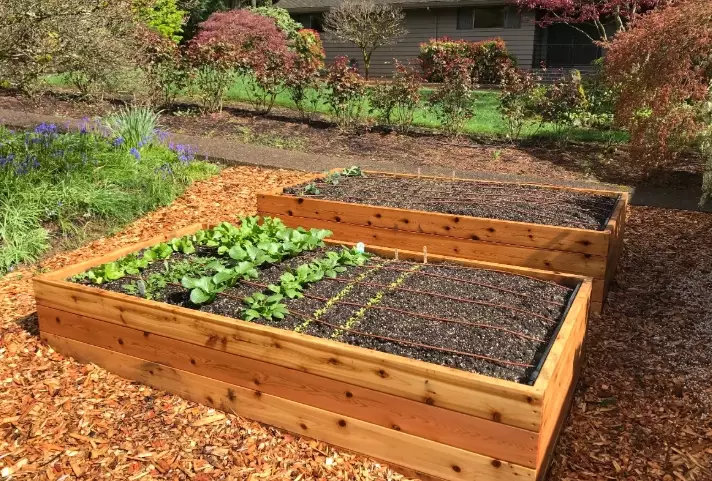
Keeping Your Garden Going: Maintenance Tips
A bed garden is lower maintenance, but not no-maintenance.
Watering: Beds, especially raised ones, drain fast and dry out quicker than in-ground soil. A soaker hose or drip irrigation system on a timer is the single best upgrade for busy gardeners. It saves water and time.
Feeding: You started with great soil, but plants eat those nutrients. Top-dress with an inch of compost each spring. For heavy feeders like tomatoes, a side-dressing of organic fertilizer mid-season keeps them happy.
The Biggest Secret: Crop Rotation. Don't plant the same family of plants in the same spot year after year. It invites disease and depletes specific nutrients. A simple 4-bed rotation works: 1) Tomatoes/Peppers (Solanaceae), 2) Beans/Peas (Legumes), 3) Brassicas (Cabbage/Broccoli), 4) Roots & Onions. Rotate them each year.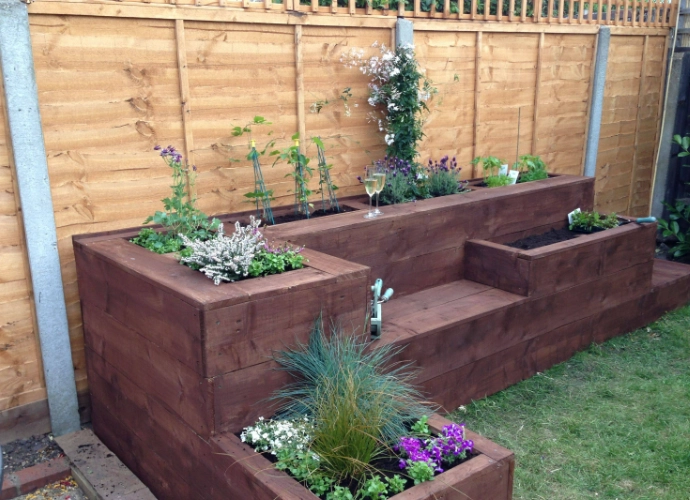
Your Bed Garden Questions Answered
What is the biggest mistake beginners make when planning a bed garden?
Can I have a successful vegetable bed garden in a shady spot?
How can I make my raised bed garden look more attractive and not just functional?
Is it worth buying expensive soil mix, or can I just use dirt from my yard?
Reader Comments