What You'll Find in This Guide
I remember the first time I tried cover crops. My garden soil was compacted, weeds were everywhere, and my tomatoes just wouldn't thrive. A friend suggested planting winter rye, and within months, the difference was stark. Cover crops aren't just a trend—they're a game-changer for any gardener dealing with tired soil or pest problems. In this guide, I'll walk you through everything based on my decade of trial and error, from picking the right plants to avoiding the mistakes most beginners make.
What Are Cover Crops and Why Use Them in Your Garden?
Cover crops are plants you grow not to harvest, but to improve your garden soil. Think of them as a green blanket that protects and nourishes the earth between your main crops. They've been used in agriculture for centuries, but home gardeners often overlook them. Why bother? Well, if you've ever struggled with erosion, low fertility, or stubborn weeds, cover crops can be your secret weapon.
I started using them after noticing my vegetable beds were losing topsoil every rainstorm. A quick fix? Not really—it requires planning, but the benefits add up fast.
Benefits of Cover Crops You Might Not Know
Most guides list the basics: soil improvement, weed suppression. But here's what they miss. Cover crops can break pest cycles. For instance, planting mustard in my brassica bed reduced cabbage worm issues because it confuses the pests. They also attract beneficial insects—clover brings in bees even when nothing else is blooming.
Another subtle benefit: moisture retention. During a dry spell last summer, my cover-cropped beds needed half as much watering as bare soil. That's because the plant roots create channels for water to seep deep, and the foliage shades the ground.
Choosing the Right Cover Crop for Your Garden
Picking a cover crop isn't one-size-fits-all. It depends on your garden's needs, season, and even your climate. I've seen folks grab whatever seed is cheap, only to end up with a mess. Let's break it down.
First, ask yourself: What's my main goal? Is it adding nitrogen, breaking up clay, or smothering weeds? For nitrogen fixation, legumes like clover or vetch are top choices. For weed control, grasses like rye or oats work better because they grow dense and fast.
Here's a table I wish I had when starting out. It compares common cover crops based on my experience and resources from the USDA Natural Resources Conservation Service (they have great guides on soil health).
>Terminates easily; just cut it down after 4-6 weeks.| Cover Crop | Best For | When to Plant | Key Tip |
|---|---|---|---|
| Crimson Clover | Adding nitrogen, attracting pollinators | Fall or early spring | Terminate before it seeds, or it'll self-sow aggressively. |
| Winter Rye | Weed suppression, erosion control | Late fall | It grows even in cold weather—great for overwintering. |
| Buckwheat | Quick growth, breaking up compacted soil | Summer | |
| Hairy Vetch | Nitrogen fixation, winter hardiness | Fall | Can be tough to terminate—use a mower or tiller. |
| Annual Ryegrass | Soil structure improvement | Fall or spring | Don't let it go to seed; it can become invasive. |
Notice how each has quirks. For example, buckwheat is my go-to for summer gaps—it grows so fast it outcompetes weeds, but it dies at first frost. If you're in a warm climate, consider sunn hemp, which I've used in Southern gardens to add organic matter quickly.
Pro tip: Mix cover crops for better results. I often combine clover and rye—the clover fixes nitrogen, while the rye holds soil and suppresses weeds. It's like a power duo for garden beds.
How to Plant and Manage Cover Crops: A Step-by-Step Guide
Planting cover crops isn't hard, but timing is everything. Here's a simple process I follow in my own garden, adapted for beginners.
Step 1: Prepare the soil. After harvesting your main crop, clear debris and lightly rake the soil. You don't need perfect tilth—just a smooth surface. I sometimes add a thin layer of compost if the soil is poor, but it's optional.
Step 2: Sow the seeds. Broadcast the seeds evenly by hand for small areas. For larger plots, a handheld spreader helps. Rates vary: for clover, about 1-2 pounds per 1000 square feet; for rye, 2-3 pounds. Don't bury them deep—just rake them in lightly or walk over the area to press them down. Water gently if it's dry.
Step 3: Let them grow. Cover crops need minimal care. I check weekly for pests, but they're usually resilient. In my experience, they thrive with neglect—just ensure they get sun and occasional rain.
Step 4: Terminate at the right time. This is where many fail. Termination means killing the cover crop before it sets seed. For grasses like rye, mow or till when they're 6-12 inches tall. For legumes, cut them back before flowering. I use a garden scythe for small beds; for larger ones, a mower works. If you're no-till, you can lay cardboard or mulch over them to smother.
Step 5: Incorporate into soil. After termination, let the debris decompose for 2-4 weeks before planting your next crop. This adds organic matter and nutrients. In my garden, I often plant directly into the residue for a no-till approach—it saves time and preserves soil structure.
When to Plant and Terminate: A Seasonal Breakdown
Timing depends on your zone. I'm in Zone 6, so here's my schedule:
- Fall: Plant winter rye or hairy vetch in late September. They overwinter and are terminated in spring before planting tomatoes or peppers.
- Spring: Plant oats or clover in early April. Terminate by early summer for warm-season crops.
- Summer: Use buckwheat between spring and fall plantings. It grows fast and can be terminated in 4-6 weeks.
If you're unsure, check your local extension office—they often have planting calendars tailored to your region.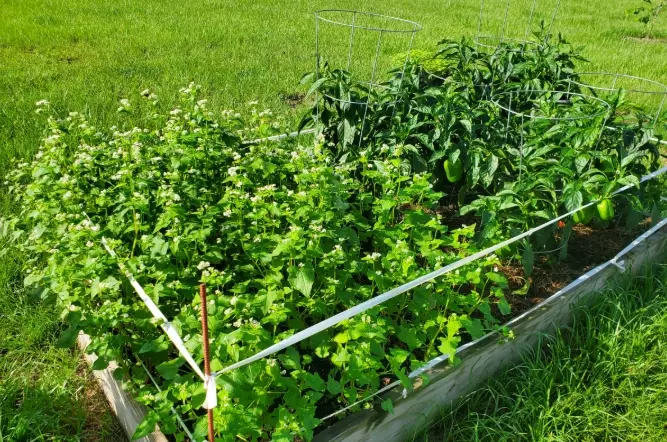
Common Pitfalls and How to Avoid Them
Even with the best intentions, things can go wrong. Here are mistakes I've made and seen others repeat, plus how to fix them.
Pitfall 1: Letting cover crops go to seed. This is the biggest blunder. Once they seed, they become weeds. I learned this the hard way with annual ryegrass—it took over my bed for two seasons. Solution: Monitor growth and terminate before flowering. Set a calendar reminder if needed.
Pitfall 2: Choosing the wrong crop for your soil. For example, planting clover in heavy clay without drainage can lead to rot. Instead, test your soil first or opt for tolerant crops like rye. A simple pH test kit from a garden center helps.
Pitfall 3: Not adjusting for garden size. In small raised beds, aggressive growers like vetch can overwhelm space. Stick to compact options like crimson clover or even microgreens as cover crops.
Pitfall 4: Skipping termination. Some gardeners just till everything in, but that can tie up nitrogen temporarily. If you're planting right away, use a quick-decomposing crop like buckwheat or add extra compost to balance.
I recall a neighbor who planted rye and then tried to transplant seedlings into it—the rye roots were so dense, nothing grew. Lesson: always allow decomposition time.
Expert Tips for Maximizing Benefits
After years of tweaking, here are my insider tips:
- Use cover crops as living mulch: In perennial beds, I let clover grow around plants—it suppresses weeds and fixes nitrogen without competing too much.
- Experiment with timing: In warm climates, you can plant cover crops year-round. I've used cowpea in summer to add nitrogen before fall brassicas.
- Save seeds: If you find a variety that works, save seeds from non-hybrid types. It cuts costs and adapts to your garden over time.
These aren't from textbooks; they're from getting my hands dirty and observing what works.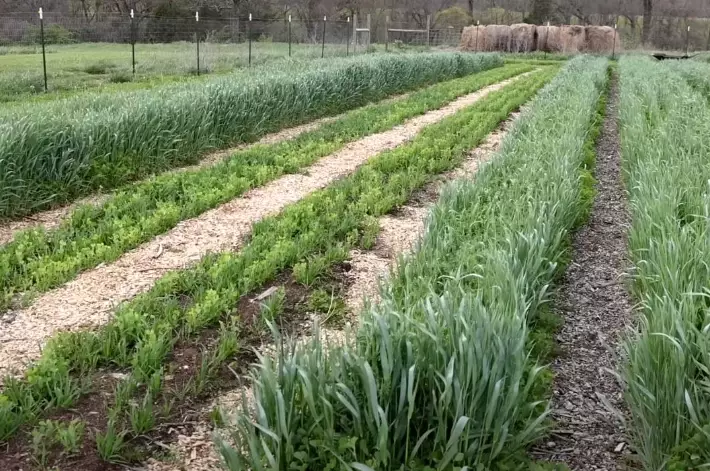
Frequently Asked Questions
Cover crops might seem like extra work, but they pay off. Start small—try one bed this season and see the difference. If you have questions, drop a comment below, and I'll share more from my experience.
Reader Comments