An indoor greenhouse lets you grow plants anytime, anywhere—no backyard needed. I’ve seen people transform balconies, basements, even closets into thriving green spaces. But it’s not just about buying a kit and hoping for the best. Get it right, and you’ll harvest herbs in winter; get it wrong, and you’ll deal with mold or dead plants. Let’s cut to the chase: here’s how to make it work.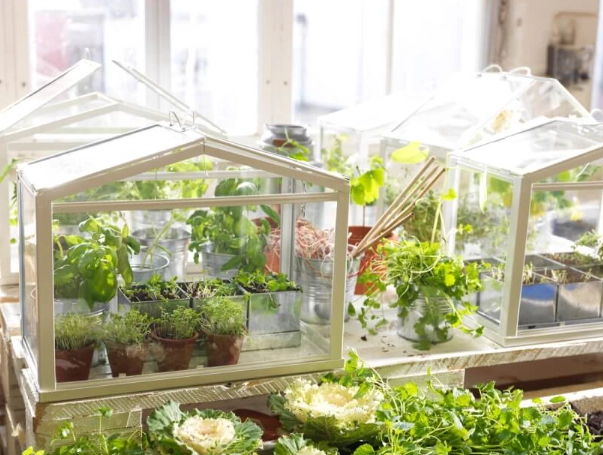
What You’ll Find in This Guide
- What is an Indoor Greenhouse and Why It’s a Game-Changer
- Choosing the Right Indoor Greenhouse Type: Kits, DIY, or Smart Systems
- Step-by-Step Setup for Your Indoor Greenhouse
- The Best Plants to Grow in an Indoor Greenhouse
- Common Challenges and How to Overcome Them
- Your Indoor Greenhouse Questions Answered
What is an Indoor Greenhouse and Why It’s a Game-Changer
An indoor greenhouse is a controlled environment inside your home for growing plants. Think of it as a mini-ecosystem where you manage light, temperature, and humidity. Why bother? For starters, you can grow food year-round, even in apartments. I remember trying to grow tomatoes on a windowsill—they got leggy and died. With a greenhouse, you avoid that.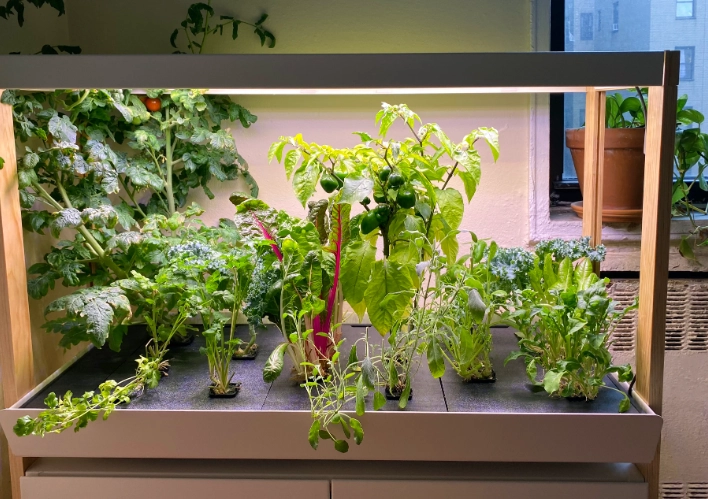
Benefits pile up: fewer pests than outdoors, consistent harvests, and it’s a hobby that reduces stress. But here’s a nuance most miss: an indoor greenhouse isn’t just for experts. With basic tools, anyone can start. The key is understanding your space and goals. Want herbs for cooking? Or exotic flowers? That dictates everything.
Choosing the Right Indoor Greenhouse Type: Kits, DIY, or Smart Systems
Not all greenhouses are equal. Pick wrong, and you’ll waste money. Let’s break it down.
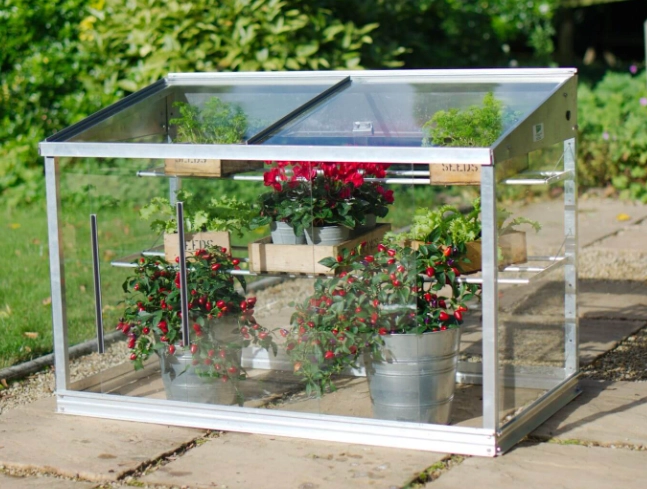
Kits are plug-and-play. Brands like Gardener’s Supply Company offer ready-made units. Good for beginners, but some kits have flimsy frames—I once bought a cheap one that collapsed under the weight of pots. Look for sturdy materials like powder-coated steel.
DIY setups let you customize. Use PVC pipes and plastic sheeting. It’s cheaper, but requires effort. I built one for under $50, but humidity control was a hassle.
Smart greenhouses integrate tech like automated lights and sensors. A trend now, but pricey. They’re great if you travel often.
Here’s a quick comparison:
| Type | Cost Range | Best For | Drawbacks |
|---|---|---|---|
| Kits | $50-$300 | Beginners, small spaces | Limited customization, may lack durability |
| DIY | $20-$100 | Budget users, crafty folks | Time-consuming, potential for errors |
| Smart Systems | $200-$1000+ | Tech enthusiasts, busy people | High cost, complexity |
My take? Start with a mid-range kit to learn, then upgrade. Avoid oversized units—they overwhelm.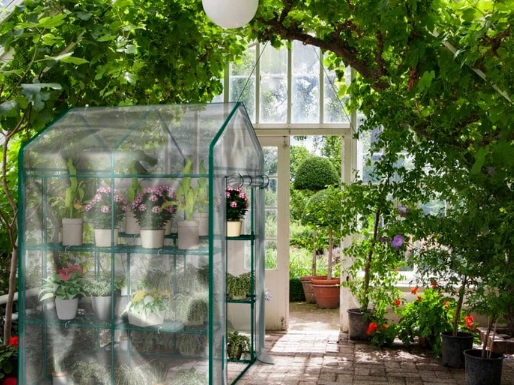
Step-by-Step Setup for Your Indoor Greenhouse
Setting up isn’t rocket science, but skip steps, and plants suffer. Follow this.
1. Pick the Perfect Spot
Light matters most. South-facing windows are gold, but not everyone has them. I use a corner near an outlet for lights. Ensure the floor can handle weight—wet soil is heavy. Avoid drafts from vents or doors.
2. Assemble with Care
If using a kit, read instructions. Sounds obvious, but I rushed once and had to redo shelves. Tighten bolts properly. For DIY, reinforce joints with zip ties.
3. Lighting: Don’t Guess
Natural light often isn’t enough. LED grow lights are efficient. Place them 6-12 inches above plants. Use timers for 12-16 hours daily. A common mistake: using regular bulbs—they lack the right spectrum.
4. Control Climate
Temperature: Aim for 65-75°F. A small heater helps in winter. Humidity: Use a hygrometer. For tropical plants, mist or add a humidifier. Ventilation is critical—a small fan prevents mold. I learned this after losing basil to fungus.
5. Add Plants and Monitor
Start with easy plants. Water based on need, not schedule. Check daily for issues. It becomes routine.
The Best Plants to Grow in an Indoor Greenhouse
Choose plants that thrive indoors. Here’s my list from years of trial and error.
Herbs are forgiving. Basil, mint, parsley—they grow fast and smell great. I harvest weekly for cooking.
Leafy greens like lettuce and kale adapt well. They need moderate light. Spinach is a winner for salads.
Vegetables can work. Cherry tomatoes (dwarf varieties), peppers, even carrots in deep pots. But they demand more light and care.
Flowers such as orchids or African violets add color. They’re picky about humidity.
Avoid large plants like corn—they outgrow space. Start with herbs and greens to build confidence.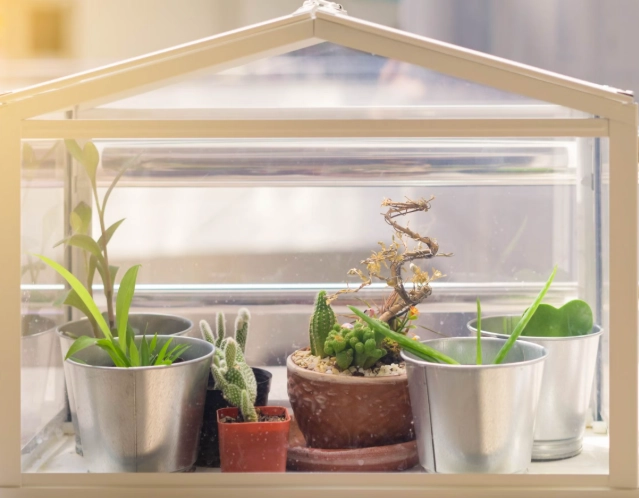
Common Challenges and How to Overcome Them
Problems pop up. Here’s how to fix them.
Pests like aphids can invade. Isolate affected plants. Use neem oil—it’s organic and effective. I keep a spray bottle handy.
Mold and mildew happen with high humidity. Increase airflow with fans. Remove dead leaves promptly.
Light issues: If plants stretch toward light, move lights closer. Yellow leaves? Might be too much light.
Watering mistakes are common. Overwatering kills roots. Use pots with drainage holes. Feel the soil—if dry an inch down, water.
My biggest lesson: patience. Plants don’t grow overnight. Adjust as you go.
Your Indoor Greenhouse Questions Answered
Reader Comments