I pulled my first head of lettuce from the garden years ago with the enthusiasm of a kid on Christmas morning. I grabbed it by the leaves and yanked. Out it came, roots and all. It made a great salad that night, but that was it. The plant was done. I didn't realize I'd just committed the cardinal sin of lettuce harvesting.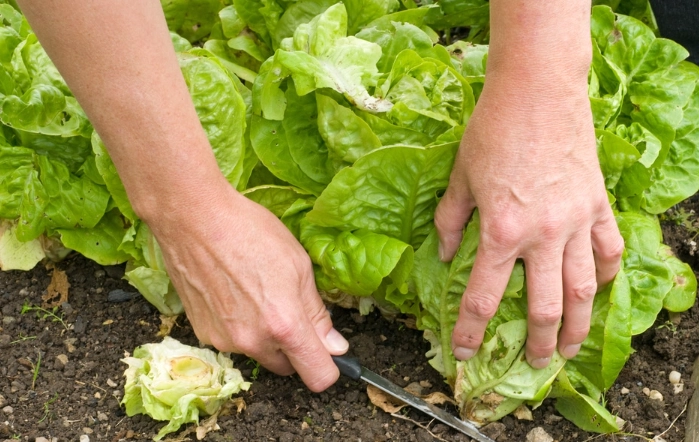
Harvesting lettuce isn't about ending the plant's life. Done right, it's a conversation. You take a little, it gives a little more. The goal is to extend your salad season for weeks, even months, from a single planting. Let's talk about how to pick lettuce the right way.
What You'll Learn
The Golden Rule of Lettuce Harvesting
Never, ever pull the whole plant up by the roots unless you're done with it for the season. That's the biggest mistake beginners make. Lettuce is an annual, but it wants to live long enough to produce seeds. If you leave the growing point—that central cluster of tiny new leaves at the base—intact, the plant will keep producing.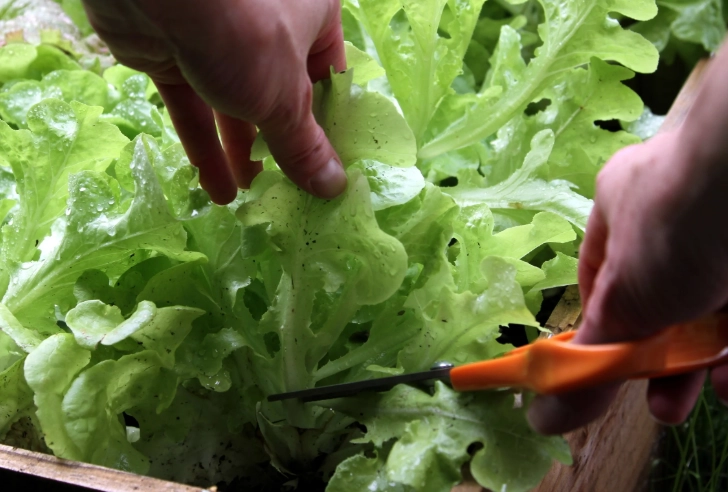
Think of it like giving a haircut, not a beheading.
Tool Tip: Use sharp, clean scissors or a serrated harvesting knife. A dull blade crushes the leaf stems, opening a door for disease and slowing regrowth. I keep a dedicated pair of garden snips just for harvesting greens, wiped with rubbing alcohol between uses if I've been dealing with any sick plants.
When to Harvest Lettuce
Timing affects taste more than you think.
Time of Day: Always harvest in the morning, after the dew has dried but before the sun gets high. Overnight, plants move water and sugars into their leaves. Morning-harvested lettuce is crisp, sweet, and full of moisture. By afternoon, heat stress can make leaves limp and sometimes trigger a bitter taste.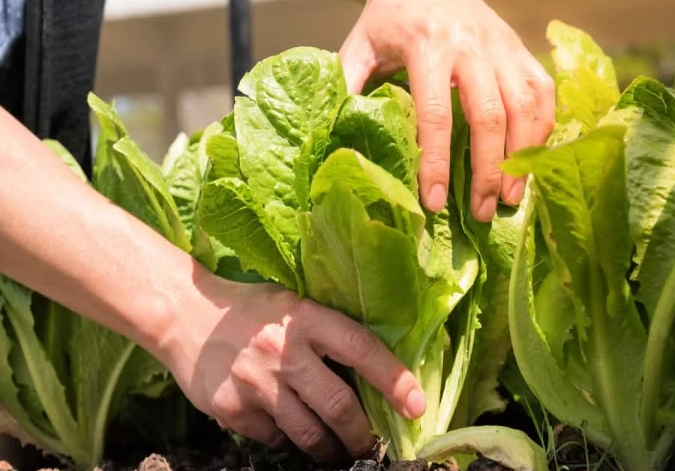
Size Matters: For leaf lettuces, you can start harvesting individual outer leaves when they are 3-4 inches long. Don't be greedy and take the tiny inner ones. For head lettuces (like butterhead or romaine), wait until the head feels firm when you give it a gentle squeeze. It should have a defined shape.
Here's a subtle point most guides miss: temperature directly influences flavor compounds. Research from institutions like the University of California's Vegetable Research and Information Center suggests that cooler growing conditions promote milder, sweeter leaves. If you've had a sudden hot spell and your lettuce tastes bitter, it's not your imagination. Harvest what you can and plan to sow more for fall.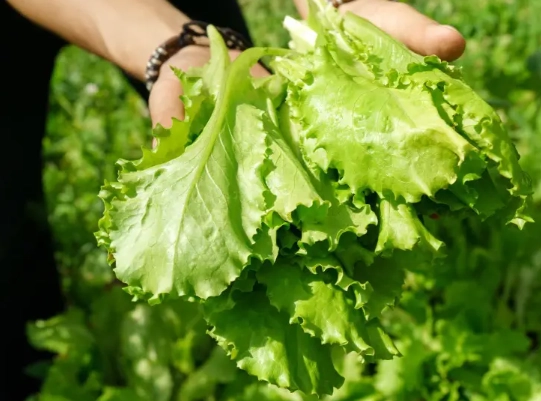
How to Harvest Lettuce: The Two Methods
1. The Cut-and-Come-Again Method (For Loose-Leaf Varieties)
This is your ticket to a never-ending salad bowl. Varieties like Black Seeded Simpson, Oakleaf, and Lollo Rosso are perfect for this.
- Identify the mature outer leaves. They're the largest, oldest ones.
- Gently hold them away from the center of the plant.
- With your sharp tool, cut the leaf stem about 1 to 2 inches above the soil line. Leave that little stump.
- Move around the plant, taking no more than one-third of the leaves at a time.
The plant will respond by pushing new growth from the center. In about a week or two, you'll have another harvest. I have a four-foot row I harvest from every Tuesday. I start at one end and work my way down, and by the time I get to the other end, the first plants are ready again.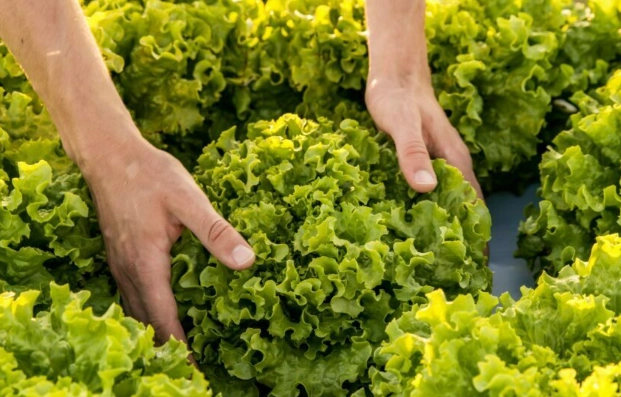
2. The Whole-Head Harvest (For Heading Varieties)
For crisphead (iceberg) or fully formed butterhead lettuces, you usually take the whole thing.
- Feel the head. It should be firm and densely packed.
- Using a knife, cut the entire head off at the base, leaving about an inch of stem and the root in the ground.
Here's the non-consensus bonus: often, if you leave that one-inch stump and the weather stays cool, the plant will attempt to regrow. You won't get another full head, but you'll get a nice cluster of smaller, tender leaves—a bonus second harvest most people throw away.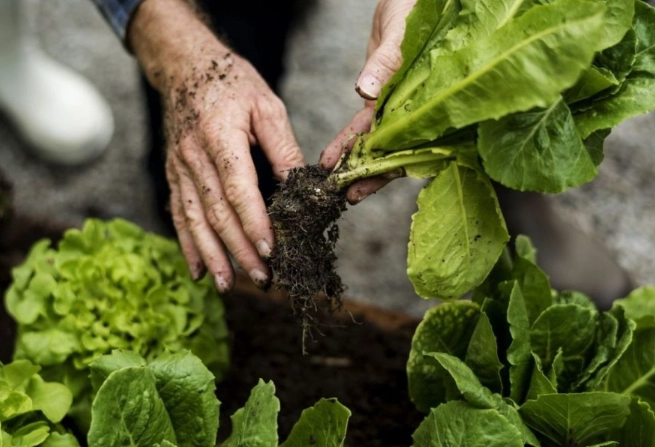
Watch for Bolting: When days get long and hot, lettuce sends up a central flower stalk. This is "bolting." Leaves become tough and bitter almost overnight. Once you see a tall, skinny center stem forming, harvest the entire plant immediately. It's not going to get better. For a continuous supply, sow new seeds every two weeks (called succession planting).
Harvesting Different Lettuce Varieties
Not all lettuces are created equal. Here’s a quick reference table.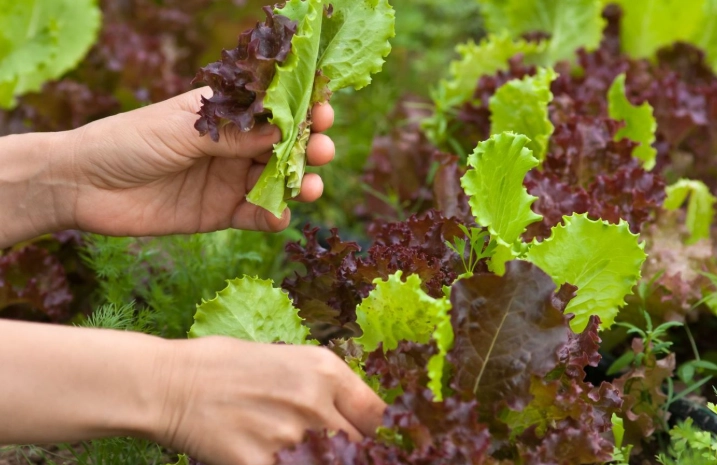
| Lettuce Type | Best Harvest Method | Visual Cues for Readiness |
|---|---|---|
| Loose-Leaf (e.g., Green Leaf, Red Sails) | Cut-and-Come-Again (outer leaves) | Leaves 4-6 inches long, plant looks full. |
| Butterhead (e.g., Bibb, Boston) | Whole head or outer leaves first. | Head feels softly firm, like a closed rose. |
| Romaine/Cos | Whole head when tall, or outer leaves. | Head is 6-8 inches tall, leaves are upright and stiff. |
| Crisphead (e.g., Iceberg) | Whole head only. | Head is very firm and tightly packed. |
Romaine is flexible. You can treat it like a loose-leaf for a while, snapping off the outer, darker green leaves for a more robust flavor, and letting the inner, lighter hearts continue to grow and sweeten up.
Storing Your Harvest for Maximum Freshness
This is where most home harvests fail. Don't just dump leaves in a plastic bag.
My post-harvest routine takes 10 minutes and makes lettuce last over a week:
- Cool Bath: Fill a large bowl with ice-cold water. Submerge the leaves and swish them gently. This hydrates them and washes away any soil. Drain.
- Spin Dry - CRITICAL: Use a salad spinner. Get the leaves as bone-dry as possible. Water clinging to the leaves accelerates decay in the fridge.
- Paper Towel Buffer: Line a large, airtight container or a reusable produce bag with a few paper towels. Add the dry lettuce.
- Top & Seal: Place another paper towel on top before sealing the container. This absorbs any residual moisture.
- Cold Storage: Store in the crisper drawer of your fridge.
For whole heads, don't wash them. Just wrap unwashed in a slightly damp paper towel, place in a bag, and store in the crisper. Wash right before you use them.
Your Lettuce Harvest Questions Answered
Harvesting lettuce correctly transforms it from a one-time crop into a renewable resource in your garden. Start with the outer leaves, harvest in the cool morning, and be gentle with that central crown. Do that, and you'll have the makings of a homegrown salad within arm's reach for a long, long time.
Reader Comments