What You'll Find in This Guide
Growing asparagus is a long game, but it's worth it. I've had a bed for over a decade, and those first tender spears each spring feel like a reward for patience. This guide cuts through the fluff—I'll share what works, what doesn't, and how to avoid the pitfalls that trip up most beginners.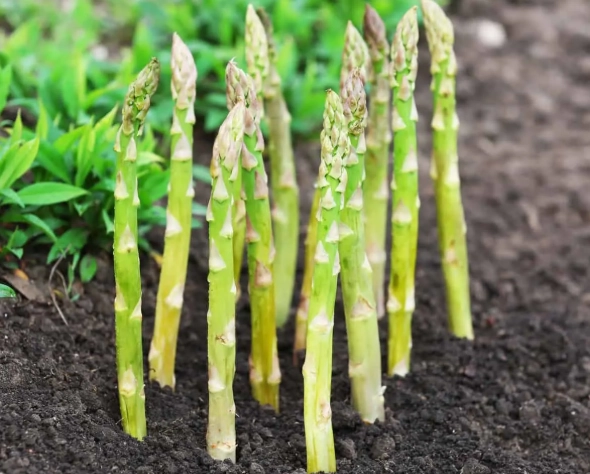
Why Bother with Asparagus?
Let's be real: asparagus isn't a quick win. You plant it once, and it gives back for 15-20 years if you treat it right. The initial wait—two to three years before full harvests—scares people off. But think of it as an investment. Once established, it's low-maintenance and produces delicious, homegrown spears that beat store-bought any day.
From my experience, the biggest perk is perennial reliability. Unlike tomatoes that need replanting yearly, asparagus comes back stronger each spring. It's also a space-saver over time; a small bed can feed a family. But here's the catch: it demands good soil and upfront effort. Skip that, and you'll get spindly spears or a bed that dies out early.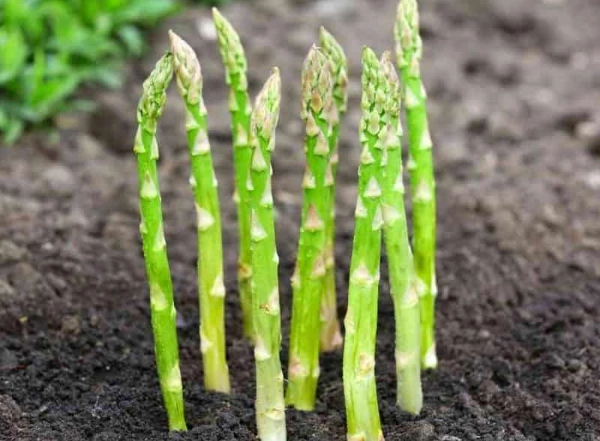
Quick tip: Asparagus thrives in full sun and well-drained soil. If your garden is soggy, consider raised beds—it's a game-changer for preventing crown rot.
Picking the Right Asparagus Variety
Not all asparagus is created equal. The variety you choose affects yield, flavor, and disease resistance. Most home gardeners go with hybrid male varieties because they produce more spears and don't waste energy on seeds.
Top Varieties for Home Gardens
Here's a quick comparison based on my trials and recommendations from sources like the University of California's Master Gardener Program.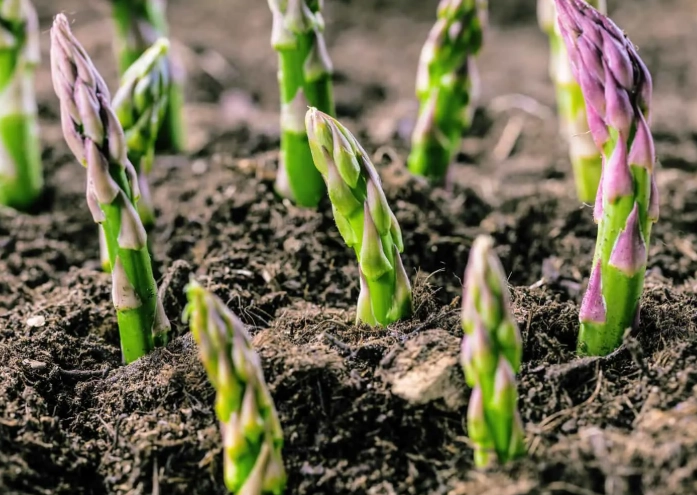
| Variety | Key Features | Best For |
|---|---|---|
| Jersey Knight | High yield, disease-resistant, cold-hardy | Beginners; northern climates |
| Purple Passion | Sweet flavor, colorful spears, tender | Gourmet gardens; mild climates |
| Mary Washington | Heirloom, reliable, good for canning | Traditionalists; all-purpose use |
I started with Jersey Knight, and it's been a workhorse—consistent spears even after a wet spring. Purple Passion is fun for salads, but it's less vigorous in my clay soil. A common mistake is picking based on color alone; focus on adaptability to your region.
How to Plant Asparagus: No-Fuss Steps
Planting asparagus crowns is straightforward if you get the depth right. Most guides overcomplicate it. Here's my stripped-down approach.
Site Selection and Soil Prep
Choose a sunny spot—at least 8 hours of direct light. Asparagus hates competition, so keep it away from trees or shrubs. Soil should be loose and rich. I dig in 4 inches of compost and a handful of bone meal per square foot before planting. The Royal Horticultural Society notes that pH between 6.5 and 7.5 is ideal; test your soil and adjust with lime if needed.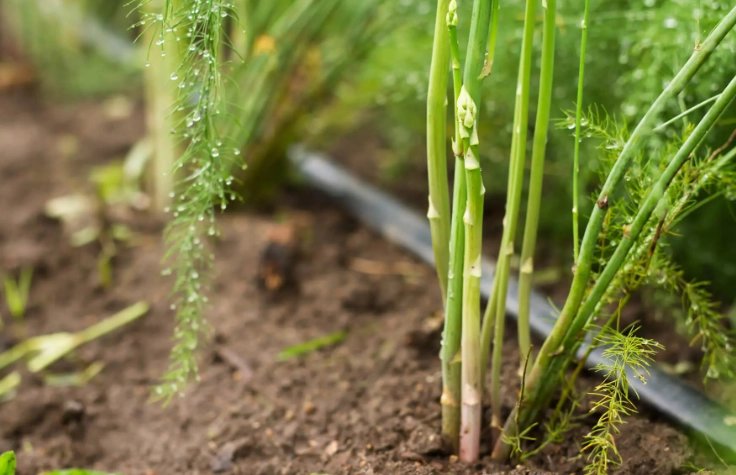
Planting Asparagus Crowns: Depth and Spacing
Dig a trench 6-8 inches deep. I lean toward 6 inches in heavy soil to avoid waterlogging. Space crowns 12-18 inches apart in the trench, with rows 3 feet apart. Spread the roots out like an octopus, cover with 2 inches of soil, and water well. As shoots grow, fill in the trench gradually over the season. This encourages strong root development.
Timing matters: plant in early spring as soon as soil is workable. Fall planting can work in mild climates, but spring is safer for most.
Keeping Your Asparagus Happy
Once planted, asparagus needs consistent care—but not coddling. The first year is all about establishment: water regularly, keep weeds down, and let the ferns grow tall to feed the roots.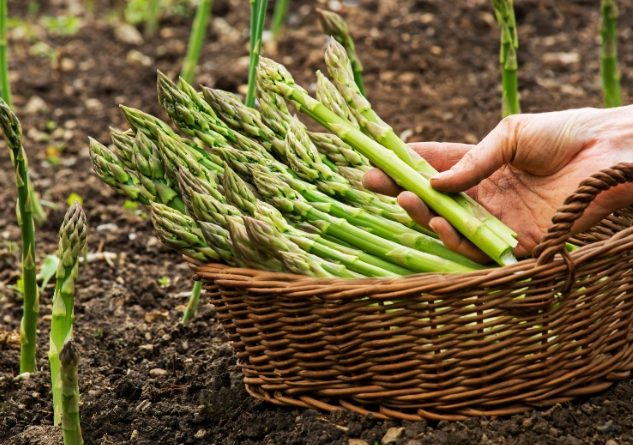
Watering and Fertilizing
Water deeply once a week during dry spells. Shallow watering leads to shallow roots. For fertilizer, I use a balanced organic blend in early spring, then side-dress with compost after harvest. Asparagus is a heavy feeder; skimping here results in thin spears.
Weed Control and Mulching
Weeds are the enemy. Mulch with straw or wood chips to suppress them and retain moisture. Avoid deep cultivation—asparagus roots are shallow and easily damaged.
Dealing with Pests and Diseases
Asparagus beetles are the main pest. Hand-pick them early or use neem oil. For diseases like fusarium wilt, choose resistant varieties and rotate crops if possible. I've found that good air circulation by spacing plants properly reduces fungal issues.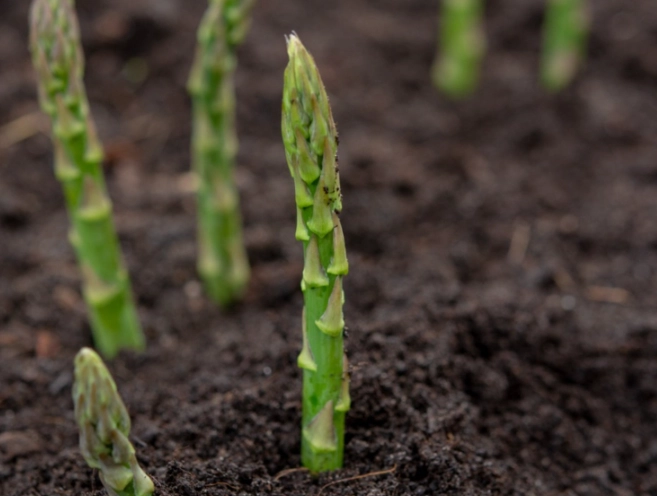
When and How to Harvest
Patience pays off. Don't harvest the first year at all. In year two, take a few spears for 2-3 weeks only. By year three, you can harvest for 6-8 weeks in spring.
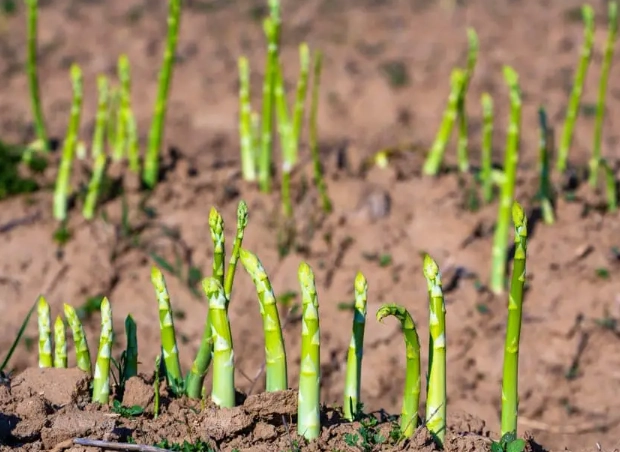
Harvest when spears are 6-8 inches tall and thick as your finger. Snap them off at ground level—cutting can introduce disease. Stop when spears become pencil-thin; let them fern out to recharge the plant.
I keep a harvest journal: tracking start dates helps me avoid over-harvesting. One year, I got greedy and cut too long; the next spring's yield dropped by half.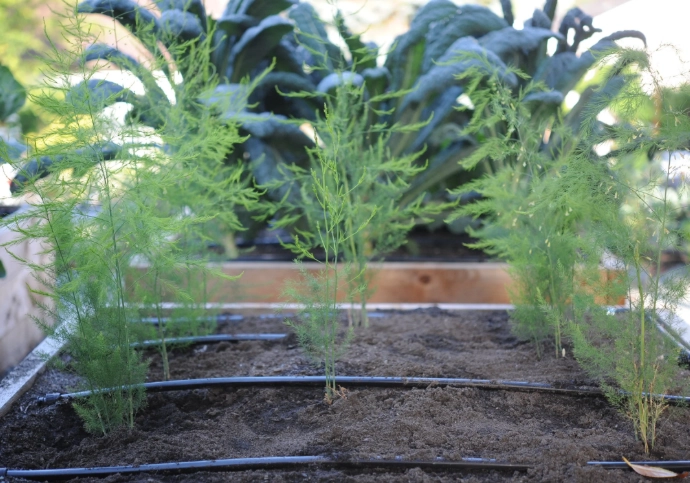
Mistakes I've Made (So You Don't Have To)
We all mess up. Here are my top blunders with asparagus growing.
- Planting too deep in clay soil: Led to crown rot. Now I go shallow and add sand for drainage.
- Neglecting weed control early on: Weeds stole nutrients, stunting growth. Mulch from day one.
- Harvesting too soon in year two: Weakens the plants. Wait until year three for real bounty.
- Using high-nitrogen fertilizer: Promoted fern growth but thin spears. Switch to balanced feeds.
Asparagus teaches humility. It's not a set-and-forget crop, but the effort builds gardening skills.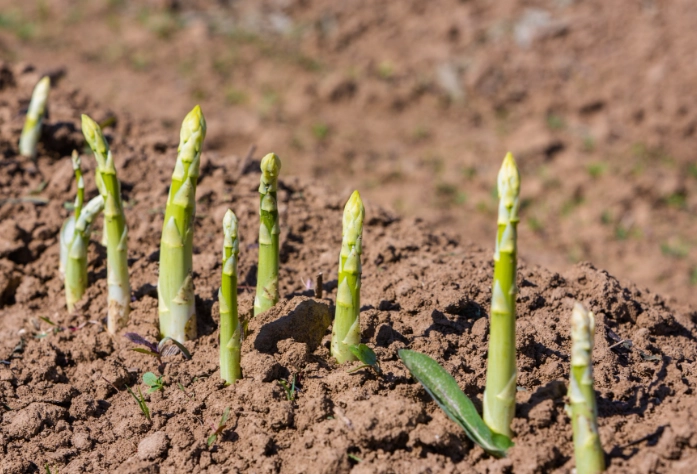
Your Questions Answered
Growing asparagus is a journey. Start small, learn from errors, and enjoy the process. That first spring harvest? It tastes like victory.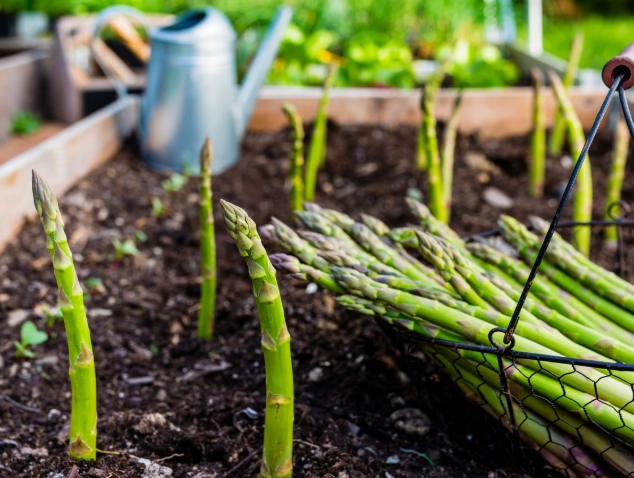
Reader Comments