Let's be honest. The idea of keeping a box of worms under your kitchen sink sounds a bit… odd. Maybe even gross. I thought the same thing ten years ago. But after my first failed balcony compost pile attracted every raccoon in the neighborhood, I gave worms a shot. It changed everything. A vermicomposting bin isn't just a container; it's a quiet, odorless, hyper-efficient recycling system that turns your apple cores and coffee grounds into the most potent plant food you'll ever use. And you can do it in an apartment, a basement, or a garage.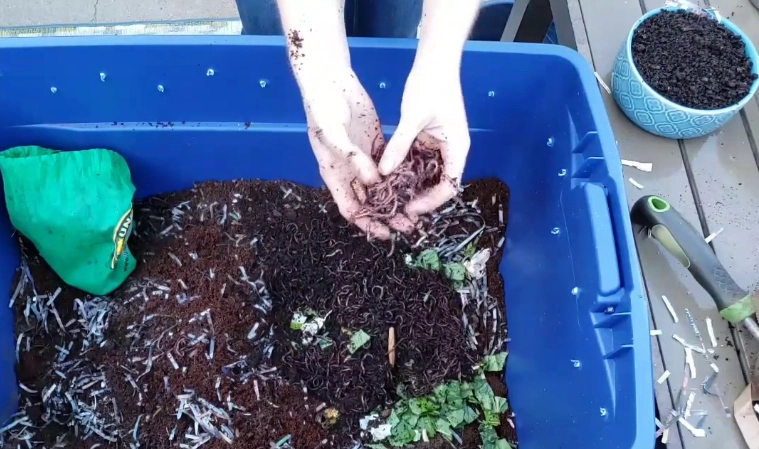
What You'll Find in This Guide
What Exactly Is a Vermicomposting Bin (And Why It's Genius)
Forget the complex definitions. A vermicomposting bin is a managed home for composting worms—usually red wigglers (Eisenia fetida). You put in bedding (like shredded paper), add worms, and then feed them your kitchen scraps. They eat the scraps, and their castings (poop, let's just say it) become vermicompost, a super-fertilizer.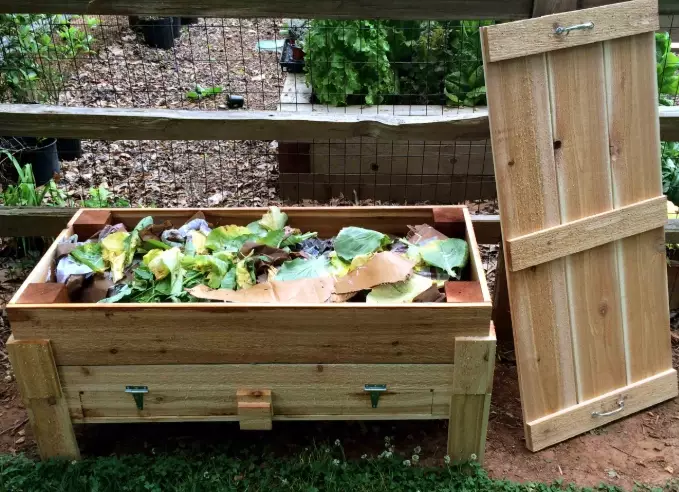
The magic is in the scale and the process. Unlike a backyard compost pile that needs heat and turning, worm bins work at room temperature. The worms do the aerating and mixing for you. According to the U.S. Environmental Protection Agency, food scraps make up a significant portion of landfill waste. A worm bin directly tackles that problem at the source.
Here’s the real, often unspoken benefit: it connects you to a natural cycle right in your home. It’s weirdly satisfying. You’re not just throwing away a banana peel; you’re feeding your little livestock who are making fuel for your plants.
Choosing Your Worm Bin: A Simple Comparison
You have options, from DIY plastic tubs to fancy multi-tiered systems. The biggest mistake beginners make? Starting too small. A tiny, cute bin gets overwhelmed fast. Aim for at least 1 square foot of surface area per person in your household.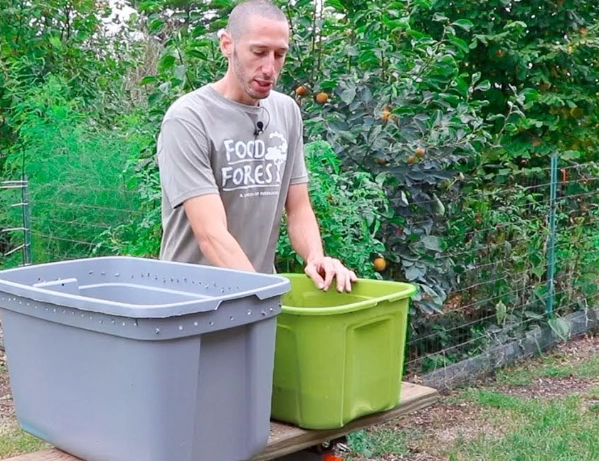
| Bin Type | Best For | Cost Range | Key Consideration |
|---|---|---|---|
| Single Plastic Tote (DIY) | Ultra-budget starters, experimenters. | $5 - $20 | You MUST drill air and drainage holes. Can be prone to over-moisture if not managed. |
| Classic Stackable Tray System | Most beginners; easiest harvesting. | $80 - $150 | Worms migrate upward, leaving finished compost below. Very space-efficient and tidy. |
| Continuous Flow-Through (CFT) | Serious gardeners with more waste. | $150+ | You harvest from a bottom door. Great for larger volumes but a bigger initial investment. |
| Wooden Bin | Aesthetics, better natural insulation. | $50 - $120 | Breaths well but will eventually rot. Use untreated wood. |
My first bin was a DIY tote. It worked, but moisture control was a constant battle. I upgraded to a stackable tray system and never looked back—harvesting became a 10-minute job instead of a messy ordeal. You can find these at garden centers, online retailers like Amazon, or directly from suppliers like Uncle Jim's Worm Farm.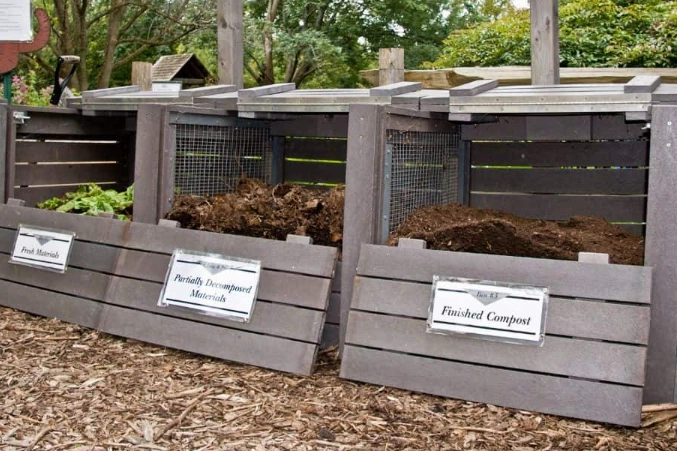
The Foolproof, 30-Minute Setup Guide
Let's get your bin ready for its new tenants. You'll need the bin itself, bedding, water, and worms.
Step 1: Prepare the Bedding
Bedding is the worms' home and carbon source. Shred newspaper or cardboard into 1-inch strips. No glossy inserts. Soak it in a bucket of water, then wring it out until it feels like a damp sponge. This is the critical moisture level. Fluff it up and fill your bin about 2/3 full.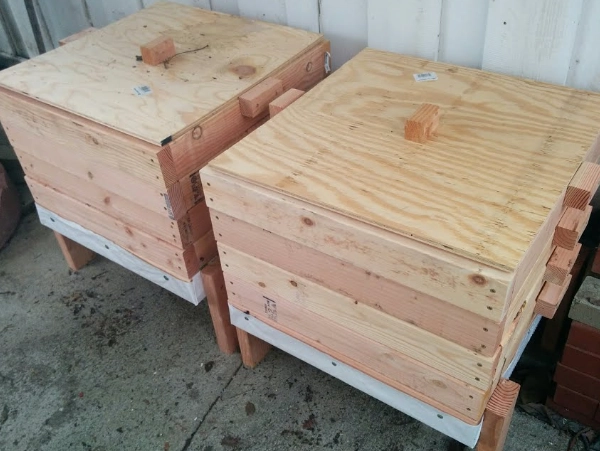
Step 2: Add a "Grit" Source
Worms have gizzards and need grit to digest food. Sprinkle a handful of garden soil (pesticide-free) or crushed, dry eggshells over the bedding. This also introduces beneficial microbes.
Step 3: Introduce the Worms
You need red wigglers or European nightcrawlers. Don't dig up earthworms from your yard—they're different. Order about 1/2 to 1 pound of worms online. Dump them on top of the bedding. They'll be stressed and try to escape if you immediately flood them with light. Leave the lid off with a bright light on for a few hours. They'll burrow down to escape the light. Then, put the lid on.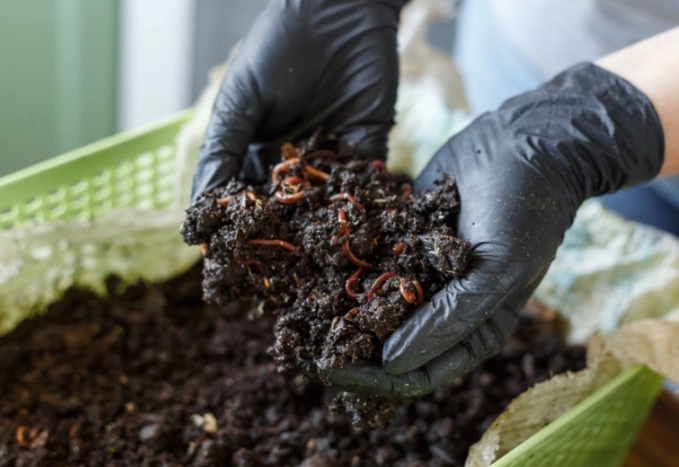
Step 4: The First Meal
After a few days, pull back a corner of the bedding. Bury a small handful of scraps—maybe some lettuce, apple cores, and coffee grounds. Cover it completely with bedding. This prevents fruit flies and smells.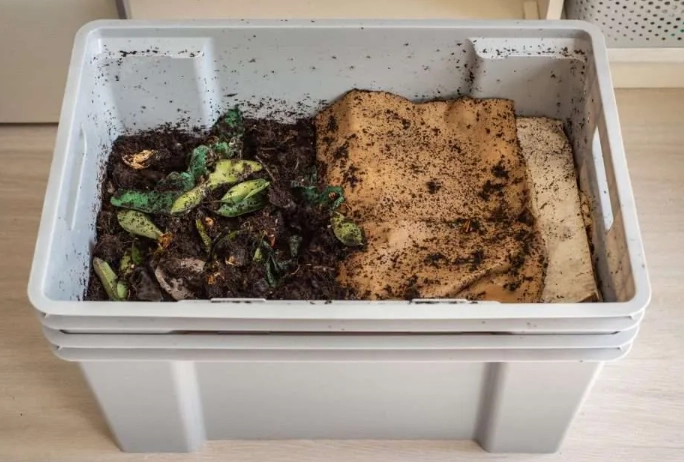
Keeping Your Worms Happy: Feeding & Maintenance
Feed them about once a week. A rough guide is: 1/2 pound of worms can eat about 1/4 to 1/2 pound of scraps every 2-3 days. But watch the bin, not the calendar. If food is disappearing, feed a bit more. If old food is accumulating, feed less.
Great Foods: Most fruit/veggie scraps, coffee grounds/filters, tea bags, bread/pasta (sparingly), crushed eggshells.
Foods to Avoid: Meat, dairy, oily foods, citrus peels & onions (in large amounts), spicy peppers.
Maintenance is simple. Every week or two, gently fluff the top layer of bedding to prevent matting and improve airflow. Check the moisture. It should always feel like that damp sponge. Too wet? Add dry, shredded newspaper. Too dry? lightly mist with water.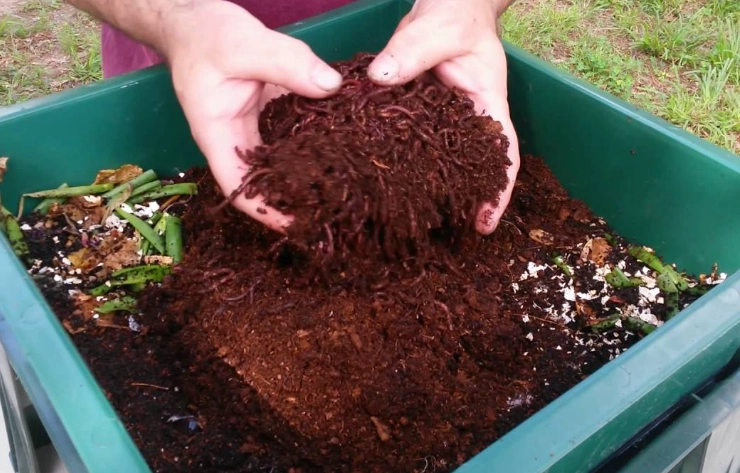
Keep the bin in a spot with a stable temperature, ideally between 55-77°F (13-25°C). A basement, under the kitchen sink, or a garage often works perfectly.
Harvesting the "Black Gold"
In 3-6 months, the bedding will turn dark, crumbly, and earthy. It's ready. For a stackable bin, you just add a new tray with fresh bedding and food on top. The worms migrate up, leaving the finished compost below.
For a single bin, use the "pile and pick" method. Push all the contents to one side. Add fresh bedding and food to the empty side. Over the next few weeks, the worms will move over. You can then scoop out the finished compost from the old side. It's that simple.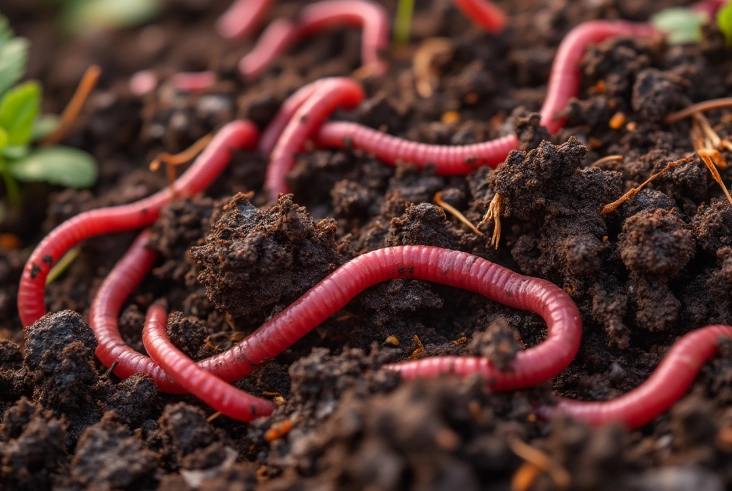
Use this vermicompost sparingly—it's powerful. Mix a handful into potting soil, use it as a top dressing for houseplants, or brew it into "compost tea." Your plants will go wild for it.
Your Questions, Answered (The Real Stuff)
Starting a vermicomposting bin feels like a small act. But it's a direct line from your kitchen waste to richer soil and healthier plants. It demystifies waste. That banana peel isn't trash; it's tomorrow's fertilizer. Give it a try. Get a bin, order some worms, and in a few months, you'll have a handful of the best stuff on earth, made by your own tiny, wriggling crew.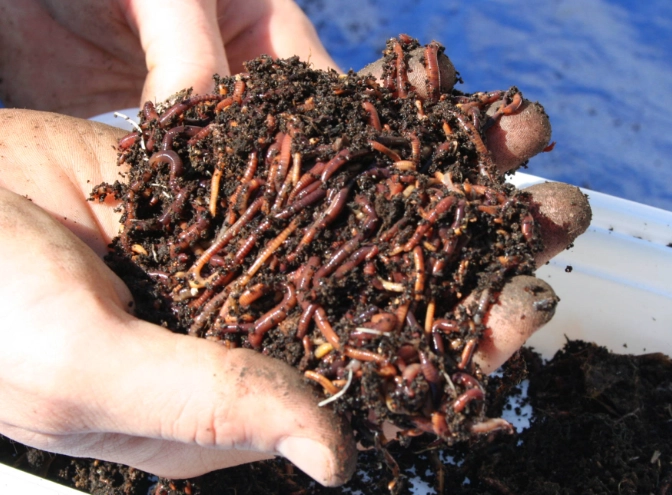
Reader Comments