Forget struggling with heavy clay, poor drainage, or back-breaking weeding. A raised garden bed is more than a trend; it's a strategic solution that gives you complete control over your growing environment. By elevating your soil, you create a deep, loose, and nutrient-rich root zone that plants love. This guide cuts through the noise, offering practical, expert-backed advice on building, filling, and maintaining a raised bed garden that thrives season after season.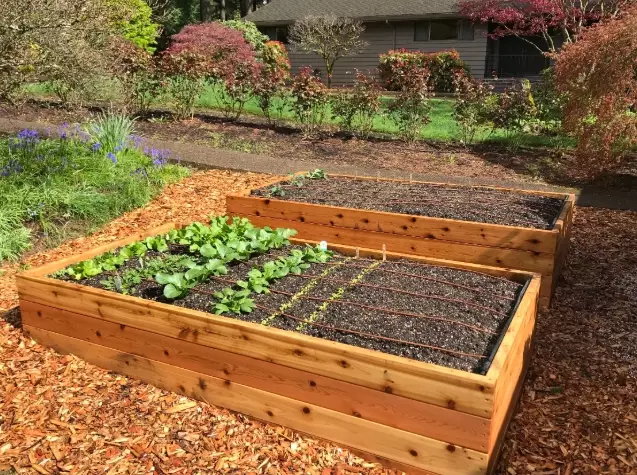
What You'll Find in This Guide
Choosing the Perfect Location and Materials
Before you buy a single board, spend time observing your yard. The location of your raised bed is arguably more important than what you build it with.
Most vegetables need a minimum of 6-8 hours of direct sunlight per day. Leafy greens can tolerate a bit less, but for tomatoes, peppers, and cucumbers, sun is non-negotiable. Watch how the sun moves across your space. A spot that's sunny in spring might be shaded by trees in summer. I learned this the hard way when my first bed yielded puny tomatoes because a maple tree's canopy stole the afternoon sun by July.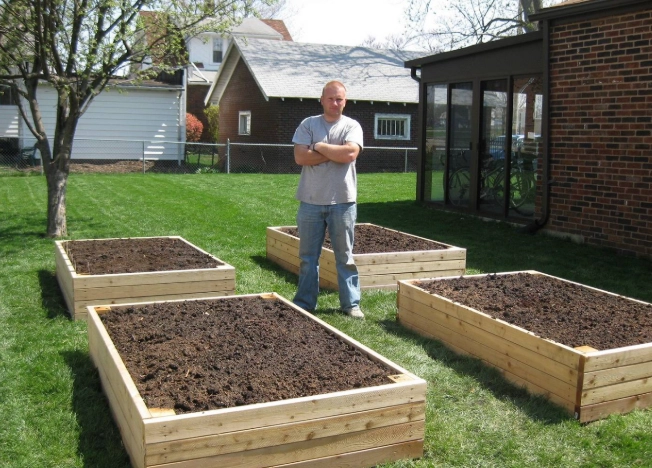
Access to water is another critical, often overlooked, factor. Dragging a hose 100 feet gets old fast. If possible, site your beds within comfortable reach of a spigot. Consider installing a simple drip irrigation system on a timer—it's a game-changer for consistency and water conservation.
Now, let's talk materials. The classic choice is lumber, but not all wood is created equal.
| Material | Pros | Cons | Estimated Lifespan |
|---|---|---|---|
| Cedar or Redwood | Naturally rot-resistant, beautiful, safe for edibles. | Higher upfront cost. | 10-15+ years |
| Modern Pressure-Treated Wood | Affordable, very long-lasting, readily available. | Some gardeners avoid it for edibles (see FAQ). | 15-20+ years |
| Composite Lumber | No rotting, no splinters, often made from recycled plastic. | Can be expensive, may heat up more in sun. | 20+ years |
| Corrugated Metal (Galvanized) | Modern, industrial look, very durable. | Edges can be sharp, soil may heat up. | 20+ years |
| Cinder Blocks or Bricks | Extremely durable, creates planting pockets. | Heavy, permanent, can alter soil pH over time. |
My personal favorite is rough-cut cedar. It weathers to a lovely silver-gray, smells amazing, and I don't have to think about liners or leaching. The cost stings a little at first, but watching it last for over a decade makes it worth it.
The #1 Design Mistake to Avoid
Building a bed that's too wide. It might look spacious on paper, but if you can't easily reach the center from either side, you'll be compacting the soil by stepping in it or straining your back. Keep the width to a maximum of 4 feet. This ensures you can tend to every plant without ever setting foot inside the bed.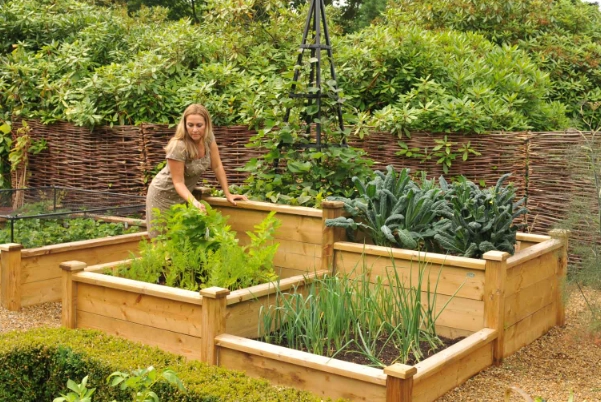
Length is flexible, but depth is crucial. For most crops, a depth of 12 inches is the functional minimum. For root vegetables like carrots or parsnips, or for building on solid rock or terrible native soil, aim for 18-24 inches. The extra depth pays dividends in root development and water retention.
How to Build Your Raised Bed: A Step-by-Step Walkthrough
Let's build a simple, sturdy 4'x8'x12" bed from cedar. You'll need: three 8-foot cedar 2x6 boards, one 8-foot 4x4 post (for corner stakes), exterior-grade screws (3.5" and 2.5"), a saw, drill, level, and shovel.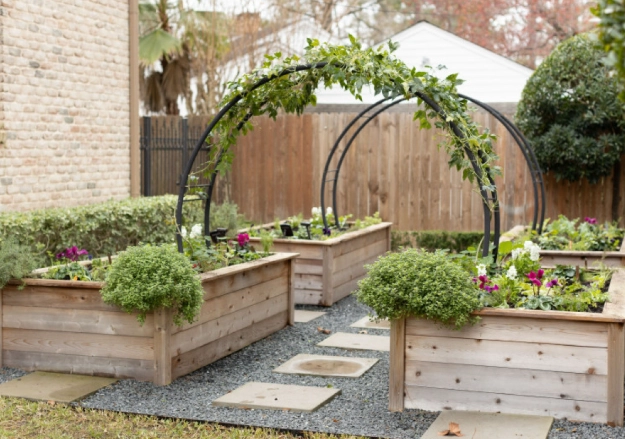
Step 1: Cut and Assemble the Frame. Cut one of your 8-foot boards in half to make two 4-foot end pieces. You now have two 8-foot sides and two 4-foot ends. Lay them on edge to form a rectangle. Pre-drill holes to prevent splitting, then screw the corners together using the 2.5" screws. For extra strength, you can add a second layer of boards on top, staggering the corner seams. This gives you your 12-inch height.
Step 2: Add Corner Braces. Cut four 12-inch lengths from the 4x4 post. Place your assembled frame in its final location. Drive a 4x4 stake into the ground at each inside corner, snug against the frame. Use the 3.5" screws to secure the frame to each stake from the inside. This anchors the entire bed and prevents bowing over time.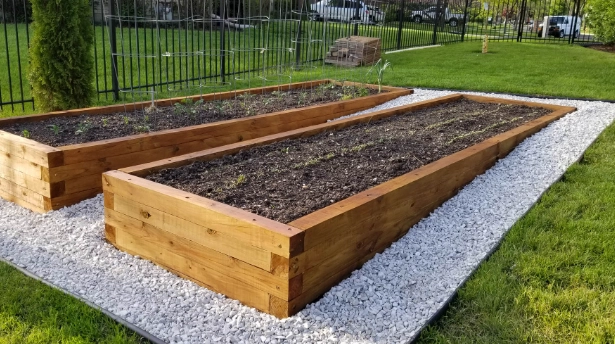
Step 3: Prepare the Site. This step is optional but highly recommended for perennial weeds like bindweed or quackgrass. Lay down a layer of cardboard or several sheets of newspaper over the grass/weeds inside the frame. This acts as a biodegradable weed barrier that will smother them. It saves you countless hours of weeding later.
Your skeleton is ready. Now for the most important part: the soil.
The Secret Sauce: Filling Your Raised Bed with the Ideal Soil Mix
Here's where most beginners fail spectacularly. They run to the garden center, grab a dozen bags of cheap "topsoil," and dump it in. That stuff is often heavy, poorly drained, and devoid of life. Your plants will struggle from day one.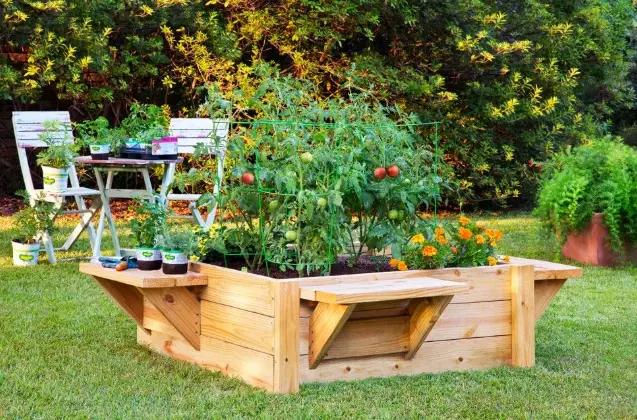
You're not filling a hole; you're creating a living ecosystem. Think of your raised bed as a large, elevated container. It needs a mix that is light, fluffy, moisture-retentive yet well-drained, and packed with nutrients.
The gold standard recipe is called "Mel's Mix," popularized by Square Foot Gardening. It's equal parts:
- Compost: Provides nutrients and beneficial microbes. Use a blend of different sources if possible (municipal, mushroom, worm castings).
- Peat Moss or Coconut Coir: Holds moisture and keeps the mix light. Coir is a more sustainable alternative to peat.
- Coarse Vermiculite: The magic ingredient. It aerates the soil, retains water and nutrients, and prevents compaction.
Mixing this from bulk components is the most cost-effective way for a large bed. For a 4x8x1 bed (32 cubic feet), you'd need roughly 11 cubic feet of each component.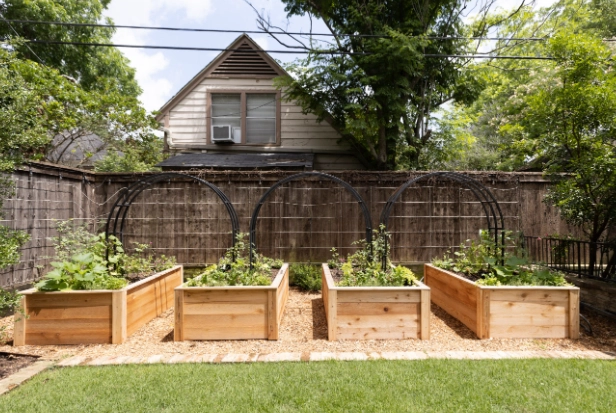
A More Accessible (and Still Excellent) Mix:
If sourcing vermiculite in bulk is tricky, here's my go-to blend that uses bagged products available anywhere:
- 50% High-Quality Raised Bed Potting Mix: Look for bags specifically labeled for raised beds or containers. These are pre-blended to be light and well-draining.
- 30% Compost: The workhorse for fertility.
- 20% Coarse Horticultural Sand or Additional Compost: Sand improves drainage in clay-heavy native soils; extra compost boosts fertility in sandy areas.
Fill the bed to the top—it will settle a few inches over time. Don't pack it down. Water it thoroughly before planting to help it settle evenly.
What to Plant in Your New Raised Garden Bed
The warm, loose, fertile soil of a new raised bed is like a five-star hotel for plants. You can grow almost anything, but some crops are particularly well-suited.
Top Performers in Raised Beds:
- Root Vegetables (Carrots, Radishes, Beets): The loose soil allows for perfect, straight roots without forking.
- Leafy Greens (Lettuce, Kale, Spinach): The quick drainage prevents rot, and you can succession plant all season.
- Nightshades (Tomatoes, Peppers, Eggplant): They love the warm soil that heats up faster in spring.
- Compact Squash & Cucumbers: Look for bush or dwarf varieties, or train vining types up a trellis attached to the bed.
Avoid planting large, sprawling crops like standard pumpkins or sweet corn in a standard raised bed—they'll take over. Dedicate a separate, in-ground patch for those.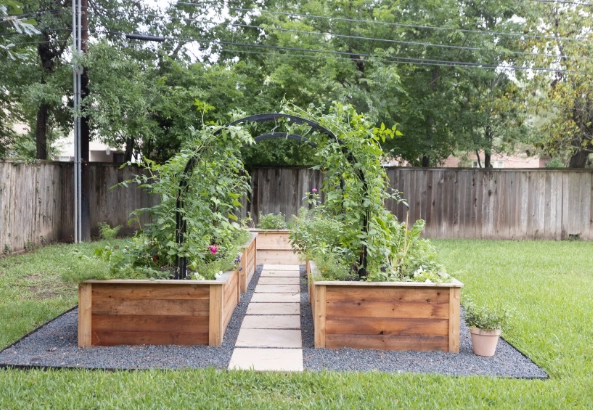
Consider interplanting (companion planting) to maximize space and deter pests. Plant basil near tomatoes, or radishes among your carrots (the radishes mature quickly and break up the soil).
Ongoing Maintenance for a Thriving Garden
Raised beds are lower maintenance, but they're not no-maintenance. The biggest shift is in watering. Because they drain so freely, they can dry out faster than in-ground gardens, especially in mid-summer. A deep soak 2-3 times a week is almost always better than a daily sprinkle. Mulching with 2-3 inches of straw, shredded leaves, or wood chips is essential. It conserves moisture, suppresses weeds, and moderates soil temperature.
At the end of each season, don't rip everything out by the roots. Cut plants off at the soil line and leave the roots to decompose, feeding the soil web—a core principle of no-till gardening. Top up the bed with an inch or two of fresh compost. This no-dig approach preserves the beautiful soil structure you've worked so hard to create.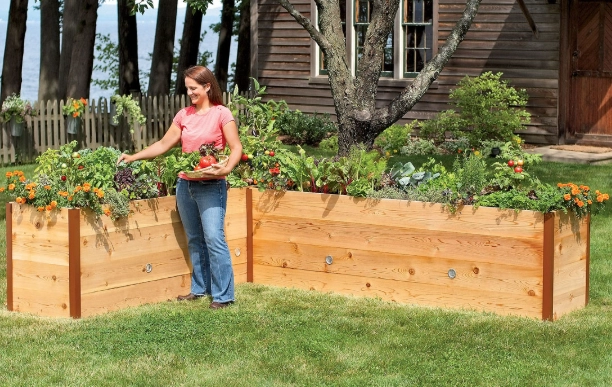
Every 3-4 years, it's wise to get a basic soil test (your local cooperative extension office offers this) to check pH and nutrient levels. It takes the guesswork out of fertilization.
Common Raised Garden Bed Questions Answered
The journey from a stack of lumber to a harvest basket overflowing with homegrown food is incredibly rewarding. A raised garden bed removes many of the traditional barriers to gardening success. It gives you a clean slate, literally above the problems of your native soil. Start with one. You might just find yourself sketching plans for a second before the first season is even over.
Reader Comments