Starting a vegetable garden isn't just about saving money on groceries. It's about control—over what you eat, how it's grown, and that unbeatable taste of a tomato still warm from the sun. But let's be real. If you dive in without a plan, you'll end up with leggy plants, bug-eaten leaves, and a lot of frustration. I've been there. After a decade of trial and error, I've boiled it down to a straightforward process that actually works, whether you have a backyard or a balcony.
What You'll Find in This Guide
Planning Your Vegetable Garden Space
This is where most beginners slip up. They pick a spot because it's convenient, not because it's right. Your garden's location can make or break your harvest.
Sunlight and Location: The Non-Negotiables
Vegetables need sun. A lot of it. But it's not just about total hours. I once set up a garden against a north-facing fence—it got 8 hours of light, but it was weak, filtered light. The spinach bolted, the peppers never fruited. Use a sun calculator or simply observe: from 9 AM to 5 PM, is the area bathed in direct, unfiltered sunlight? Morning sun is softer, great for greens; afternoon sun is intense, perfect for tomatoes and peppers. If you're in a hot climate, some afternoon shade can prevent scorching.
Also, think about water access. Dragging a hose 50 feet gets old fast. Place your garden within reach of a water source.
Soil Testing and Amendment: What Most Guides Miss
Everyone tells you to add compost. Sure, do that. But first, check your soil's texture and drainage. Grab a handful, squeeze it. If it forms a tight ball that doesn't crumble, it's clay-heavy and will drown roots. If it falls apart instantly, it's sandy and won't hold nutrients. Aim for a loamy feel.
Here's the overlooked part: soil compaction. Urban soils are often packed down from construction or foot traffic. Before adding anything, loosen the soil at least 12 inches deep with a digging fork. Don't just till the top—that creates a hardpan layer underneath. I learned this when my beetroots hit a compacted layer and split. A simple percolation test: dig a hole, fill with water, time the drain. More than 4 hours? You need to aerate.
Then amend. Mix in 2-3 inches of compost. If your soil is acidic (common in rainy areas), add lime. For alkaline soils, sulfur. A soil test kit from your local extension office—like the USDA's resources—gives precise recommendations. It costs $20 and saves $100 in failed crops.
Choosing What to Grow: A Realistic Approach
Don't plant everything you see in a seed catalog. Start with a few easy, high-yield vegetables that match your climate and season.
I see beginners go for artichokes or celery—they're finicky. Stick to these forgiving choices for your first year:
| Vegetable | Best for Beginners? | Time to Harvest | Special Notes |
|---|---|---|---|
| Lettuce (leaf types) | Yes | 30-45 days | Grows fast, can harvest multiple times; plant in spring or fall. |
| Radishes | Yes | 25-30 days | Almost foolproof; great for kids. |
| Tomatoes (cherry) | Moderate | 60-70 days | Need staking; choose disease-resistant varieties like 'Sun Gold'. |
| Zucchini | Yes | 50-60 days | Produces heavily; one plant is enough for a family. |
| Green Beans (bush) | Yes | 50-60 days | No staking needed; fix nitrogen in soil. |
| Carrots | Moderate | 70-80 days | Need loose, stone-free soil; thin seedlings ruthlessly. |
Consider your space. If you're container gardening, focus on compact varieties: patio tomatoes, dwarf peas, herbs. I've had success with 'Tumbling Tom' tomatoes in hanging baskets—they cascade down, saving floor space.
Timing matters. Check your planting zone. The Old Farmer's Almanac has a handy calendar. In most temperate areas, cool-season crops like peas and lettuce go in early spring; warm-season ones like tomatoes after the last frost.
Step-by-Step Planting: From Seed to Seedling
Now, the fun part. But don't rush. Planting too early is a classic error. Soil temperature matters more than air temperature. Tomatoes won't grow if soil is below 60°F.
Start seeds indoors for a head start. Use seed trays with drainage holes. Fill with seed-starting mix—not garden soil, it's too dense. Plant seeds at depth twice their size. Keep moist, not soggy. A heat mat under the trays boosts germination. I've killed seedlings by overwatering; let the surface dry slightly between waterings.
For direct sowing outdoors, prepare beds. Rake soil smooth. Make shallow furrows with a stick. Sow seeds thinly—overcrowding leads to weak plants. Cover lightly with soil, pat down gently. Water with a fine spray to avoid washing seeds away.
Transplanting seedlings? Harden them off first. Move trays outside for a few hours daily, increasing exposure over a week. Otherwise, sun shock will wilt them. Plant on a cloudy day or late afternoon. Dig a hole slightly larger than the root ball. Firm soil around, water deeply. Space plants according to packet instructions; crowding invites disease.
My personal trick: label everything. I used to think I'd remember what I planted where. I didn't. Use weather-resistant tags.
Maintenance and Troubleshooting
Gardening isn't a set-and-forget hobby. But it doesn't have to be a daily chore either.
Watering: The Balancing Act
Most beginners overwater. Stick your finger into the soil up to the second knuckle. If it's dry, water. If damp, wait. Early morning watering reduces evaporation and fungal diseases. Drip irrigation or soaker hoses are worth the investment—they deliver water to roots, not leaves. I rigged a simple system with a timer; it cut my watering time by 75%.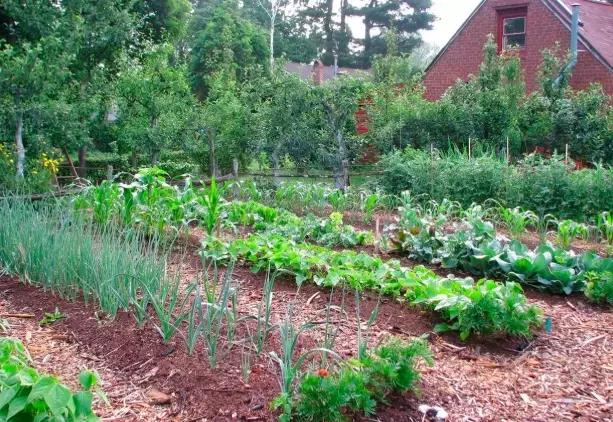
During heat waves, plants might need water twice a day. Containers dry out faster than ground beds.
Feeding Your Plants
Compost added at planting usually suffices for a few weeks. Then, side-dress with compost or use an organic fertilizer like fish emulsion every 4-6 weeks. Avoid high-nitrogen fertilizers for fruiting plants—they'll grow lush leaves but few fruits. I made that mistake with peppers; all foliage, no peppers.
Weeding and Mulching
Weeds compete for nutrients. Pull them when small, roots and all. Mulch is your best friend. Spread 2-3 inches of straw, wood chips, or grass clippings around plants. It conserves moisture, suppresses weeds, and regulates soil temperature. Don't pile mulch against stems—it can rot them.
Pest and Disease Control
Prevention beats cure. Inspect plants regularly, especially under leaves. Handpick caterpillars and beetles. For aphids, a strong spray of water often works. Neem oil is a good organic option, but apply in evening to protect bees.
Common issues:
- Yellow leaves: Could be overwatering, nutrient deficiency, or pests. Check soil moisture first.
- Holes in leaves: Likely caterpillars or slugs. Look for slime trails; set up beer traps.
- Powdery mildew: Improve air circulation; avoid overhead watering. A milk spray (1 part milk to 9 parts water) can help.
Rotate crops each year to prevent soil-borne diseases. Don't plant tomatoes in the same spot two years in a row.
Your Vegetable Garden Questions Answered
Gardening is a journey. You'll have failures—I still do. But each season teaches something new. Start small, keep notes, and enjoy the process. There's nothing like eating a salad you grew yourself.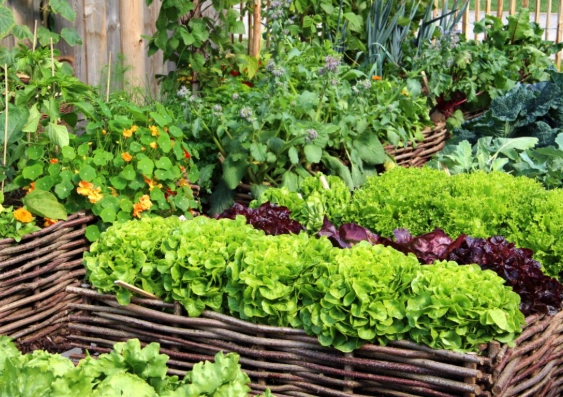
Reader Comments