Let's get straight to the point. The single biggest factor that determines whether your raised bed garden thrives or just survives is the stuff you fill it with. It's not the seeds, the fancy tools, or even how much you water. It's the soil mix. Get this wrong, and you're fighting an uphill battle against poor drainage, compacted roots, and hungry, underperforming plants. Get it right, and you create a living, breathing foundation that makes gardening feel almost effortless.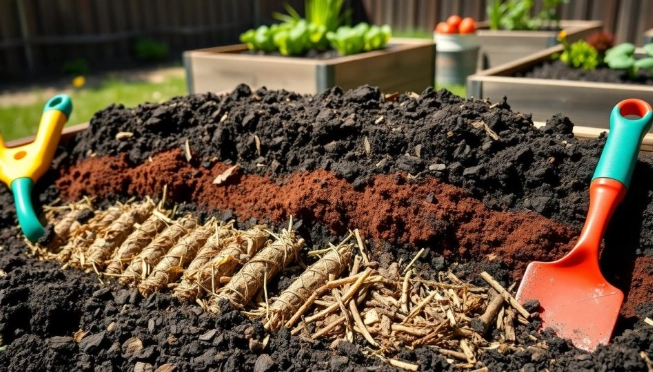
I learned this the hard way. My first raised bed was filled with whatever cheap "topsoil" the local landscape yard had on sale. It turned into a waterlogged, concrete-like slab by mid-summer. Since then, after years of trial, error, and talking to seasoned growers, I've settled on a philosophy and a recipe that works. It's not just about dumping bags of stuff into a box. It's about building a habitat.
What You'll Find in This Guide
- The "Why" Behind the Mix: More Than Just Dirt
- The Core Raised Bed Soil Recipe (With a Pro's Tweaks)
- Ingredient Deep Dive: What to Buy & Where to Find It
- How to Mix and Fill Your Raised Bed: A Step-by-Step Walkthrough
- Keeping Your Soil Alive: Seasonal Maintenance Is Key
- Common Pitfalls & How to Avoid Them
The "Why" Behind the Mix: More Than Just Dirt
Think of your raised bed soil as a three-part system. It needs structure, nutrition, and life.
Structure (The Framework): This is about particle size and air pockets. Roots need oxygen as much as they need water. A good mix has chunky bits—like coarse sand, perlite, or fine bark—that create permanent air channels. This prevents compaction, the silent killer of root systems. Without structure, soil settles into a dense mass after a few waterings.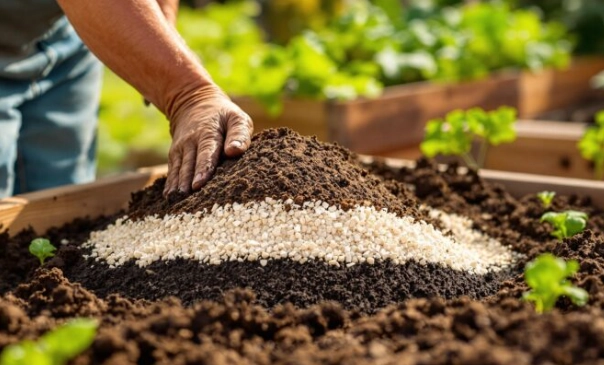
Nutrition (The Fuel): This comes primarily from decomposed organic matter—compost. It's not just fertilizer; it's the slow-release pantry that feeds soil microbes and, by extension, your plants. It also acts like a sponge, holding onto moisture and nutrients so they don't just wash away.
Life (The Engine): This is the most overlooked part. Your soil should be teeming with bacteria, fungi, worms, and other microbes. These organisms break down organic matter into plant-available food, help fight off diseases, and improve soil structure. Sterile, bagged soil has none of this. You build it by adding high-quality, living compost and avoiding harsh chemicals.
When these three work together, you get a loamy texture—that crumbly, dark, sweet-smelling soil that gardeners dream about. It holds moisture but drains freely. It's easy to dig into. It's alive.
The Core Raised Bed Soil Recipe (With a Pro's Tweaks)
Forget complicated formulas. The classic recipe, endorsed by everything from university extensions to old-timers, is beautifully simple: 1/3 Topsoil, 1/3 Compost, 1/3 Aeration Material. This is your golden ratio.
But here's where experience adds nuance. This ratio is a starting line, not a finish line. You adjust based on your climate and what you're growing.
| Ingredient | Primary Role | Best Options (My Preferences) | What to Avoid |
|---|---|---|---|
| Topsoil | Provides mineral content and bulk. The "body" of the mix. | Screened, sandy loam from a reputable landscape supply. It should be dark and crumbly. | Cheap, unscreened fill dirt full of clay lumps and rocks. Soil labeled just "fill dirt." |
| Compost | Adds nutrients, organic matter, and microbial life. The "food." | A blend of different composts is ideal: fungal-rich mushroom compost, nutrient-dense worm castings, and plant-based compost. Mix them! | Unfinished, smelly compost. Compost with lots of visible wood chips (it's not broken down yet). |
| Aeration Material | Creates air pockets for drainage and root growth. The "lungs." | Coarse Horticultural Sand (#3 grit size) is my top choice. Perlite, pumice, or fine bark chips (not nuggets) work too. | Play sand or fine masonry sand (it compacts). Pea gravel (too big, creates gaps). |
Climate Tweaks: In hot, dry climates, swap out up to half of the aeration material for coco coir or peat moss (moistened first!) to boost water retention. In cool, wet climates, lean heavier on the aeration (maybe 40%) to ensure things don't stay soggy.
Ingredient Deep Dive: What to Buy & Where to Find It
This is where you can save money and guarantee quality. Buying in bulk is the only sane way to fill a raised bed of any real size.
Topsoil: The Bulk Buy
Call local landscape supply companies. Ask for "screened sandy loam" or "premium topsoil blend." Go look at it if you can. It should be dark, smell earthy (not sour), and be free of large debris. Expect to pay by the cubic yard. A 4'x8'x1' bed needs about 1 cubic yard of total mix. Don't let them sell you pure clay subsoil.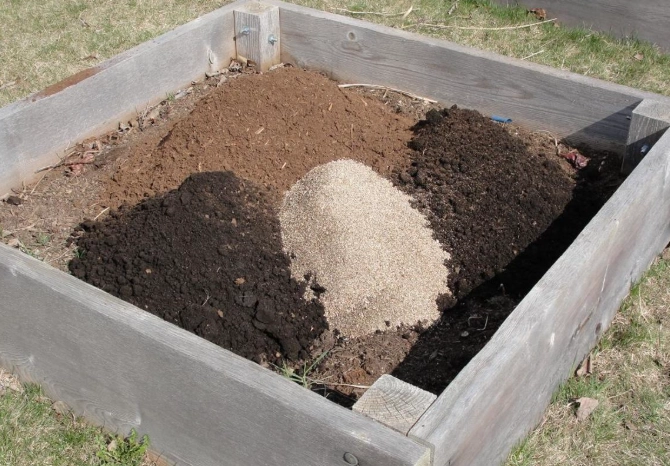
Compost: Diversity is Strength
Don't rely on one source. Bagged compost from big box stores is convenient for small top-ups, but for filling a bed, go bulk. Many municipalities give away compost made from yard waste (check its quality—it can be weedy). Local farms or composting facilities often sell excellent compost by the truckload. Mix a few types together for a balanced nutrient profile.
Aeration: The Drainage King
Coarse sand is cheap and permanent—it won't break down. You can find it at landscape centers (often called "concrete sand" or "torpedo sand," but check the grit). Perlite is lighter but can float to the top over time. I'm a sand convert for its durability.
A Critical Note on Cost: Filling a deep raised bed isn't cheap if you do it right with quality ingredients. A 4'x8'x2' bed (64 cubic feet) might cost $150-$300 in materials depending on your location. View it as a one-time investment in your garden's future. Skimping here costs you more in failed crops, water, and fertilizer later.
How to Mix and Fill Your Raised Bed: A Step-by-Step Walkthrough
You can't mix this properly inside the bed. You need space.
1. The Mixing Floor: Use a large tarp on a driveway or lawn. Dump your measured piles of topsoil, compost, and aeration material onto the tarp.
2. The Initial Blend: With a shovel, turn the pile from the edges into the center. Do this back and forth a few times until the colors start to blend.
3. The Moisture Check: This is the pro step everyone misses. Grab a handful and squeeze. It should hold together loosely but crumble apart when you poke it. If it's dusty, lightly mist it with water as you turn. If it forms a muddy ball, it's too wet—let it dry a bit or add more aeration material.
4. Filling the Bed: Before you shovel in your beautiful mix, put down a light, loose layer of carbon-rich material at the very bottom. I use a few inches of small twigs, straw, or even shredded cardboard. This acts as a sponge and slowly decomposes, adding organic matter deep in the bed. It's better than landscape fabric or gravel, which can impede drainage.
Now, shovel in your mix. Don't stomp it down! Fill it loosely to the top. It will settle several inches after the first few waterings—that's normal, you can top it up later.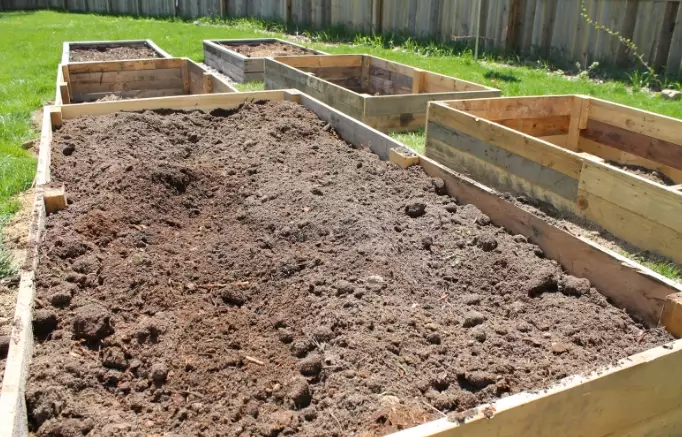
Keeping Your Soil Alive: Seasonal Maintenance Is Key
Your job isn't over after filling. Soil is dynamic.
At the end of each season, pull spent plants but leave the roots in the ground to decompose. In fall, top the bed with an inch or two of finished compost or well-rotted manure. You can plant a cover crop like winter rye to protect and nourish the soil.
In spring, that layer has integrated. You might just need to fluff the top few inches with a fork, add another inch of compost, and you're ready to plant. No tilling needed. This no-till, always-mulched approach protects the soil structure and the life within it.
Every 2-3 years, do a deeper refresh. Remove the top 8-10 inches of soil into a wheelbarrow or onto a tarp. Mix in a generous amount of new compost and a bit of fresh aeration material, then return it to the bed. This revitalizes without starting from scratch.
Common Pitfalls & How to Avoid Them
Let's troubleshoot before you even have problems.
Pitfall 1: The "Mud Pie" Bed. Your soil stays wet for days. You used poor-draining topsoil or not enough aeration. Fix: For an existing bed, it's tough. You can try carefully forking in coarse sand or perlite into the top layer for future seasons, or grow plants that tolerate wet feet.
Pitfall 2: The "Dust Bowl" Bed. Soil dries out incredibly fast. Too much sand/perlite, not enough compost or water-retentive organic matter. Fix: Top-dress heavily with compost and worm castings. Mulch deeply with straw or wood chips to reduce evaporation.
Pitfall 3: The "Hungry" Bed. Plants are stunted and yellow. The compost you used was low-nutrient or the soil life hasn't been fed. Fix: Side-dress plants with a balanced organic fertilizer during the growing season. Ensure your annual compost top-up is high quality.
The biggest takeaway? Your raised bed soil is a living investment. Treat it like one. Start with the best mix you can, feed it with compost regularly, and disturb it as little as possible. Do that, and you'll build a resilient, productive ecosystem right outside your door.
Your Raised Bed Soil Questions, Answered
What is the exact ratio for a simple raised bed soil mix?
A reliable, all-purpose starting point is the 1:1:1 ratio: equal parts topsoil, high-quality compost, and aeration material like coarse horticultural sand or fine bark. This creates a balanced foundation. For moisture retention in hot climates, you might shift to 40% topsoil, 40% compost, and 20% coir or peat moss. The key is observing how your mix behaves after watering and adjusting from there.
What's the biggest mistake people make when filling a new raised bed?
The most common and costly error is using cheap, unamended topsoil or, worse, native clay soil straight from the yard. This stuff packs down into a hard, lifeless brick that drains poorly and suffocates roots. Another subtle mistake is skipping the 'light layer' at the very bottom. Before adding your good mix, lay down a few inches of small branches, straw, or even shredded cardboard. This decomposes over time, adds organic matter deep down, and improves long-term drainage without creating a perched water table like rocks or gravel can.
Do I need to replace all the soil in my raised bed every year?
Absolutely not. Complete replacement is wasteful and disruptive. Soil is a living ecosystem. Each season, you replenish it. At the start of each growing season, remove any old plant debris, then top it up with a 2-4 inch layer of fresh compost mixed with some balanced, slow-release organic fertilizer. This 'top-dressing' feeds the soil life and your plants. Every 2-3 years, consider doing a deeper refresh by removing the top 6-8 inches of soil, mixing in new compost and aeration material, and then returning it to the bed.
Can I use bagged potting mix for my entire raised bed?
You can, but I wouldn't recommend it for a bed larger than a few square feet, and here's why. First, cost: filling a 4x8 bed with bagged mix is prohibitively expensive. Second, performance: many potting mixes are very light and peat-heavy. In a deep raised bed, they can dry out unevenly and collapse (decompose) significantly within a single season, leaving you with less soil volume. They're designed for containers. For raised beds, a custom blend using bulk ingredients is far more cost-effective and durable in the long run.
Reader Comments