I remember my first attempt at green beans cultivation. I planted the seeds too deep, watered them like I was trying to create a swamp, and then wondered why only a few spindly plants appeared. The harvest was pathetic. If you've had a similar experience, or if you're starting from scratch, let's fix that. Growing green beans should be simple and massively rewarding. This guide strips away the fluff and gives you the straight talk you need for a bumper crop, whether you have a sprawling garden or just a sunny balcony.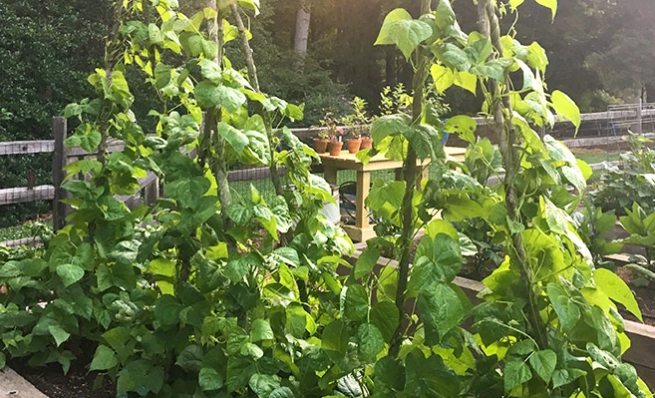
What You'll Learn in This Guide
- Picking the Right Bean for Your Space
- The Planting Foundation: Soil, Site, and Timing
- How to Plant Green Beans for Maximum Yield
- Care and Feeding: Water, Food, and Weed Control
- The Art of Harvesting and Storing Your Beans
- Troubleshooting Common Green Bean Problems
- Your Green Bean Growing Questions Answered
Picking the Right Bean for Your Space
This is your first major decision, and it dictates everything else. Don't just grab any seed packet.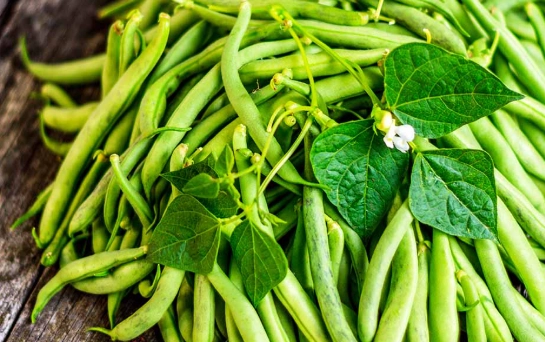
You have two main growth habits to choose from:
| Type | Growth Habit | Best For | Key Traits |
|---|---|---|---|
| Bush Beans | Grows in a compact, self-supporting bush about 1-2 ft tall. | Beginners, small spaces, container gardening, succession planting. | Fast to mature (50-55 days). All pods ripen around the same time. Plant, harvest, then pull up and replant. |
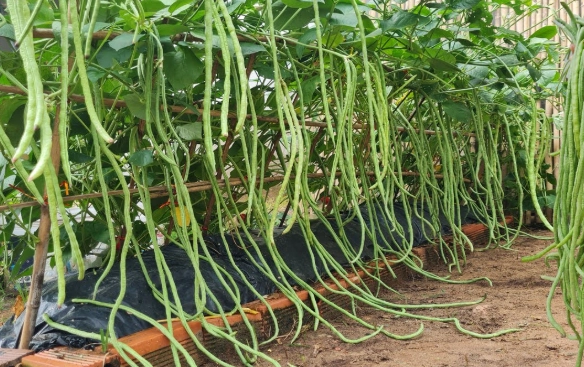
| Pole Beans | Vining climbers that need tall support (6-8 ft). | Vertical gardening, maximizing yield in small footprints, extended harvests. | Take longer to start (60-70 days), but then produce continuously for 6-8 weeks. Higher total yield per plant. |
My personal bias? If you have any way to put up a trellis, go for pole beans. That extended harvest window means fresh beans for weeks, not a single glut. Varieties like 'Kentucky Wonder' or 'Blue Lake' are classics for a reason—they're reliable and prolific.
But what if your space is limited? Bush beans are your heroes. Look for compact varieties labeled for containers. 'Provider' is a tough, early bush bean that lives up to its name.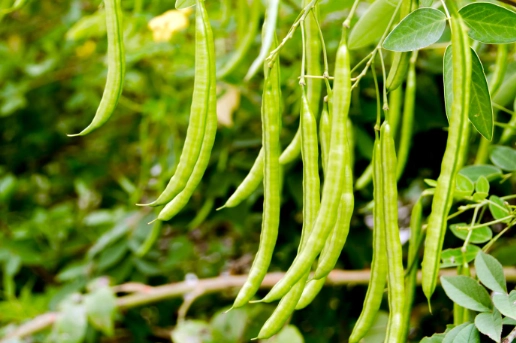
The Planting Foundation: Soil, Site, and Timing
Green beans aren't super picky, but getting the basics right prevents headaches later.
Timing is Everything
Beans are warm-season crops. They fear frost and sulk in cold soil. The rule of thumb: plant seeds 1-2 weeks after your last average spring frost date, when soil temperatures are reliably above 60°F (16°C). You can find your local frost dates from sources like the USDA or your local university extension office. Planting too early is a common rookie mistake—seeds rot, germination is spotty.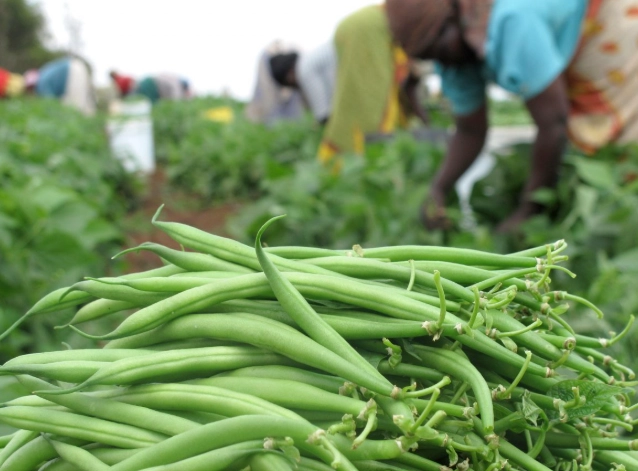
For a fall harvest, count backwards 10-12 weeks from your first expected fall frost.
Sun and Soil
Think full sun. That means a minimum of 6-8 hours of direct sunlight. Less sun equals fewer beans, it's that simple.
Soil should be well-draining. If water pools after a rain, you need to raise your beds or amend heavily with compost. Beans fix their own nitrogen from the air (with help from rhizobia bacteria), so they don't need super-rich soil. In fact, soil that's too high in nitrogen will give you a beautiful, bushy plant with very few beans. Aim for a neutral pH, around 6.0-7.0.
How to Plant Green Beans for Maximum Yield
Here’s the step-by-step, no magic required.
1. Prep the Soil: Loosen the soil to about 8-10 inches deep. Remove large stones and weeds. Rake it smooth.
2. Planting Depth and Spacing: This is crucial. Plant seeds about 1 inch deep. For bush beans, space seeds 3-4 inches apart in rows that are 18-24 inches apart. For pole beans, plant seeds 4-6 inches apart at the base of your trellis.
I see people planting them way too deep. A seed only has so much energy to push to the surface. An inch is perfect.
3. To Soak or Not to Soak? You can soak seeds in lukewarm water for 2-4 hours before planting to speed up germination, especially if your soil is on the drier side. It's not mandatory, but it can shave a day or two off the wait. Don't soak longer, or they might rot.
4. Water Gently: Water the planted area thoroughly but gently to settle the soil without washing the seeds away. Keep the soil consistently moist (not soggy) until you see sprouts, which usually takes 7-10 days.
5. Set Up Supports Now: If growing pole beans, install your trellis, tepee, or netting at planting time. Putting it in later risks damaging the developing roots.
Care and Feeding: Water, Food, and Weed Control
Once they're up, green beans are relatively low-maintenance, but a few key practices make a huge difference.
Watering Wisely
The most critical period is when plants are flowering and setting pods. Inconsistent watering during this phase causes flowers to drop and pods to be misshapen.
Aim for about 1 inch of water per week. It's better to water deeply once or twice a week than to sprinkle daily. Water at the base of the plants to keep leaves dry and prevent disease. A soaker hose or drip irrigation is ideal.
The Mulch Mandate
This is non-negotiable in my book. Apply a 2-3 inch layer of organic mulch (straw, shredded leaves, grass clippings) around your plants after they are a few inches tall.
- It conserves moisture, reducing watering frequency.
- It suppresses weeds, which compete for nutrients.
- It keeps the soil temperature even and roots cool.
Fertilizing: Less is More
Remember, they fix nitrogen. If your plants look healthy and green, you likely don't need to fertilize at all. If growth seems stunted or leaves are pale, a side-dressing of compost or a balanced, low-nitrogen organic fertilizer when flowering begins can help pod production.
The Art of Harvesting and Storing Your Beans
Harvesting at the right time is what turns a good crop into a great one.
When to Pick: Harvest when pods are firm, crisp, and have reached their full length, but before the seeds inside begin to bulge visibly. The pod should snap easily. For most varieties, this is when they are about the diameter of a pencil.
Check your plants every other day during peak season. Pods can go from perfect to tough and stringy surprisingly fast.
How to Pick: Use one hand to hold the stem and the other to snap or cut the pod off. Be careful not to tear or yank the vine, especially with pole beans.
Storing Your Bounty: Beans are best eaten fresh. For storage, don't wash them. Place dry beans in a perforated plastic bag in your refrigerator's crisper drawer. They'll keep for about a week. For longer storage, blanching and freezing is the best method to preserve texture and flavor.
Troubleshooting Common Green Bean Problems
Even with great care, issues can pop up. Here’s how to handle the usual suspects.
Holes in Leaves: Likely Mexican bean beetles or Japanese beetles. Hand-pick them off in the morning and drop them into soapy water. For severe infestations, neem oil or spinosad can be effective organic controls.
Flowers but No Pods: This is frustrating. The top causes are:
1. Heat: Temperatures consistently above 85°F (29°C) can cause flowers to abort.
2. Lack of Pollinators: Beans are mostly self-pollinating, but extreme heat or rain can interfere. It's rarely the main issue.
3. Too Much Nitrogen: The plant is putting energy into leaves, not reproduction. Hold off on nitrogen-rich feeds.
Mold or Rust on Leaves: This is a fungal disease like powdery mildew or rust, often caused by overhead watering and poor air circulation. Water at the base, ensure good spacing, and remove affected leaves. In humid climates, choose disease-resistant varieties.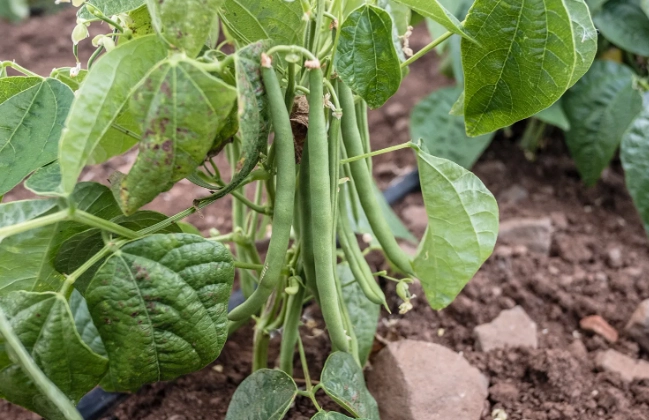
Your Green Bean Growing Questions Answered
Can green beans be grown in containers?
Why are my green bean plants flowering but not producing beans?
What is the best way to support pole beans?
How often should I water my green bean plants?
Growing your own green beans is one of the most satisfying entries into gardening. It's a fast, visible reward for your effort. Start with good seeds, give them sun and consistent moisture, and pick them on time. You'll be amazed at the difference between a homegrown bean and a store-bought one. The flavor is brighter, the crunch is more satisfying. Give it a try this season.
Reader Comments