Let's be honest. Traditional in-ground gardening can be a battle. Poor soil, relentless weeds, back pain. That's why so many gardeners, from beginners to seasoned pros, are switching to raised garden beds. It's not just a trend; it's a smarter way to grow. You control the soil, reduce weeds, improve drainage, and literally raise your garden to a more comfortable level. But where do you start? The design is everything. A well-planned raised bed isn't just a box of dirt; it's the foundation of your entire growing season.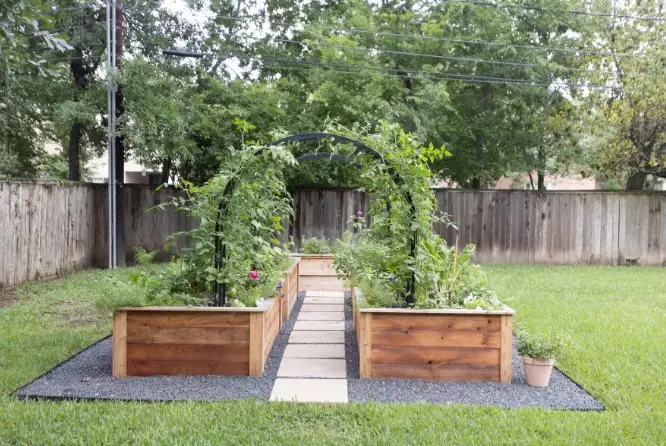
Your Quick Guide to Raised Bed Success
Why Raised Beds Are a Game-Changer
I built my first raised bed ten years ago because my backyard was basically clay soup. The transformation was immediate. Here's what you gain:
Superior Soil & Drainage: You fill it with a perfect, fluffy mix of topsoil, compost, and other amendments. No more guessing or amending terrible native soil. Water drains properly, preventing root rot.
Weed & Pest Control: Starting with fresh, weed-free soil is huge. The defined edges also make it harder for invasive grass to creep in. You can even attach hardware cloth to the bottom to deter burrowing pests like voles.
Ergonomics: This is the big one. Bending over less means you'll garden more. For those with mobility issues, you can build beds tall enough to garden from a seated position.
Longer Growing Season: The soil in raised beds warms up faster in spring, letting you plant earlier. In fall, you can extend the season with simple hoops and row cover.
Organization & Yield: Defined beds make crop rotation and companion planting easier. The loose soil allows you to plant more intensively, boosting yield per square foot.
A study from the University of Maryland Extension highlights that well-managed raised beds can produce 1.5 to 2 times more vegetables than the same space planted in rows in an in-ground garden. That's efficiency.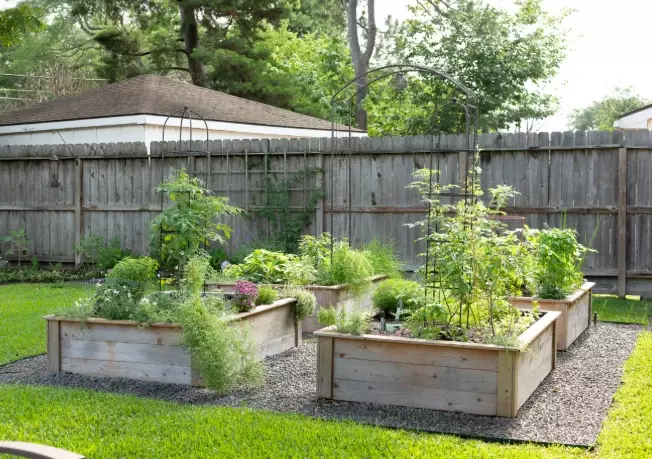
Five Core Raised Bed Designs to Consider
Your design depends on space, budget, and what you want to grow. Don't just default to a rectangle. Think about it.
1. The Classic Rectangle (The Workhorse)
The standard for a reason. A 4-foot width is key—it allows you to reach the center from either side without stepping on the soil. Length is flexible (8 feet is common). Keep height between 12-18 inches for most veggies.
Best for: General vegetable gardening, beginners, maximizing space in a grid layout.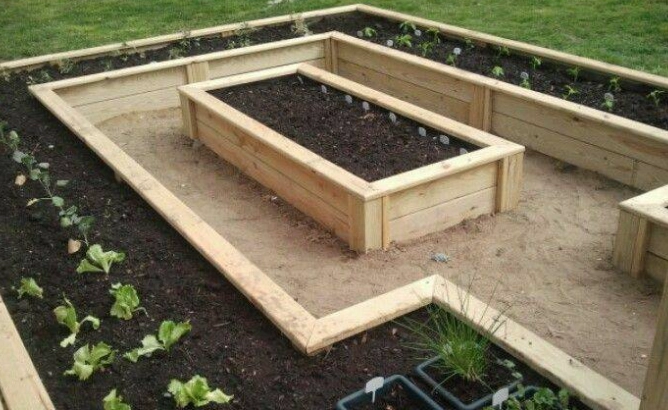
2. The Keyhole Garden
This is a brilliant design often used in permaculture. Imagine a round bed with a pie-slice cutout for access to a central compost basket. You toss kitchen scraps right into the basket, and nutrients leach into the surrounding soil. It conserves water and creates a super fertile spot.
Best for: Dry climates, gardeners wanting a low-maintenance fertility system, adding a focal point.
3. Tiered or Stair-Step Beds
Multiple beds at descending heights, often built into a slope. They look fantastic and are perfect for dealing with uneven terrain. You can plant sun-loving herbs on the top tier and moisture-loving lettuces lower down.
Best for: Sloping yards, creating visual interest, separating plant types by water needs.
4. The "Tabletop" or Waist-High Bed
These are raised beds on legs, typically 24-36 inches high. No bending at all. The downside? They require a lot more soil and can dry out faster. Ensure the bottom has excellent drainage and use a lighter soil mix.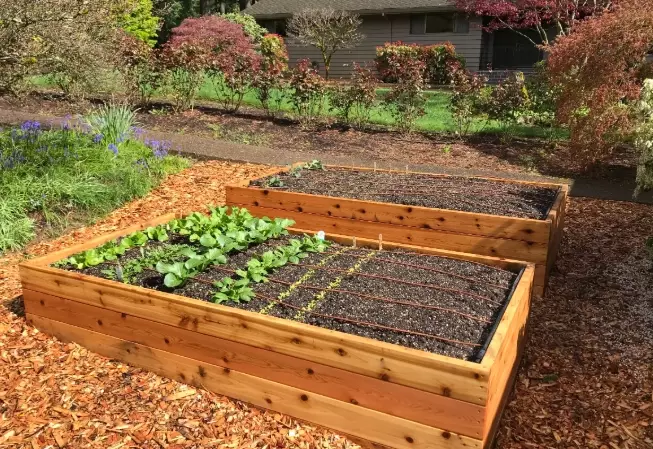
Best for: Gardeners with severe back issues, patio/balcony gardening (if scaled down), wheelchair accessibility.
5. The Modular Grid System
Instead of a few large beds, use several identical smaller squares (like 4'x4' or 3'x3'). This allows for extreme crop rotation and experimentation. It's the principle behind Square Foot Gardening, a method I've had incredible success with for maximizing small spaces.
Best for: Small spaces, organized gardeners, teaching kids, practicing intensive planting.
Choosing the Right Materials: A Reality Check
This is where most people get stuck. Every material has trade-offs between cost, longevity, and aesthetics.
| Material | Pros | Cons | Estimated Lifespan | Cost (for a 4'x8' bed) |
|---|---|---|---|---|
| Cedar or Redwood | Naturally rot-resistant, beautiful, safe for plants. | Expensive. Can still eventually decay. | 10-15+ years | $$$ ($150-$300+) |
| Pine (Untreated) | Inexpensive, readily available, easy to work with. | Will rot in 3-7 years. It's a temporary solution. | 3-7 years | $ ($50-$100) |
| Modern Pressure-Treated | Affordable, very long-lasting, readily available. | Some gardeners have safety concerns (though post-2003 wood is considered safe by the EPA). | 15-20+ years | $$ ($80-$150) |
| Composite Lumber | Very long-lasting, no rot, often made from recycled plastics. | Can be very expensive, may not have the classic look. | 20+ years | $$$$ ($250-$500+) |
| Corten Steel | Extremely durable, modern aesthetic, develops a rust patina that protects it. | Very expensive, can get hot in full sun, edges can be sharp. | 25+ years | $$$$ ($400-$800+) |
| Concrete Blocks or Bricks | Permanent, inexpensive, great thermal mass. | Heavy to move, can alter soil pH (slightly alkaline), less attractive to some. | Permanent | $$ ($60-$120) |
My take? For your first bed, use untreated pine or cedar if you can afford it. It's a low-stakes way to learn. If you know you're in it for the long haul, invest in cedar or a metal kit. I made the mistake of using cheap, thin pine boards for my first bed—they warped and split within two seasons. Lesson learned.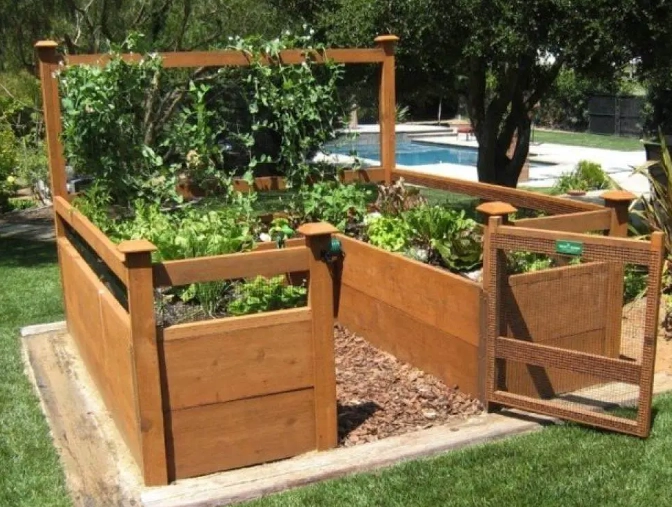
One more note: avoid using old railroad ties or pre-2003 pressure-treated wood, as they contained harmful chemicals like creosote or arsenic.
How to Build a Raised Bed: A Step-by-Step Walkthrough
Let's build a simple, sturdy 4'x8'x12" cedar bed. You'll need: (4) 2"x12"x8' cedar boards, (2) 2"x12"x4' cedar boards, exterior-grade screws (3.5" long), a drill, a level, and a shovel.
Step 1: Location, Location, Location. Pick a spot with at least 6-8 hours of direct sun. Ensure it's level and has easy access to water. Check your USDA Plant Hardiness Zone to understand your growing season, but sun is universal.
Step 2: Prep the Site. Lay down cardboard or several layers of newspaper over the grass/weeds inside your bed's footprint. This smothers them. Don't use plastic—it kills drainage.
Step 3: Assemble the Frame. Pre-drill your holes to prevent splitting. Screw the 8-foot boards to the ends of the 4-foot boards to form a rectangle. Use two screws per joint. For extra strength, add a vertical corner post (a 4x4 cut to 12 inches) inside each corner and screw through the sides into it.
Step 4: Place and Level. Set the frame in place. Use a level on all sides. If the ground is uneven, you may need to dig out a little on the high side. A slightly unlevel bed leads to uneven watering.
Step 5: Fill It Up. This is the most important—and costly—part. Don't just use bagged topsoil. A classic mix is 1/3 blended topsoil, 1/3 compost, and 1/3 aeration material (like coarse horticultural sand, coconut coir, or peat moss). Many local garden centers or soil yards sell "raised bed mix" which is a good start. Fill it to within an inch of the top.
Pro tip I learned the hard way: if you have gophers or voles, staple a layer of hardware cloth (metal mesh) to the bottom of the frame before you place it. It's a hassle to retrofit.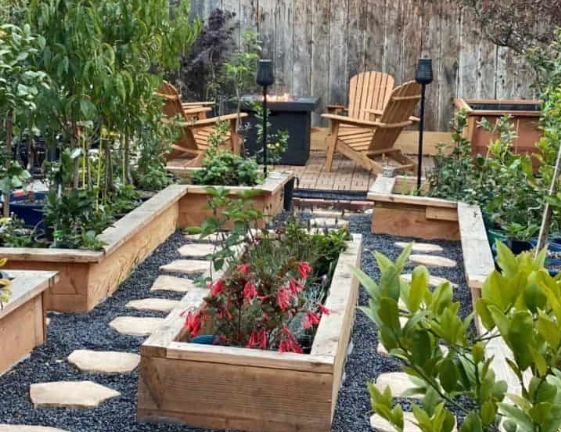
What to Plant in Your New Raised Garden Bed
The warm, loose soil is a paradise for plants. Start with easy, high-yield crops.
Top Picks for Beginners:
- Lettuce & Salad Greens: Fast, can be cut-and-come-again.
- Radishes: Ready in 25-30 days. Instant gratification.
- Bush Beans: Don't need staking, produce heavily.
- Kale & Swiss Chard: Hardy, productive for months.
- Tomatoes (one plant per 2-4 sq ft): Get a determinate (bush) variety for easier management.
- Peppers & Eggplants: Love the warm soil.
Companion Planting Tip: Plant basil near tomatoes—it's said to improve flavor and repel pests. Marigolds around the edges can help deter nematodes.
Avoid planting aggressive spreaders like mint directly in the bed unless it's in a sunken pot.
Essential Maintenance Tips for Raised Beds
Raised beds are lower maintenance, not no maintenance.
Watering: They drain well, so they dry out faster than in-ground soil. In peak summer, you might need to water daily. Soaker hoses or drip irrigation on a timer are worth their weight in gold. Mulch with straw or shredded leaves to retain moisture.
Feeding: The soil is contained, so nutrients get used up. Replenish each season by mixing in 2-3 inches of fresh compost. You can also use an organic, balanced granular fertilizer at planting time.
Soil Settlement: The soil level will drop a few inches each year as organic matter decomposes. Just top it off with more compost.
Crop Rotation: Don't plant the same family of vegetables (e.g., tomatoes, peppers, potatoes) in the same spot year after year. It helps prevent disease and nutrient depletion.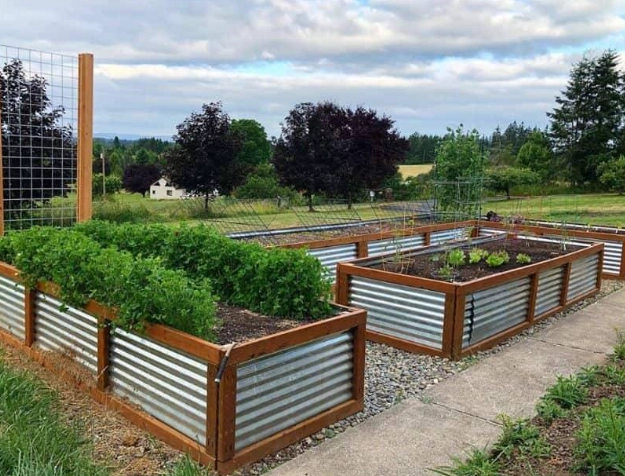
Your Raised Bed Questions, Answered
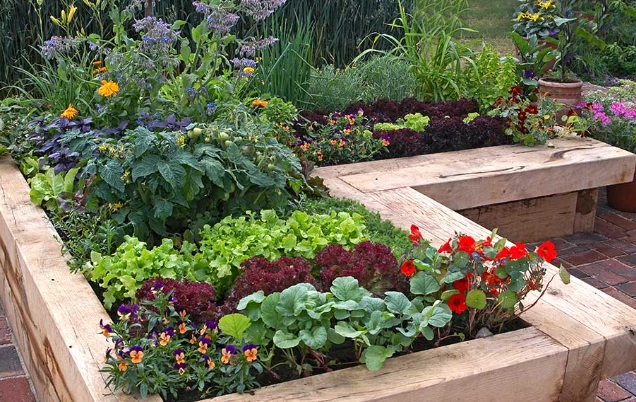
The right raised garden bed design transforms gardening from a chore into a joy. It gives you control. Start with a simple design, use the best materials you can afford, and focus on building fantastic soil. The rest—the harvests, the beauty, the satisfaction—will follow.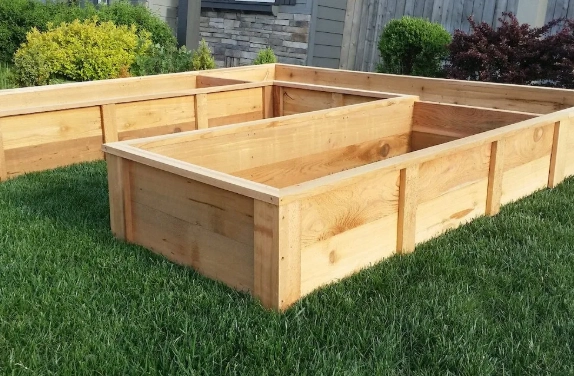
Reader Comments