I remember my first carrot harvest—a bunch of twisted, forked roots that looked more like abstract art than food. That was ten years ago. Since then, I've learned the hard way that growing carrot plants isn't just about tossing seeds in dirt. It's a dance with soil, water, and timing. If you're tired of skinny carrots or pest-ridden leaves, stick with me. This guide cuts through the fluff and gives you the real steps to grow sweet, straight carrots, whether you're in a backyard or a container.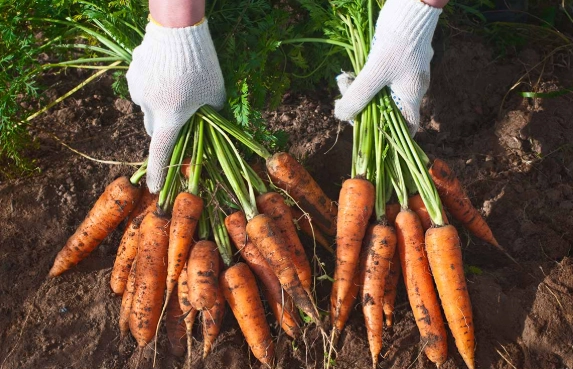
In This Guide
- Picking the Right Carrot Variety for Your Garden
- Soil Secrets: The Foundation for Great Carrots
- Step-by-Step Planting from Seed to Sprout
- Ongoing Care: Watering, Feeding, and Protecting
- When and How to Harvest for Best Flavor
- Fixing Common Carrot Growing Problems
- My Carrot Planting Journey: Lessons Learned
- Your Questions Answered
Picking the Right Carrot Variety for Your Garden
Not all carrots are created equal. Go to any seed catalog, and you'll see dozens—short, long, purple, yellow. The choice matters more than you think. I made the mistake of planting 'Imperator' carrots in my heavy clay soil; they barely grew an inch before hitting a hard layer.
For most home gardens, I recommend starting with 'Nantes' types. They're sweet, cylindrical, and tolerate less-than-perfect soil. If you have shallow beds or containers, try 'Paris Market' or 'Little Finger'—they're round and mature fast.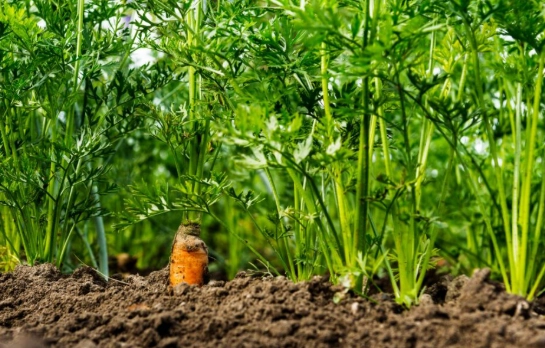
Here's a quick table I use to decide:
| Variety | Best For | Days to Harvest | Notes |
|---|---|---|---|
| Nantes | All-purpose, sweet flavor | 65-75 | Adapts to various soils |
| Chantenay | Heavy or rocky soil | 70-80 | Short, stout roots |
| Imperator | Deep, sandy soil | 75-85 | Classic long carrot; needs perfect conditions |
| Paris Market | Containers, shallow beds | 50-60 | Round, early harvest |
I get my seeds from reputable sources like Baker Creek Heirloom Seeds or local nurseries. Avoid bargain bins—old seeds have low germination rates.
Soil Secrets: The Foundation for Great Carrots
This is where most beginners fail. Carrots are root vegetables; they need loose, well-draining soil. If your soil is compacted or rocky, you'll get forked monsters. I learned this after a season of disappointment.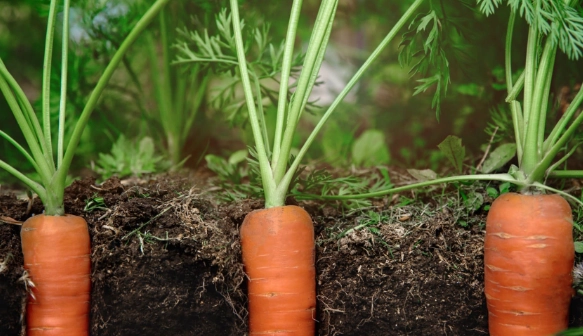
Getting the Texture Right
Sandy loam is ideal. If you have clay, amend it. I mix in coarse sand and compost—about 2 inches of each worked into the top 12 inches. Don't use fine sand; it can create concrete. A soil test helps; carrots prefer a pH of 6.0-6.8. The University of California's Agriculture and Natural Resources site has great guides on soil preparation for root crops.
Fertility: The Nitrogen Trap
Here's a non-consensus point: go easy on nitrogen. Too much nitrogen gives you lush tops but tiny roots. I use a balanced organic fertilizer like 5-10-10 at planting, focusing on phosphorus for root development. Avoid fresh manure; it causes branching and can harbor pathogens.
Prepare beds 2-3 weeks before planting. Loosen soil deeply with a garden fork—not a tiller if you can help it, as tilling can create hardpan. Rake it smooth, removing stones and clumps.
Step-by-Step Planting from Seed to Sprout
Carrot seeds are tiny and slow to germinate. Patience is key. I plant in early spring, as soon as soil can be worked, and again in late summer for a fall harvest.
Timing Is Everything
Soil temperature should be at least 45°F (7°C). In my zone 6 garden, that's mid-April. For fall carrots, plant 10-12 weeks before the first frost. The Old Farmer's Almanac planting calendar is a handy reference, but I also use a soil thermometer—it's more accurate.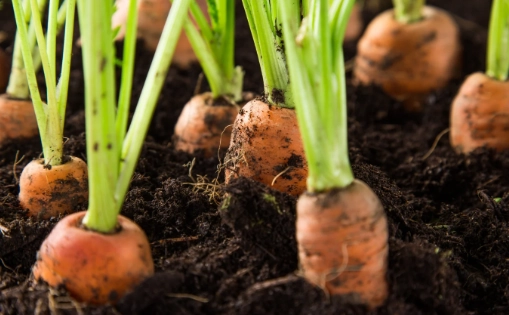
How to Sow for Success
Make shallow rows, about 1/4 inch deep. Space rows 12 inches apart. Mix seeds with sand to avoid overcrowding. Sow thinly—I aim for 2-3 seeds per inch. Cover lightly with soil or vermiculite, which retains moisture. Water gently with a fine mist.
Germination takes 1-3 weeks. Keep soil consistently moist. I cover rows with a board or burlap for the first week to retain moisture, checking daily. Once sprouts appear, remove the cover.
Ongoing Care: Watering, Feeding, and Protecting
Carrots aren't high-maintenance, but they need consistent care. Let's break it down.
Watering: The Steady Hand
Inconsistent watering causes cracking. Water deeply once a week, providing about 1 inch of water. Use a rain gauge. During hot spells, I water twice a week. Mulch with straw or grass clippings to conserve moisture and suppress weeds.
Feeding and Weeding
Side-dress with compost or a low-nitrogen fertilizer 4-6 weeks after planting. Weeds compete fiercely; hand-pull carefully to avoid disturbing carrot roots. I weed after watering when soil is soft.
Pest and Disease Management
Carrot rust flies are the worst. Adults lay eggs near seedlings; larvae tunnel into roots. I use floating row covers immediately after planting, securing edges with soil. This blocks flies and other pests. For diseases like leaf blight, ensure good air circulation and avoid overhead watering.
Companion planting with onions or leeks can help deter pests, but row covers are more reliable in my experience.
When and How to Harvest for Best Flavor
Harvest time depends on variety. Most are ready 60-80 days after planting. Check by gently brushing soil from a shoulder—if it's about 1/2 to 3/4 inch in diameter, it's good to go.
For sweeter carrots, harvest after a light frost. In fall, I leave some in the ground under mulch for winter harvest. To harvest, loosen soil with a fork and pull gently. Don't yank—you might break the root.
Store unwashed carrots in a cool, humid place. I use perforated plastic bags in the fridge, or in sand in a root cellar. They last months if stored properly.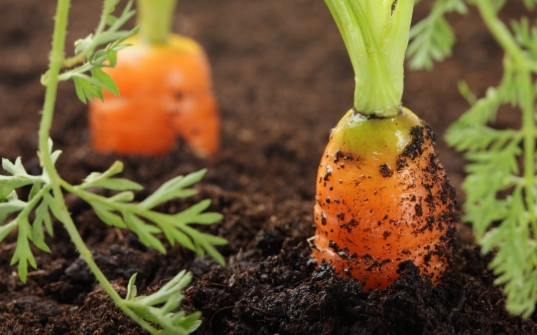
Fixing Common Carrot Growing Problems
Even with care, issues pop up. Here's a quick fix list based on my trials:
- Forked roots: Soil too rocky or compacted. Improve soil texture next time.
- Cracking: Inconsistent watering. Maintain even moisture.
- Green shoulders: Exposure to sun. Hill soil around tops as carrots grow.
- Poor germination: Old seeds or dry soil. Use fresh seeds and keep moist.
I keep a garden journal to track what works. It's saved me from repeating mistakes.
My Carrot Planting Journey: Lessons Learned
When I started, I followed generic advice and failed. One year, I planted in a new bed without checking soil—it was full of construction debris. The carrots were a mess. Another time, I over-fertilized with chicken manure; got all tops, no bottoms.
Now, I test soil every spring. I've switched to raised beds filled with a mix of compost, peat, and sand. My yields have tripled. The key is observation: watch how plants respond and adjust. Gardening isn't about perfection; it's about learning.
I also involve my kids—they love pulling carrots. It's a great way to connect with food.
Your Questions Answered
Growing carrot plants is rewarding once you know the tricks. Start with good soil, be patient with seeds, and keep care consistent. For more details, check resources like the USDA plant hardiness zone map or local extension offices. Happy gardening!
Reader Comments