Let's cut to the chase: the success or failure of your raised bed garden hinges on one thing—the soil you put in it. I've seen gardens thrive and I've seen them flop, and nine times out of ten, the difference was in the dirt. You can't just shovel in whatever's handy. Raised beds are a unique environment. They need a mix that drains perfectly yet holds moisture, is light and fluffy but packed with nutrients. Get this right, and you've done 80% of the work for a fantastic harvest.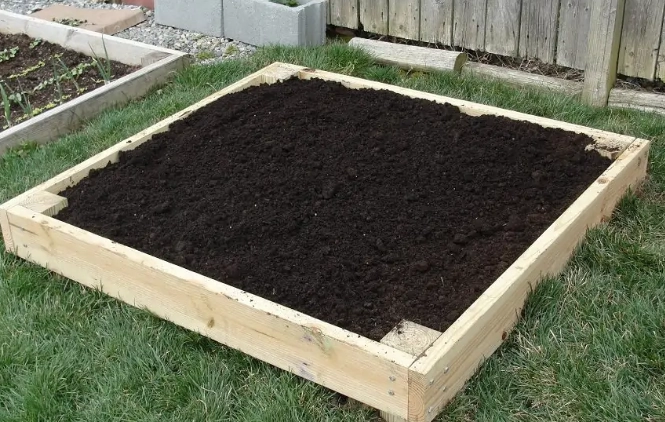
What's Inside This Guide?
Why Raised Bed Soil is Different (And Why It Matters)
Think of your raised bed as a giant container. Unlike in-ground gardening, roots can't go searching far and wide for water and food. They're confined. This means your soil mix has to be the perfect host—providing everything in a balanced, accessible way.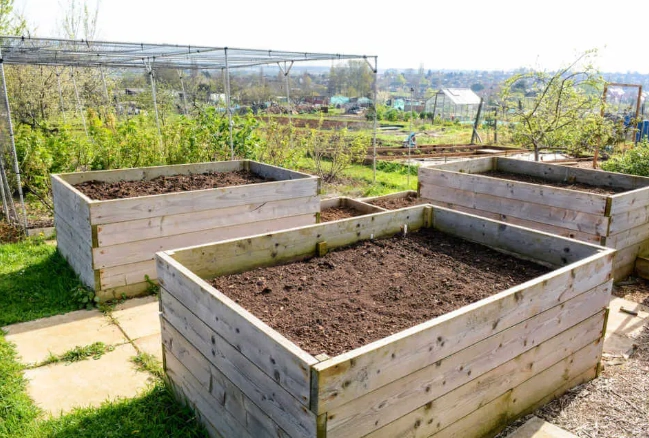
The biggest pitfall? Poor drainage. Soggy soil is a death sentence. It suffocates roots and invites disease. At the same time, raised beds can dry out faster than the ground, so the soil needs to hold onto moisture like a sponge. It's a delicate balance.
I learned this the hard way. My first raised bed, I used cheap bagged "garden soil." It was heavy, clumpy, and after a rain, it stayed wet for days. My plants just sat there, yellow and stunted. That's when I realized bagged soil is often the leftovers from the landscaping industry—too fine, too dense. It doesn't have the structure raised beds crave.
Good raised bed soil is about structure first, nutrition second. You build the house (a loose, aerated structure) before you move in the furniture (nutrients and microbes).
The Core Raised Bed Soil Recipe Explained
Forget complicated formulas. After years of tweaking, I've settled on a foundational principle you can adapt. It's often called the "Mel's Mix" popularized by Square Foot Gardening, and for good reason—it works. But I've adjusted it based on cost and regional availability.
The Universal Foundation: Aim for a mix that is roughly one-third solid structure, one-third moisture management, and one-third nutrient and biological life.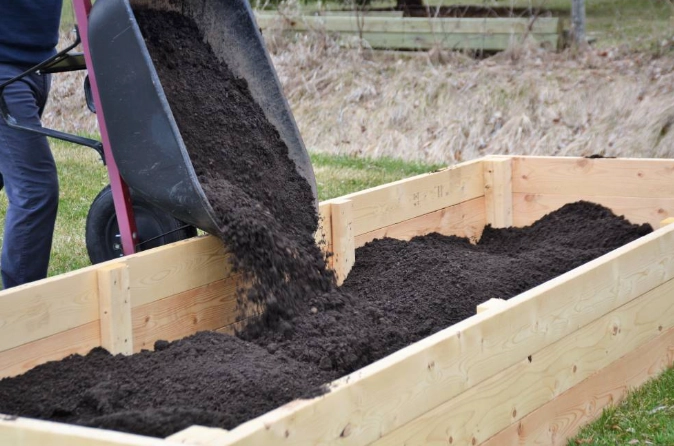
Here’s a breakdown of the key players and what they do:
| Ingredient | Primary Role | What to Look For / Avoid |
|---|---|---|
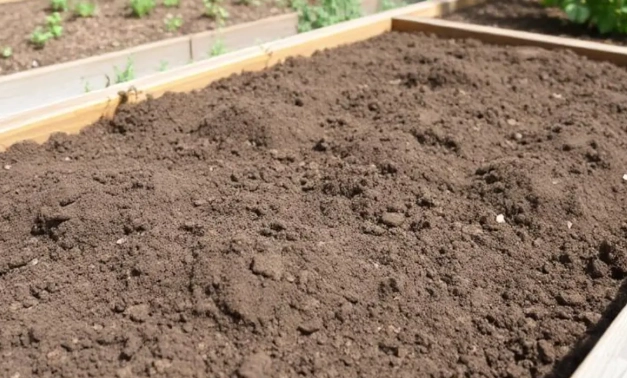
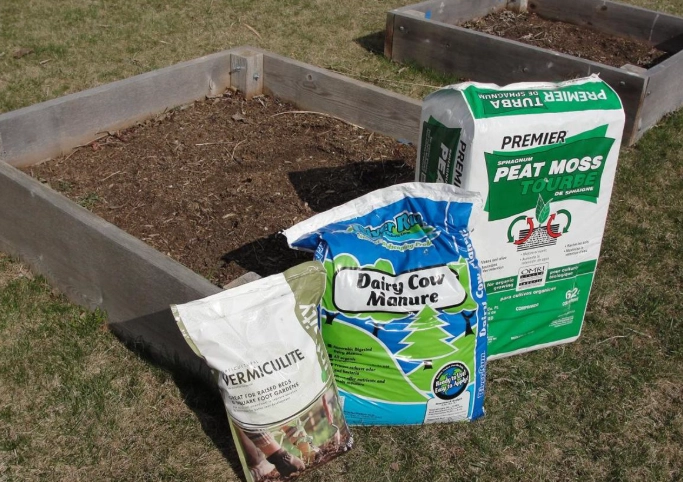
| Compost | Nutrients, microbial life, improves texture. | Use multiple sources (e.g., mushroom, worm, plant-based). Avoid fresh manure or "hot" uncomposted material. It should be dark, crumbly, and smell earthy. |
| Peat Moss or Coconut Coir | Moisture retention, lightens the mix. | Peat is acidic, may need lime. Coir is pH-neutral and renewable but can hold *too much* water if overused. Moisten thoroughly before mixing! |
| Vermiculite or Perlite | Aeration, prevents compaction, retains some water & nutrients. | Vermiculite holds more water/nutrients. Perlite is better for pure aeration and is more affordable. Don't skimp—this is your drainage insurance. |
| Topsoil (Optional Base) | Provides mineral content and bulk. | Only use screened, high-quality topsoil. Never use dense native clay soil from your yard. It's often just a filler to reduce cost. |
| Coarse Sand (Builder's Sand) | Improves drainage, adds weight. | Must be coarse, not play sand or fine sand (which creates concrete). Washed sand is best. |
Notice I didn't list fertilizer here. Good compost is your fertilizer for the first season. Adding slow-release organic fertilizers comes later, as a supplement.
Specific Soil Recipes for Your Plants
Now, let's get practical. Here are my go-to recipes based on what you're growing and your budget. Measurements are by volume (e.g., buckets, wheelbarrows).
1. The All-Purpose Vegetable Bed Recipe
This is my workhorse for tomatoes, peppers, greens, beans—you name it.
- 4 parts high-quality compost (blend two kinds)
- 3 parts coconut coir (pre-moistened) or sphagnum peat moss
- 2 parts coarse vermiculite or perlite
- 1 part coarse sand (optional, for extra drainage in wet climates)
Mix thoroughly. If using peat moss, consider adding a handful of garden lime per wheelbarrow to balance acidity.
2. The Root Vegetable & Herb Special
Carrots, parsnips, radishes, and herbs like thyme and oregano need exceptional drainage and lighter soil to expand easily.
- 3 parts compost
- 2 parts coir or peat
- 3 parts coarse sand (this is key)
- 2 parts perlite (not vermiculite—we want less water retention)
3. The Budget-Friendly Bulk Mix
Filling a deep bed can get expensive. This recipe uses bulk topsoil as a base but amends it heavily to avoid the density problem.
- 4 parts screened topsoil (purchased in bulk from a reputable supplier)
- 3 parts compost
- 2 parts composted pine bark fines or shredded leaves (aged at least a year)
- 1 part perlite
This mix is heavier but much more affordable. It works well for sturdy plants like squash and kale.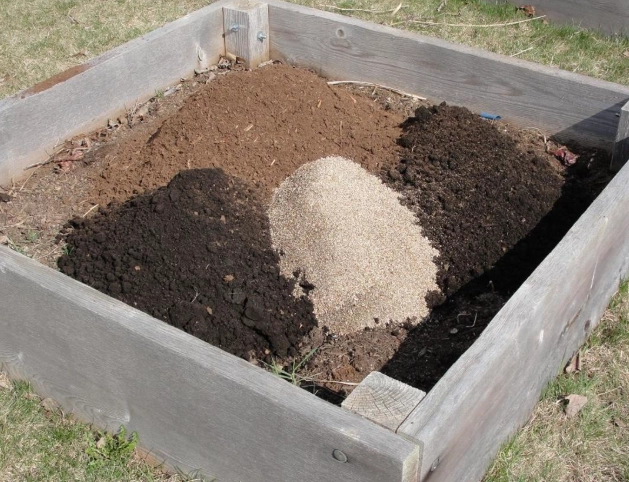
Step-by-Step: How to Mix Your Raised Bed Soil
Don't just dump and stir in the bed. You'll get clumps and dry pockets. Do it right.
Step 1: Gather & Pre-Moisten. Lay out a large tarp on a driveway or patio. Dump all your ingredients nearby. This is crucial: put your coir or peat in a wheelbarrow and add water, fluffing it until it's uniformly damp like a wrung-out sponge. Dry peat is hydrophobic and will ruin your mix.
Step 2: The Layered Method. On your tarp, make a pile with your measured parts. I start with the compost and topsoil, then add the damp coir, then the perlite and sand. Think of making a giant, flat layer cake.
Step 3: The Tarp Mix. Grab two corners of the tarp on one side, walk it over the pile to the other side, and roll the mix onto itself. Lift the opposite corners and roll it back. Do this 8-10 times. It's far more effective than trying to use a shovel in a wheelbarrow.
Step 4: Fill & Settle. Shovel the mix into your bed. Don't pack it down. Water it gently but thoroughly to help it settle naturally, then add a little more mix to top it off.
Common Raised Bed Soil Mistakes to Avoid
Let's talk about what not to do. These are the subtle errors that don't get enough attention.
1. The "Drainage Layer" Myth. Putting gravel, rocks, or broken pots at the bottom of your bed does not improve drainage. It actually creates a "perched water table"—water will saturate the soil above the rocks before it drains through. This keeps roots wetter. Just fill the whole bed with your uniform soil mix.
2. Ignoring Soil Depth. A 6-inch deep bed is only good for shallow roots like lettuce. For real gardening, 12 inches is the bare minimum. I won't build anything less than 18 inches now. More depth means happier roots and less frequent watering.
3. Using Unfinished Compost. That pile of leaves or grass clippings that's only half-rotted? It'll rob nitrogen from your soil as it finishes decomposing, starving your plants. Only use compost that's dark, cool, and looks like soil.
4. Forgetting the Top-Up. Soil settles and organic matter decomposes. Every spring, your bed will be an inch or two lower. Plan for it. Have a dedicated compost pile so you can top-dress with 2 inches of fresh compost each year. This is your maintenance, and it's non-negotiable.
The soil is the heart of the garden. Investing time in getting the mix right pays off every single day you walk outside and see healthy, vibrant plants. It's the one thing you can't shortcut.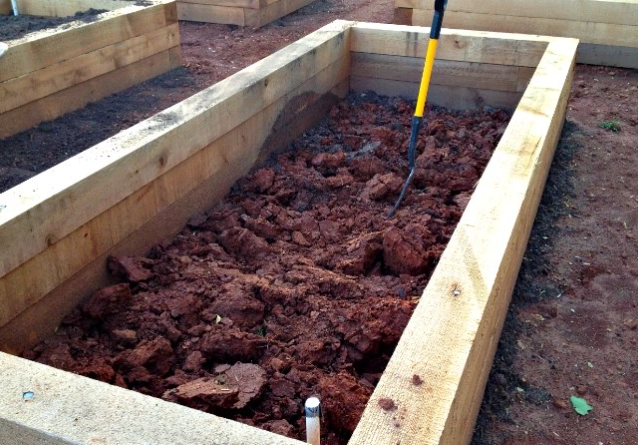
Frequently Asked Questions
Reader Comments