Let's be honest. Most backyard soil is terrible. It's either hard-packed clay that turns to concrete in summer, sandy stuff that drains too fast, or a sad mix of rocks and weeds. I spent years trying to amend my heavy clay, adding bags of compost and sand, only to watch it revert each season. It was exhausting. Then I built my first raised garden bed. It wasn't fancy—just some 2x8 boards screwed together—but the difference was night and day. Suddenly, I had control. The soil stayed loose. Weeds were minimal. My plants actually thrived.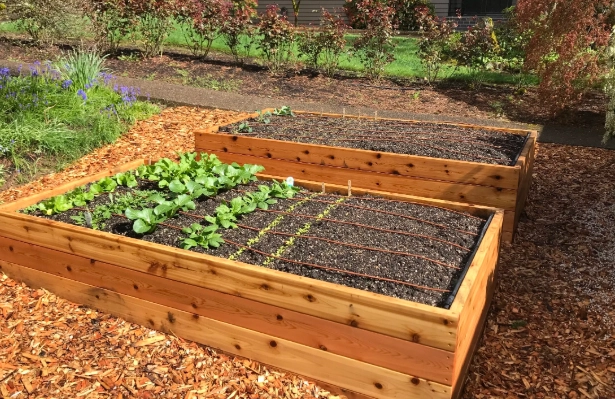
Raised bed gardening isn't just a trend; it's a fundamental shift in how you grow food and flowers. It turns a difficult site into a productive one. Whether you're dealing with poor drainage, bad soil, or just achy knees, building up is often the best solution.
What's Inside This Guide
Why Choose Raised Beds? (Beyond the Obvious)
Everyone knows raised beds improve drainage. But the benefits go much deeper, literally and figuratively.
First, soil temperature. In spring, the soil in a raised bed warms up weeks earlier than the ground soil. This gives you a head start on planting peas, lettuce, and spinach. It extends your growing season on both ends.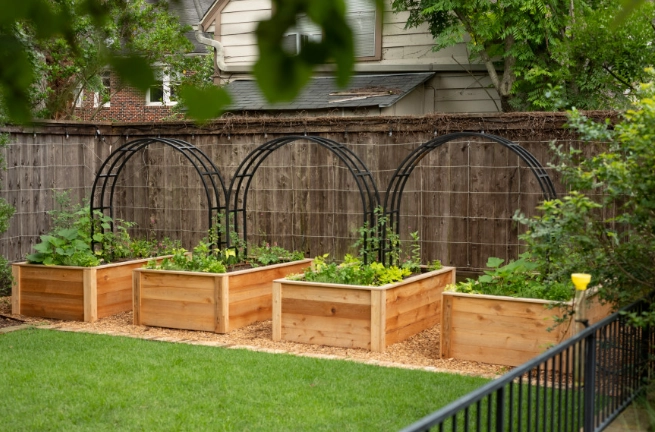
Then there's ergonomics. Bending over to weed a traditional garden is a back killer. A bed raised to 18 or 24 inches brings the soil to you. You can sit on the edge, kneel comfortably, or just stand and tend. This single factor makes gardening sustainable as we get older or if mobility is an issue.
The biggest win for me was weed and pest control. Starting with a clean, weed-free soil mix means you begin ahead of the game. The defined edges make it easy to spot and pull invaders. For burrowing pests like gophers, you can staple hardware cloth to the bottom of the frame—a simple, permanent barrier you can't create in an in-ground plot.
Planning Your Raised Bed Garden
Location is everything. Don't just plop them down where there's empty space.
Sunlight: Most vegetables need a minimum of 6-8 hours of direct sun. Watch your yard for a full day. Track where the shadows fall. The south-facing side of your property is usually best. No sun? Stick to leafy greens like kale and lettuce, which tolerate more shade.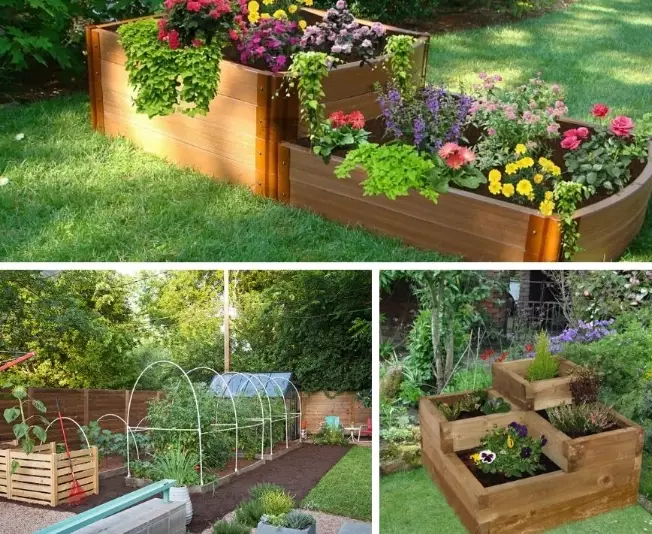
Size and Shape: This is critical for accessibility. The golden rule: never make a bed wider than 4 feet. Why? So you can reach the center from either side without stepping in and compacting the soil. Length is flexible, but 8 feet is a manageable standard.
Depth is where you see a big range. I recommend starting with at least 12 inches. For root crops like carrots or parsnips, go for 18-24 inches. Deeper beds hold more moisture and give roots more room.
Water Access: You will water these beds. A lot. Make sure you can easily run a hose to them. I made the mistake of putting my first bed in a far corner, and hauling watering cans got old fast.
Choosing Materials: Wood, Metal, or Stone?
The frame material affects cost, longevity, and look. Let's break it down.
>Will rot. I used this for my first bed knowing it was temporary. It's a great low-cost way to test if raised bed gardening is for you.>10-20+ years>Permanent| Material | Cost | Lifespan | Key Considerations |
|---|---|---|---|
| Cedar or Redwood | High | 10-15+ years | Naturally rot-resistant, looks great, no chemical treatment needed. The classic, worry-free choice. |
| Pressure-Treated Pine | Medium | 15-20+ years | Affordable and long-lasting. Modern treatments (ACQ) are considered safe for gardens, but some gardeners still prefer to line the interior with plastic. |
| Untreated Pine or Fir | Low | 3-5 years | |
| Corrugated Metal | Medium-High | Modern, industrial look. Gets very hot in full sun, which can bake soil edges. Must have a sturdy wood frame behind it. Ensure it's galvanized or coated to prevent rust. | |
| Bricks or Cinder Blocks | Varies | Heavy, permanent, and great for thermal mass. Cinder blocks have holes you can plant in! But they can leach lime into soil over time, slightly raising pH. |
My personal go-to is cedar for permanent beds. The upfront cost stings, but not having to rebuild it in 5 years is worth it. For a quick start, untreated pine works, just know you're buying time.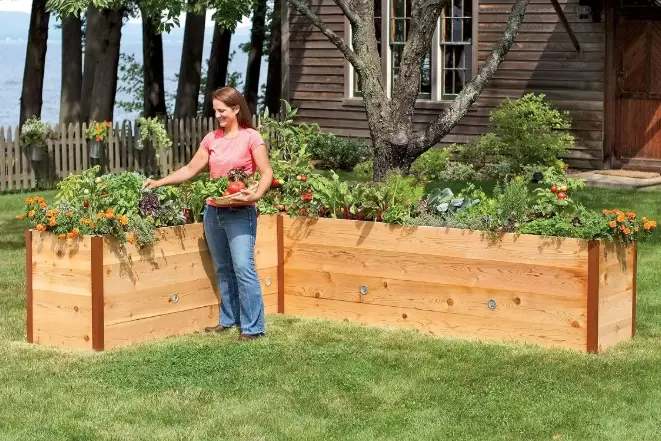
The Actual Building Steps (Simplified)
Let's build a simple 4'x8' wooden bed. You need: lumber (four 2"x12"x8' boards), four 4"x4" posts for corners, deck screws, a drill, a saw, and a level.
Cut two of the 8-foot boards in half to make four 4-foot ends. Pre-drill your screw holes to prevent splitting. Assemble the rectangle by screwing the boards into the corner posts from the inside. Always use stainless steel or galvanized screws—regular ones rust away in a season or two.
Place the frame in your chosen spot. Use the level to make sure it's… level. It doesn't have to be perfect with the ground, but the top of the frame should be even. If your site slopes, you may need to dig a trench on the high side to sink the frame in.
Here's a pro tip nobody talks about: Don't bother with landscape fabric on the bottom. It eventually clogs with soil and prevents worms from moving up from the ground below. If you need a weed or gopher barrier, use hardware cloth (metal mesh). Otherwise, just place the frame on the ground.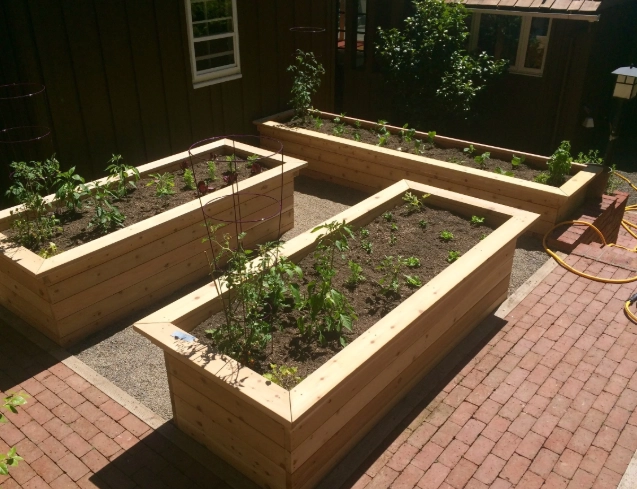
The Critical Part: Filling Your Raised Beds
This is where most projects succeed or fail. Filling a large bed with bagged potting mix is astronomically expensive and often leads to poor results.
You need a mix that drains well but retains moisture, is rich in nutrients, and has structure. Here's my no-fail, bulk recipe developed over a decade:
The "Lasagna" Layer (Bottom 1/3)
Don't fill the whole bed with expensive soil. Place a layer of coarse material at the bottom: small logs, branches, twigs, even shredded cardboard or straw. This "hugelkultur" technique saves money, improves drainage, and breaks down slowly to feed plants for years.
The Main Soil Mix (Top 2/3)
Aim for a 1:1:1 blend by volume:
- High-Quality Compost: This is your nutrient source. Get it from a reputable landscape supply yard, not mystery bags. It should smell earthy, not sour.
- Coarse Horticultural Sand or Very Fine Gravel: This is for permanent drainage. Don't use fine play sand—it creates concrete. The grit creates air pockets.
- Screened Topsoil or Garden Soil: This provides mineral content and body. Again, bulk from a landscape supplier is best.
Mix these thoroughly right in the bed with a shovel. The total cost for a 4'x8'x1' bed will be a fraction of bagged mix.
Planting and Maintenance Strategies
Now for the fun part. Raised beds let you garden intensively.
Planting: Forget single-file rows. Use a grid. Divide your 4'x8' bed into thirty-two 1-foot squares. Plant a different crop in each square. One square might hold 9 bush bean plants, another 4 lettuce heads, another 1 tomato (staked vertically). This maximizes yield and minimizes weeds. Resources like the Square Foot Gardening Foundation have detailed planting charts.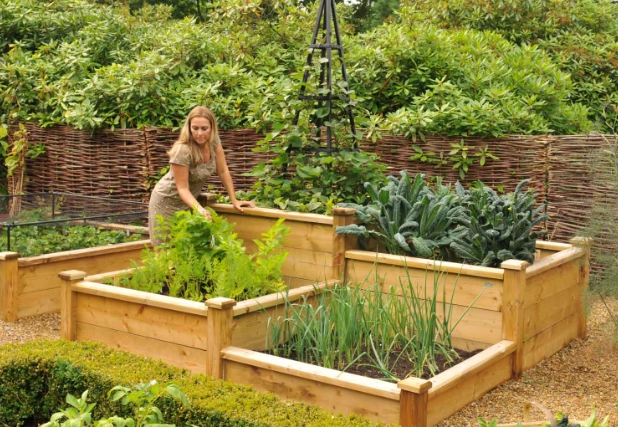
Watering: Raised beds dry out faster than the ground. Drip irrigation is a game-changer. A simple kit with a timer ensures consistent moisture, which is key for preventing problems like blossom end rot in tomatoes. Hand watering is fine, but you need to do it deeply and regularly.
Feeding: That rich soil mix won't last forever. Replenish it each season by topping up with an inch or two of fresh compost. You can also use organic fertilizers like fish emulsion or kelp meal during the growing season for heavy feeders like tomatoes and corn.
Crop rotation is still important, even in a small space. Don't plant tomatoes in the same square two years in a row. Move plant families around to prevent soil-borne diseases from building up.
Your Raised Bed Questions, Answered
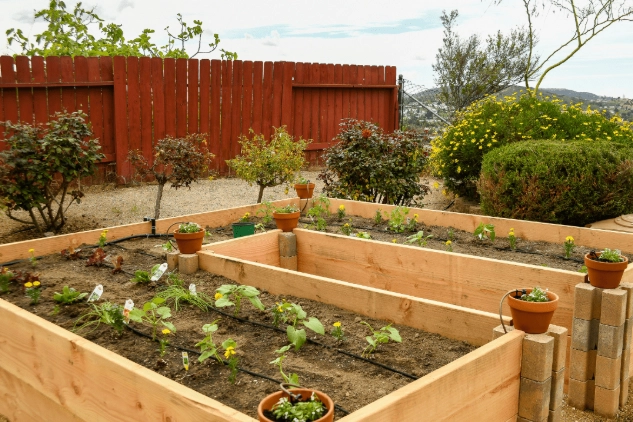
Starting a raised bed garden is one of the most rewarding projects you can do in your yard. It turns a patch of grass or bad soil into a source of food, beauty, and quiet satisfaction. You control the environment. You learn by doing. And you get to eat the results.
The initial work of building and filling the beds is an investment. But once that's done, the maintenance is often easier than caring for a traditional in-ground plot. You'll spend less time weeding and fighting poor soil, and more time harvesting and enjoying your garden.
Start with one bed. See how it goes. I bet you'll be planning your second one before the first season is over.
Reader Comments