Let's be honest. For years, I thought mulch was just the fancy brown stuff you put around shrubs to make the garden look "finished." It was an afterthought, something you did after the real work of planting was done. Then I watched a newly planted hydrangea wilt in July, its roots baking in the sun, while the weeding became a weekly chore that felt like a punishment. That's when I got serious about mulch. I discovered it's not a decoration; it's a fundamental tool for a healthy, low-maintenance garden. It's the difference between fighting your landscape and working with it.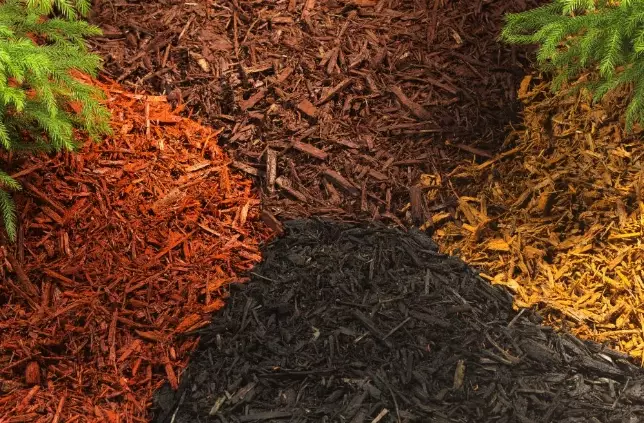
In This Article
What Mulch Actually Does (Beyond Making Things Look Tidy)
Think of mulch as a multi-tasking superhero cape for your soil. Its benefits stack up in a way that directly saves you time, money, and effort.
Weed Suppression: This is the big one for most gardeners. A proper layer of mulch blocks sunlight from reaching weed seeds in the soil. No light, no germination. It doesn't kill existing weeds (you need to pull those first), but it drastically reduces new ones. I went from weeding my perennial bed every weekend to maybe once a month.
Moisture Retention: Bare soil loses water to evaporation incredibly fast. Mulch acts as an insulating blanket, slowing that process down. Studies from university agricultural extensions, like those from the University of California's Integrated Pest Management program, consistently show that mulched soil retains significantly more moisture. This means you water less often—a huge win for your water bill and the environment during dry spells.
Soil Temperature Moderation: In summer, mulch keeps plant roots cooler. In winter, it acts like a cozy blanket, protecting roots from harsh freeze-thaw cycles that can heave plants right out of the ground.
Soil Health (For Organic Mulches): This is the slow-motion magic. As organic mulches like wood chips or shredded leaves decompose, they feed earthworms and microbial life. These little critters break down the material into humus, which improves soil structure, aeration, and fertility. You're literally building better soil from the top down.
The Great Mulch Showdown: Organic vs. Inorganic
This is the core decision. Do you want mulch that feeds your soil or mulch that just sits there forever? Here’s a breakdown to help you choose.
| Type | Best For | Pros | Cons & Considerations |
|---|---|---|---|
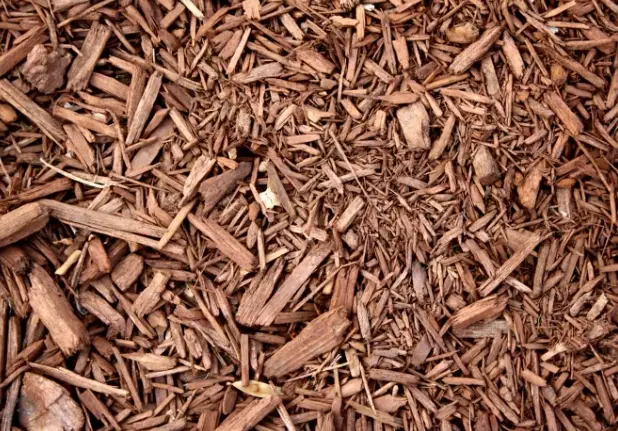
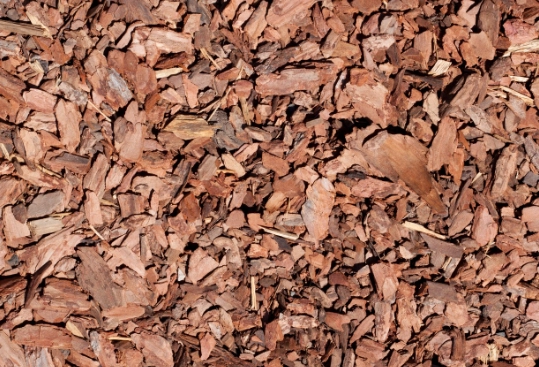
| Shredded Hardwood Bark | General landscaping, perennial beds, around trees & shrubs. | Weaves together well, resists washing away, decomposes to enrich soil, attractive natural look. | Can temporarily tie up nitrogen in soil as it breaks down (add a little fertilizer if plants look pale). Quality varies—avoid dyed mulch if concerned about chemicals. |
| Pine Straw (Needles) | Acid-loving plants (azaleas, blueberries, rhododendrons), slopes. | Lightweight, stays put on hills, adds acidity as it decomposes, excellent airflow. | Some find the look too informal. Flammable when dry (consider for fire-prone areas). |
| Compost | Vegetable gardens, annual beds, top-dressing lawns. | Fantastic soil conditioner and mild fertilizer. Ready-to-use nutrition. | Poor weed suppressor on its own. Can contain weed seeds if not properly hot-composted. Best used under another mulch layer. |
| Stone/River Rock | Permanent features, xeriscapes, drainage areas, around foundations. | Permanent, excellent for drainage, doesn't decompose. Can absorb and radiate heat. | Does not improve soil. Weeds can still grow in debris between stones. Heavy to install. Can increase soil temperature too much for some plants. |
| Rubber Mulch | Playgrounds under equipment. | Very long-lasting, cushioning for falls. | Controversial for garden use. Can leach chemicals, doesn't benefit soil, gets extremely hot in sun. Not recommended for ornamental or edible gardens. |
My personal go-to for most ornamental beds is a medium-grade shredded hardwood bark. It looks good, lasts a season or two, and does its job. For my vegetable garden, I use a layer of finished compost topped with straw—it feeds the plants and keeps the tomatoes clean.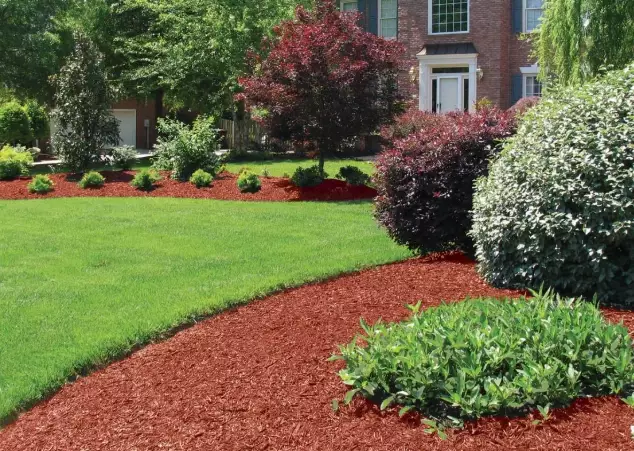
How to Apply Mulch: The Right Way, Step-by-Step
Doing this wrong can cause more problems than it solves. Here's the method that works.
1. Prep the Battlefield (Your Beds)
This is non-negotiable. Pull every weed you can see, roots and all. If you mulch over weeds, you're just tucking them in for a nap. They'll grow right through. For annual weeds, a good pull is enough. For persistent perennial weeds like bindweed, you might need a targeted herbicide or a lot of persistence.
2. Calculate How Much You Need
No one likes mid-project runs to the garden center. For a 2-3 inch deep layer (the ideal depth), one cubic yard of mulch covers about 100-110 square feet. Most bagged mulch is 2 cubic feet. It takes 13.5 of those bags to make a cubic yard. Buying in bulk from a landscape supplier is almost always cheaper for larger areas.
3. The Actual Application
Use a rake or your hands to spread the mulch evenly. Aim for that 2-3 inch depth. Use the "ring test"—you should still be able to see the very base of the plant stems and the root flare of trees. Create a donut, not a volcano. Keep mulch a few inches away from your house's foundation to discourage pests.
4. Maintenance
Organic mulch decomposes. That's what you want. Once a year, usually in late spring, fluff up the existing mulch with a rake. If it's decomposed down to an inch or less, add just enough fresh mulch to bring it back to 3 inches. Don't just keep piling on new mulch year after year.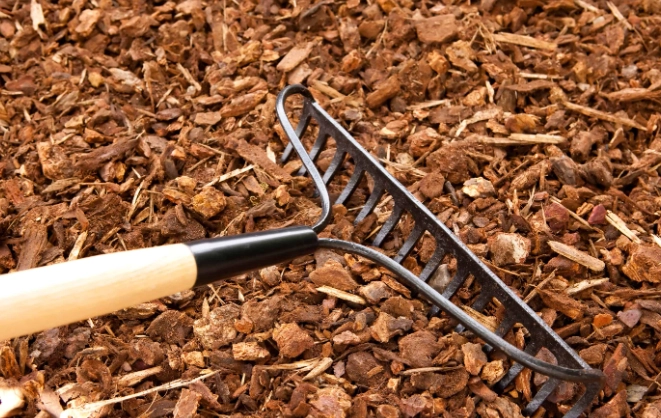
Common Mulch Mistakes You're Probably Making
Here's where that "10 years of experience" perspective comes in. These are the subtle errors that don't get enough attention.
Using "Sour" or Fresh Mulch: That strong, acidic, almost alcoholic smell coming from a pile of wood chips? That's anaerobic decomposition, and it's bad news. This "sour mulch" can release compounds that harm plant roots. Always use aged, composted mulch that smells earthy and sweet. If you get a load of fresh wood chips, let them sit in a pile for 3-6 months before using.
Neglecting Soil Nitrogen: As bacteria work to break down carbon-rich materials like wood chips, they use up soil nitrogen. For established plants, this is rarely a serious issue. But for young annuals or vegetables, it can cause yellowing (chlorosis). The fix is simple: sprinkle a light application of a balanced, organic fertilizer (like blood meal or a granular 10-10-10) on the soil before you apply the mulch layer.
Mulching Over Landscape Fabric: I used to do this, thinking it was a double-whammy against weeds. It's a trap. Weed seeds blow in on top of the mulch, root into the fabric, and become a nightmare to remove. The fabric also prevents the wonderful soil-building benefits of organic mulch. It creates a dead zone. If you have fabric, remove it. Good mulch, applied correctly, is all you need.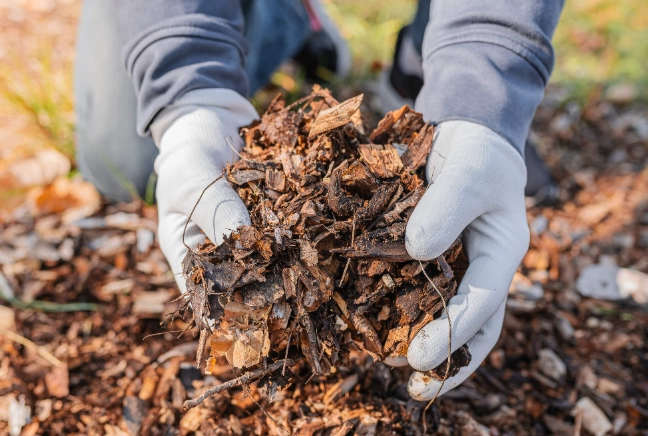
Choosing Mulch for Specific Plants (A Quick Guide)
Not all plants want the same blanket.
Vegetables: They love nutrient-rich, moisture-retentive mulch. Straw, finished compost, or grass clippings (from an untreated lawn) are perfect. Avoid heavy bark chips in annual veggie beds—they get in the way of replanting.
Roses & Flowers: A clean, attractive mulch like shredded hardwood or cocoa bean hulls (though these can be toxic to dogs) works well. It keeps soil from splashing onto leaves, which can help prevent fungal diseases like black spot.
Trees & Shrubs: Shredded bark or wood chips are ideal. Remember the donut shape. Extend the mulch ring out to the tree's drip line (the edge of the canopy) if possible, as this is where most of the feeder roots are.
Succulents & Mediterranean Plants (Lavender, Rosemary): These plants hate wet feet. Use inorganic mulch like gravel, crushed stone, or sand. It provides excellent drainage and reflects heat, which they love.
Mulch is a simple concept with a profound impact. It's the single best thing you can do to reduce garden maintenance and increase plant health. Stop thinking of it as the final touch, and start seeing it as the foundational practice it is. Your plants—and your back—will thank you.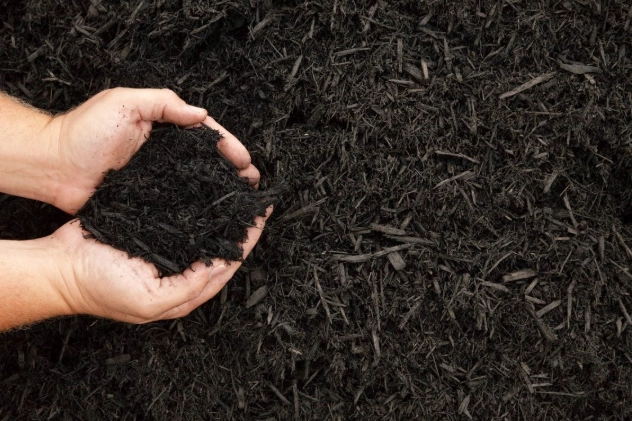
Reader Comments