Quick Navigation
- Why Raised Beds? (The Real Benefits Beyond Looks)
- The Nuts and Bolts: Materials and Sizes for Your Raised Vegetable Beds
- Building Your Raised Bed: A Step-by-Step Walkthrough
- The Heart of the Matter: Soil for Raised Vegetable Beds
- Planting, Growing, and Maintaining Your Raised Bed Garden
- Troubleshooting Common Raised Bed Issues
- Your Raised Vegetable Bed Questions, Answered
Let's be honest, not all of us are blessed with perfect garden soil. Mine was a sad mix of clay and rocks when I started. Digging into it felt like trying to garden in concrete. That's when I turned to raised vegetable beds, and honestly, it changed everything. No more back-breaking digging, and my plants actually started thriving.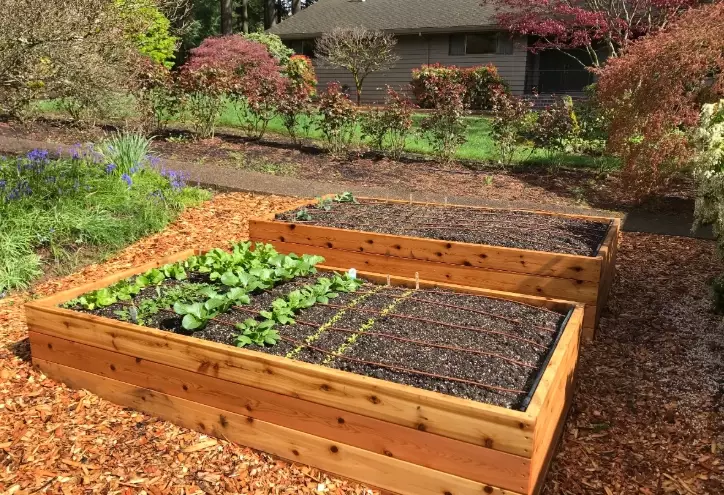
If you're tired of fighting poor soil, dealing with drainage issues, or just want an easier way to grow your own food, raised beds might be your answer. They're not just a trend; they're a practical solution for a lot of common gardening headaches. But where do you start? What should you build them with? And what's the deal with the soil?
We're going to walk through all of it. No fluff, just the stuff you actually need to know to build a raised vegetable garden that works.
Why Raised Beds? (The Real Benefits Beyond Looks)
Sure, they look neat and tidy, but the real magic of raised garden beds is under the surface. Literally.
Better Soil, Less Work
You get to be in complete control. Instead of trying to amend whatever junk is in your yard, you fill your raised vegetable beds with a perfect, fluffy, nutrient-rich mix from day one. It's like giving your plants a five-star hotel room instead of a roadside motel. The soil warms up faster in spring too, which means you can plant earlier. I got my lettuce in nearly three weeks before my neighbor with her in-ground plot.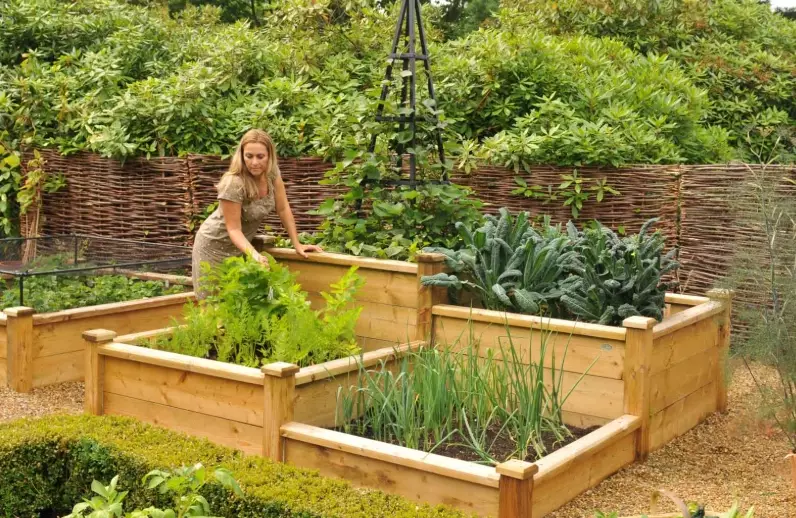
Say Goodbye to Weeds and Compaction
Starting with fresh soil means far fewer weed seeds. And because you're not stepping on the planting area, the soil stays loose and aerated. Roots can breathe and spread easily. The improved drainage is a lifesaver if you get a lot of rain. No more waterlogged tomato plants sulking in a puddle.
It's a game-changer for accessibility. If bending over is difficult, building your raised vegetable beds at a comfortable height (think 24 to 36 inches) can make gardening possible and enjoyable again.
The Nuts and Bolts: Materials and Sizes for Your Raised Vegetable Beds
This is where most people get stuck. Wood, metal, stone... the choices can be overwhelming. I've built beds from most of them, and each has its personality.
Picking Your Material: A Reality Check
| Material | Pros | Cons | My Take & Best For |
|---|---|---|---|
| Cedar or Redwood | Naturally rot-resistant, looks great, long-lasting. | Expensive. Can be pricey for larger beds. | My top pick for a permanent, good-looking bed. It weathers to a nice silver-gray. |
| Pine (Kiln-Dried) | Very affordable, widely available, easy to work with. | Will rot in 5-7 years. Needs more frequent replacement. | Perfect for a first-time, budget-friendly project. Just know it's not forever. |
| Composite Lumber | Very long-lasting, no rotting, often made from recycled plastic. | Can be costly, some don't like the "plastic" look. | Great for low-maintenance. I find it gets hot in full sun, which can warm the soil too much. |
| Corrugated Metal | Modern, industrial look, very durable. | Edges can be sharp, soil on the sides can get very hot in summer. | Looks cool in contemporary gardens. Use a thick wooden top rail for safety and comfort. |
| Cinder Blocks or Bricks | Extremely durable, permanent. | Heavy to move, installation is more labor-intensive. | Excellent for a very hot climate or if you want a super-sturdy, no-move-ever bed. |
A quick but important warning: Avoid using old railroad ties or pressure-treated wood made before 2003. They were treated with chemicals (like CCA containing arsenic) that can leach into your soil and your food. Modern pressure-treated wood (labeled for ground contact) is considered safe by the EPA for gardening, but many organic gardeners still prefer to avoid it. I stick to cedar for peace of mind.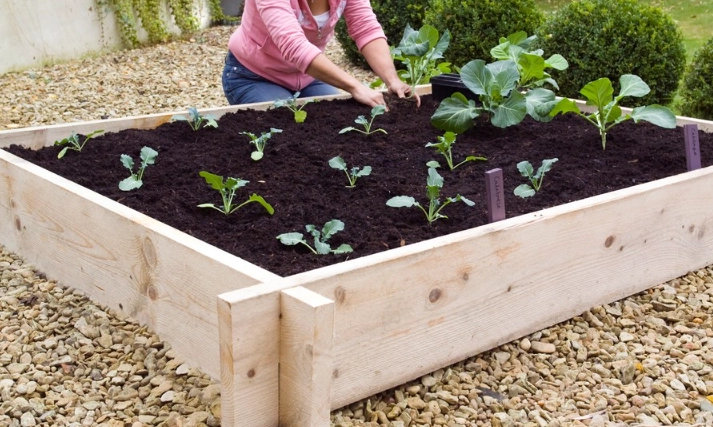
Getting the Size and Shape Right
This seems simple, but a bad choice here makes gardening annoying forever.
- Width: This is the most critical measurement. Never wider than 4 feet. Why? You need to be able to reach the center from either side without stepping in. My first bed was a too-ambitious 5 feet wide, and I was constantly doing an awkward belly-flop to get to my carrots. Stick to 3 or 4 feet.
- Length: Up to you and your space. 8 feet is very manageable. Longer than that, and you might want to add a cross-brace in the middle to prevent the sides from bowing out.
- Height: 12 inches is a great minimum for most vegetables. For root crops like carrots or potatoes, go for 18 inches or more. For accessibility (gardening from a chair), aim for 24 to 36 inches.
Think about your pathways too. Leave at least 2 feet between raised vegetable beds so you can comfortably walk with a wheelbarrow or kneeling pad.
Building Your Raised Bed: A Step-by-Step Walkthrough
Okay, let's build one. I'm assuming a simple 4x8 foot bed from cedar, which is a classic for a reason.
What you'll need: Four 8-foot cedar 2x6 boards (for a 12" high bed), one 8-foot 4x4 post (for corner stakes), exterior-grade wood screws (3.5" and 2.5"), a drill, a saw, a level, and a shovel.
- Cut your boards. Cut two of your 8-foot boards in half, so you have two 8ft pieces and four 4ft pieces.
- Cut your corner stakes. From the 4x4, cut four pieces about 12-18 inches long.
- Assemble the frame on flat ground. Arrange your boards into a rectangle. Place an 8ft board and a 4ft board at a right angle. Drill pilot holes and screw them together using two 3.5" screws, going into the end grain of the shorter board. Repeat for all four corners. It helps to have a friend hold things square.
- Attach the corner stakes. Place a stake in each inside corner. It should be flush with the top of the frame. Screw the frame to the stake using two or three 2.5" screws on each side. This is what gives the bed its strength and keeps it from shifting.
- Site prep and placement. Choose a sunny spot (at least 6-8 hours of sun). Lay down cardboard or several layers of newspaper over the grass/weeds inside your bed's footprint. This will smother them. Don't skip this, or grass will grow up through your beautiful new soil.
- Level it. Place your assembled frame on the cardboard. Use a level and a shovel to add or remove soil underneath the frame until it's level in all directions. A unlevel raised bed means water runs to one side.
- Fill it up. Now for the fun part—the soil. (We'll talk specifics in the next section).
The Heart of the Matter: Soil for Raised Vegetable Beds
This is the single most important factor for your success. Get the soil wrong, and nothing else matters. I learned this the hard way with a bed of stunted, yellowing plants.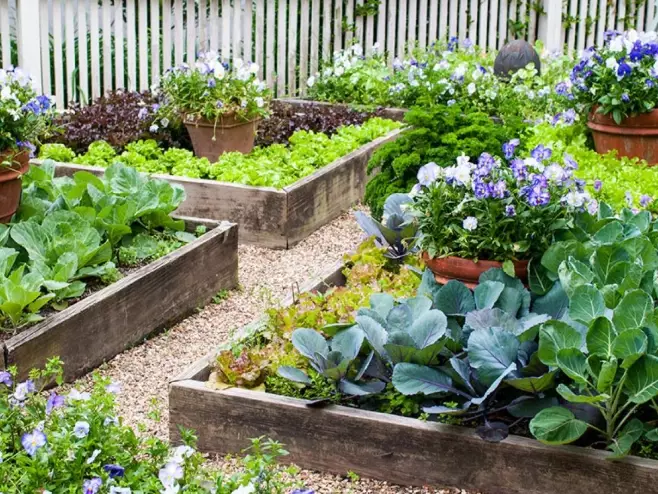
You need a mix that is light, drains well, but also holds moisture and nutrients. A common mistake is using 100% bagged "topsoil" or "garden soil," which is often too dense.
The gold standard recipe is often called "Mel's Mix," popularized by Square Foot Gardening. It's equal parts:
- Compost: Provides nutrients and microbial life. Use at least two different kinds (e.g., mushroom compost, worm castings, homemade compost) for a broader nutrient profile.
- Peat Moss or Coco Coir: Holds moisture and keeps the mix light. Coco coir is a more sustainable alternative to peat moss.
- Vermiculite or Perlite: Provides aeration and improves drainage. Vermiculite also holds some water and nutrients.
Now, filling a whole bed with this mix can get expensive. Here's a more budget-friendly, layered approach that still works great:
- Bottom Layer (Optional): If your bed is very deep (over 18 inches), you can fill the bottom third with logs, sticks, leaves, or straw. This "Hugelkultur"-inspired layer will slowly decompose, providing nutrients and improving moisture retention. Just make sure your top soil layer is deep enough for roots (at least 12 inches).
- Main Fill Layer: A 50/50 mix of good-quality topsoil and compost. You can buy bulk "garden mix" from a landscape supply company, but ask what's in it. You want it fluffy, not clay-like.
- Top Dressing/Planting Layer: The top 4-6 inches should be your best stuff—a richer mix of compost and potting soil for seeds and seedlings to get started in.
How much soil do you need? For a 4ft x 8ft bed that's 12 inches deep, you need 32 cubic feet of soil. That's a lot of bags! Buying in bulk from a landscape supplier is almost always cheaper for a project this size.
"Think of your soil as a living ecosystem, not just dirt. Feeding the microbes with compost is more important than dumping in chemical fertilizer."
Before you plant, it's a smart move to get a soil test. Your local university cooperative extension office (like the University of Minnesota Extension linked here) usually offers low-cost tests. It'll tell you your pH and nutrient levels so you can amend precisely, not just guess.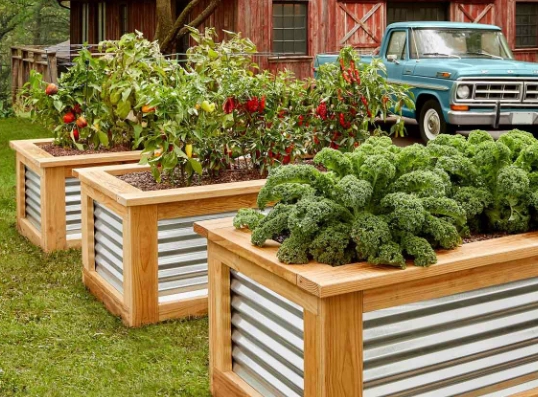
Planting, Growing, and Maintaining Your Raised Bed Garden
Now for the rewarding part. The dense, fertile soil in raised vegetable beds lets you plant more intensively than in rows.
Planting Strategies: More Food in Less Space
Square Foot Gardening: Divide your bed into 1-foot squares. Each square gets a different number of plants: 1 tomato, 4 lettuce, 9 bush beans, 16 carrots. It's incredibly efficient and organized. I use a string grid temporarily to keep myself straight.
Succession Planting: As soon as you harvest one crop (like radishes), plant something else in that spot (like beans). You might get 3 or 4 harvests from one square in a season.
Companion Planting: Some plants help each other out. Plant basil near tomatoes (some say it improves flavor), or marigolds throughout to help deter pests. The Old Farmer's Almanac has a great companion planting guide that I refer to every spring.
Watering and Feeding
Raised beds drain well, which also means they can dry out faster, especially in summer. A soaker hose or drip irrigation system on a timer is the best investment you can make after the bed itself. It saves water and time, and keeps leaves dry to prevent disease.
Mulch! A 2-3 inch layer of straw, shredded leaves, or wood chips on top of the soil will dramatically reduce water evaporation and suppress weeds.
For feeding, your plants will use up the nutrients in that confined space. Replenish them by:
- Adding a 1-2 inch layer of fresh compost on top each spring (and fall if you like).
- Using an organic, balanced fertilizer during the growing season if plants show signs of needing it (like slow growth or pale leaves).
Troubleshooting Common Raised Bed Issues
Even with the best setup, things happen.
Soil Sinking: It will settle, especially in the first year. Just top it off with more compost mix.
Wood Rot: If you used untreated pine, the corners or bottom edges will eventually rot. You can sometimes sister on a new board, or just plan to rebuild in 5-7 years. Cedar lasts much longer.
Pests: Slugs and snails love the moist environment. Beer traps, copper tape, or hand-picking at dusk helps. For burrowing animals like voles, line the bottom of the bed with hardware cloth before filling it. It's a pain to retrofit, but it works.
Nutrient Depletion: If plants are consistently underperforming, get a soil test. You might need to add a specific amendment like bone meal (for phosphorus) or greensand (for potassium).
Your Raised Vegetable Bed Questions, Answered
Look, starting a garden with raised vegetable beds might feel like a project, but it's one of those things where the upfront work pays off for years in easier maintenance and better harvests. You're building a perfect little world for your plants. Start with one bed, see how you like it, and go from there. My first 4x8 bed led to three more. There's just nothing like walking out your back door and picking dinner.
Got your materials list ready? Go build something.
Reader Comments