Quick Guide
You've probably seen them perched on top of a fancy restaurant dish or spotted little trays of them in a gardening store. Those tiny, colorful leaves aren't just garnish. They're called microgreens, and they're one of the simplest, most rewarding things you can grow at home, even if your "garden" is a windowsill above the kitchen sink.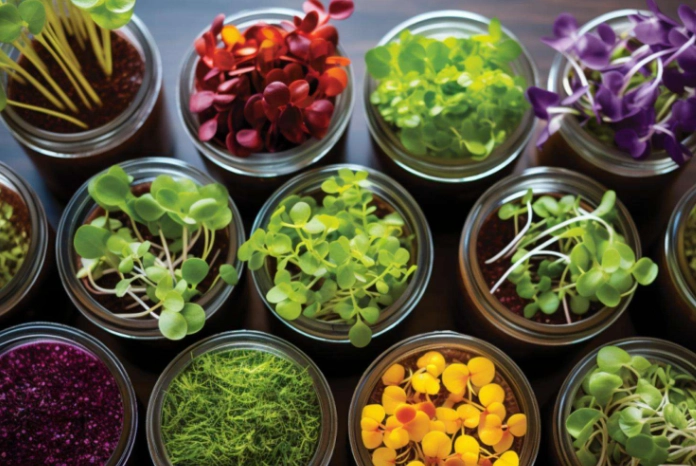
I got into them a few years back, mostly out of frustration. My attempts at growing full-sized vegetables on a shady balcony were pretty pathetic. Then I tried a packet of radish microgreen seeds on a whim. Ten days later, I was snipping off a vibrant, peppery harvest. It felt like a cheat code for gardening.
But are they really that different from sprouts? And is the nutrition hype actually real? Let's dig in.
Think of them as the toddler stage of a vegetable or herb. You sow seeds densely in a shallow tray, let them grow just past the cotyledon (those first seed leaves), and harvest them when the first true leaves appear. This usually happens 7 to 21 days after sowing. They're not sprouts (grown in water, eaten root and all) and they're not baby greens (which are thinned seedlings allowed to grow larger). Microgreens are their own category—intensely flavored and packed with nutrients.
Why Bother? The Real Deal on Microgreens Benefits
It's easy to write off the health claims as just another food trend. I was skeptical too. But the science behind microgreens is surprisingly solid. Researchers have found that these miniature plants often contain higher concentrations of vitamins, minerals, and antioxidants than their mature counterparts.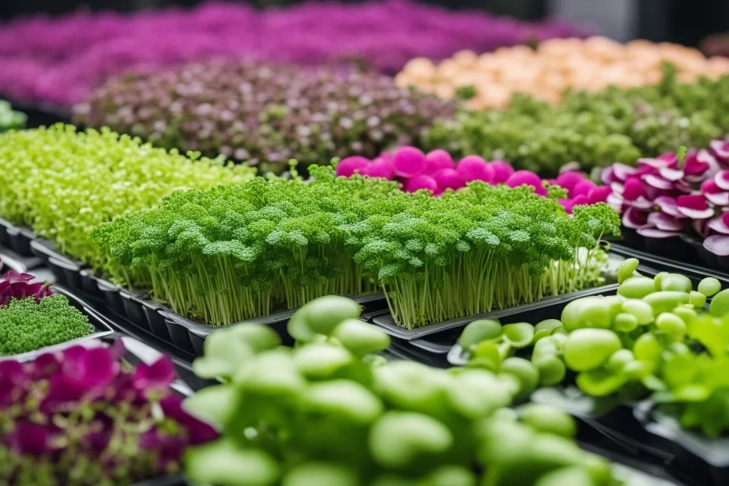
A study from the University of Maryland, published in the Journal of Agricultural and Food Chemistry, analyzed 25 different varieties. They found that microgreens could have up to 40 times higher nutrient density than the mature leaves of the same plants. Let that sink in. A tiny pinch of red cabbage microgreens might deliver the same vitamin C punch as a whole, full-grown cabbage leaf. It's a powerful argument for adding a small handful to your meals.
The U.S. Department of Agriculture (USDA) doesn't have specific nutritional data for every microgreen yet, but their research into phytonutrients supports the idea that young plants can be nutritional powerhouses. You can explore their National Nutrient Database for standard vegetable data as a baseline reference.
Beyond the vitamins, I've noticed a real difference in my own kitchen. They add a burst of fresh flavor that dried herbs or old lettuce just can't match. A sandwich goes from boring to brilliant with a layer of sunflower microgreens (they taste nutty, almost like sunflower seeds). A simple soup or scrambled eggs feels gourmet with a sprinkle of vibrant green.
Top Microgreens and What They're Good For
Not all microgreens are created equal. Some are mind-blowingly easy, while others can be a bit fussy. Some taste mild, others will clear your sinuses. Here's a breakdown of the most popular types, based on my experience and what most growers agree on.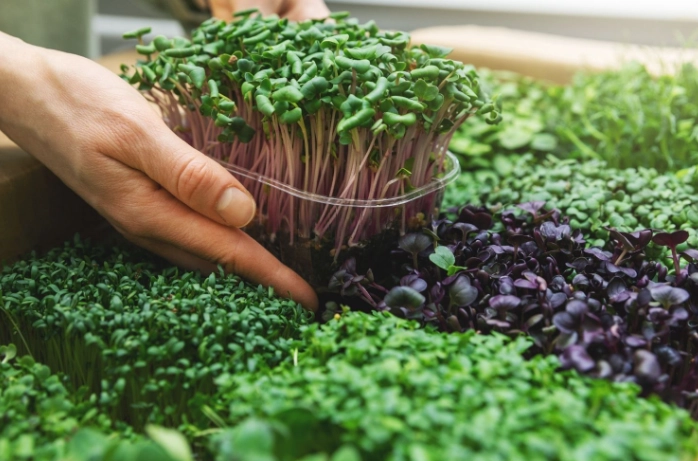
| Microgreen Variety | Flavor Profile | Growth Time | Difficulty | Nutritional Highlight |
|---|---|---|---|---|
| Radish | Spicy, pungent, like a full-grown radish | 6-10 days | Very Easy | High in Vitamin C and Folate |
| Sunflower | Nutty, crunchy, with a thick stem | 10-14 days | Easy | Good source of Protein & Healthy Fats |
| Pea Shoots | Sweet, fresh, like garden peas | 12-14 days | Easy | Rich in Vitamins A, C, and Fiber |
| Broccoli | Mildly peppery, fresh | 8-12 days | Easy | Extremely high in Sulforaphane (a potent antioxidant) |
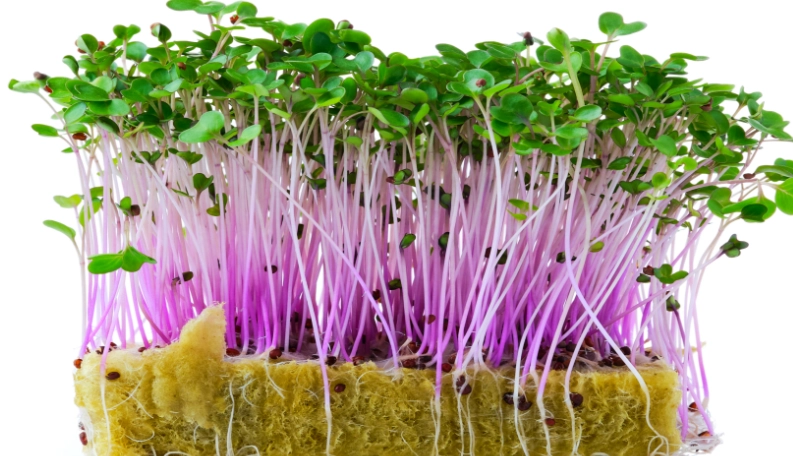
| Amaranth | Earthy, slightly sweet | 10-14 days | Medium | Vibrant color (red), high in Iron |
| Cilantro | Strong, distinct cilantro flavor | 14-21 days | Medium/Hard | Can be slow to germinate |
If you're just starting out, my absolute recommendation is to begin with radish or broccoli. They germinate so fast you'll see progress in a couple of days, which is incredibly motivating. Sunflower is fantastic too, but you need to soak the seeds first, which is an extra step.
Getting Started: How to Grow Microgreens with Zero Fuss
This is where people get intimidated, but they really shouldn't. You don't need a green thumb. You need a tray, some soil, seeds, and water. That's it. Let's break down the process without overcomplicating it.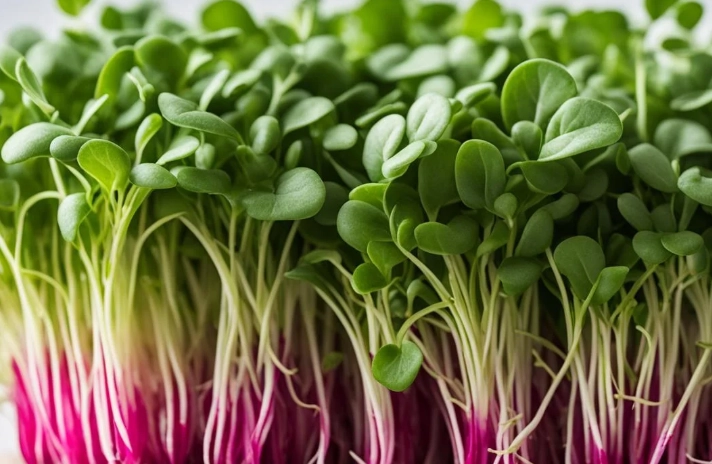
What You Actually Need (The Minimalist Setup)
Forget the fancy hydroponic kits you see online, at least for your first try. Here's what works:
- Containers: Any shallow tray with drainage holes. Recycled clamshell containers from the supermarket (poke holes in the bottom) work perfectly. I've used old takeout containers. You're not growing trees.
- Growing Medium: A simple, sterile potting mix is best. Don't use garden soil—it's too dense and can harbor pests or diseases. A light seed-starting mix is ideal.
- Seeds: This is crucial. Buy seeds labeled for microgreens or sprouting. Regular garden seeds are sometimes treated with fungicides, which you don't want. Companies like True Leaf Market or Johnny's Selected Seeds are reliable sources.
- Light: A bright, south-facing windowsill is great. If your light is poor (like my old apartment), a simple LED shop light or a grow light positioned a few inches above the tray makes all the difference. They don't need blazing sun all day.
- Water: A small spray bottle is your best friend for the first few days. Later, a small watering can or even gently pouring water into the tray bottom (bottom-watering) works well to avoid disturbing the delicate plants.
See? Nothing crazy.
The Step-by-Step, No-Stress Process
- Prep your tray: Fill it with about an inch to an inch and a half of moistened potting mix. Level it off but don't pack it down hard.
- Sow the seeds: Scatter the seeds densely and evenly over the surface. You want them touching but not piled on top of each other. For small seeds like broccoli or radish, aim for about 10-12 seeds per square inch. For big seeds like sunflower or pea, you can space them a tiny bit more.
- Press and cover: Gently press the seeds into the soil with your hand or the bottom of another tray. Don't bury them. Then, mist them well. Many growers cover the tray with another tray or a damp paper towel to create a dark, humid environment for germination. This is called "blackout."
- The Waiting Game: Leave them covered for 2-4 days. Check daily and mist if the surface looks dry. You'll see little white roots (radicles) and then the seedlings pushing up.
- Uncover and Give Light: As soon as you see most of them have sprouted and are pushing against the cover, take it off. Move them to your light source.
- Water and Watch: Water gently from the bottom now if you can (set the tray in another tray with an inch of water for 10 minutes). Keep the soil moist, not soggy.
- Harvest Time: Once the first set of true leaves is fully open (they look different from the initial rounded seed leaves), they're ready. Usually 1-3 inches tall. Grab a sharp pair of scissors and cut just above the soil line.
The whole cycle, from seed to salad, is often less than two weeks. It's instant gardening gratification.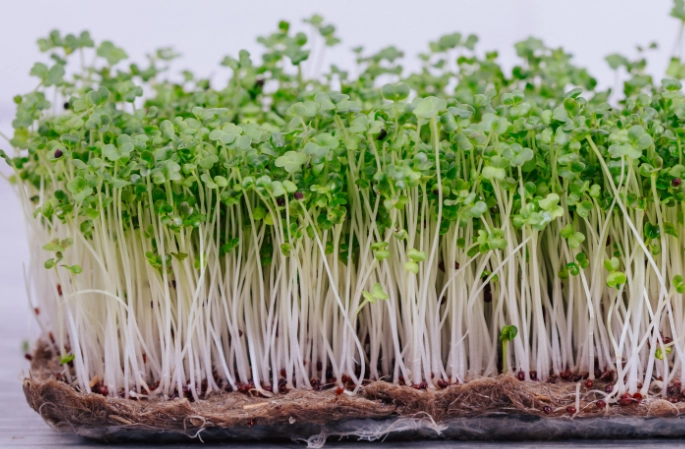
Answers to the Questions You're Probably Asking
I get a lot of questions from friends when they see my little indoor farm. Here are the most common ones.
Beyond the Salad: How to Actually Use Your Harvest
It's easy to think "salad topping" and stop there. But that's just the beginning. Their intense flavor makes them a fantastic ingredient, not just a garnish.
- The Flavor Bomb: Use them as a fresh herb. Chop up cilantro or basil microgreens into salsa or pesto. Radish microgreens on a buttered bagel? Amazing.
- Color and Crunch: They make any dish look professionally plated. Sprinkle them over soups (after serving), pizzas, omelets, or grain bowls. The color contrast is beautiful.
- In Blends: Toss a handful of mild microgreens like broccoli or sunflower into your smoothie. You won't taste them much, but you'll get the nutrients.
- Sandwiches & Wraps: They're a superior replacement for bland, watery lettuce. They add a punch that lettuce just can't deliver.
The key is to add them raw at the end of cooking. Heat wilts them quickly and dulls their flavor and nutritional value.
The Not-So-Glamorous Parts (Let's Be Honest)
It's not all perfect harvests and Instagram-worthy trays. Sometimes you fail, and that's okay. I've had trays that just didn't germinate well (old seeds, maybe). I've dealt with fungus gnats because I overwatered. Learning to water properly is the biggest curve.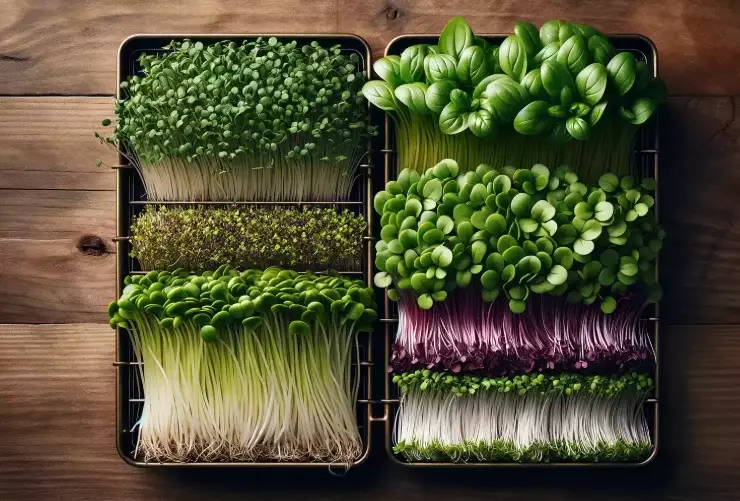
And there's a cost. While growing your own is cheaper than buying those tiny plastic clamshells from the store, good-quality microgreen seeds aren't free. If you get really into it, the startup cost for trays, lights, and a variety of seeds can add up. Start small. See if you like it.
Some people also find the process of cleaning and reusing trays to be a bit of a chore. It's not hard—just a quick scrub with soap and water or a vinegar solution—but it's an extra thing to do.
Wrapping It Up: Is Growing Microgreens Worth It?
For me, absolutely. Even with the occasional flop. The benefits of microgreens go beyond nutrition. There's a real satisfaction in growing your own food, however small. In the middle of winter, having something fresh and green to tend to and eat is a mood booster. It connects you to your food in a simple way.
They solve a problem for a lot of us: the desire for fresh, hyper-local, nutrient-dense greens without the space, time, or skill for a full garden. You can have a continuous supply year-round.
If you're curious, just try it. Grab a bag of potting mix, a takeout container, and a packet of radish microgreen seeds. Follow the simple steps. In less than two weeks, you'll have your answer. You might just find yourself, like I did, with a windowsill permanently occupied by little trays of green, growing your own tiny, mighty superfood.
The world of microgreens is surprisingly deep once you start. You can experiment with different mixes, growing mediums like hemp mats, and more advanced techniques. But the core of it is beautifully simple. It's gardening stripped down to its most basic, rewarding form. Give it a shot.
Reader Comments