In This Guide
- Why Bother Growing Your Own Carrots Anyway?
- Getting Your Act Together Before You Sow
- The Main Event: How to Actually Plant Carrot Seeds
- Baby Carrot Care: From Seedlings to Supper
- What's Bugging Your Carrots? (Pests & Problems)
- The Big Payoff: Harvesting and Storing Your Bounty
- Leveling Up: A Few Advanced Tricks for Planting Carrots
- Questions I Get Asked All the Time (FAQs)
- Wrapping It Up
Let's be honest. Planting carrots can feel a bit intimidating. You put these tiny seeds in the ground, wait forever, and then hope you don't end up with a bunch of weird, forked, or stubby roots. I've been there. My first attempt looked more like a collection of orange troll dolls than something you'd find in a grocery store.
But here's the thing – once you figure out what carrots actually want, it's one of the most satisfying things you can grow. That crunch, that sweetness you just can't buy? Totally worth it.
This guide isn't about fancy jargon. It's about what works in a real garden (or even a deep container on a patio). We'll walk through the whole journey, from picking the right seeds to pulling up perfect roots, and I'll share the mistakes I made so you don't have to.
Why Bother Growing Your Own Carrots Anyway?
You can buy a bag for a couple of bucks, right? True. But have you ever tasted a carrot pulled from cool soil an hour before dinner? It's a different vegetable entirely. The sugar content is higher, the texture is crisper, and the flavor is… well, carroty. Not that bland, watery thing that's been in transit for weeks.
Plus, you get to grow weird and wonderful types you'll never find in a store. Purple ones, white ones, round ones, tiny ones. Planting carrots opens up a whole rainbow of options.
Getting Your Act Together Before You Sow
This is where most people (including past me) mess up. You can't just sprinkle seeds in hard clay and expect magic. Carrots are picky about their bed.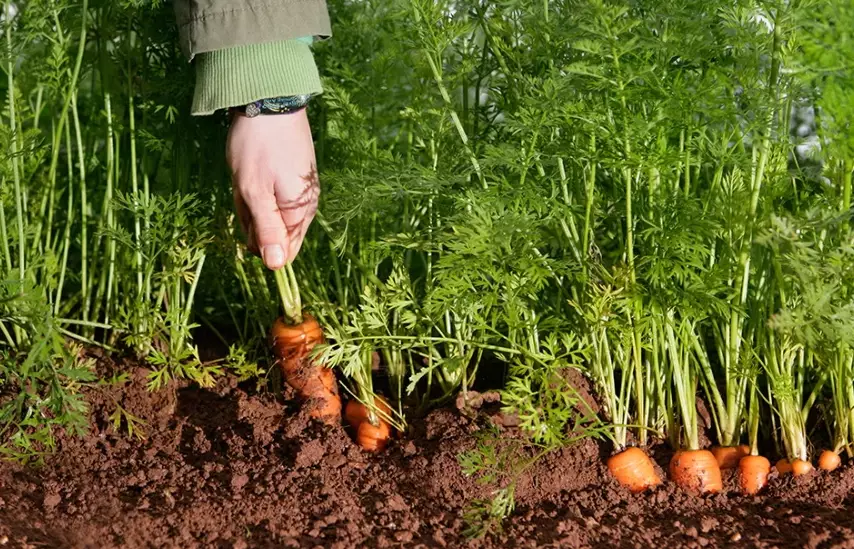
The Dirt on Dirt: Soil is Everything
Carrots need loose, deep, stone-free soil. If the soil is compacted, the root hits an obstacle and either splits, forks, or stops growing. It's that simple.
What does "loose and deep" mean? Aim for at least 12 inches of fluffy soil. For longer varieties, go deeper. I double-dig my carrot bed every year. It's a bit of work, but it pays off in straight, long roots.
Fertility matters, but in a specific way. Avoid fresh manure or very high-nitrogen fertilizer right before planting carrots. Too much nitrogen gives you gorgeous, fluffy tops and tiny, hairy roots. You want phosphorus and potassium for good root development. Work in some finished compost and a bit of bone meal a few weeks before planting.
Picking Your Carrot Squad
Not all carrots are created equal. The variety you choose should match your soil and your season.
| Carrot Type | Best For | Examples | Days to Maturity |
|---|---|---|---|
| Nantes | Sweet flavor, crisp texture. Great all-rounders. | 'Scarlet Nantes', 'Napoli' | 60-70 |
| Danvers | Heavier soils, good storage. | 'Danvers 126' | 70-75 |
| Imperator | Long, classic supermarket shape. Need deep, perfect soil. | 'Imperator 58' | 70-80 |
| Chantenay | Short, stout, conical. Excellent for heavy or shallow soil. | 'Red Cored Chantenay' | 65-70 |
| Mini/Ball | Containers, shallow beds, kids. | 'Parisian', 'Romeo' | 50-60 |
| Colorful | Fun, unique flavors & colors. | 'Cosmic Purple', 'Lunar White', 'Yellowstone' | 65-75 |
I usually plant a mix. Some 'Scarlet Nantes' for early eating, some 'Danvers' to store for winter, and a fun colorful pack just because.
Timing is (Almost) Everything
Carrots are cool-season crops. They prefer to grow in the cool of spring and fall. Heat makes them taste bitter and woody.
You can plant carrots as soon as the soil can be worked in spring—typically 2-4 weeks before your last frost date. The soil doesn't have to be warm, just not frozen. For a continuous harvest, do succession planting: sow a short row every 2-3 weeks until early summer.
The real secret? Fall planting. Sow seeds in mid to late summer for a fall harvest. Carrots sweetened by a few fall frosts are arguably the best of the year. You can even leave some in the ground (mulched heavily with straw) to harvest throughout the winter in many climates.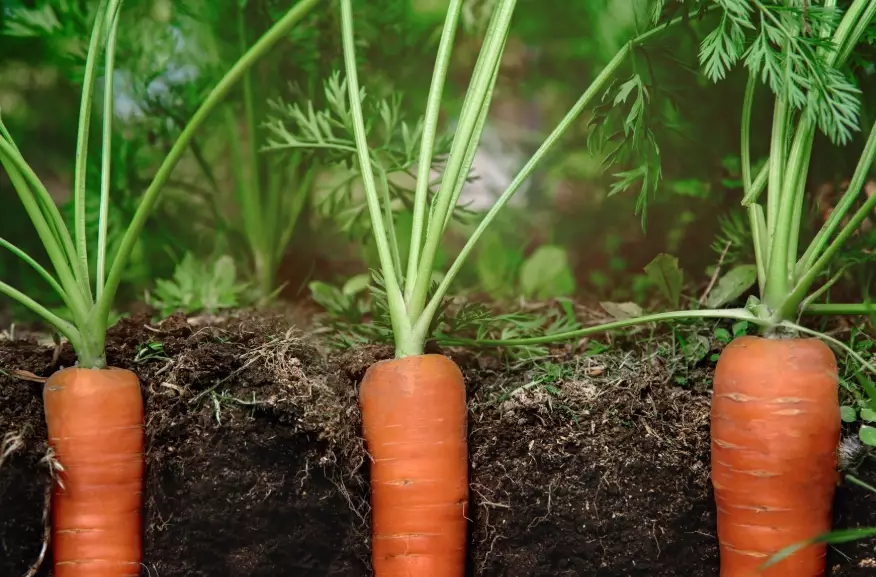
The Main Event: How to Actually Plant Carrot Seeds
Okay, your soil is ready, your seeds are picked. Now for the fiddly bit.
Sow them directly in the garden. Don't try to transplant seedlings—you'll damage the taproot. Make shallow furrows about 1/4 to 1/2 inch deep. I use the handle of my trowel. Space rows about 12 inches apart.
Here's the trick to avoid massive thinning later: mix the tiny seeds with dry sand or used coffee grounds. This helps you see where you've sown and spreads them out more evenly. Sow sparingly. You'll still probably overseed, but less so.
Cover the seeds lightly with fine soil, peat moss, or vermiculite. Pat it down gently to ensure good seed-to-soil contact. Water with a gentle spray. You must keep the soil consistently moist until the seeds germinate. If it dries out, germination fails. This is critical. I sometimes lay a board or burlap over the row to retain moisture, checking daily and removing it as soon as I see green.
Germination is slow. Don't panic. It can take 1-3 weeks, depending on soil temperature.
Baby Carrot Care: From Seedlings to Supper
The Dreaded Thinning
You will have to thin. There's no way around it if you want decent-sized carrots. Crowded seedlings produce spindly roots.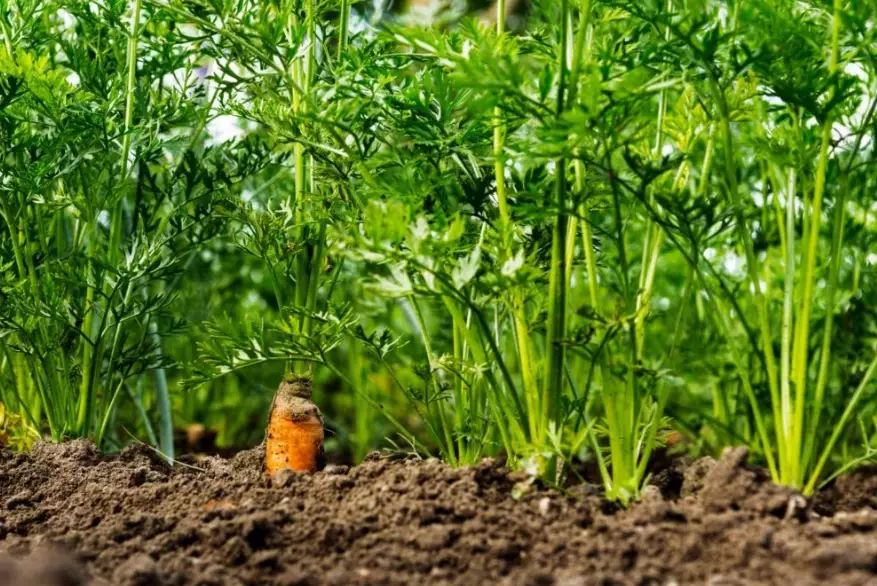
When the tops are about 2 inches tall, thin them to stand about an inch apart. A few weeks later, thin again to a final spacing of 2-3 inches. Use scissors to snip the unwanted seedlings at soil level. Pulling them can disturb the roots of the ones you want to keep.
Watering Wisdom
After germination, carrots need about 1 inch of water per week. Deep, infrequent watering is better than daily sprinkles. You want to encourage those roots to go down deep looking for moisture. Inconsistent watering (flood then drought) is a prime cause of split or cracked roots.
Weeding Without Worry
Weeds compete fiercely with slow-growing carrot seedlings. Hand-weed carefully when plants are small. Once the carrots are established and mulched, it gets easier.
What's Bugging Your Carrots? (Pests & Problems)
Carrots have a few key enemies. The good news? They're manageable.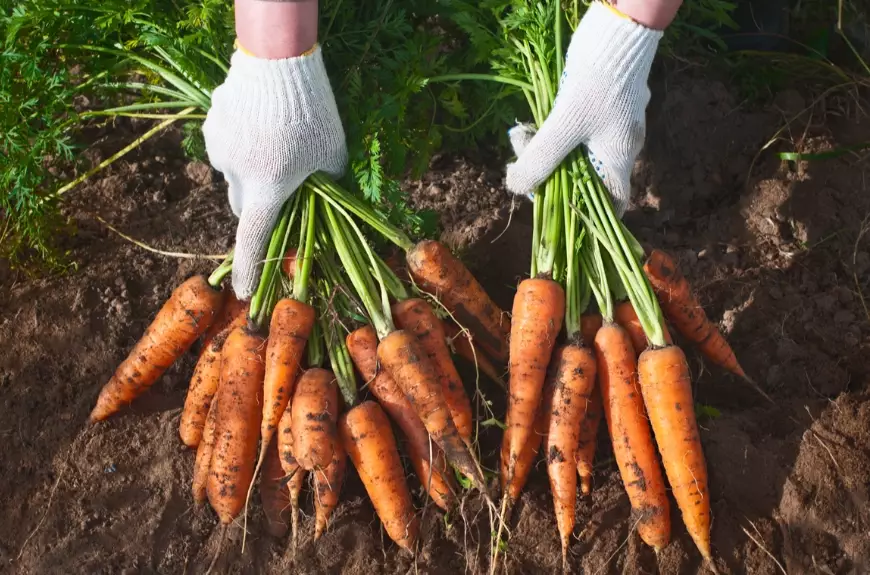
Carrot Rust Flies: The big one. Their maggots tunnel into roots, ruining them. The best defense is physical: cover your carrot rows with a floating row cover (like insect netting) immediately after sowing, sealing the edges with soil. This prevents the fly from laying eggs. Crop rotation also helps.
Aphids: They cluster on the foliage. A strong blast of water usually knocks them off. Ladybugs are your friends here.
Leaf Blight: Shows as brown spots on leaves. Promote good air circulation, avoid overhead watering, and rotate crops.
Most other issues—forking, splitting, hairy roots—are usually cultural problems, not pest problems. They point back to soil preparation, watering, or fertility issues we've already talked about.
The Big Payoff: Harvesting and Storing Your Bounty
How do you know when they're ready? Check the "days to maturity" on your seed packet, but also peek at the shoulders. Gently brush away soil from the top of a root. If the diameter looks good (usually 1/2 to 1 inch), give it a taste test! Pull one and see.
To harvest, water the bed first to loosen the soil. Grasp the foliage at the base and wiggle while pulling straight up. If the tops break off (they often do), use a garden fork to gently loosen the soil beside the root.
For storage, twist off the tops about an inch above the root. The greens draw moisture from the root, causing wilting. Don't wash them. Brush off excess soil. For long-term storage, place them in boxes or buckets of slightly damp sand, peat moss, or sawdust in a cool (32-40°F), humid place like a root cellar. They'll keep for months.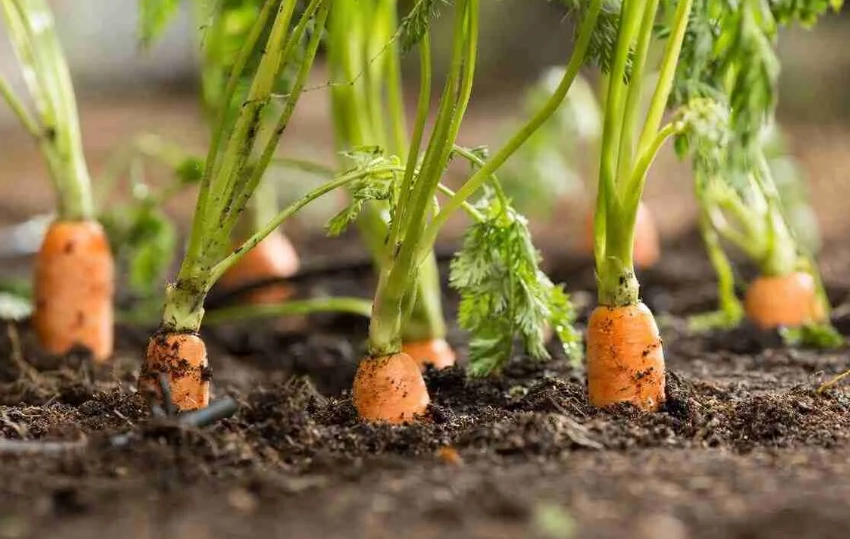
Leveling Up: A Few Advanced Tricks for Planting Carrots
Once you've got the basics down, try these.
Interplanting: Sow quick-growing radish seeds in the same row as your carrot seeds. The radishes germinate fast, marking the row and breaking the soil crust. You harvest the radishes in about a month, just as the carrots need the space. It's brilliant.
Container Carrots: Absolutely doable. Use a pot at least 12 inches deep. Choose shorter varieties. The soil mix is critical—use a light, fluffy potting mix, maybe with a bit of added sand. Watering is more frequent in containers.
Winter Harvest: In many zones, you can mulch heavily over your fall carrot crop with a foot of straw or leaves. The ground won't freeze as hard, and you can pull carrots all winter long. They're incredibly sweet.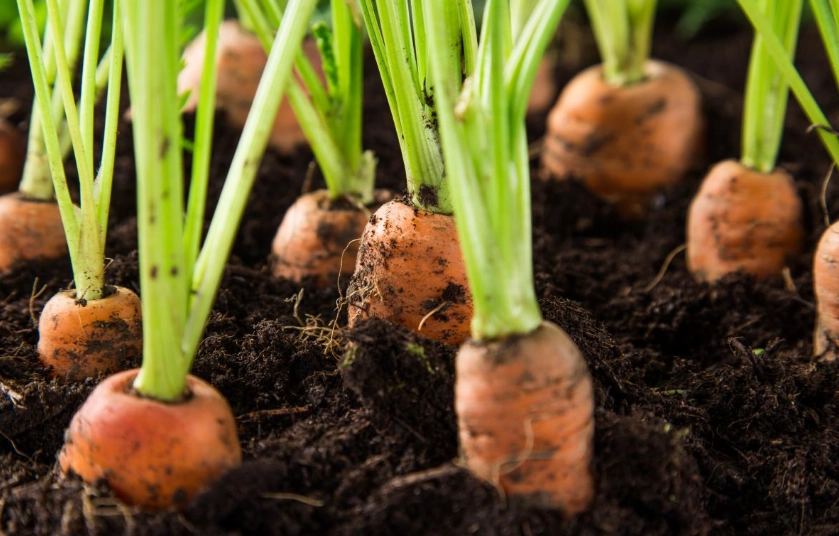
Questions I Get Asked All the Time (FAQs)
Wrapping It Up
Planting carrots successfully boils down to a few non-negotiable rules: perfect your soil before you plant, keep the seedbed moist until they sprout, thin them mercilessly, and water consistently. Get those right, and you're 90% of the way there.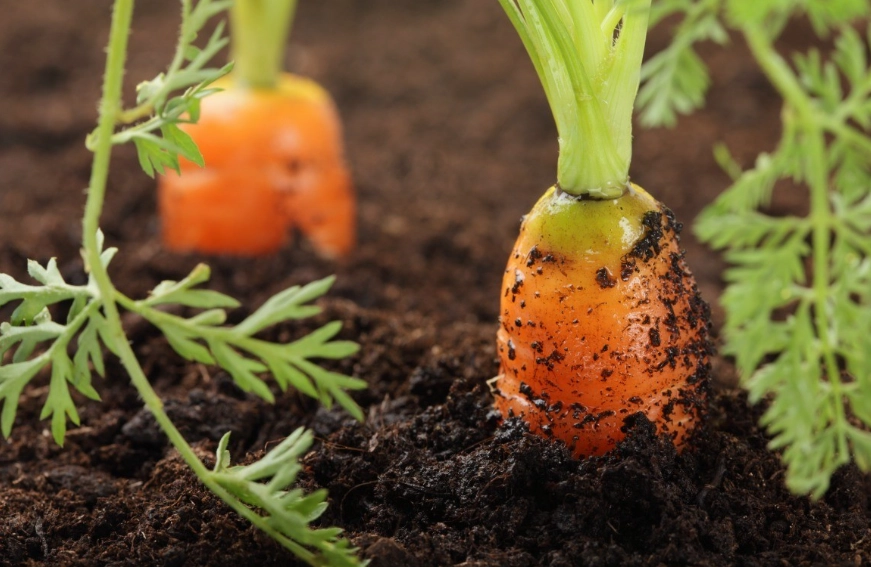
It's not the fastest crop, and it demands some patience and attention to detail. But when you pull up that first perfect, homegrown carrot, rinse it under the hose, and take a bite of that crisp, sweet earthiness… you'll forget all the work. You'll just be planning your next planting.
Start simple. Pick a reliable Nantes variety, prep a sunny spot really well, and give it a go. Your future self, crunching on a carrot you grew, will thank you.
Reader Comments