Your Hydrangea Care Roadmap
- The Non-Negotiable Basics of Hydrangea Care
- The Pruning Puzzle: Don't Chop Blindly!
- Feeding Your Hydrangeas: Less is Often More
- Solving the Big Problems: Why Isn't My Hydrangea Flowering?
- Getting Them Ready for Winter
- Answers to Questions You're Probably Typing Into Google
- Wrapping It Up: Your Hydrangea Care Checklist
Let's be honest. You brought home that stunning hydrangea from the garden center, all fluffy blue or pink blooms, and you had visions of it becoming the superstar of your yard. But now? Maybe the leaves are looking a bit sad, or it's not flowering like you hoped. I've been there. I've killed my share of plants, and hydrangeas taught me some hard lessons early on.
The good news is, hydrangea care isn't as mysterious as it seems. Once you crack their basic code—where to put them, how to water, and that all-important pruning timing—they become incredibly reliable performers. This guide is everything I wish I'd known when I started. We're going to move past the confusing jargon and get straight to what works.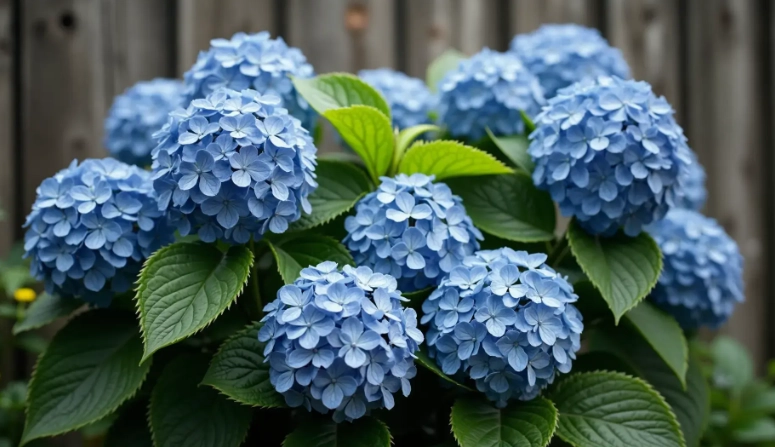
The Non-Negotiable Basics of Hydrangea Care
Think of this as the foundation. Get these wrong, and you'll be fighting an uphill battle with your hydrangea care routine.
Where to Plant: It's All About the Light
This is the single biggest make-or-break factor. The golden rule for most hydrangeas, especially the common Bigleaf types (Hydrangea macrophylla), is morning sun and afternoon shade. Why? Those large, beautiful leaves lose water fast. The harsh afternoon sun will scorch them and stress the plant, leading to constant wilting.
Panicle hydrangeas (Hydrangea paniculata, like 'Limelight') are the tough guys. They can handle, and often prefer, more sun—even full day sun in cooler climates. Oakleaf hydrangeas are shade lovers. So your first step is to know which type you have. If you're not sure, a safe bet is that dappled light or eastern exposure spot.
Watering: Deep Drinks, Not Sips
Hydrangeas are thirsty. The name comes from "hydor" (water) and "angos" (vessel) for a reason. But they hate soggy, waterlogged feet just as much as they hate drought.
Here's my method: Stick your finger into the soil about two inches deep. If it's dry, it's time to water. Then, water slowly and deeply at the base of the plant until the soil is moistened well down into the root zone. A soaker hose or drip irrigation is fantastic for this. A quick sprinkle with the hose just wets the surface and encourages shallow roots, which makes the plant even more vulnerable to drying out.
During a heatwave, you might need to water every other day. In cooler weather, once a week might be plenty. It's about checking, not following a rigid calendar.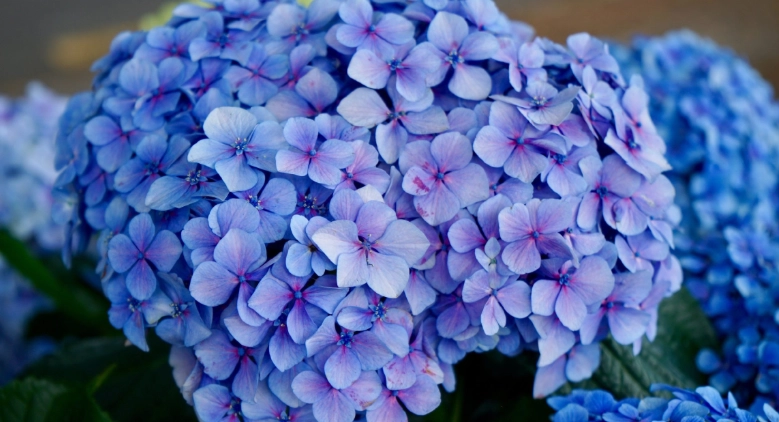
Soil: The Secret to Flower Color (For Some)
Soil matters for two reasons: health and color. All hydrangeas want well-draining soil rich in organic matter. I always mix in a generous amount of compost or aged manure when planting.
Now, for the famous color trick. This only applies to Bigleaf and Mountain hydrangeas (the ones that can be blue or pink). The flower color is influenced by soil pH and the availability of aluminum.
- Acidic Soil (pH below 6.0): Aluminum is available, leading to blue flowers.
- Alkaline Soil (pH above 7.0): Aluminum is locked up, leading to pink flowers.
You can change it, but it's a process, not a one-time fix. To encourage blue blooms, apply a soil acidifier or aluminum sulfate in spring. To encourage pink, add garden lime. The USDA doesn't give specific plant advice, but your local university extension service (like University of Minnesota Extension) is a goldmine for region-specific soil testing and amendment guides.
White-flowered hydrangeas? Their color is not affected by pH. So don't waste your effort there.
The Pruning Puzzle: Don't Chop Blindly!
This is where most people, myself included, have panic attacks. Wrong pruning is the number one reason for "my hydrangea didn't flower this year." The key is knowing when your hydrangea blooms on old wood, new wood, or both.
Let's break it down with a table. This is the cheat sheet I have taped in my shed.
| Hydrangea Type | Common Varieties | Blooms On | When & How to Prune |
|---|---|---|---|
| Bigleaf / Mophead & Lacecap | 'Nikko Blue', 'Endless Summer' | Old Wood (Last Year's Stems) | Prune right after flowering fades in summer. Only remove dead wood and spent blooms (deadhead). Avoid heavy pruning in fall/spring. |
| Panicle | 'Limelight', 'Little Lime', 'Pinky Winky' | New Wood (This Year's Growth) | Prune in late winter or early spring. You can be bold! Cut back by 1/3 to 1/2 to encourage strong new growth and larger blooms. |
| Smooth | 'Annabelle', 'Incrediball' | New Wood | Same as Panicle. Cut back hard in late winter/early spring. They'll bounce back vigorously. |
| Oakleaf | 'Alice', 'Ruby Slippers' | Old Wood | Prune minimally, right after flowering. Mainly for shaping. Appreciates its natural form. |
| Mountain | 'Tuff Stuff', 'Bluebird' | Old Wood | Similar to Bigleaf. Light pruning after flowering. |
See? It's not so scary once you know the group. If you're unsure of your type, a conservative approach is to simply deadhead (cut off the old flowers) and only remove clearly dead stems in spring. Observing for one full year is better than making a drastic cut.
Feeding Your Hydrangeas: Less is Often More
Hydrangeas aren't heavy feeders. Over-fertilizing, especially with high-nitrogen formulas, can give you a gorgeous green bush with zero flowers. Not the goal.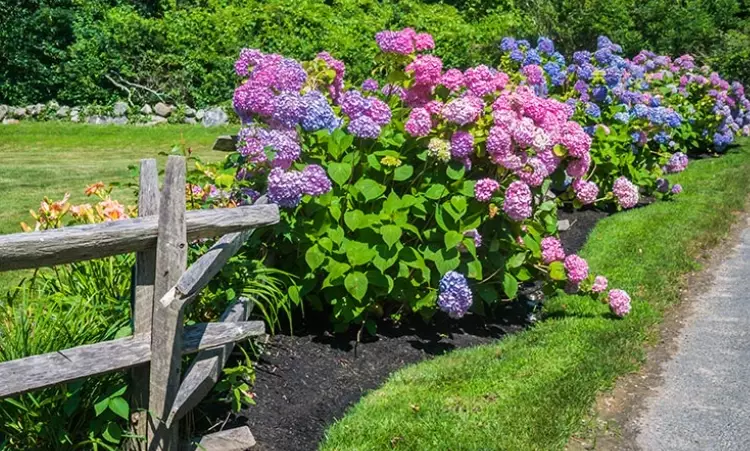
My simple fertilizing schedule for hydrangea care:
- Early Spring: As new growth appears, apply a balanced, slow-release fertilizer (like a 10-10-10 or one formulated for shrubs) around the drip line. A light layer of compost works wonders too.
- Early Summer (June): A second, lighter application can help support blooming, especially for rebloomers.
- Stop by late July: You want the plant to start hardening off for winter, not pushing tender new growth that will get killed by frost.
For those trying to alter flower color, use a fertilizer for acid-loving plants (to support blue) or a general-purpose one (for pink) in conjunction with your soil amendments.
Solving the Big Problems: Why Isn't My Hydrangea Flowering?
Let's troubleshoot. This is the heart of practical hydrangea care.
1. Pruning at the Wrong Time. This is culprit #1. You pruned in fall or early spring and cut off all the flower buds that were set last summer. Refer to the table above!
2. Too Much Shade. While they need protection from hot sun, deep shade means energy for leaves, not blooms. They need several hours of good light to flower well.
3. Winter Kill / Late Frost. This is a huge issue for old-wood bloomers in colder zones. A harsh winter or a late spring frost can kill the tender flower buds. The plant lives, but no flowers. Solution: Choose varieties rated for your zone. The USDA Plant Hardiness Zone Map is your bible here. For marginal areas, consider planting in a sheltered spot or using winter mulch (after the ground freezes) to protect the base.
4. Over-fertilizing. Too much nitrogen = all leaves, no party.
Other Common Issues
Wilting Leaves: Usually a sign of thirst or too much sun. Check soil moisture and sun exposure. Sometimes on hot days, they'll wilt dramatically even in moist soil—it's a coping mechanism. If they perk up by evening, it's just heat stress.
Brown Leaf Edges / Scorch: Classic sign of too much hot afternoon sun or wind exposure. Also can happen if the plant is watered erratically (drought then flood).
Powdery Mildew: That white, powdery coating on leaves. It's ugly but rarely fatal. It thrives in humid conditions with poor air circulation. Improve spacing, water at the base (not overhead), and consider a fungicide if severe. Resistant varieties are your best bet in humid climates.
Getting Them Ready for Winter
Good hydrangea care extends into autumn. The goal is to help the plant enter dormancy healthy and protect those precious buds (if it's an old-wood bloomer).
- Stop fertilizing by late summer.
- Keep watering during dry falls. A hydrated plant enters winter stronger.
- Don't prune in the fall (except for removing dead flowers on panicle types if you like the winter look).
- Mulch! After the ground has frozen, apply a thick layer (4-6 inches) of shredded bark, leaves, or straw around the base. This isn't to keep it warm, but to keep the ground frozen and prevent the damaging freeze-thaw cycles that can heave roots and kill buds. Pile the mulch up around the stems of tender varieties.
In spring, remove the bulk of the mulch once the danger of hard frost has passed to allow the soil to warm up.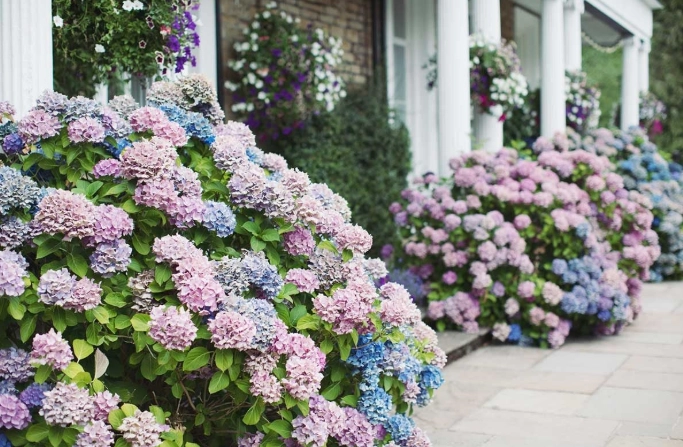
Answers to Questions You're Probably Typing Into Google
Let's get specific. Here are the quick-fire answers to the things I get asked all the time.
Wrapping It Up: Your Hydrangea Care Checklist
It feels like a lot, but it boils down to a simple mindset. Hydrangea care is about understanding, not just doing.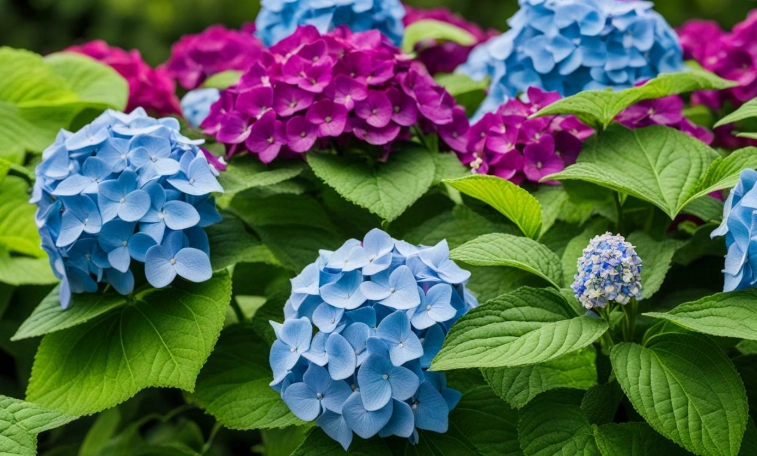
- Plant in the right light (mostly morning sun/afternoon shade).
- Water deeply and consistently, especially the first few years.
- Prune based on whether it blooms on old or new wood (check that table!).
- Feed lightly in spring with a balanced fertilizer.
- Mulch to conserve moisture and protect roots in winter.
- When in doubt, do less. Observe your plant. It will tell you what it needs.
 The biggest mistake is treating all hydrangeas the same. Take a breath, figure out which type you have, and then just follow its simple rules. Once you get these basics down, you'll stop worrying about keeping it alive and start enjoying the incredible, long-lasting show it puts on. Honestly, there are few shrubs that give so much back for a relatively small amount of thoughtful care. Get the foundations right, and your hydrangeas will reward you for decades.
Reader Comments