Quick Guide
- Not All Greens Are Created Equal: Understanding Leaf Lettuce Types
- Getting Your Hands Dirty: A Realistic Guide to Growing Leaf Lettuce
- Conquering the Supermarket Aisle: How to Pick and Store Leaf Lettuce
- Beyond the Basic Salad: Actually Using Your Leaf Lettuce
- Answers to the Questions You're Actually Asking
- Wrapping It All Up
Let's talk about leaf lettuce. You know, the kind that doesn't form a tight head like iceberg or romaine. It's the loose, often frilly, sometimes red-tinged stuff that makes up those fancy "spring mix" bags. But here's the thing – it's way easier to grow and often more flavorful than its headed cousins. I remember the first time I tried growing it myself. I bought a packet of "mesclun mix" seeds, scattered them in a pot, and a few weeks later I was eating the most tender, peppery greens I'd ever tasted. It felt like a small miracle, and honestly, it kind of is.
Why does leaf lettuce deserve its own guide? Because it's the gateway green for home gardeners and the secret to a better salad for everyone else. It's forgiving, fast-growing, and comes in a ridiculous number of varieties. But it also wilts if you look at it wrong. We've all been there – you buy a beautiful bunch on Saturday, and by Tuesday it's a slimy mess in the bottom of your fridge. Frustrating, right?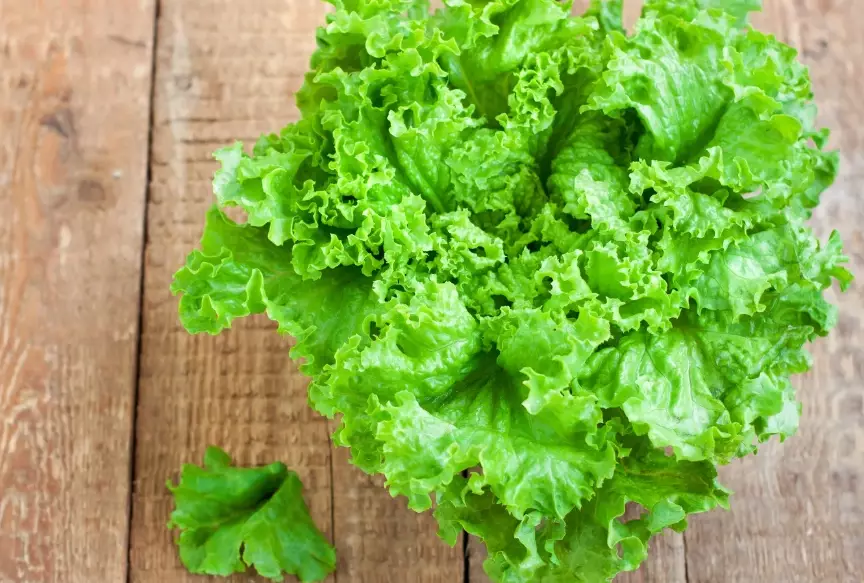
This guide is here to fix that. We're going to dig into everything. What types of leaf lettuce should you even choose? How do you keep it crisp for more than two days? Is it really worth the effort to grow your own? (Spoiler: yes, but with some caveats). I'll share what's worked for me, what hasn't, and point you to the real experts when needed.
Not All Greens Are Created Equal: Understanding Leaf Lettuce Types
Walking into a garden center or even the produce aisle can be overwhelming. Oakleaf, Lollo Rossa, Butterhead (which is sort of a crossover), Black-Seeded Simpson... the names sound like they belong in a fantasy novel, not your salad spinner. The main thing to know is that leaf lettuce is defined by its growth habit – it forms loose clusters of leaves rather than a dense, round head. This makes it perfect for "cut-and-come-again" harvesting.
Here’s a quick breakdown of the main players you'll encounter:
| Variety Name | Looks & Texture | Flavor Profile | Best For | My Personal Take |
|---|---|---|---|---|
| Black-Seeded Simpson | Light green, frilly, tender leaves | Mild, sweet, classic lettuce taste | Beginners, fast crops, hot weather (it bolts slower than some) | The reliable workhorse. Never the most exciting, but it always produces. |
| Oakleaf (Green & Red) | Deeply lobed leaves that look like, well, oak leaves. Delicate. | Nutty and mild. Red oakleaf has a slightly more robust flavor. | Adding visual drama to salads and plates. Doesn't last as long once cut. | My favorite for looks. The red variety is stunning in the garden, but it turns to mush faster than others in the fridge. |
| Lollo Rosso & Lollo Biondo | Extremely frilly, curly leaves. Rosso is red-edged, Biondo is green. | Mild with a slight bitterness, more texture than strong flavor. | Garnishes, bulk in salad mixes, and pure ornamental beauty. | Grows like a dream but honestly, I find the texture a bit too frilly sometimes. It holds dressing in all its nooks and crannies. |
| Butterhead (e.g., Bibb, Boston) | Forms a loose, soft head. Tender, almost buttery leaves. | Sweet, mild, and melts in your mouth. | The ultimate gourmet salad green. Wonderful for delicate applications. | The flavor champion. Unbeatable for taste, but a magnet for slugs in my garden. Needs more babying. |
| Arugula & Mizuna | Technically not lettuce (they're brassicas), but often grown and sold as "leafy greens" with leaf lettuce. | Peppery (arugula) & mild, mustardy (mizuna). | Adding a spicy kick to mixes. Very fast growing. | Arugula is a must-have for me. It grows like a weed and saves a bland salad. Can get too spicy if it's stressed or old. |
See what I mean? Choosing a type of leaf lettuce isn't just about grabbing a seed packet or a plastic clamshell. It's about what you want to experience. Do you want sweet, spicy, frilly, or sturdy? The beauty of growing it yourself is you can have a mix of all of the above in one container.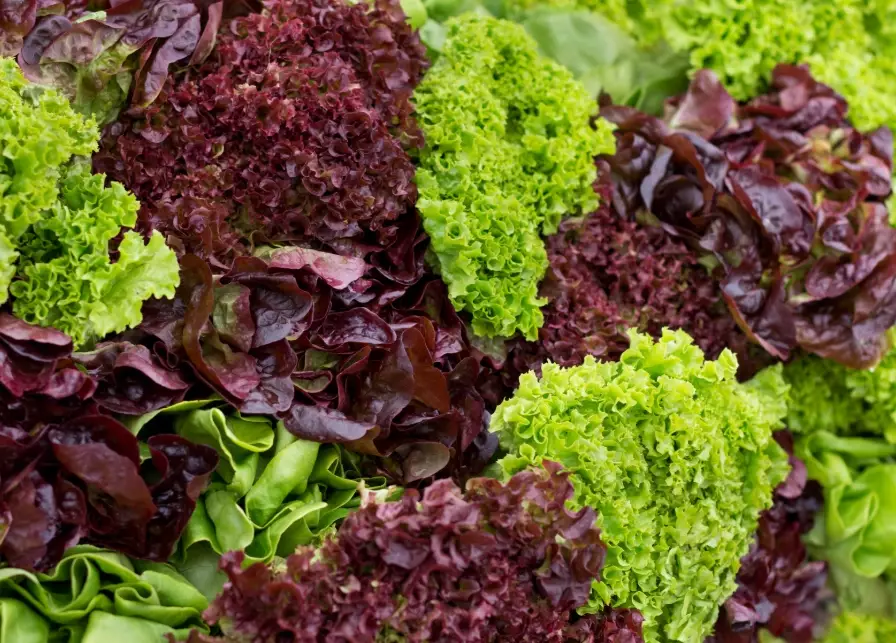
Getting Your Hands Dirty: A Realistic Guide to Growing Leaf Lettuce
Okay, so you're tempted to try growing some. Good call. It's probably the most satisfying first crop you can plant. The seeds are tiny, they sprout quickly, and you get to eat something you grew in just over a month. The hype is real, but let's temper it with some real talk.
Where and When to Plant
Leaf lettuce is a cool-season crop. It hates blazing summer heat – that's when it "bolts," sending up a flower stalk and turning its leaves bitter. The sweet spots are spring and fall. You can start seeds indoors a few weeks before your last frost date, but honestly, I almost always sow them directly right in the garden bed or container. They're that easy.
The classic advice is to plant in full sun. And yeah, for the biggest, lushest leaves, that's true. But here's a little secret from my own trial and error: in hotter climates (or during a surprise spring heatwave), partial afternoon shade is your best friend. It delays bolting by days, maybe even weeks. My best patch of Black-Seeded Simpson last year was in a spot that got morning sun and dappled afternoon light.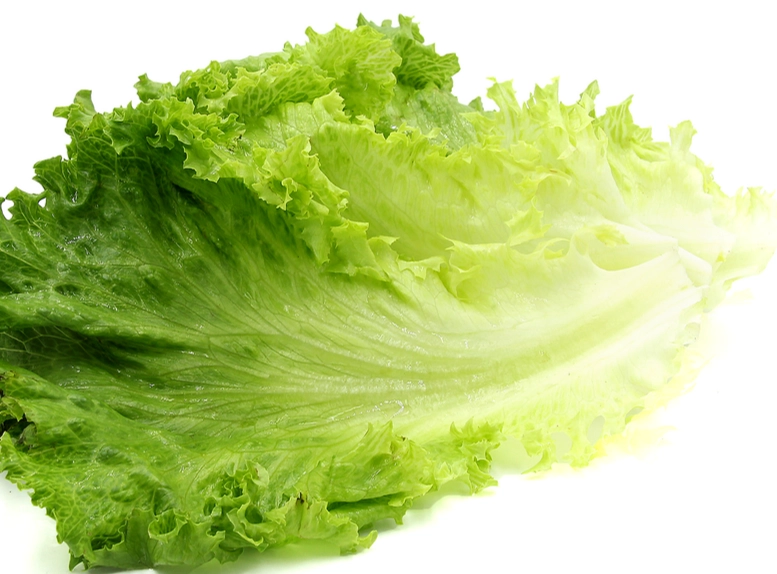
Soil, Water, and the Not-So-Glamorous Stuff
Lettuce isn't a deep rooter. It likes soil that's loose, drains well, and is rich in organic matter. If your soil is heavy clay, you'll have a bad time. Raised beds or containers are fantastic solutions. I mix in a good amount of compost or a balanced, slow-release organic fertilizer into the top few inches of soil before I sow.
Watering is where most people mess up. The goal is consistent moisture, not a swamp. Lettuce roots are shallow, so they dry out fast. Inconsistent watering leads to stressed plants, tough leaves, and faster bolting. A light mulch (like straw or shredded leaves) around the seedlings helps a ton by keeping the soil cool and moist.
But here's my negative opinion: all the gardening books make it sound so simple. "Keep evenly moist." What does that even mean? In practice, during a hot, dry week, it can mean watering lightly every single day. It can be a chore. Drip irrigation or a soaker hose on a timer is a game-changer if you're serious about it.
Harvesting: The Cut-and-Come-Again Magic
This is the best part about leaf lettuce. You don't pull up the whole plant. When the leaves are 4-6 inches tall, you can start harvesting. Take a sharp pair of scissors and cut the outer leaves about an inch above the base. The central growing point stays intact, and it will send up a new flush of leaves in a week or two.
You can usually get 2-4 harvests from one plant before it starts to peter out or decides to bolt. Just remember, the more you cut, the more it tries to grow. It's the ultimate sustainable snack.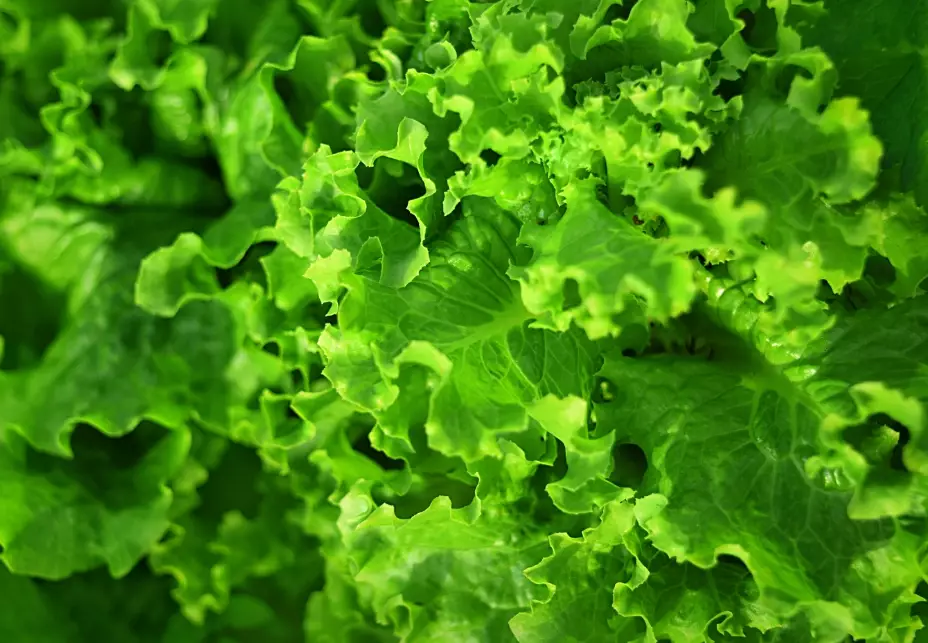
Conquering the Supermarket Aisle: How to Pick and Store Leaf Lettuce
Not everyone has a garden, and that's perfectly fine. The store-bought stuff can be great if you know what to look for. The battle isn't just buying it; it's keeping it edible for more than 48 hours.
Choosing the Best Bunch or Clamshell
First, avoid any package with condensation on the inside. That's a red flag for rapid decay. The leaves should look perky and vibrant, not limp or slimy. Check the stems or the base of the leaves – if they're discolored (brown or reddish) and look dried out or mushy, put it back. For bunches, give it a gentle squeeze. It should feel light and airy, not dense and damp.
Sometimes, the pre-washed bags or clamshells of mixed leaf lettuce are a better bet than a whole head, especially if you live alone and won't use it all at once. They're more expensive per ounce, but if it prevents waste, it might be worth it.
The Absolute Best Way to Store It (This Changed Everything for Me)
Forget everything you thought you knew. The standard "put it in the crisper drawer" is a recipe for wilting. Leaf lettuce dies from a combination of moisture loss and excess moisture causing rot. We need to manage both.
Here's my fail-proof method:
- Don't wash it yet. If you buy a bunch with roots or a core, leave it intact.
- Get a large, airtight container or a produce bag that has those tiny micro-perforations.
- Line the container with a single paper towel. This is the moisture-wicking magic.
- Place your dry, unwashed leaf lettuce inside.
- Place another paper towel on top before sealing the lid or tying the bag.
- Store it in the crisper drawer, which should be set to high humidity.
The paper towels absorb the excess ethylene gas and condensation that accelerates spoilage. I've kept leaf lettuce crisp and fresh for over a week and a half using this method. It sounds too simple, but it works. The University of California's Division of Agriculture and Natural Resources has a great resource on postharvest care of vegetables that confirms the importance of temperature and humidity management, though they might get more technical than my paper towel trick!
What about the pre-washed stuff? It's already been washed in a chlorine solution (don't worry, it's safe) and spun dry. You can store the bag or box as-is, but I still transfer it to a container with a paper towel. The bags often develop tiny holes, letting moisture out and air in.
Seriously. Water is the enemy of storage. Once the leaves are wet, they start to break down much faster. Use a salad spinner – it's not a unitasker, it's a necessity. Spin it bone-dry. A wet salad is a sad salad; the dressing won't cling, and it waters everything down.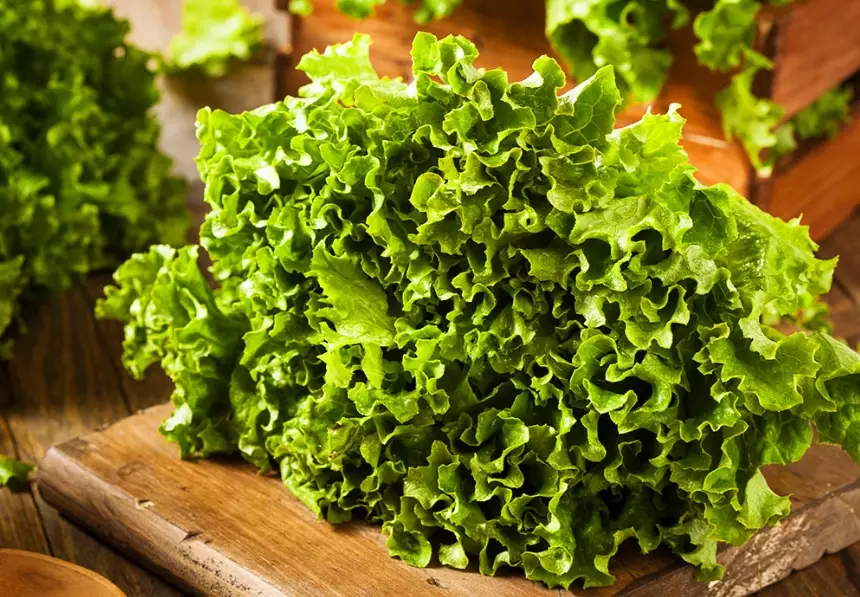
Beyond the Basic Salad: Actually Using Your Leaf Lettuce
It's not just for salads. That's like saying a tomato is just for slicing. When you have a glut from the garden or a big container from the store, you need ideas.
Salads, Obviously: But mix textures. Combine a tender butterhead with some spicy arugula and crunchy romaine. Dress it just before serving. A simple vinaigrette of olive oil, lemon juice, a dab of Dijon, salt, and pepper is all you need. Don't drown it.
Sandwiches & Wraps: This is where leaf lettuce shines. A big, flexible leaf of Green Oakleaf or Butterhead makes a perfect, crisp wrapper for chicken salad, grilled veggies, or falafel. It's sturdier than you think and adds a fresh crunch that bread alone can't provide.
Cooked? Yes, Cooked: Don't toss those slightly wilted outer leaves! Wash them, chop them roughly, and sauté them with garlic and olive oil like you would spinach. They cook down in minutes. Throw them into a soup at the last second, or stir them into a warm pasta dish. The flavor mellows and becomes almost sweet. The USDA's MyPlate guidelines encourage eating a variety of vegetables, and cooked greens definitely count.
Blend It: A handful of mild leaf lettuce can go into a green smoothie without overpowering the fruit. It adds nutrients and volume without a strong "green" taste. Try it with pineapple, mango, and ginger.
The point is to see it as a versatile vegetable, not just a salad base. When you stop thinking of it as just one thing, you'll never waste a leaf again.
Answers to the Questions You're Actually Asking
I get it. Sometimes you just want a straight answer. Here are some of the things I had to look up or learn the hard way.
Wrapping It All Up
So, there you have it. Leaf lettuce isn't just a side character in your salad bowl. It's a resilient garden starter, a test of your grocery store savvy, and a blank canvas for meals. It has its quirks – the tendency to bolt, the desire to wilt – but once you understand them, you're in control.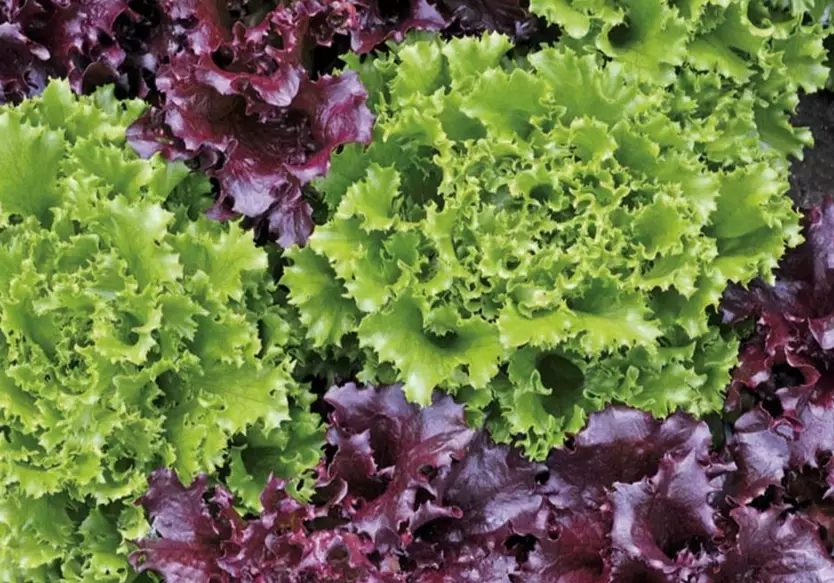
The biggest takeaway? Whether you're sprinkling seeds in a patio pot or carefully selecting a bunch at the market, treat it with a little knowledge. Give it the right conditions to grow or the right environment to stay crisp. In return, it gives you that incredible, fresh crunch that makes a meal feel alive.
I still have failures. Last fall, a family of rabbits found my prized butterhead patch before I did. It was devastating. But that's gardening, and that's life with fresh food. You learn, you adapt, and you plant more. Because when you succeed, when you bite into a leaf you nurtured from a speck of a seed, there's nothing quite like it. It tastes like accomplishment, and it's delicious.
Go get some leaf lettuce. Grow it, buy it, just eat more of it. Your salads will thank you.
Reader Comments