Let's be honest. You're probably here because you've seen those stunning pictures on Pinterest or Instagram. A wall completely covered in lush, green plants, maybe with some strawberries or herbs peeking out. It looks magical, like something out of a fairy tale. And you thought, "I want that. But can I actually do it?"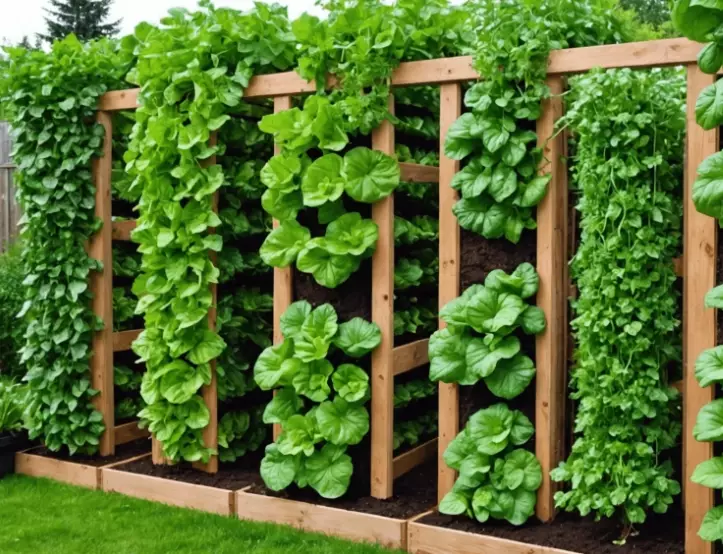
I had the exact same thought a few years ago. I was living in an apartment with a balcony the size of a postage stamp. My dream of a vegetable garden seemed impossible. That's when I stumbled into the world of vertical gardening. It wasn't all smooth sailing—I've had my share of leaks, plant casualties, and moments of sheer confusion. But now? That little balcony is a jungle, and I haven't bought basil or lettuce in months.
So, if you're holding a drill and a bag of potting mix, feeling a mix of excitement and terror, you're in the right place. This isn't just another fluffy article. We're going deep. We'll talk about the real pros and cons, the nitty-gritty of building your system, and how to keep it alive (because that's the hard part). Forget just copying a trendy idea; let's build something that actually works for you.
Why Bother with Vertical Gardening Anyway?
Before we get our hands dirty, let's talk about the "why." It's more than just looking cool, though it definitely does that.
The most obvious benefit is space. You're literally turning unused vertical real estate—blank walls, fences, balcony rails—into productive garden space. It's a game-changer for apartment dwellers, urban homesteaders, or anyone with a small yard. But there are other perks people don't always mention.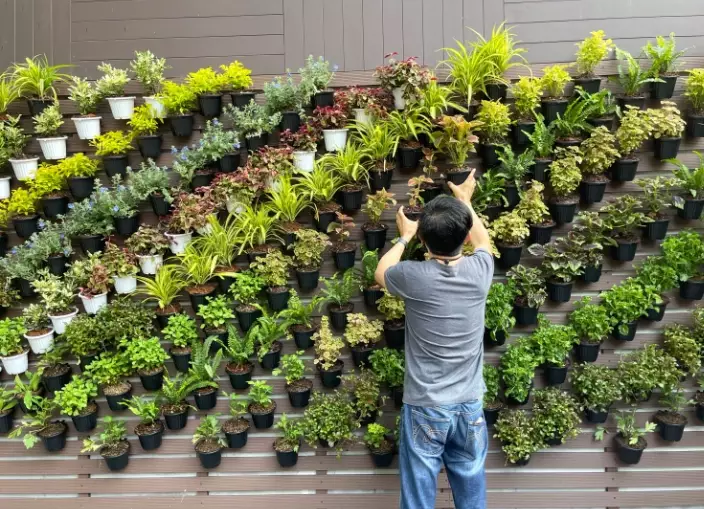
For one, it can make gardening easier on your back. No more constant bending over to tend to ground-level beds. A well-designed vertical setup brings the plants to you. It can also improve air circulation around your plants, which helps prevent some fungal diseases that thrive in stagnant, damp conditions. And let's not forget pest control. Keeping your plants off the ground can put them out of reach (or at least make them harder to find) for slugs, snails, and some crawling insects.
The Good Stuff (The Pros):
- Maximizes Limited Space: This is the big one. Grow food and flowers where you thought you couldn't.
- Easier Harvesting & Maintenance: Say goodbye to backaches from constant bending.
- Better Airflow & Sun Exposure: Plants can be spaced to reduce crowding, leading to healthier growth.
- Creative Expression: It's a living piece of art. You can create patterns, color blocks, and textures.
- Can Improve Insulation: A green wall on an exterior surface can provide minor insulating benefits, buffering against heat and cold.
- Hides Unsightly Walls: Got a ugly concrete block wall or a rusty fence? Cover it in green.
The Not-So-Good Stuff (The Cons & Realities):
- Watering is Tricky: Gravity is not your friend here. The top dries out fast, the bottom can get waterlogged. This is the number one challenge.
- Weight & Structural Concerns: Soil, plants, and water are heavy. You must ensure your wall, fence, or balcony can handle the load.
- Limited Root Space: Most vertical systems use shallow containers. This restricts what you can grow to smaller, lightweight plants.
- Fertilizer Leaching: Nutrients can wash out quickly with frequent watering, so you need to fertilize more often.
- Potential for Wall Damage: If not installed with a proper moisture barrier, you risk damaging your wall with dampness.
See? I told you we'd be honest. It's not all sunshine and rainbows. I learned the watering lesson the hard way after my first vertical herb garden turned into a crispy-top, soggy-bottom disaster. But every problem has a solution, and that's what the rest of this guide is for.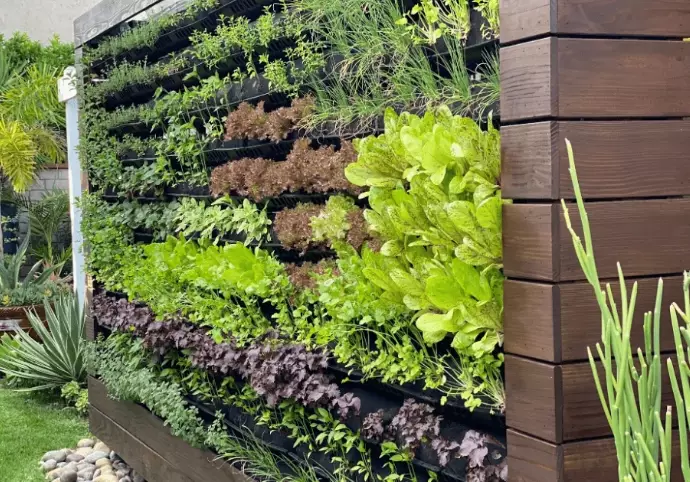
Getting Started: The Planning Phase (Don't Skip This!)
Jumping straight in is tempting, but a little planning saves a ton of frustration later. Think of this as the blueprint for your success.
Location, Location, Location
This is your first and most critical decision. Where will your vertical garden live?
Sunlight: Most edible plants and flowering plants need a good 6-8 hours of direct sun. Watch your chosen spot over a few days. Does it get morning sun or harsh afternoon sun? South-facing walls get the most intense light. North-facing ones get the least. The University of Minnesota Extension has a great resource on understanding light requirements, which applies to outdoor settings too.
Access to Water: Is there a hose bib nearby? If not, are you prepared to carry watering cans? This practical detail will determine your daily commitment.
Wall Surface: What are you attaching it to? Wood, brick, vinyl siding, concrete? This affects the type of anchors and hardware you'll need. And please, if you're renting, get your landlord's permission first.
Choosing Your Vertical Gardening System
There's no single "best" system. It depends on your budget, skill level, and what you want to grow. Here's a breakdown of the most common types.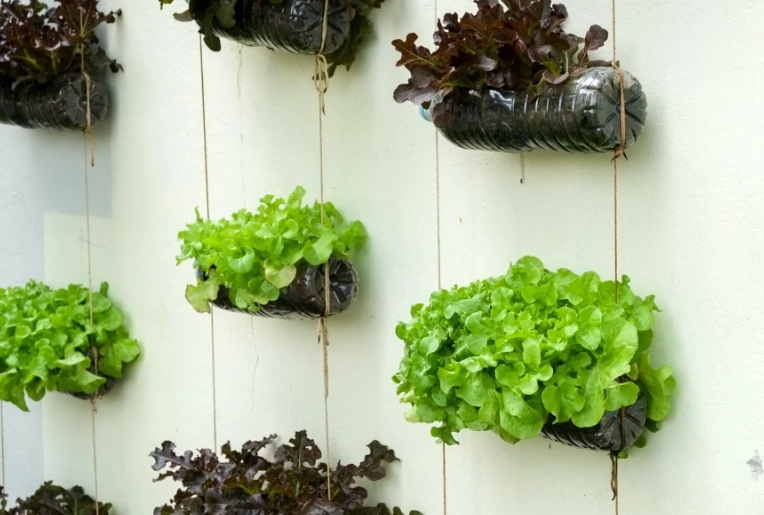
| System Type | Best For | Pros | Cons | Cost Estimate |
|---|---|---|---|---|
| Pocket Planters (Felt/ Fabric) | Herbs, succulents, strawberries, small annual flowers. | Lightweight, inexpensive, easy to install, great for renters. | Dries out very quickly, fabric degrades in sun over 2-3 years. | Low ($30 - $100) |
| Tiered Planters / Stair-Step Shelves | Beginners, container gardening lovers, patio displays. | Easy to manage, movable, uses standard pots. | Can take up floor space, may not feel like a true "wall." | Low-Medium ($50 - $200) |
| Pallet Gardens | DIY enthusiasts on a tight budget. | Very cheap (often free), rustic look, customizable. | Heavy, requires careful prep (sanding, sealing), limited planting depth. | Very Low ($20 - $50) |
| Modular Plastic Panel Systems | A serious, permanent food-producing wall. | Durable, integrated irrigation options, professional look. | Expensive, complex installation, requires precise planning. | High ($200 - $1000+) |
| Living Wall Kits (with irrigation) | Those who want a "plug-and-play" solution and hate watering. | Simplifies the hardest part (watering), sleek design. | Very expensive, relies on pumps/timers that can fail. | Very High ($500 - $2000+) |
My personal journey started with a cheap felt pocket planter. It was great for a season, but the constant watering drove me nuts. I then built a wooden planter box system with a simple drip line hooked to a timer. It was more work upfront, but it saved me hours of work later. Think about your future self.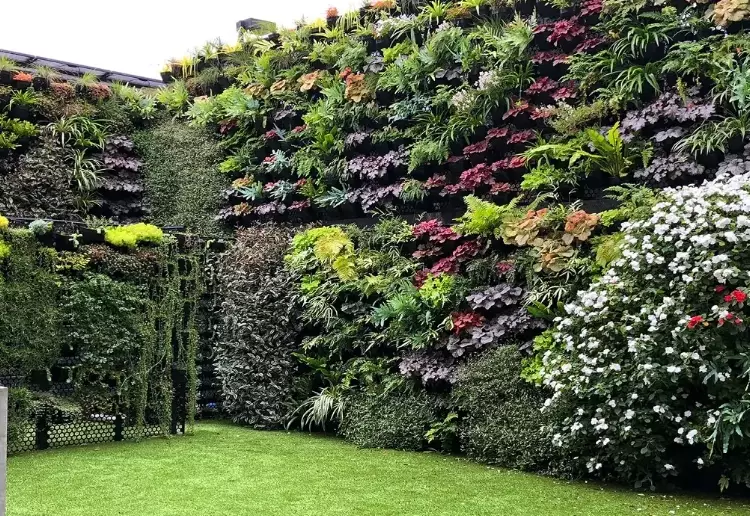
Picking the Right Plants
You can't just stick any plant in a vertical garden. You need plants that are naturally shallow-rooted, relatively lightweight, and suited to the conditions of your wall.
A Golden Rule: When planning a vertical garden, always choose plants that are one size smaller than what you'd put in a regular garden bed. Think "compact" or "dwarf" varieties.
Here’s a quick list to get your ideas flowing:
Top Performers (Almost Foolproof):
- Herbs: Basil, thyme, oregano, mint (be careful, it's invasive—best in its own pot), chives, parsley. These are the stars of vertical gardening.
- Leafy Greens: Lettuce (all types), spinach, kale, Swiss chard, arugula. They grow fast and have shallow roots.
- Strawberries: Alpine or everbearing varieties are perfect for hanging pockets.
- Succulents (for sunny, dry walls): Sedums, hens and chicks. They need excellent drainage and forgetful watering.
- Trailing/Spilling Flowers: Petunias, lobelia, nasturtiums (edible too!), sweet potato vine (ornamental).
Proceed with Caution:
- Tomatoes & Peppers: Only dwarf or patio varieties. A full-sized beefsteak tomato plant will be too heavy and root-bound.
- Root Vegetables: Carrots, radishes. Only if your planter is deep enough (at least 12 inches). Most aren't.
Generally Avoid:
- Large shrubs, deep-rooted perennials, corn, pumpkins, or anything that gets tall and top-heavy. They will either break your system or just be unhappy.
The Nitty-Gritty: Building and Maintaining Your Vertical Garden
Okay, you've got your spot, your system, and your plants. Now for the real work.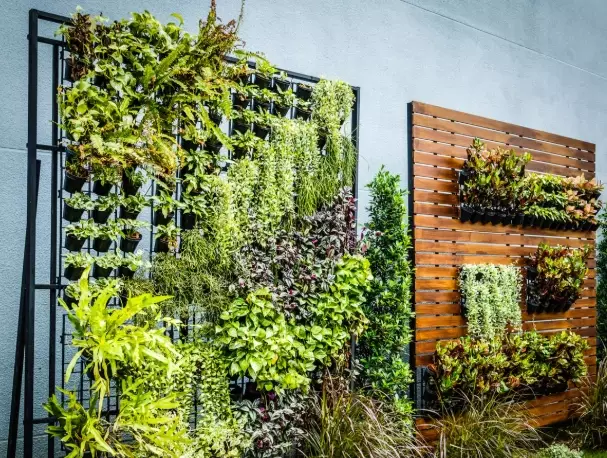
Soil and Planting Media
Do not use garden soil from your yard. It's too dense, will compact in containers, and likely contains pests or weed seeds.
You need a high-quality, soilless potting mix. Look for a mix that's labeled for containers. It should be light, fluffy, and drain well. For vertical gardening, I often mix in extra perlite or coarse horticultural sand (about 20% by volume) to improve drainage even further. Good drainage is critical to prevent the lower sections from becoming a swamp.
Some advanced vertical gardening systems use specific hydroponic media like rockwool or coco coir, but for most DIYers, a premium potting mix is the way to go.
The Lifeline: Irrigation and Watering
This is the heart of the matter. Manual watering with a can or hose is fine for a small setup, but it's easy to miss spots or overwater.
For anything larger than a few pockets, I strongly recommend a drip irrigation system on a timer. It sounds fancy, but basic kits are quite affordable and simple to assemble. You run a main tube along the top of your garden, with small emitter lines dripping directly into each planter or pocket. A battery-operated timer on your faucet handles the rest.
Why is this a game-changer? Consistency. Plants thrive on consistent moisture. It also saves you time and ensures your garden gets watered when you're on vacation. The EPA's WaterSense program highlights drip irrigation as one of the most efficient watering methods, which is a bonus for both your water bill and the environment.
My Experience: Installing a $40 drip kit was the single best investment I made for my vertical garden. The difference in plant health was noticeable within a week. No more guessing.
Feeding Your Plants (Fertilizing)
Because you'll be watering more frequently (and water flows through quickly), nutrients wash out of the soil faster than in a traditional garden. Your plants will get hungry.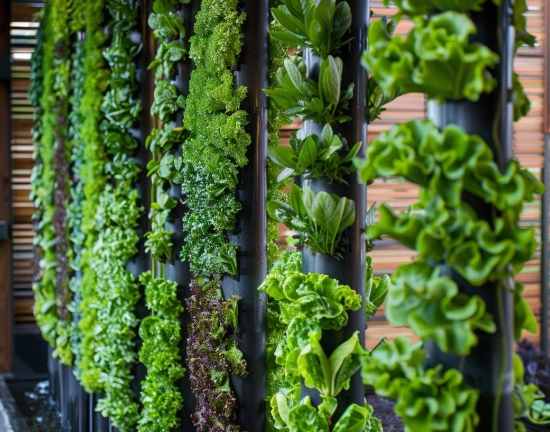
A balanced, water-soluble fertilizer applied every two weeks during the growing season works well. You can also use a slow-release granular fertilizer mixed into the potting soil at planting time, which feeds plants for several months. Organic options like fish emulsion or compost tea are great too—just be aware they may have a stronger smell, which might be a concern for balconies near windows.
The key is to observe your plants. Pale leaves or stunted growth are often cries for food.
Ongoing Maintenance: The Short Checklist
- Deadheading: Pinch off spent flowers to encourage more blooms.
- Harvesting: Harvest leafy greens and herbs frequently. This actually promotes bushier, more productive growth.
- Pruning: Trim back any overly enthusiastic plants to keep them in their space.
- Checking for Pests & Disease: Look under leaves and in the dense parts. Early detection is everything. A strong blast of water from a hose can dislodge many pests like aphids.
- Seasonal Care: In cold climates, most vertical gardens are treated as annuals. Empty the planters at the end of the season to prevent soil from freezing and expanding, which can damage structures.
Tackling Your Biggest Questions (FAQ)
I get a lot of questions about vertical gardening. Here are the ones that come up again and again.
This is the most important safety question. There's no one answer. A sturdy fence post or concrete wall can hold a lot. Drywall with simple anchors? Not much. A general rule of thumb: if you can hang a heavy cabinet on it securely, it can probably hold a moderately sized vertical garden. When in doubt, consult a contractor or handyman. It's worth the peace of mind. For lightweight fabric systems, the weight is minimal, but the pulling force on the top anchors is significant when the fabric is wet.
You can, but you must choose wisely. Focus on "leafy" crops rather than "fruiting" ones. Lettuce, spinach, kale, and many herbs (like mint and parsley) can tolerate 4-6 hours of sun or dappled light. Fruiting plants like tomatoes, peppers, cucumbers, and strawberries need that full, direct sun (6-8+ hours) to produce well. The University of Maryland Extension's planting guides are excellent for understanding sun requirements for specific veggies.
Repurpose what you have. Use old wooden pallets (make sure they are heat-treated, not chemically treated—look for the HT stamp), gutters mounted to a fence, or even plastic bottles cut in half and hung on a string. The internet is full of creative, low-budget DIY vertical gardening ideas. My first successful one was made from an old shoe organizer. It looked... quirky, but it grew herbs!
This is the ultimate test. If you don't have a drip system on a timer, you have a few options: 1) Ask a neighbor or friend (the old-fashioned way). 2) Use watering spikes (like glass bulbs or ceramic cones that slowly release water). 3) For small setups, move the entire garden to a shady spot and give it a deep soak before you leave. But honestly, a simple timer is the best $20 you'll spend for worry-free trips.
Absolutely! Indoor vertical gardening is huge for growing herbs and purifying air. The principles are the same, but lighting becomes your main challenge. Most indoor walls don't get enough natural light. You'll likely need to incorporate grow lights into your system design. Choose plants that thrive in low to medium light indoors, like pothos, philodendron, spider plants, ferns, and certain herbs like mint if you have a bright window.
Wrapping It Up: Your Green Wall Awaits
Look, starting a vertical garden can feel like a big project. It is. But you can break it down into tiny, manageable steps. Don't try to build the Chelsea Flower Show display on your first weekend. Start small. A simple three-pocket herb planter by your kitchen door is a perfect beginning.
You'll learn so much from that small project—how fast the soil dries, how much sun it really gets, what the wind does to it. Then you can scale up with confidence.
The beauty of vertical gardening is that it turns constraints into creativity. That blank wall isn't a limitation anymore; it's a blank canvas. You get to decide what grows there.
So go for it. Pick a system that matches your budget and patience level. Choose a handful of plants you love to eat or look at. Pay attention to the watering, and don't be too hard on yourself if something doesn't work out. Every gardener, vertical or otherwise, has a compost pile of failures behind their successes. It's all part of the process.
Your future green wall—and the salads it will provide—are worth it.
