Let's talk about plant food. You know, that stuff you sprinkle or mix into the soil hoping your plants will magically turn into giants. I've been there, staring at rows of fertilizers in the garden center, completely overwhelmed. Organic, synthetic, slow-release, liquid, powder... it's a jungle out there. And honestly, I've made my fair share of mistakes. I once gave my tomato plant such a "boost" it grew like crazy but never produced a single fruit. Lesson learned.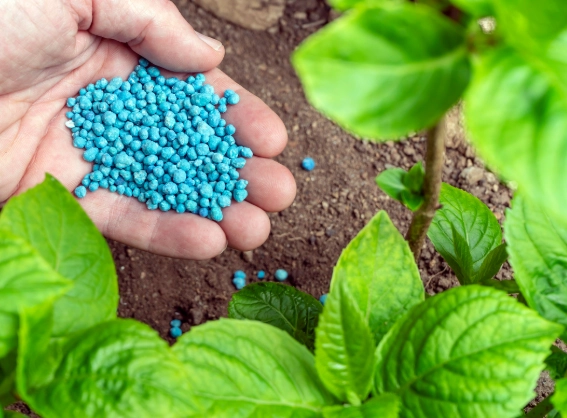
The truth is, understanding plant fertilizers isn't about memorizing a bunch of chemical formulas. It's about knowing what your plants are quietly asking for. They can't tell you they're hungry for potassium or craving more nitrogen. You have to learn to read the signs. This guide is my attempt to save you from the confusion and the costly mistakes. We'll walk through everything, from the basic "what's in the bag" to creating a feeding schedule that actually works. Think of it as a conversation between fellow gardeners, not a textbook.
What Are Plant Fertilizers, Really? (It's Not Just Food)
When you buy plant fertilizers, you're buying concentrated nutrients. Soil, especially in gardens that are planted year after year, gets depleted. Plants suck up nitrogen, phosphorus, potassium, and a host of other micronutrients to build their leaves, roots, flowers, and fruits. Fertilizers replenish that pantry.
But here's where it gets interesting. Not all fertilizers are created equal, and their purpose goes beyond just "feeding." Some are designed to kickstart growth in spring. Others are formulated to strengthen roots before winter. Some are generalists, and others are specialists for things like blooming or fruiting.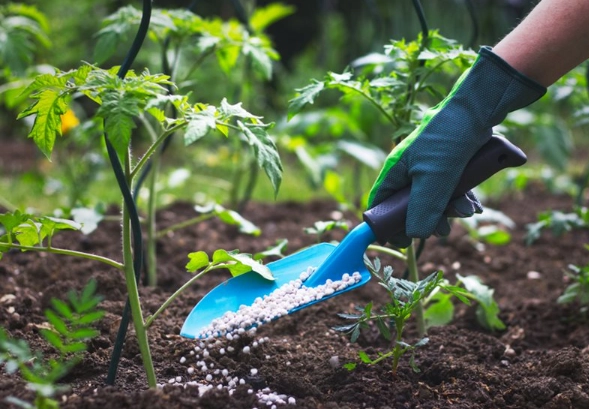
The most common analogy is comparing it to a human diet. You need protein, carbs, and fats (the macronutrients - N-P-K), but you also need vitamins and minerals (the micronutrients) to truly thrive. A plant living on just water and sunlight in poor soil is like a person trying to run a marathon on bread and water alone. It might survive, but it won't flourish.
The Big Three: N-P-K Explained (Without the Chemistry Degree)
Every bag of fertilizer has three numbers, like 10-10-10 or 5-10-5. This is the N-P-K ratio, and it's the most important thing on the label.
- N (Nitrogen): This is the leaf and stem maker. It's responsible for that lush, green, vigorous vegetative growth. If your plants are pale green or yellowing (starting with the older leaves), they're probably asking for nitrogen. But too much, and you get all leaves, no flowers or fruit—my tomato plant disaster.
- P (Phosphorus): Think roots, flowers, and fruits. Phosphorus is crucial for strong root development, blooming, and fruit setting. A deficiency might show as stunted growth or dark, purplish tinges on leaves. This is key for seedlings, flowering annuals, and fruiting vegetables.
- K (Potassium): The plant's immune system and overall health booster. Potassium helps with disease resistance, drought tolerance, and the general sturdiness of the plant. It regulates many internal processes. Yellowing or browning at the leaf edges can be a sign of deficiency.
So, a balanced fertilizer like 10-10-10 gives equal parts of each. A "bloom booster" might be 5-30-15, heavy on the phosphorus. A lawn fertilizer is often high in nitrogen, like 24-4-12, to push green growth.
The Great Debate: Organic vs. Synthetic Plant Fertilizers
This is the gardening world's version of an endless argument. Let's break it down without the dogma.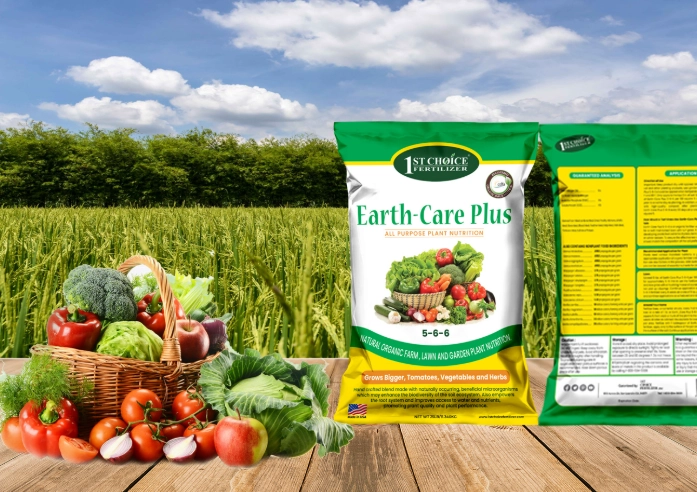
| Feature | Organic Fertilizers | Synthetic (Chemical) Fertilizers |
|---|---|---|
| Source | Derived from plant, animal, or mineral matter (e.g., compost, manure, bone meal, kelp). | Manufactured through industrial chemical processes. |
| How They Work | Must be broken down by soil microbes into a form plants can use. This is a slower process. | Nutrients are in a water-soluble form that plants can absorb immediately. |
| Speed of Action | Slow-release. Provides a long, steady feed over weeks or months. | Fast-acting. Results are often visible within days. |
| Soil Health | Improves soil structure, adds organic matter, and feeds beneficial microbial life. | Provides only nutrients. Does nothing to improve soil texture or biology. |
| Risk of Burn | Very low. It's difficult to over-apply and cause fertilizer burn. | High. Over-application can easily "burn" roots and foliage due to salt buildup. |
| Nutrient Precision | Variable. Nutrient content can be inconsistent. | Precise. You know exactly the N-P-K ratio you're applying. |
| Cost & Convenience | Often more expensive per unit of nutrient. Can be bulkier to handle. | Generally cheaper and more concentrated. Easy to store and apply. |
So, which is better? It's not that simple.
I lean organic for my garden beds. Why? Because I'm not just feeding the plant this season; I'm building the soil for next season and the one after that. Healthy soil equals fewer problems down the line. The University of California's Agriculture and Natural Resources department has great resources on building soil health, which aligns perfectly with the organic approach.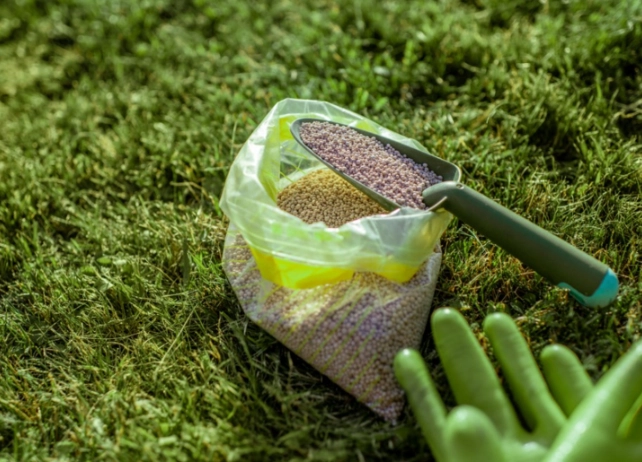
But I'm not a purist. For my container plants on the patio, I sometimes use a balanced synthetic water-soluble fertilizer. In pots, there's no soil ecosystem to build—it's a closed system. The plants need food now, and a synthetic gives them a quick, measurable boost. The key is to use it at half-strength to avoid burning those confined roots.
A Gardener's Toolbox: Common Types of Plant Fertilizers
Let's look at the forms these nutrients come in. Choosing the right type is half the battle.
Granular Fertilizers
These are dry pellets or granules. You sprinkle them on the soil surface and water them in, or mix them into the soil at planting time. They're easy to store and apply with a broadcast spreader for lawns. They can be either synthetic (like most lawn foods) or organic (like many all-purpose garden blends).
Best for: Large areas (lawns, garden beds), pre-planting soil amendment, and long-term feeding.
Water-Soluble Fertilizers
Powders or liquids you dissolve in your watering can. This is the fastest way to get nutrients to your plants, as they're immediately available to the roots. The effect is powerful but short-lived, so regular applications (every 1-2 weeks during the growing season) are needed.
Best for: Container gardening, seedlings, houseplants, and giving plants a quick mid-season boost. Miracle-Gro is the classic example, but there are many organic versions like fish emulsion or seaweed extract (though they can smell… potent).
Slow-Release Fertilizers
These are granules coated in a polymer shell that breaks down slowly with temperature and moisture, releasing nutrients over 3-9 months. They're incredibly convenient—apply once in spring, and you're done. They're almost foolproof against over-fertilizing.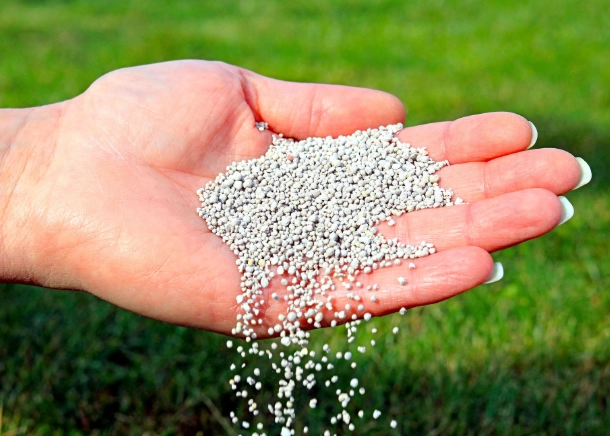
Best for: Busy gardeners, container plants, and incorporating into potting mixes. Osmocote is a well-known brand.
Liquid Organic Fertilizers
Things like fish emulsion, kelp meal tea, or compost tea. They offer a quick(ish) organic feed and often come packed with beneficial microbes and hormones that stimulate plant growth. The smell of fish emulsion is… an acquired taste. Your neighbors might ask questions.
Best for: Foliar feeding (spraying directly on leaves), providing a fast organic nutrient hit, and adding microbial life to the soil.
How to Choose the Right Fertilizer: It's All About the Plant
Throwing a generic fertilizer at every plant is like serving steak to a vegetarian and salad to a bodybuilder. You need to match the fertilizer to the plant's job.
- Lawns: High nitrogen (first number). Look for formulas like 24-4-12 or 30-0-4 to promote green, leafy growth. Apply in late spring and early fall. Avoid high-phosphorus lawn fertilizers unless a soil test shows a deficiency, as excess phosphorus can run off and pollute waterways.
- Vegetables (Leafy greens like lettuce, spinach): Higher nitrogen to produce those lush leaves. A balanced fertilizer at planting, followed by a nitrogen-side-dress later, works well.
- Vegetables (Fruiting like tomatoes, peppers, squash): They need more phosphorus and potassium to set and develop fruit. Start with a balanced fertilizer, then switch to a lower nitrogen, higher P-K formula (e.g., 5-10-10) once flowers appear. Too much nitrogen now gives you a giant, bushy plant with two tomatoes.
- Flowering Annuals & Perennials: Similar to fruiting veggies. They want phosphorus for blooms. A "bloom booster" formula or one with a higher middle number is ideal.
- Trees & Shrubs: They generally need less frequent feeding. A slow-release, balanced fertilizer applied in early spring is often sufficient. Over-fertilizing trees can cause weak, fast growth that's susceptible to breakage and pests.
- Houseplants: A balanced, water-soluble fertilizer diluted to half-strength, applied monthly during spring and summer. Ease off completely in fall and winter when growth slows. The American Horticultural Society notes that overwatering and over-fertilizing are the top killers of houseplants.
See the pattern? What is the plant producing? Leaves, roots, flowers, or fruit? Let that guide you.
When and How to Apply Fertilizer: Timing is Everything
You can have the best fertilizer in the world, but if you apply it at the wrong time or in the wrong way, it's wasted—or worse, harmful.
The Best Times to Feed
Early Spring: As plants break dormancy and begin active growth. This is the main feeding for most perennials, trees, and shrubs. Use a slow-release or granular fertilizer.
Before Planting Annuals & Vegetables: Work fertilizer into the soil a week or so before transplanting seedlings or sowing seeds. This gives nutrients time to integrate and avoids direct contact with tender roots.
Mid-Season Side-Dressing: For heavy feeders (corn, tomatoes, dahlias), apply a second dose of fertilizer alongside the plant row when it's about halfway to maturity. Scratch it lightly into the soil and water well.
Key Rule: Stop fertilizing perennials, trees, and shrubs about 6-8 weeks before your first expected fall frost. Fertilizing late encourages tender new growth that will be killed by the cold.
How to Apply Correctly (And Avoid Disaster)
- Read the Label. Always. The instructions are there for a reason. More is NOT better.
- Water First. Never apply fertilizer, especially synthetic, to dry soil. Water the area thoroughly a day before. This prevents root burn and helps nutrients move into the soil.
- Apply, Then Water Again. After applying granular fertilizer, water it in deeply. This activates the release and washes any granules off plant foliage (which can cause leaf burn).
- Keep it Off Leaves and Stems. Direct contact with concentrated fertilizer salts can scorch plant tissue.
- Root Zone Focus. Apply fertilizer around the "drip line" of trees and shrubs (where rain drips from the outermost leaves), not right at the trunk. For rows of vegetables, apply in a band alongside the plants.
Reading the Signs: Deficiency, Excess, and What to Do
Your plants talk. You just have to learn their language, which is mostly color and growth patterns.
Common Deficiency Symptoms
- Nitrogen (N): Overall pale green or yellowing, starting with the older, lower leaves. Stunted growth.
- Phosphorus (P): Dark green or purplish leaves. Stunted growth, especially in seedlings. Poor flowering/fruiting.
- Potassium (K): Yellowing or browning along leaf edges and tips, starting with older leaves. Weak stems, poor fruit quality.
- Iron (Fe): Yellowing between the veins of new leaves, while veins stay green. Common in alkaline soils.
A crucial point: Many nutrient deficiencies look similar, and symptoms can also be caused by overwatering, disease, or incorrect pH.
The Dangers of Over-Fertilization (Fertilizer Burn)
This is a real and common problem, especially with synthetics. Symptoms include:
- Leaf scorch: Brown, crispy leaf edges and tips.
- Wilting, despite moist soil.
- White, crusty salt buildup on the soil surface or pot rim.
- Sudden leaf drop.
- Stunted or deformed new growth.
What to do if you over-fertilize: Don't panic. Leach the soil. Slowly and deeply water the area for an extended period (30+ minutes) to flush excess salts down and out of the root zone. You may need to repeat this a few times. For potted plants, you can sometimes run a gentle stream of water through the pot for several minutes.
Beyond the Bag: Sustainable Practices and Soil First
The most elegant fertilizer strategy often uses less bagged product. It's about working with nature's systems.
1. Compost is King. Regularly adding high-quality compost is the single best thing you can do for your garden. It adds a broad spectrum of nutrients, improves soil structure (drainage in clay, water retention in sand), and feeds the soil food web. Think of compost as a multivitamin and probiotic for your soil. The EPA provides a great overview of home composting basics.
2. Cover Cropping. In vacant vegetable beds, plant cover crops like clover or winter rye. They prevent erosion, suppress weeds, and when turned into the soil in spring, they add organic matter and nutrients (especially nitrogen if using legumes like clover).
3. Mulching. A layer of organic mulch (wood chips, straw, shredded leaves) conserves water, suppresses weeds, and as it slowly decomposes, it adds nutrients back to the soil. It's a slow-release fertilizer and soil conditioner in one.
4. Crop Rotation. Don't plant the same family of vegetables in the same spot year after year. Different plants use different nutrients and attract different pests. Rotating them helps prevent soil depletion and disease buildup.
Answering Your Questions: Plant Fertilizer FAQs
Can I make my own plant fertilizer at home?
Absolutely, and it's very satisfying. Compost is the #1 homemade fertilizer. You can also make "teas" by steeping nutrient-rich materials in water. For example, soak banana peels in water for a few days for a potassium-rich brew, or do the same with used coffee grounds for a mild nitrogen boost. Just be aware that homemade concoctions have unpredictable nutrient levels. They're great supplements, but don't rely on them as a complete food source for demanding plants.
Are expensive, premium-brand fertilizers worth it?
Sometimes, but not always. You're often paying for marketing, fancy packaging, and proprietary blends of micronutrients. For a basic garden, a reputable mid-priced brand or even a generic store brand with the same N-P-K ratio will work just fine. Where premium brands can be worth it is in specialized formulas (e.g., for orchids, roses, or blueberries) where they've researched the exact micronutrient needs. For general all-purpose feeding, save your money.
How does soil pH affect fertilizer?
Hugely. Soil pH controls nutrient availability. Even if a nutrient is present in the soil, if the pH is wrong, the plant can't access it. For example, in highly acidic soil (low pH), nutrients like phosphorus, calcium, and magnesium get locked up. In alkaline soil (high pH), iron, manganese, and boron become unavailable. This is why a soil test is so valuable—it tells you your pH and exactly what's lacking. Most plants prefer a slightly acidic to neutral pH (6.0-7.0). You can adjust pH with lime (to raise it) or sulfur (to lower it), but it's a slow process.
Is "more frequent, weaker feeding" better than "one strong dose"?
For most situations, yes, especially with water-soluble fertilizers. Frequent, weak feeding (often called "weekly, weakly") provides a steady, gentle supply of nutrients that matches the plant's ability to absorb them. It minimizes waste from leaching and drastically reduces the risk of fertilizer burn. It's how professional greenhouse growers do it. One strong dose can shock the plant, waste nutrients, and pollute groundwater.
Putting It All Together: A Simple Seasonal Fertilizer Plan
Let's make this practical. Here's a basic, no-fuss plan for a mixed ornamental and vegetable garden in a temperate climate.
Late Winter / Early Spring:
- Get a soil test if you haven't in 3-4 years.
- Spread a 2-3 inch layer of compost over all garden beds.
- Apply a balanced, slow-release granular organic fertilizer (like a 5-5-5) according to package rates. Gently scratch both into the top inch of soil.
Late Spring (After Planting):
- For heavy-feeding vegetables (tomatoes, corn, squash), side-dress with a fertilizer higher in phosphorus and potassium (like a 3-5-5) when they start to flower/fruit.
- Feed container plants and hanging baskets with a half-strength water-soluble fertilizer every 2-3 weeks.
Mid-Summer:
- Give flowering annuals and perennials a mid-season boost with a liquid bloom fertilizer to encourage a second flush of flowers.
- Keep up with container feeding.
Early Fall:
- Apply compost again as a top-dressing. This feeds the soil over winter.
- You can apply a fall lawn fertilizer (high in potassium) to strengthen grass roots for winter.
- STOP fertilizing trees, shrubs, and perennials.
The world of plant fertilizers is deep, but it doesn't have to be complicated. Start with compost. Observe your plants. Use a gentle hand. Remember, you're a steward of the soil ecosystem as much as you are a grower of plants. When you get it right, the results—vibrant blooms, bountiful harvests, and that deep satisfaction—are the best rewards any gardener can ask for.
Now, go take a look at your garden. What do you think it's trying to tell you?
