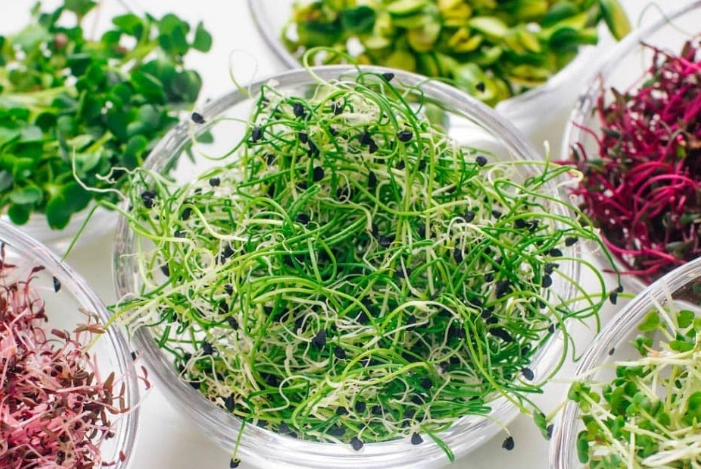
Let's be real for a second. You've probably seen those gorgeous trays of tiny, vibrant greens on social media or at a fancy farmer's market and thought, "I could never do that." Or maybe you bought a pack and were shocked by the price. What if I told you that learning how to grow microgreens is one of the simplest, most rewarding gardening projects you can start, and you can do it right on your kitchen counter? It's true. I killed my fair share of houseplants before I got this right, but microgreens? They're forgiving.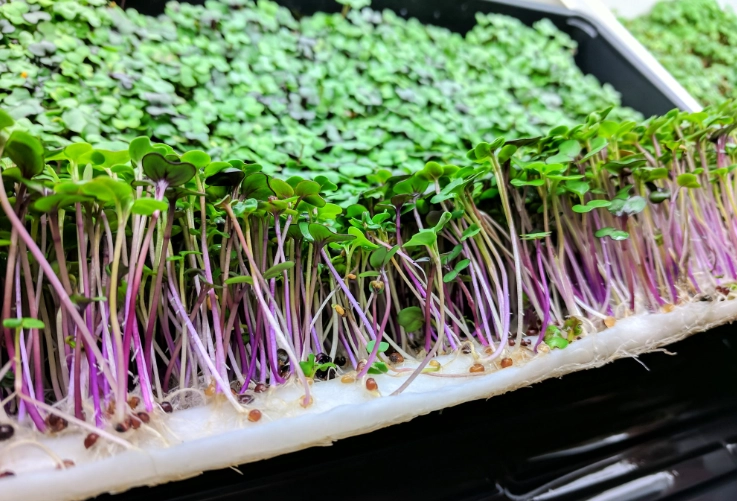
This isn't about turning your home into a commercial farm (unless you want to!). It's about having a constant, ultra-fresh supply of nutrient-packed greens for your sandwiches, salads, and smoothies, with flavors that put grocery store lettuce to shame. The process from seed to harvest can be as quick as 7-14 days. No yard needed, no green thumb required. Just a little bit of know-how, which is exactly what I'm going to share with you.
What exactly are microgreens? They're not sprouts. Sprouts are eaten seed-and-all, grown in water. Microgreens are the young seedlings of vegetables and herbs, harvested just after the first true leaves develop. You cut them above the soil line. They pack a more concentrated flavor and nutrient punch than their mature counterparts. Think of them as the toddler phase of a plant, full of energy and vibrancy.
Why Bother Growing Your Own? (Beyond Just Looking Cool)
Sure, it looks impressive when you serve them, but the reasons to learn how to grow microgreens at home go way deeper.
First, the flavor. A homegrown pea shoot tastes like spring peas exploded in your mouth. Radish microgreens have a sharp, peppery kick that wakes up any dish. Store-bought versions are often wilted, overpriced, and bland in comparison because they've traveled for days.
Then there's nutrition. Studies, like those referenced by the USDA's Agricultural Research Service, have shown that microgreens can contain significantly higher vitamin, mineral, and antioxidant levels than mature leaves. You're getting maximum nutrition in a tiny package.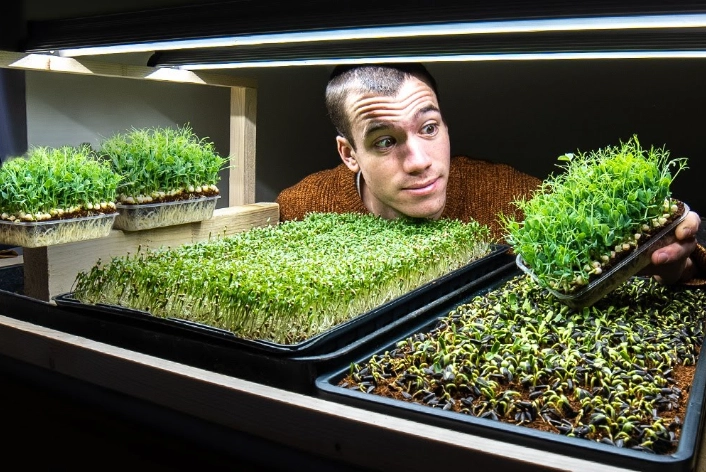
But for me, the biggest win is control and convenience. You control the growing medium (no chemicals you don't want), and you harvest exactly what you need, when you need it. No more half-wilted plastic clamshells languishing in the fridge. It's also incredibly satisfying. There's a simple joy in snipping a fresh handful of greens you grew yourself. It connects you to your food in a way a supermarket never can.
Getting Started: What You Actually Need (Spoiler: It's Not Much)
One of the best things about learning how to grow microgreens is the low barrier to entry. You can start with stuff you likely already have. Don't get sucked into buying every fancy gadget upfront. Start simple, see if you enjoy it, then upgrade.
The Non-Negotiable Basics
- Seeds: This is the most important choice. Don't use regular garden seeds, which are often treated with fungicides. Buy seeds specifically labeled for sprouting or microgreens. They're tested for food safety. Good beginner choices are radish, broccoli, pea shoots, sunflower, and kale. They're fast, reliable, and tasty.
- Containers: Any shallow tray with drainage holes will work. You can buy dedicated 10"x20" microgreen trays (a "1020" tray), but upcycled takeout containers, salad clamshells, or even a baking sheet with a drainage layer of pebbles work fine. I started with old plastic fruit containers I poked holes in.
- Growing Medium: This is what your seeds grow in. Potting mix, coconut coir, or specialized microgreen mats. Avoid garden soil—it's too dense and can harbor pathogens. A good, sterile potting mix is perfect for beginners.
- Light: Once they sprout, they need light. A sunny south-facing window can work, but results can be leggy. A simple LED shop light or a dedicated grow light placed a few inches above the tray gives consistent, robust growth.
- Water: A clean spray bottle for the initial stages is key. Later, bottom-watering (pouring water into the tray the container sits in) is the best method to prevent mold and disturbance.
The "Nice-to-Have" Stuff
A microgreens growing kit can be a great gift or starting point, as it bundles the basics. But you don't need a kit. Other upgrades include a small fan for air circulation (dramatically cuts down mold risk), a heat mat for faster germination in cold homes, and a sharp knife or scissors for harvesting.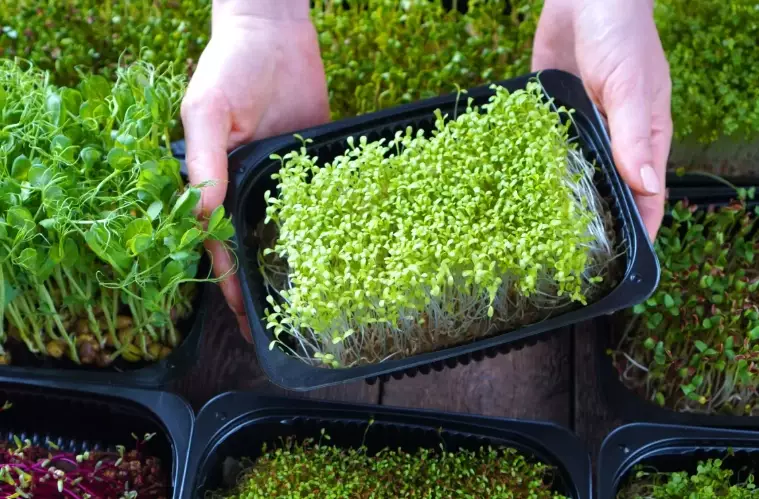
Here’s a quick comparison of popular growing mediums to help you decide:
| Growing Medium | Pros | Cons | Best For |
|---|---|---|---|
| Potting Mix | Inexpensive, widely available, provides some nutrients. | Can be messy, potential for soil-borne fungi if overwatered. | Beginners, all-around use. |
| Coconut Coir | Sustainable, sterile, excellent moisture retention, lightweight. | Often comes in compressed bricks that need rehydrating. | Organic growing, those wanting a clean setup. |
| Felt/Jute Mats | Very clean, easy setup and harvest, reusable a few times. | More expensive per grow, dries out faster than soil/coir. | Small batches, kitchen counter aesthetics, hydroponic-style. |
| Vermiculite | Sterile, great aeration, helps prevent damping-off disease. | No nutritional value, can be dusty to handle. | Mixing with other mediums, starting difficult seeds. |
The Step-by-Step Process: From Seed to Salad
Alright, let's walk through the actual process of how to grow microgreens. It's a simple rhythm: prepare, plant, press, wait, water, and harvest.
Step 1: Prep Your Tray
Take your container and make sure it has drainage holes. Fill it with your pre-moistened growing medium about 1 to 1.5 inches deep. Level it out gently but don't compact it hard. You want a fluffy bed for the roots.
Step 2: Sow the Seeds
This is where beginners often under-seed or over-seed. You want a dense but not overcrowded carpet. Sprinkle your seeds evenly over the surface. For small seeds like broccoli or kale, aim for about 10-12 seeds per square inch. For large seeds like peas or sunflowers, you can place them side-by-side. Don't bury them. Microgreens need light to germinate.
Step 3: The Blackout Period
After sowing, lightly mist the seeds. Then, you need to press them into the soil for good contact. Use another tray of the same size, a piece of cardboard, or a plate to cover them. This weight mimics soil pressure and encourages strong root growth. This is the "blackout" or "germination" period. No light needed yet. Keep them in this dark, weighted state for 2-4 days, misting lightly if the surface looks dry.
Step 4: Uncover and Give Light
Once you see the little stems pushing up the weight (you'll hear a slight crackling sound), it's time to uncover. You'll see pale, yellow stems. Don't panic! This is normal (etiolation). Now place them under your light source, about 4-6 inches away. Within a day, they'll green up beautifully as photosynthesis kicks in.
Step 5: Watering Wisely
This is the most common point of failure. Stop misting from the top! Once the greens are up, switch to bottom-watering. Place your planted tray inside another tray *without* holes. Pour water into this bottom tray. The soil and roots will wick up what they need. This keeps the leaves and stems dry, preventing mold and rot. Empty any excess water after 30 minutes.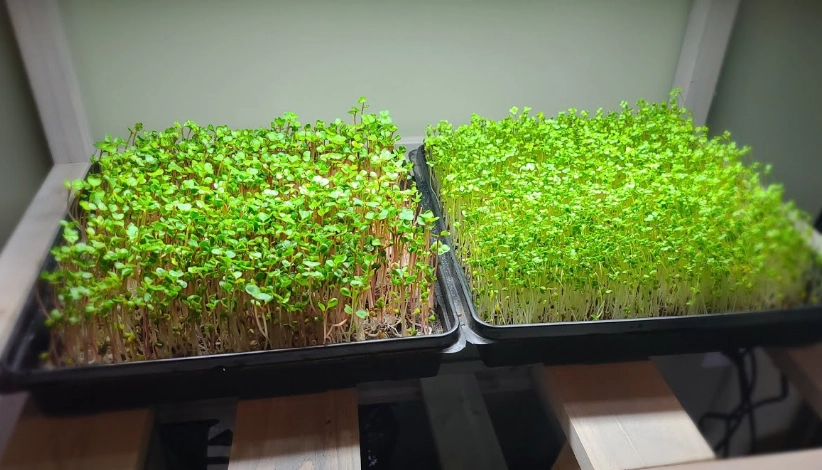
Step 6: Harvest Time
Your microgreens are ready when they've developed their first set of "true leaves" (these look different from the initial seed leaves, or cotyledons). This is usually between 7-14 days. Use a clean, sharp knife or scissors to cut them just above the soil line. Rinse gently if needed, but they're cleanest if you just harvest and eat.
Big Mistake Alert: Can you regrow microgreens after cutting? Almost always, no. Unlike "cut-and-come-again" lettuce, most microgreens are one-and-done harvests. The energy in the seed is spent. Some, like pea shoots, might give a second, weaker harvest, but it's usually not worth the wait. Plan to start a new tray every week or two for a continuous supply.
Troubleshooting: When Things Go Wrong (And They Will)
Even with the best guide on how to grow microgreens, you'll hit snags. Here's how to fix the most common issues.
Mold/Fuzzy Growth: The #1 problem. It looks like white or gray fuzzy patches on the soil or stems. Cause: Overwatering, poor air circulation, humid environment. Fix: Increase airflow with a small fan. Water less, and only from the bottom. Ensure your growing medium isn't staying soggy. Some seeds (like basil) are more prone to mold—pre-soaking them can help.
Leggy, Spindly Seedlings: Long, weak stems that flop over. Cause: Not enough light. They're stretching desperately to find it. Fix: Get your light source closer (2-4 inches away) or get a stronger light. A sunny window is rarely enough, especially in winter.
Slow or No Germination: Cause: Old seeds, seeds sown too deep, temperature too cold. Fix: Use fresh, quality seeds. Don't cover them with soil. Consider a heat mat to keep soil temps around 70°F (21°C) for germination.
Yellowing Leaves: Cause: Could be overwatering, but also lack of nutrients if you're using a soilless medium like mats for a long-growing variety. Fix: Check watering first. For longer grows (like sunflower), a very dilute liquid fertilizer in the bottom water halfway through can help.
Microgreens vs Sprouts: What's the Real Difference?
People confuse these all the time. Understanding the difference is key. It's not just semantics; it's about safety and taste.
Sprouts are germinated seeds eaten root, seed, and stem, all grown in water. They're ready in 3-5 days. The constant moisture in a jar makes them a higher risk for bacterial growth like E. coli or Salmonella if not rinsed meticulously. The flavor is mild, often described as "grassy" or "watery."
Microgreens, as we've covered, are grown in a medium, need light, and you harvest only the stem and leaves. The growing process (soil, light, air circulation) makes them far less prone to bacterial issues. The flavor is intense and varied—spicy, nutty, sweet, depending on the plant.
So, microgreens vs sprouts? For home growing, I find microgreens easier, safer, and infinitely more flavorful. The FDA's guidelines on produce safety generally align with this lower-risk profile for microgreens when grown hygienically.
Answering Your Burning Questions (FAQ)
I get asked these questions all the time. Let's clear them up.
Do I really need a grow light?
For consistent, high-quality results year-round, yes, I highly recommend it. A window might work in summer, but the stems will lean and be weaker. A simple $20-30 LED panel is a worthwhile investment and pays for itself in saved grocery trips.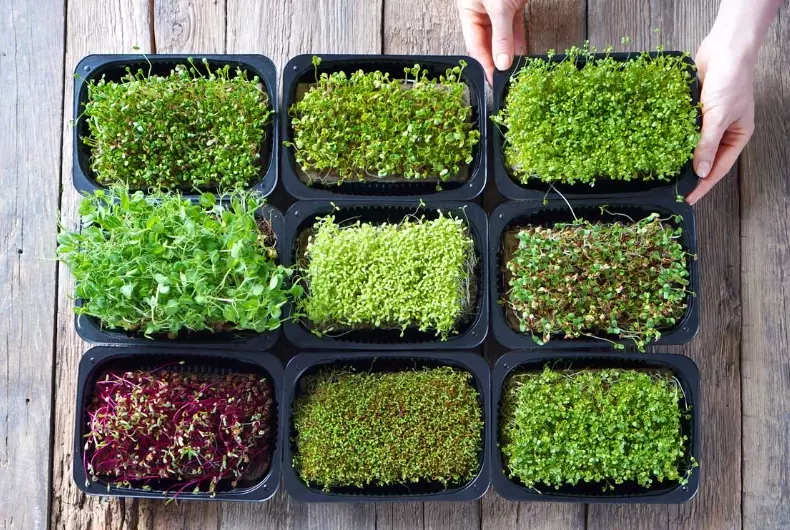
What are the easiest microgreens for a total beginner?
My top three recommendations are Radish (incredibly fast, spicy, foolproof), Pea Shoots (sweet, substantial, and kids love them), and Sunflower (crunchy, nutty, but you need to buy hulled seeds). Start with one of these to build confidence.
How do I store harvested microgreens?
Eat them fresh! That's the point. But if you must, place them dry in a container lined with a paper towel in the fridge. They'll last 5-7 days, but the flavor and nutrient decline daily. It's better to just cut what you need from the living tray.
Are microgreens actually more nutritious?
The science is promising. Research from institutions like the University of Maryland has shown that the nutrient density in the cotyledon leaves of some microgreens can be many times higher than in mature leaves. They're not a magic bullet, but they are a potent addition to your diet.
Can I use leftover seeds from my garden?
Please don't. Garden seeds are often treated with chemical fungicides not approved for food-safe sprouting. They may also have lower germination rates. Spend the few dollars on seeds labeled for microgreens or sprouting. Your health is worth it.
Making It a Habit & Scaling Up
Once you get the hang of how to grow microgreens, you can develop a simple rotation. Start a new tray every Sunday, harvest the previous week's tray. That way, you always have something ready.
Experiment with mixes—try a spicy mix (radish, mustard, arugula) or a mild mix (broccoli, kale, kohlrabi). You can even grow herbs like cilantro and basil as microgreens for a unique flavor twist.
The beauty of this hobby is its scalability. From a single tray on your windowsill to a multi-shelf setup in a spare room, you control the output. It's a practical, tangible skill that feeds you, literally and figuratively.
The ultimate goal isn't perfection. It's a continuous harvest of fresh, living food that connects you to the simple, satisfying cycle of growth. Start small, learn from the mistakes (you will make them), and enjoy the process. Your taste buds—and your body—will thank you.
So, what are you waiting for? Grab some seeds, a container, and a bag of potting mix. Your first lesson in how to grow microgreens starts now. Trust me, if I can go from moldy failures to a constant supply, you absolutely can too. Happy growing!