Quick Navigation
Let's be honest for a second. How many times have you planted beautiful, promising tomato seedlings, only to watch them turn into a tangled, sprawling mess by mid-summer? The stems flop over, fruits touch the damp soil and rot, and harvesting becomes a frustrating game of hide-and-seek. I've been there. I've lost more Brandywines to blight and breakage than I care to admit. That's why I want to talk about tomato wiring.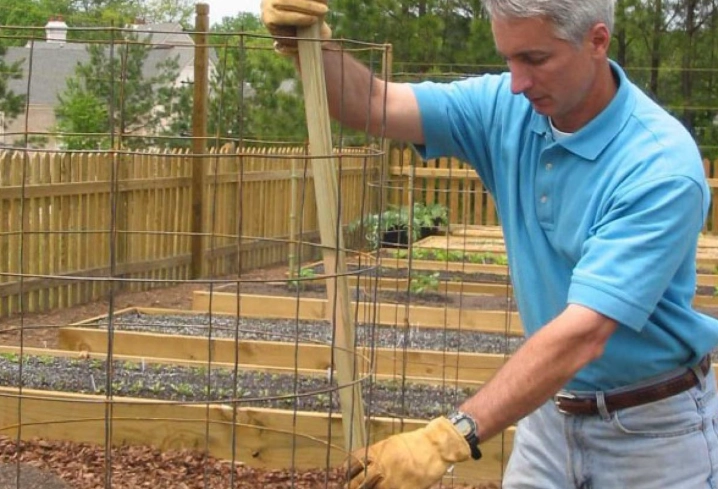
It sounds technical, maybe even a bit intimidating. But it's not. Tomato wiring is simply one of the most effective, low-cost, and frankly, clever ways to support your plants. It's the difference between a chaotic jungle and an orderly, productive tomato paradise. And the best part? Once you get the hang of it, it's almost mindlessly simple.
Why Bother with Tomato Wiring at All?
You might be thinking, "My cages have worked fine for years." Maybe they have. But have they worked optimally? The truth is, most store-bought tomato cages are too short and too weak for indeterminate varieties (the ones that keep growing all season). They collapse under the weight of a good harvest. Staking works better, but it's a constant battle, tying the main stem to one point and hoping side shoots don't get out of control.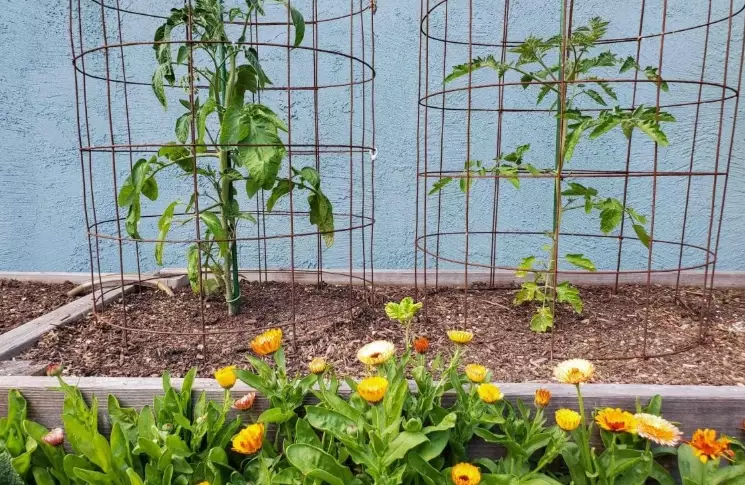
Tomato wiring solves these problems in a beautifully elegant way. Let's break down the real, tangible benefits—the ones you'll notice in your own backyard.
Airflow is Everything
Fungal diseases like blight and powdery mildew thrive in stagnant, humid air. When plants are dense and tangled, moisture sits on the leaves, creating a perfect breeding ground. A proper tomato wiring system spaces plants out and lifts them off the ground. Air can circulate freely around every leaf and stem, dramatically reducing the risk of disease. I noticed this the very first year I switched. My usual late-season blight issues were cut by at least half.
Sunlight Reaches Every Fruit
Tomatoes need sun to ripen and develop their full flavor. In a crowded patch, fruits hidden in the interior or shaded by foliage ripen slowly, unevenly, or not at all. With vertical growth guided by wires, the plant's structure is opened up. Sunlight penetrates deep into the plant, ensuring more tomatoes get that sweet, direct light. You get more ripe fruit, and you get it faster.
Harvesting Becomes a Joy, Not a Chore
No more crawling on your knees, reaching into a prickly, dense thicket. With tomatoes trained vertically, the fruit hangs clearly along the main stem. You can see every single one. You can easily spot when they're ready, and you can pick them without breaking branches or squashing neighboring fruits. This alone, for me, was worth the initial setup effort.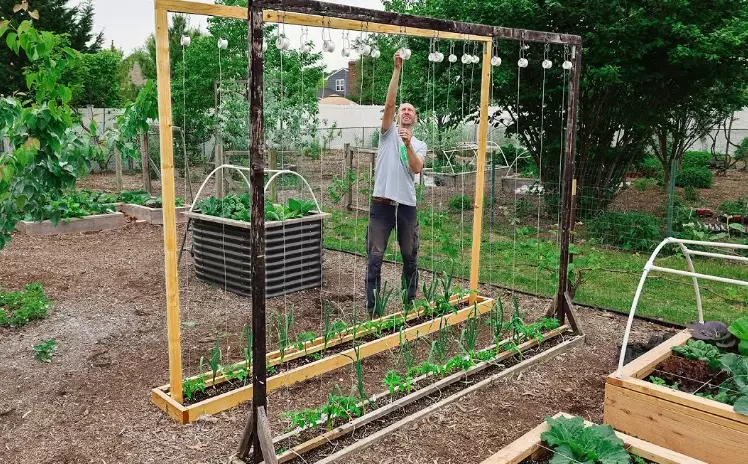
And let's not forget about space. If you have a small garden, growing up instead of out is a no-brainer. You can fit more plants in a smaller footprint, which is a huge win for urban gardeners or anyone with limited raised bed space.
Getting Started: The Tools and Materials You Actually Need
You don't need a engineering degree or fancy equipment. The beauty of tomato wiring is in its simplicity. Here’s a breakdown of what works, what doesn't, and how to choose based on your garden's scale.
The Non-Negotiables:
- End Posts: These bear all the tension. For a typical 8-10 foot row, you need two incredibly sturdy end posts. I'm a big fan of 4x4 pressure-treated lumber or metal T-posts driven at least 2 feet into the ground. Don't skimp here. A wobbly end post will ruin the whole system.
- Line Posts (Optional but Recommended): For rows longer than 10 feet, you'll want intermediate posts every 6-8 feet to prevent the wires from sagging. These can be lighter, like 2x2 lumber or extra T-posts.
- The Wire Itself: This is the heart of tomato wiring. You have options:
- High-Tensile Wire (12-14 gauge): My top choice. It's strong, doesn't stretch much, and lasts for years. You'll need a come-along or wire strainers to tension it properly.
- Galvanized Steel Wire: A good, affordable all-rounder. Easier to work with than high-tensile.
- Polyester Twine (like Tomahook or similar): A popular organic option. It's UV-resistant and very gentle on plant stems. The downside is it needs re-tightening during the season as it can stretch.
- Ties: You'll use these to attach the plant to the wire. Never use wire or anything that can cut into the stem! Use soft, flexible material:
- Tomato clips (my favorite for speed and reusability)
- Velcro plant ties
- Jute or sisal twine (tie in a loose figure-8)
- Old strips of t-shirt fabric
Here’s a quick comparison table to help you decide on your wire type based on your situation: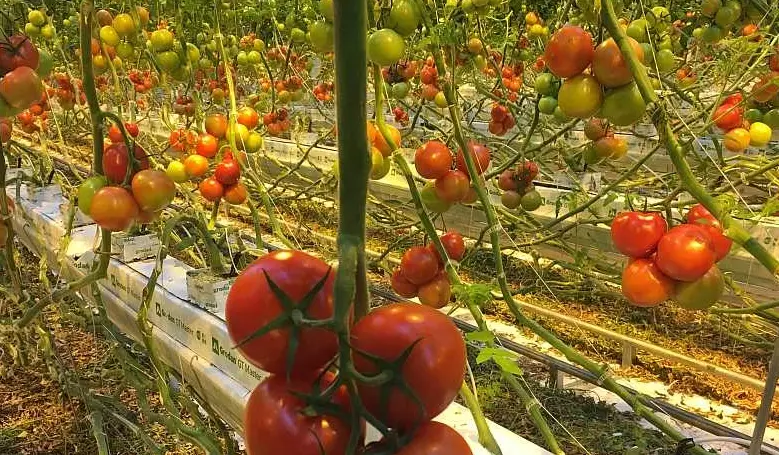
| Material | Best For | Pros | Cons | My Personal Take |
|---|---|---|---|---|
| High-Tensile Steel Wire (14ga) | Permanent garden beds, large-scale growers, windy areas. | Extremely strong, minimal stretch, lasts 10+ years. | Requires tensioning tools, can be overkill for small beds. | The "set it and forget it" option. A bit of work upfront, but zero maintenance. |
| Galvanized Steel Wire | Most home gardeners, medium-term setups (3-5 years). | Strong, readily available, easy to cut and work with. | Can eventually rust, may stretch slightly over time. | The reliable workhorse. You can't really go wrong with this. |
| UV-Resistant Poly Twine | Organic gardens, temporary/annual beds, budget setups. | Gentle on plants, biodegradable, very inexpensive. | Definitely stretches, needs mid-season re-tightening, lasts 1-2 seasons. | Great for trying the method out cheaply. The maintenance is a real downside for me. |
The Step-by-Step: Building Your Tomato Wiring System
Alright, let's get our hands dirty. I'll walk you through the process I use in my own garden. It's not the only way, but it's a way that works consistently.
Step 1: Planning and Post Installation
First, decide where your row is going. Run it north-to-south if possible, so plants get sun on both sides. Mark the positions of your two end posts. They should be just outside where your first and last plants will be.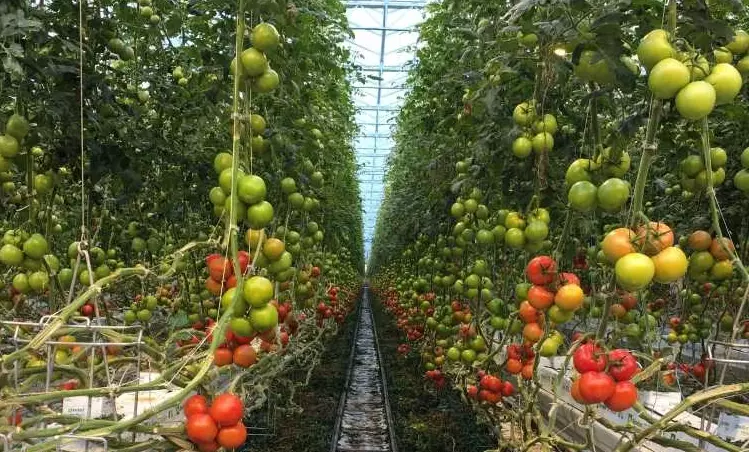
Now, dig your holes or drive your T-posts. For wooden posts, a post hole digger is your friend. Get them at least 2 feet deep. I can't stress this enough—anchor them well. You can set them in concrete for a permanent bed, or for a simpler approach, just backfill with tightly packed soil and rubble. Tamp it down hard. Give the post a good shove. If it moves, it's not deep enough.
If you're using line posts for a long row, put them in now too.
Step 2: Attaching the Wires
This is where your tomato wiring structure takes shape. You'll typically run 2-3 horizontal wires.
- Bottom Wire: 12-18 inches above the soil. This supports the plant when it's young.
- Middle Wire: About 3-4 feet high.
- Top Wire: At 5-6 feet, or just below the top of your posts.
Start with the top wire. Attach one end to your first end post using a heavy-duty staple (for wood) or wire clips (for T-posts). Don't cut the wire yet. Run it to the other end post, pull it hand-tight, and attach it there. Now, here's the key: you need to tension it. For high-tensile wire, use a come-along or gripples to pull it taut until it has just a slight give—like a guitar string that's been slightly loosened. For galvanized wire, you can often pull it very tight by hand and secure it. For twine, you'll just tie it off. Repeat for the middle and bottom wires.
Step 3: Planting and the Initial Tie
Now, plant your tomatoes as you normally would, spacing them along the row right under your wires. A good spacing for indeterminate varieties in a tomato wiring system is about 18-24 inches apart. They have room to grow vertically, so they don't need as much horizontal space.
Once your seedlings are about a foot tall and starting to lean, it's time for the first tie. Take your soft tie (I'm using a tomato clip in this example) and attach the main stem to the bottom wire. Don't strangle it! Leave room for the stem to thicken. This first attachment is just to guide it toward the vertical support.
Step 4: The Ongoing Process: Training and Pruning
Tomato wiring isn't a "set it and forget it" installation. It's a season-long partnership with your plant. Here's the weekly routine:
- Check Growth: Every 7-10 days, walk your row. New growth will have shot up.
- Prune Suckers: This is the most debated part. For a single-leader system (easiest with wiring), remove the suckers—the little shoots that grow in the "V" between the main stem and a branch. I just pinch them off with my fingers when they're small. This forces all energy upward.
- Add New Ties: As the main stem grows past the next wire, add another tie. Always tie just below a flower cluster or a sturdy leaf branch, not in a bare section of stem. Keep adding ties every 12-18 inches of growth.
- Top the Plant: When the plant reaches the top wire (or about 6-7 feet tall), pinch off the very top growing tip. This tells the plant to stop growing taller and focus on ripening the fruit it has.
That's the basic rhythm. It sounds like a lot, but once you're in the groove, it takes just a few minutes per plant each week. It's actually quite therapeutic.
Common Tomato Wiring Methods Compared
Not all tomato wiring is the same. Depending on your goals and plant variety, you might choose a different training method. The wire framework supports them all.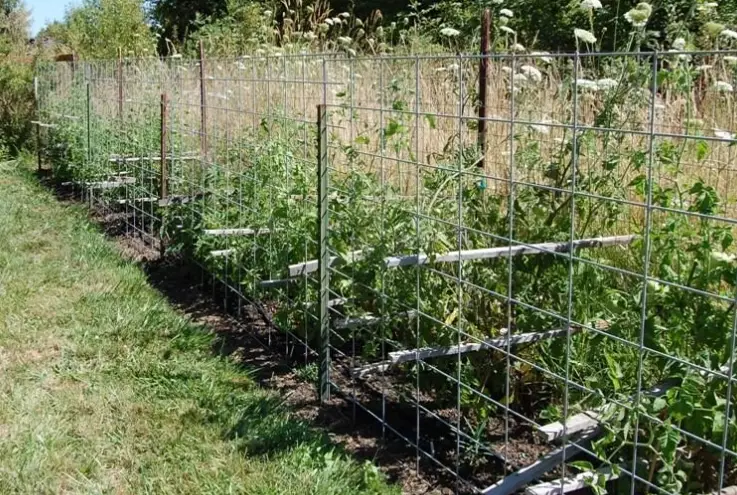
| Method | How It Works with Wires | Best For | Yield Expectation |
|---|---|---|---|
| Single Leader (Vertical) | One main stem is tied straight up the wires. All suckers are removed. | Small spaces, maximizing plant count, beginners. Works with any indeterminate tomato. | Fewer, but larger and earlier fruits. Very clean and manageable. |
| Double Leader | The main stem and the first strong sucker below the first flower cluster are both trained up. Two "main" stems per plant. | Gardeners wanting a balance of yield and management. Good for vigorous varieties like 'Sungold'. | Higher yield than single leader, but takes more horizontal space and pruning care. |
| Lower & Lean (or Drop Method) | The plant is trained up until it reaches the top wire. Then, the lower tie is released, and the entire plant is "dropped" a foot or two, leaning along the wire. The growing tip is re-tied upward again. | Commercial growers and home gardeners with high wires. Maximizes yield in a fixed height. | Very high yield. This is an advanced technique but incredibly efficient. |
I mostly use the single leader method. It's simple, and in my humid climate, the improved airflow from having fewer leaves is a huge disease fighter. The lower & lean method is fascinating, but it feels a bit too much like tomato factory work for my relaxing backyard garden.
Answering Your Tomato Wiring Questions
Over the years, I've gotten a ton of questions from other gardeners about this system. Here are the ones that come up again and again.
You can, but it's often overkill. Determinate tomatoes have a predetermined, bushy size and stop growing on their own. A simple cage is usually sufficient. However, if you have a very heavy-fruiting determinate variety or want to keep every fruit off the ground, a low tomato wiring setup with just one or two wires can provide excellent support and make harvesting easier.
Do it before you plant. Trying to install posts and run wires around delicate seedlings is a recipe for disaster. I install my permanent tomato wiring frames in early spring, as soon as the ground is workable. That way, when it's time to transplant, everything is ready to go.
This is the most common issue, especially with twine or lighter wire. For a quick fix, you can drive a temporary stake into the ground at the sag point and use string to pull the wire back up to it. For a permanent fix next season, add a line post under the sagging section or switch to a higher-tensile wire. The weight of a full tomato crop is significant—plan for it.
The Florida Weave is a fantastic technique, especially for large plots. It uses twine woven between plants and stakes. Tomato wiring is more of a permanent overhead framework. The Weave is faster to set up seasonally and cheaper. Tomato wiring is more durable, provides more defined vertical support for each plant, and is better for training specific leaders. For a small backyard bed I prefer the neatness and permanence of tomato wiring. For a 50-plant field, the Florida Weave wins on practicality.
A Few Parting Thoughts (And Some Honest Drawbacks)
I'm a huge advocate for tomato wiring, but I want to be fair. It's not perfect for every single situation.
The initial investment of time and money is real. Buying sturdy posts, good wire, and clips costs more upfront than a pack of cheap cages. Installing it is a half-day project. You have to weigh that against years of trouble-free use. For me, it paid off in the second season.
It requires commitment to pruning. If you don't keep up with removing suckers, your carefully strung wires will soon be engulfed by a multi-stemmed monster. This system rewards attentive gardeners. If you only visit your garden once a month, a heavy-duty cage might be a less stressful choice.
The sight of a tidy row of tomatoes, loaded with clean, easy-to-pick fruit, is just so satisfying. It feels professional. It solves so many of the classic tomato-growing headaches before they even start. The principles of good tomato wiring—vertical growth, air circulation, organized support—are just sound horticulture. Resources from university agricultural extensions, like the University of California's Division of Agriculture and Natural Resources, consistently recommend similar vertical training methods for disease management and yield optimization in tomatoes.
If you've been struggling with messy, diseased, or low-yielding tomato plants, give tomato wiring a serious look. Start small with a single row. Use the materials you have on hand. See how it changes the game for you. I think you'll be surprised.
It transformed my tomato harvest from a source of frustration into one of my proudest garden achievements. And really, isn't that what we're all after?
