I remember staring at my first pile of kitchen scraps and garden clippings, feeling a mix of excitement and complete confusion. I'd read all the theory, but standing there with a fork in my hand, I realized nobody really tells you about the soggy middle, the occasional smell, or the sheer patience it requires. That was years ago. Since then, I've turned more waste into black gold than I can measure, and I've learned that a successful DIY compost heap isn't about perfection—it's about understanding a simple, natural process and giving it a little help.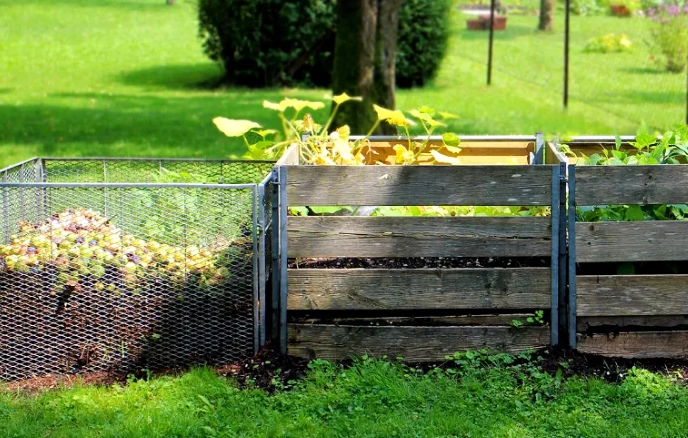
Maybe you're tired of sending bags of leaves and grass to the landfill. Maybe your garden soil looks sad and depleted. Or maybe you just want to do one tangible thing for the planet from your own backyard. Whatever your reason, building your own compost heap is one of the most satisfying projects you can tackle. It closes the loop right at home. You take what you'd normally throw away and transform it into the very thing your plants crave. It's alchemy, honestly.
And the best part? You don't need fancy bins or expensive tools. A DIY compost heap can be as simple as a designated corner of your yard where you pile stuff up. This guide is going to walk you through every single step, from picking the spot to harvesting that first glorious batch of finished compost. We'll cover the mistakes I made (so you don't have to), the simple science behind it, and answer all those nitty-gritty questions that pop up along the way.
Why Bother with a DIY Compost Pile Anyway?
Let's get the motivation sorted first. It's more than just making dirt.
For Your Garden: Homemade compost is a superstar soil amendment. It doesn't just feed plants with a slow release of nutrients; it improves soil structure. Sandy soil becomes better at holding water. Clay soil becomes looser and less clumpy. It's like a probiotic for your garden bed, teeming with beneficial microbes that help plants fight off disease and absorb nutrients. You're not just feeding the plant; you're building a healthy ecosystem in the soil.
For Your Wallet: Stop buying bagged compost, soil conditioners, and synthetic fertilizers. A well-run DIY compost heap provides an endless, free supply of the best stuff you can give your plants. It also reduces your garbage bill if you pay by the bag or have municipal organics collection fees.
For the Planet: This is the big one. Organic waste in landfills decomposes without oxygen, creating methane—a potent greenhouse gas. The U.S. Environmental Protection Agency (EPA) states that food scraps and yard waste make up more than 30% of what we throw away. By composting, you're directly diverting that waste, reducing landfill burden, and cutting greenhouse gas emissions. It's a direct, personal action against climate change. You can read more about the environmental impact of organics in landfills on the EPA's composting page.
Getting Started: Location, Location, Location
Before you gather a single leaf, you need to pick your spot. This choice can make the difference between a thriving pile and a neglected, soggy mess.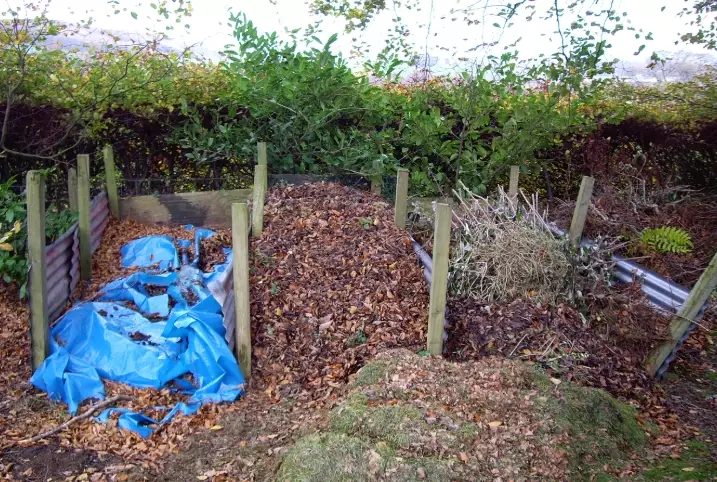
Sun or Shade? Partial sun is ideal. Full sun can dry the pile out too quickly, especially in summer, meaning you'll be out there with the hose all the time. Full shade can keep it too cold and wet, slowing decomposition to a crawl. A spot that gets a few hours of sun is perfect.
Accessibility is Key. This is a big one. Place your DIY compost heap somewhere you can easily get to it year-round, in the rain or snow. If it's a long trek from your kitchen door, you'll find excuses not to take the scraps out. Also, think about access for a wheelbarrow. You'll need to bring materials in and, eventually, take finished compost out.
On Bare Soil. Always build your pile directly on the ground. This allows worms, insects, and all those wonderful decomposing microbes to migrate up into your pile from the soil below. It also provides drainage for excess moisture. If you must put it on a patio, you'll need to be extra careful with moisture levels and maybe even add some garden soil to inoculate it with microbes.
Water Source Nearby. Your pile needs to be as damp as a wrung-out sponge. Having a hose or water barrel within reach makes maintenance a breeze.
A Note on Neighbors. Be considerate. Don't place your pile right against a shared fence line, especially if it's downwind from their patio. While a healthy pile shouldn't stink, it's just good practice.
The Heart of the Matter: Greens and Browns
All successful composting boils down to balancing two types of materials: Greens and Browns. Forget this, and your compost heap DIY project will struggle.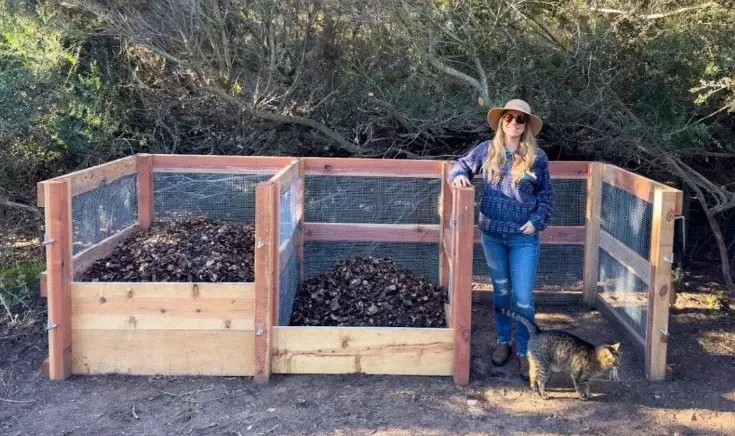
Greens (The Nitrogen Providers)
These are your moist, often fresh materials. They heat up the pile and provide the protein for microbes to feast on.
- Fruit and vegetable scraps (cores, peels, spoiled bits)
- Coffee grounds and paper filters
- Used tea bags (check if they contain plastic first)
- Fresh grass clippings (in thin layers, or they mat down)
- Garden weeds before they go to seed
- Plant trimmings
Browns (The Carbon Providers)
These are dry, carbon-rich materials. They provide energy for microbes, create air pockets, and soak up excess moisture.
- Dry, fallen leaves (the gold standard!)
- Straw or hay
- Wood chips or sawdust (from untreated wood only)
- Shredded cardboard (non-glossy, remove tape)
- Shredded newspaper (black-and-white ink only)
- Egg cartons (torn up)
- Dry plant stems
Avoid These in Your Home Compost Pile: Meat, bones, fish, dairy, oily foods, cooked foods with sauces (they attract pests and can smell). Diseased plants, weeds with mature seeds, pet waste (cat/dog), and anything treated with herbicides or pesticides. When in doubt, leave it out.
The magic ratio everyone talks about is roughly 2 parts browns to 1 part greens by volume. Don't get a scale out. Just think: for every bucket of kitchen scraps (greens), add two buckets of dry leaves or shredded paper (browns). Too many greens and your pile gets slimy and smelly. Too many browns and it just sits there, cold and inactive.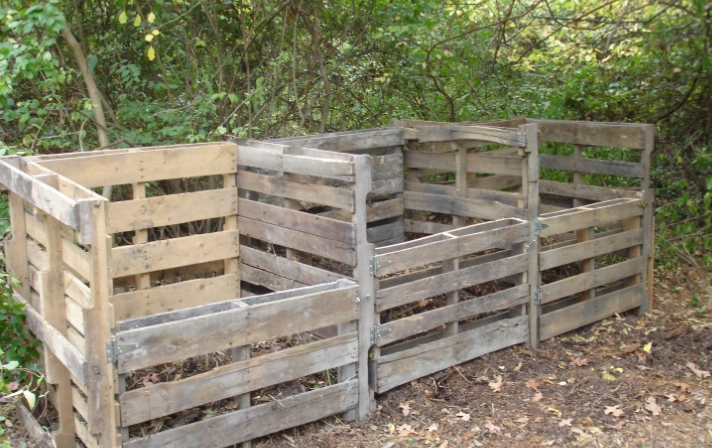
Choosing Your DIY Compost Heap Style
You've got options, from utterly simple to slightly more structured. Here’s a quick comparison to help you decide.
| Style | What It Is | Best For | My Take |
|---|---|---|---|
| The Simple Pile | Just a heap on the ground. No walls. | Large yards, lots of leaves/branches, minimal cost. | My personal favorite for its simplicity. It can look messy, but it works with nature's flow. |
| The Pallet Bin | Three or four wooden pallets screwed or tied together. | Containing the pile neatly, DIYers who want structure. | Great cost-effective structure. Allows good air flow. You can often find free pallets. |
| The Wire Cylinder | Hardware cloth or chicken wire formed into a circle. | Small spaces, easy setup and takedown. | Super easy. Great air circulation. Can dry out faster, so keep an eye on moisture. |
| The Wooden Slat Bin | A more permanent wooden structure with slats for air. | Gardeners wanting a tidy, long-term solution. | Looks nice, lasts years. Building it is a satisfying weekend project. |
I started with a wire cylinder. It was cheap and let me see what was happening inside. After a year, I built a three-bay wooden system so I could have piles at different stages. But you know what? I still maintain a simple, untamed pile at the back of my property for dumping rough yard waste. It all works.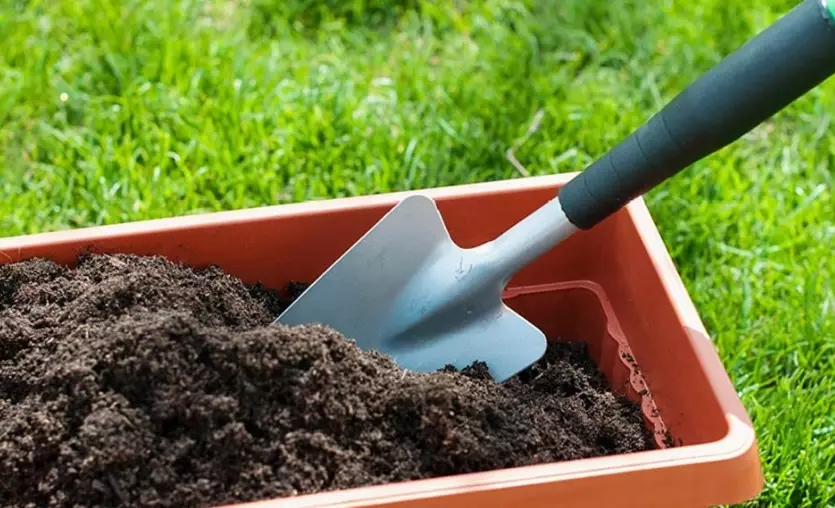
The Step-by-Step Build: From Nothing to a Living Pile
Let's assume you're going for a simple contained pile, like a pallet bin or wire cylinder. Here's the play-by-play.
Step 1: Prepare the Base
Clear any grass or weeds from your chosen spot. Loosen the soil with a fork to help with drainage and microbe migration. If you're building a bin, assemble it over this spot now.
Step 2: The Foundation Layer
Start with a 4-6 inch layer of coarse browns. Think small twigs, corn stalks, or even a little straw. This isn't for composting right away; it's to create a "floor" that lifts your active pile off the ground and ensures air can get in from the bottom. This is a classic trick that many first-timers miss.
Step 3: The First Real Layers
Now, start your lasagna. Add a 4-6 inch layer of mixed browns (shredded leaves, paper). Follow it with a 2-3 inch layer of greens (kitchen scraps, fresh grass). Sprinkle a handful of garden soil or finished compost on top of the greens. This soil inoculates the pile with the very microbes you want. Lightly water this layer so it's moist, not soaked.
Step 4: Repeat and Build
Keep layering: browns, greens, a sprinkle of soil, a bit of water. Keep building until your pile is at least 3 feet high and wide. This critical mass is needed for it to heat up properly. A tiny pile won't compost effectively; it'll just slowly rot.
Pro Tip: Keep a bag or bin of dry leaves or shredded cardboard right next to your compost heap. Every time you add a kitchen pail of greens, cover it immediately with a layer of those browns. This prevents flies, absorbs odors, and maintains your carbon balance automatically.
And that's it. Your DIY compost heap is built. Now you have to tend to it.
Maintenance: The Little Things That Make a Big Difference
You can't just build it and forget it. But the work is minimal if you're consistent.
Turning: This is the big one. Every 1-2 weeks, use a garden fork to literally turn the pile over, moving the outside material to the inside. This introduces oxygen, which the aerobic bacteria need to work fast and hot. It also redistributes moisture and blends materials. A turned pile will heat up again within a day. If you don't turn it, decomposition still happens, but it's much slower and cooler.
Moisture: The wrung-out sponge test. Grab a handful from the center. Squeeze it. If a drop or two of water comes out, it's perfect. If it's dripping wet, it's too soggy—add more browns and turn it to aerate. If it's dry and crumbly, it's too dry—water it as you turn it. Simple.
Airflow: Turning provides this. If your pile is slimy and smells like ammonia or rotten eggs, it's lacking air and has too many greens. Turn it aggressively and mix in a lot of dry browns.
Troubleshooting Your DIY Compost Heap
Things will go a little off-track. It's normal. Here's your quick fix guide.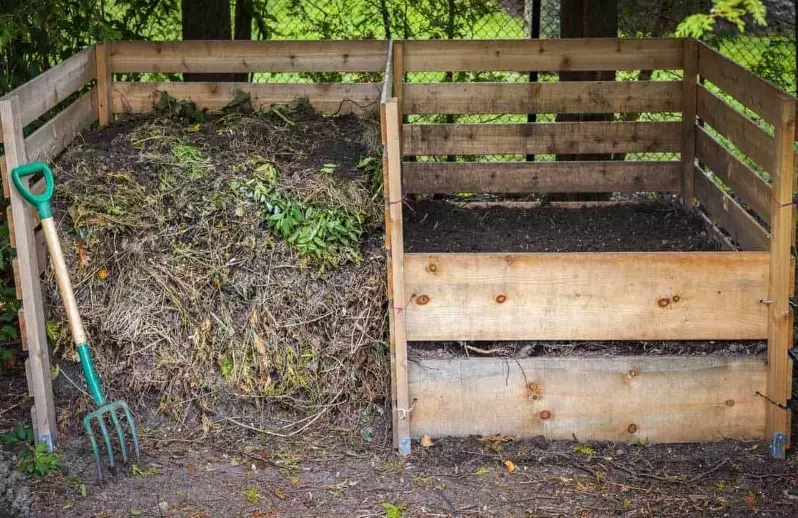
| Problem | Likely Cause | The Fix |
|---|---|---|
| Pile is cold, not heating up | Too small, too dry, not enough greens, or needs turning. | Make pile bigger. Check moisture. Add a batch of fresh greens (like grass clippings) and turn. |
| Smells like rotten eggs | Too wet, not enough air, too many greens. | Turn immediately to add air. Mix in a huge amount of dry browns (shredded cardboard is great). |
| Smells like ammonia | Far too many greens (excess nitrogen). | Mix in copious amounts of brown carbon material. |
| Pile is damp & sweet but not breaking down | Lack of nitrogen. | Add a layer of fresh greens and turn to mix. |
| Attracting flies/rodents | Food scraps exposed on the surface. | Always bury kitchen scraps under a 6-inch layer of browns. Avoid meat/dairy. |
When is it Done? Harvesting Your Black Gold
How long does it take? In perfect, hot conditions with frequent turning, you can have compost in 2-3 months. In my more relaxed style, it takes 6-12 months. You'll know it's ready when the original materials are unrecognizable. It looks, feels, and smells like dark, crumbly topsoil. It has an earthy, pleasant smell—not sour or rotten.
To harvest, you can just dig out the finished compost from the bottom of the pile. If you have a multi-bin system, stop adding to one pile and let it "finish" while you start a new one in the next bin. You can also sift it through a simple screen (½ inch hardware cloth works) to get a finer product for potting mixes and remove any stubborn twigs.
Your DIY Compost Heap Questions, Answered
Can I compost in an apartment or with no yard?
Do I need to buy special compost starters or accelerators?
What about in the winter? Does the process stop?
Are citrus peels and onion skins okay?
How do I keep rats out?
Final Thoughts: Just Start
The biggest barrier to starting a DIY compost heap is overthinking it. You're not building a nuclear reactor. You're creating a managed decomposition zone. It will be forgiving.
Grab a corner of your yard, some fallen leaves, and your next batch of veggie scraps. Layer them up. Get your hands dirty turning it once in a while. Observe it. Learn from it. It might be slow at first. It might get a little smelly one week. That's all part of the process. The goal isn't Instagram-perfect compost in 60 days. The goal is to consistently turn your waste into a resource.
The deeper you get into this DIY compost heap journey, the more you'll see your kitchen and garden waste not as trash, but as ingredients. An apple core isn't garbage; it's future soil nutrition. A bag of leaves is carbon gold. You start to see your household as part of a natural cycle, and that's a pretty profound shift. So go on, pick your spot, and get piling.
