Quick Navigation
You got your grow bags. You're excited. You grab a shovel, head to the garden, fill 'em up with that beautiful black earth, plant your tomatoes, and... wait. Why are they looking so sad? Why is water pooling on top? If you've been there, you're not alone. I've killed more plants than I care to admit by making that exact mistake. The truth is, the stuff you grow in the ground and the stuff you grow in a bag are two completely different beasts. Getting the soil for grow bags right isn't just a suggestion; it's the single most important factor for your success or failure.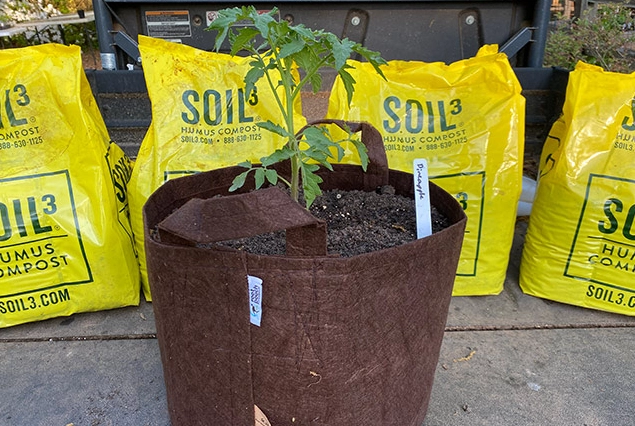
Bottom Line Up Front: Never, ever use plain garden soil in a grow bag. It's a shortcut to disappointment. The perfect grow bag mix is light, fluffy, drains incredibly well, and is packed with life. Let's break down why and how to get it.
Think of a grow bag like a mini, breathable ecosystem. Those fabric walls are genius—they air-prune roots, preventing them from circling and getting root-bound. But this superpower comes with a demand: the soil inside has to work in partnership with that breathability. Heavy, dense soil turns into a soggy, airless brick. It defeats the whole purpose.
Why Your Garden Soil Fails Miserably in Grow Bags
This is the biggest misconception, so let's squash it. Garden soil is designed for, well, the garden. In the vast expanse of the earth, water can drain down, worms tunnel through, and the soil structure is supported by layers and layers underneath. Shovel that same soil into a confined space, and everything changes.
First, compaction. Garden soil is heavy. When you water it in a container, the particles settle tightly together. You're left with a dense block with almost no air pockets. Roots need oxygen as much as they need water. No air, no happy roots.
Second, drainage goes out the window. That dense block holds water like a sponge, creating a perpetually wet environment at the bottom of the bag. Hello, root rot. Goodbye, plant.
Finally, it just gets hard. Like, concrete hard. I've had bags where the soil shrank and pulled away from the sides, forming an impenetrable mass. Water would just run down the gap between the soil and the bag and out the bottom, never actually moistening the root zone. It was a mess.
Personal Gripe: I learned this the hard way with a batch of bell peppers. They stayed stunted, turned yellow, and just gave up. The problem wasn't the peppers, the bag, or my watering can. It was the dirt. Once I switched the mix, it was like night and day.
The Magic Formula: What Makes Great Grow Bag Soil?
So if it's not dirt, what is it? The ideal soil for fabric grow bags is technically a “soilless potting mix” or a heavily amended blend. Its job is to provide structure, moisture retention, drainage, and nutrients—all while staying light and fluffy. Here are the non-negotiable characteristics:
- Drainage is King: Water must flow through freely, not pool. This prevents soggy conditions and allows air back into the root zone after watering.
- Lightweight: A full grow bag is heavy enough. Starting with a light mix makes it manageable to move (if needed) and is easier on the roots.
- Moisture Retention: This seems to contradict drainage, but it's a balance. The mix needs to hold *enough* water for the roots to access it, but not so much that it's waterlogged.
- Nutrient Rich & Alive: Unlike infinite garden soil, container soil is a closed system. Nutrients get used up fast. Your mix needs to start rich and be replenished.
- Proper pH: Most veggies love a slightly acidic to neutral pH (6.0-7.0). A good mix starts in this range.
Buying Bagged Mix vs. Making Your Own: The Eternal Debate
You have two paths: grab a bag off the shelf or play mad scientist in your driveway. Both have merits.
The Store-Bought Route: Convenience wins. Look for high-quality “Premium Potting Mix” or “Container Mix.” Avoid cheap “topsoil” or “garden soil” bags. Read the label. Good mixes will list ingredients like peat moss or coir, perlite, vermiculite, compost, and sometimes a slow-release fertilizer. A product labeled specifically for containers or raised beds is often a safe bet. My take? Some are fantastic and worth the money, especially for a few bags. But for larger-scale gardening, cost adds up fast, and you have less control over the exact recipe.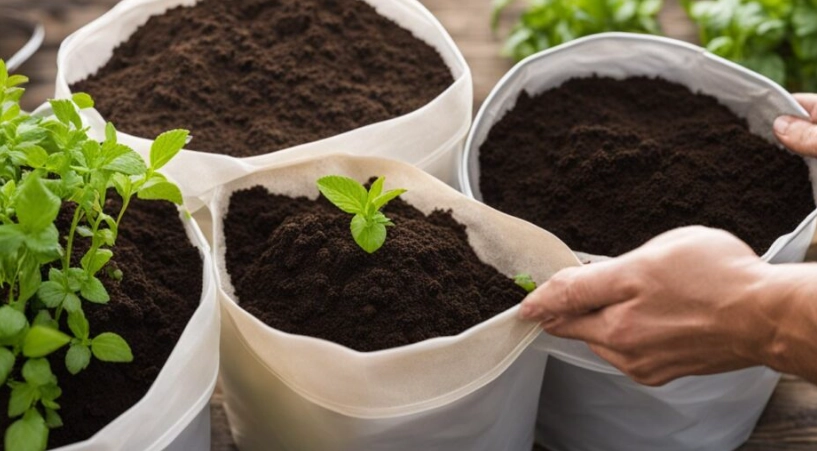
The DIY Route: This is where you gain total control and can save a ton of money. It's also deeply satisfying. You can tailor your soil mix for grow bags to your specific climate (drier? add more coir. rainier? more perlite) and crops. The initial setup requires buying components in bulk, but it pays off quickly.
Building Your Own Ultimate Grow Bag Soil Recipe
After years of tweaking, here's my go-to, all-purpose recipe. It's simple, effective, and uses easy-to-find components. I mix this in a large wheelbarrow or on a tarp.
The Balanced All-Purpose Mix
- 1 part Coconut Coir (or Peat Moss): This is your moisture-retentive base. I prefer coir because it's more sustainable, hydrates easier, and has a neutral pH (peat is very acidic). It holds water like a champ but still has structure.
- 1 part High-Quality Compost: This is the life and nutrient hub. It introduces beneficial microbes and slow-release nutrients. Use well-finished compost from your pile or a trusted source. Don't skimp here—this is the magic dust. The U.S. EPA's guide to composting is a great resource if you're starting your own pile.
- 1 part Aeration Material: This is critical. I use a 50/50 blend of:
- Perlite: Those little white puffballs. They don't hold water but create essential air pockets.
- Coarse Horticultural Sand or Pumice: Adds weight and improves drainage. Don't use fine play sand—it makes things worse!
To each large wheelbarrow load (roughly 3-4 parts total), add:
- A handful of organic, slow-release fertilizer (like a balanced 4-4-4 or 5-5-5 blend).
- A generous handful of worm castings (if you have them).
- 1-2 cups of a balanced, natural fertilizer as recommended by university extensions for a nutrient kickstart.
Mix everything thoroughly until it's uniform. It should look dark, crumbly, and feel light in your hand. When you squeeze a handful, it should hold together loosely but break apart easily when poked. That's the sweet spot.
Soil Component Cheat Sheet: What Does What?
It helps to know your ingredients. Here’s a quick breakdown:
| Component | Primary Job | Pros | Cons / Watch Out For |
|---|---|---|---|
| Coconut Coir | Moisture Retention, Base | Sustainable, rehydrates easily, good structure. | Can be salty; look for washed/buffered coir. |
| Peat Moss | Moisture Retention, Base | Excellent water holding, acidic. | Not sustainable, hard to re-wet if dry, very acidic. |
| Compost | Nutrients & Biology | Feeds plants & soil life, improves structure. | Quality varies wildly. Must be well-finished. |
| Perlite | Aeration & Drainage | Lightweight, creates air space, sterile. | Can float to top over time, dusty (wear a mask). |
| Vermiculite | Moisture & Nutrient Retention | Holds water and nutrients, light. | Can hold *too much* water, compacts more than perlite. |
| Coarse Sand/Pumice | Drainage & Weight | Improves drainage permanently, adds stability. | Heavy. Must be coarse (not fine). |
How to Actually Fill Your Grow Bags (The Right Way)
This isn't just dumping and going. A good setup prevents settling and sets the stage for healthy roots.
- Place Your Bag: Put it in its final sunny spot. Once full, it'll be very hard to move.
- Fluff the Mix: Ensure your soil blend is loose and not clumpy.
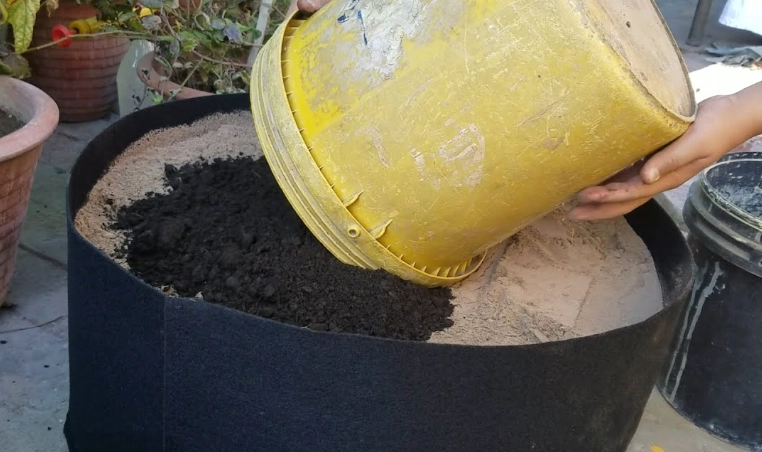
- Fill Gradually: Add soil in stages, tapping the bag on the sides to settle it gently. Don't pack it down! You want it loose.
- Leave Room: Stop filling 1-2 inches below the rim. This is your “watering well” so water soaks in instead of running over the sides.
- Pre-Moisten: Water the soil thoroughly until it runs freely out the bottom. This settles the soil further and ensures it's evenly moist before planting. Let it drain for an hour.
- Then Plant: Now make your holes and plant your seedlings or seeds.
Keeping Your Grow Bag Soil Happy Year After Year
Here's the thing—container soil gets tired. Nutrients are mined, organic matter breaks down, and it compacts. You can't just reuse it forever without refreshment. Here’s my maintenance cycle:
- Top-Dressing is Your Best Friend: Mid-season, when plants are heavy feeders (like tomatoes fruiting), scratch in a handful of compost or granular organic fertilizer around the stem. It's a quick nutrient boost.
- End-of-Season Recharge: At the end of the year, I pull out the old plant roots. I dump the soil from each bag onto a large tarp. I break up any clumps, pick out debris, and then for every 3 parts of old soil, I mix in 1 part fresh compost and maybe a half-part of fresh coir and perlite to fluff it back up. A sprinkle of organic fertilizer brings back the nutrients. It’s like giving it a spa treatment. Then it's ready to be bagged up and stored dry for winter or used for a fall crop.
- Crop Rotation, Even in Bags: If you can, don't plant the same family (e.g., tomatoes, peppers, eggplant) in the same bag two years in a row. This helps prevent disease and nutrient depletion.
Answers to the Questions You're Probably Asking
Can I reuse last year's soil for grow bags?
Yes, absolutely! But you must recharge it. Don't just replant into spent, compacted soil. Follow the “End-of-Season Recharge” steps above. It's cheaper and more sustainable than buying all new mix.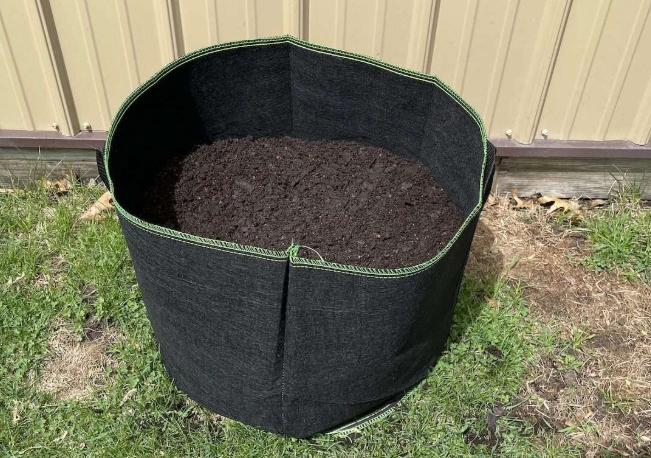
How often should I water grow bags?
This is the #1 question. There's no set schedule. It depends on heat, wind, plant size, and bag size. Small bags dry out insanely fast—sometimes twice a day in summer. The best method? Stick your finger 2 inches into the soil. If it feels dry, water deeply until it runs out the bottom. If it's damp, wait. Fabric bags dry out faster than plastic pots, so check them daily in hot weather.
Do I need to add worms to my grow bags?
It's not necessary, but it's a fantastic idea if they find their way in. Worms help aerate the soil and create nutrient-rich castings. I often find worms from my compost happily living in my bags by mid-season. Don't buy worms and dump them in; if the environment is good (moist, with organic matter), they'll often appear.
What's the best soil for tomatoes in grow bags?
Tomatoes are heavy feeders and love deep roots. Use your deepest bags (15+ gallons). Start with the all-purpose mix above, but when planting, add an extra handful of compost and a tablespoon of a calcium source (like bone meal or crushed eggshells) to the planting hole to help prevent blossom end rot. They'll need consistent feeding throughout the season.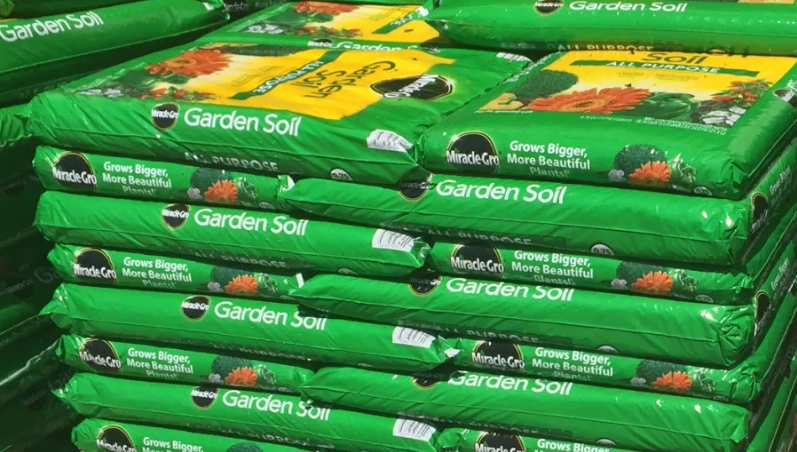
Why is water running straight through my grow bag soil?
This usually means the soil has become hydrophobic—the organic matter (especially peat or dry coir) has repelled water. It happens when the soil dries out completely. The fix is to water slowly. Place the hose on a very gentle trickle and let it soak the top for 10-15 minutes. It may take time to rehydrate the core. Adding a mulch layer on top (straw, wood chips) is the best prevention—it keeps the surface from baking dry.
Look, getting the right soil in your grow bags is 90% of the battle. It seems like a hassle at first, mixing your own or seeking out good bagged stuff. But once you see the difference—the explosive growth, the deep green leaves, the abundant harvests—you'll never go back to just shoveling in garden dirt. It transforms the whole experience. Your plants will literally breathe easier, and so will you.
Start with a simple mix. Pay attention to how it feels and how your plants respond. Tweak it next season. That's the joy of it—it's not a one-time formula, but an ongoing conversation with your garden. Now go get your hands dirty with the *right* kind of dirt.