Quick Guide
- The Core Needs of a Fig Tree: What You Can't Compromise On
- Mapping It Out: Where Can You Grow Fig Trees Successfully?
- Growing Figs in Cold Climates: The Nuts and Bolts
- Step-by-Step: Assessing Your Own Garden for Fig Trees
- Common Questions About Where You Can Grow Fig Trees
- Beyond Location: Other Factors That Affect Where You Can Grow Fig Trees
- Case Studies: Real Examples of Where People Grow Fig Trees
- Final Thoughts: It's About Adaptation, Not Just Location
Okay, let's be honest. You're probably here because you've tasted a fresh fig, maybe from a farmer's market or a friend's garden, and you're hooked. That sweet, jammy flavor is addictive. And now you're dreaming of your own tree. But then the doubt creeps in. Where can you grow fig trees, really? Is it only for people in sunny California or Italy?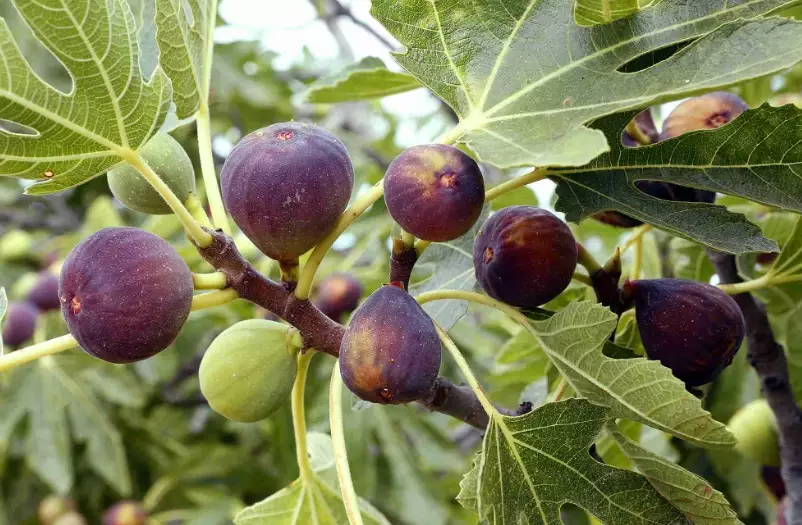
I've been there. I killed my first fig tree because I didn't ask that question seriously enough. I just planted it in a shady corner of my yard in Washington state and hoped for the best. Big mistake. But over the years, through trial and error (and a lot of dead branches), I've learned that the answer isn't a simple yes or no. It's a spectrum. And honestly, it's more about understanding your local conditions than following a rigid map.
The Core Needs of a Fig Tree: What You Can't Compromise On
Before we dive into specific locations, let's get the basics straight. Fig trees have non-negotiable needs. If you miss these, you're setting yourself up for failure, no matter where you live.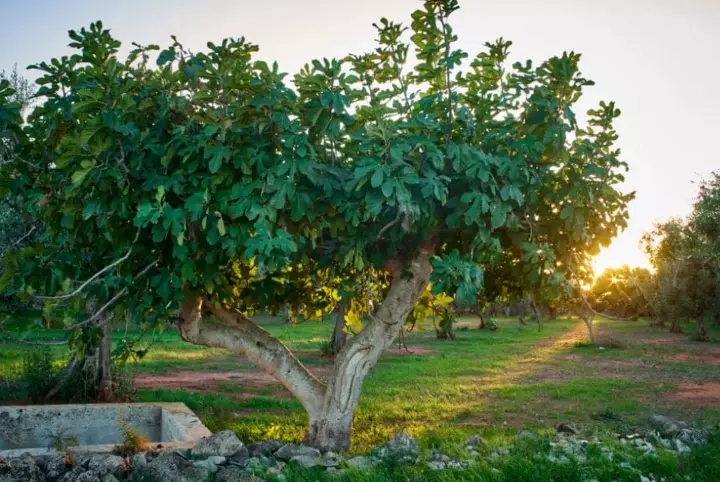
Sunlight: The Ultimate Deal-Breaker
Fig trees are solar-powered. They need a minimum of 6 to 8 hours of direct, unfiltered sunlight every day. Not dappled shade, not morning sun only – full, blazing sun. I've seen trees in partial shade that grow leaves but never fruit. It's like having a car with no engine. What's the point?
If your garden is shaded by buildings or big trees, you might need to get creative. Consider containers so you can move the tree around, or prune surrounding plants. But if you can't provide the sun, maybe reconsider. There are other fruits that tolerate shade better.
Temperature: It's Not Just About Winter Cold
Everyone focuses on winter hardiness, but summer heat is just as important. Fig trees love long, hot summers to ripen their fruit. Ideally, they want temperatures consistently above 70°F (21°C) during the growing season. But here's the twist: many varieties can handle cold snaps down to 10°F (-12°C) if they're dormant and protected.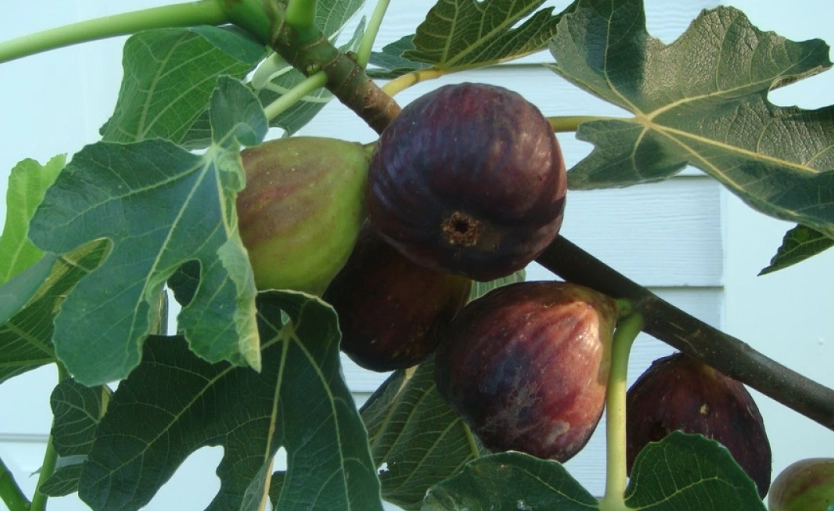
The real killer is fluctuating temperatures in late winter or early spring. A warm spell tricks the tree into budding, then a frost zaps the new growth. That's why where you can grow fig trees often depends on your spring weather patterns, not just your lowest winter temp.
Soil and Drainage: The Silent Killer
Fig trees despise wet feet. They need soil that drains quickly – think sandy or loamy soil. Heavy clay that holds water will lead to root rot faster than you can say "fig newton." I learned this the hard way when I planted one in a low spot that collected rainwater. It turned yellow and died within months.
If your soil is clay, don't despair. You can amend it with compost and sand, or build a raised bed. Or go the container route. But you must address drainage. It's not optional.
Mapping It Out: Where Can You Grow Fig Trees Successfully?
Now, let's get practical. Based on climate, here's a breakdown of regions where fig trees can thrive, struggle, or require extra care. This isn't just theory; it's based on reports from gardeners and agricultural extensions.
| Climate Region | Typical Locations | Suitability for Figs | What You Need to Do |
|---|---|---|---|
| Mediterranean & Subtropical | California, Italy, Greece, Spain, parts of Australia (e.g., Adelaide), South Africa | Perfect. This is fig heaven. They grow with minimal fuss and produce heavily. | Little to no winter protection. Focus on pruning and pest control. Watch for excessive heat in desert areas – provide afternoon shade. |
| Warm Temperate (Humid Subtropical) | Southeastern US (Georgia, Alabama, Carolinas), Japan (southern regions), New Zealand (North Island) | Excellent. Figs do very well here, though humidity can cause fungal issues. | Ensure good air circulation to prevent diseases. Choose varieties resistant to rust. Mulch to retain moisture in summer. |
| Cool Temperate (Oceanic) | Pacific Northwest (Washington, Oregon), UK, France (northern parts), Germany (milder areas) | Good with caveats. You can grow figs, but variety selection and site choice are critical. | Plant against a south-facing wall for warmth. Use cold-hardy varieties like 'Brown Turkey' or 'Brunswick'. Mulch heavily in winter. |
| Continental (Cold Winters) | Northeastern US (New York, Pennsylvania), Canada (southern Ontario), Central Europe | Challenging but possible. In-ground trees need serious winter protection. | Wrap trunks, mound mulch over roots, or use temporary structures. Consider container growing for reliability. |
| Arid & Desert | Arizona, Nevada, Middle Eastern countries | Possible with irrigation. Heat is great, but low humidity and intense sun can stress trees. | Provide consistent watering and some afternoon shade. Choose heat-tolerant varieties. |
That table gives a snapshot, but let's zoom in on the USDA Plant Hardiness Zones, since that's what many American gardeners use. The USDA map, maintained by the Agricultural Research Service, is a fantastic tool. For figs, Zones 7-10 are ideal for in-ground planting. Zone 6 is the borderline where you start needing extra care. Zones 5 and below? You're in container territory.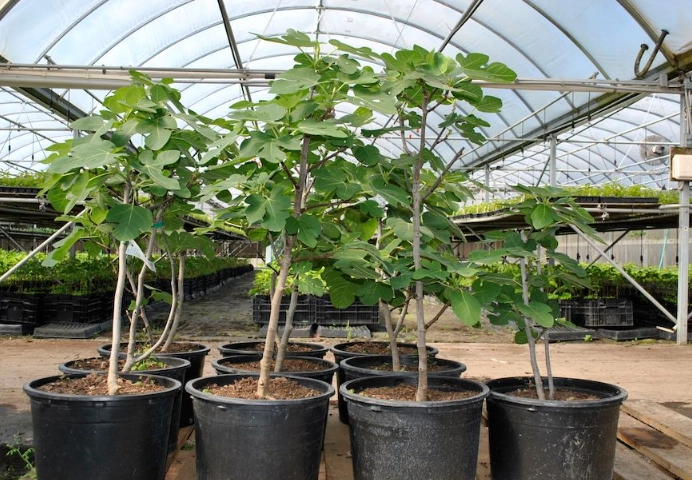
Growing Figs in Cold Climates: The Nuts and Bolts
This is where most guides gloss over the details. They say "yes, you can grow fig trees in cold areas!" but don't tell you how much work it is. Let's be real – it's a commitment. If you live in a place with harsh winters, here's what you're signing up for.
First, variety choice is everything. Some figs are tough as nails. Top picks for cold regions:
- 'Chicago Hardy': This one lives up to its name. It can die back to the ground and still regrow and fruit on new wood. I've seen it survive -10°F (-23°C) with heavy mulch.
- 'Celeste': Also called 'Sugar Fig', it's smaller and very cold-tolerant. Great for smaller spaces.
- 'Violette de Bordeaux': A French variety that's surprisingly hardy and produces delicious fruit.
Second, winter protection isn't optional; it's essential. Here's my routine for my in-ground trees in Zone 6b:
- After the first hard frost, I prune away any dead or weak branches.
- I wrap the trunk with burlap or commercial tree wrap to prevent sunscald and frost cracks.
- I pile a thick layer of straw or leaves over the root zone – at least 12 inches deep. Some people use foam covers or build insulated boxes.
- In spring, I remove the mulch gradually once the danger of frost has passed.
It's a hassle. And some years, a late frost still gets the new growth. That's why many gardeners in cold areas just grow figs in containers. You get a smaller tree, but you can move it to a garage or basement for winter. The Royal Horticultural Society has excellent advice on container figs, which I've found super helpful.
Step-by-Step: Assessing Your Own Garden for Fig Trees
Let's make this personal. Grab a notebook and walk around your yard. Answer these questions to figure out if you can grow fig trees where you live.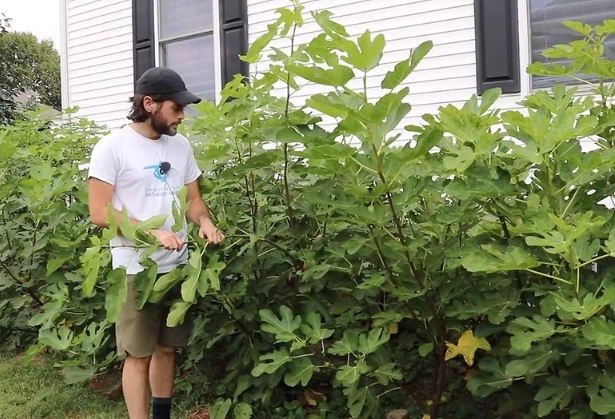
Step 1: Check Your Sun Exposure
Pick a spot where you want to plant. On a sunny day, note how many hours of direct sun it gets. Use a sun calculator app or just observe. If it's less than 6 hours, cross it off your list. Fig trees won't fruit well in shade.
Step 2: Test Your Soil Drainage
Dig a hole about 12 inches deep and fill it with water. If it drains within 2-3 hours, you're good. If it sits for a day, you have poor drainage. You'll need to amend the soil or use raised beds.
Step 3: Know Your Climate Zone
Look up your USDA zone or equivalent. Also, check your local frost dates and average summer temperatures. Fig trees need at least 100-150 frost-free days to ripen fruit properly.
Step 4: Consider Microclimates
Is there a south-facing wall, a slope, or a sheltered corner? These spots can be several degrees warmer than the rest of your yard. That's where you should plant if you're in a marginal area.
If you score well on sun and drainage, and you're in Zone 7 or above, you're golden. Go for it. If not, don't give up – just adjust your approach. Maybe you'll grow a fig in a pot on your sunny deck. That's still a win.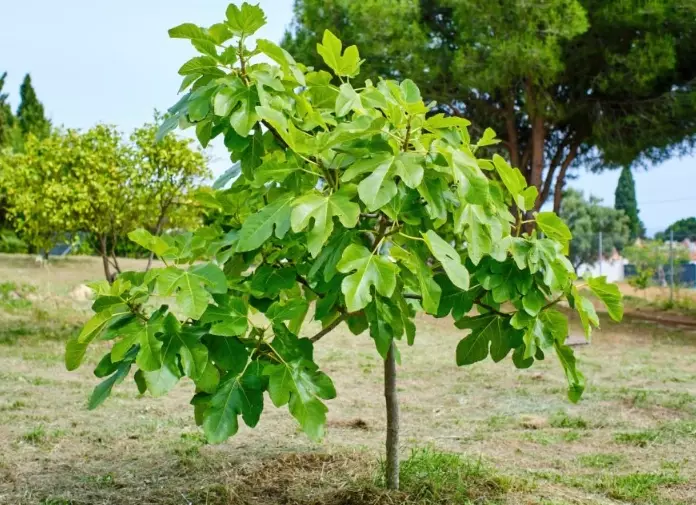
Common Questions About Where You Can Grow Fig Trees
Beyond Location: Other Factors That Affect Where You Can Grow Fig Trees
Location isn't just about climate zones. There are other things that can make or break your fig-growing success.
Wind Exposure
Fig trees have large, delicate leaves that can tear in strong winds. If you live in a windy area, like coastal regions or plains, plant your tree in a sheltered spot or use a windbreak. I've seen trees get shredded in storms, and it sets them back for the whole season.
Pollution and Urban Environments
Fig trees are surprisingly tolerant of urban pollution. They do well in cities as long as they get enough sun. But avoid planting near roads where salt spray from de-icing can damage them in winter.
Wildlife Considerations
Birds, squirrels, and raccoons love figs. If you're in an area with lots of wildlife, you might need to net your tree when fruit starts to ripen. It's a common headache, but manageable.
Case Studies: Real Examples of Where People Grow Fig Trees
Let's look at some real-world examples to illustrate how diverse the answer to 'where can you grow fig trees' can be.
Case 1: Seattle, Washington (USDA Zone 8b) – Here, the climate is cool and wet. But many gardeners successfully grow figs by planting them against south-facing walls or in containers. Varieties like 'Desert King' do well because they tolerate cooler summers. The key is ensuring good drainage to combat the rain.
Case 2: Toronto, Canada (USDA Zone 6a) – This is a cold winter area. Most gardeners use containers or heavy winter protection. One gardener I know buries his potted figs in a trench for winter, then digs them up in spring. It's labor-intensive, but he gets figs every year.
Case 3: Sydney, Australia (USDA Zone 10b) – Almost ideal conditions. Figs thrive here with minimal care. The challenge is sometimes too much heat, so providing afternoon shade can prevent leaf scorch.
These cases show that where you can grow fig trees often depends on local adaptations and gardener ingenuity.
Final Thoughts: It's About Adaptation, Not Just Location
So, where can you grow fig trees? The short answer is: in a lot more places than you might think. From the hot Mediterranean to chilly New England, with the right variety and care, you can probably make it work. But it's not always easy.
I've shared my failures and successes because gardening is messy. You'll have years where frost wipes out your crop, or pests get to the fruit first. But when you pick that first ripe fig from your own tree, it's worth it.
My advice? Start small. Buy a cold-hardy variety if you're in a marginal area. Plant it in a sunny, well-drained spot, or use a container. Learn from your mistakes. And don't be afraid to ask local gardeners or extension services for advice. The University of Minnesota Extension, for example, has great resources on growing figs in cold climates, which shows how far the boundaries have been pushed.
Ultimately, the question isn't just 'where can you grow fig trees' – it's 'how can you grow them where you are?' And with a bit of effort, you might just find that your backyard is the perfect place after all.
