Inside This Guide
- What Exactly Is a Cattle Panel, Anyway?
- You Won't Believe What You Can Do With These Things
- Choosing the Right Cattle Panel: Don't Just Grab the First One
- How to Install Cattle Panels: A Real-World Guide
- Your Cattle Panel Questions, Answered
- The Not-So-Glamorous Side: Drawbacks to Consider
- Creative Project Ideas to Get You Started
If you've spent any time browsing farm supply stores or scrolling through homesteading blogs, you've probably seen them. Those big, grid-like sheets of heavy-duty steel. Cattle panels. They look simple—almost too simple. But let me tell you, their simplicity is their superpower. For years, I thought they were just for, well, cattle. Then I helped a neighbor build a garden arch, and my perspective completely changed. Now, I see them as one of the most versatile and underrated materials you can get for a reasonable price. This guide is everything I wish I'd known before I bought my first bundle.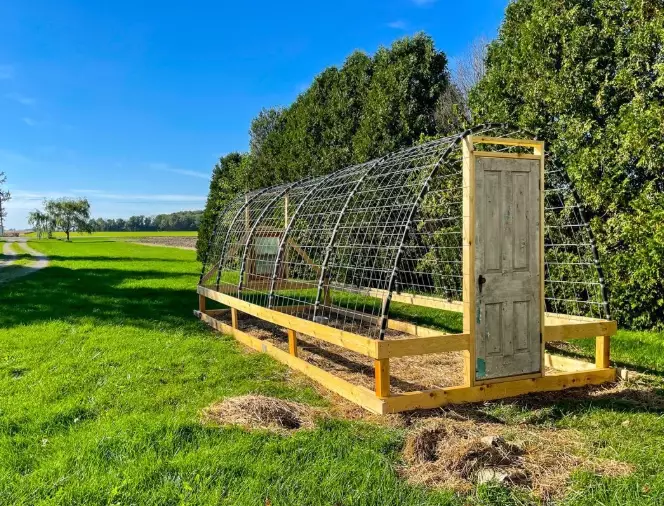
Quick Take: A cattle panel is a welded, rectangular grid made from heavy-gauge steel wire, typically 16 feet long, 50 inches tall, and with 6x8 inch openings. It's designed to be incredibly strong and durable for containing large animals.
What Exactly Is a Cattle Panel, Anyway?
Let's get the basics out of the way. When you hear "cattle panel," you're picturing that classic grid. It's not chicken wire (that flimsy, hexagonal stuff). It's not hardware cloth (a finer, stiffer mesh). A cattle panel is in a league of its own for brute strength. They're made from steel wires that are welded at every intersection, creating a rigid panel that won't sag or collapse under pressure. The standard size is a beast: 16 feet long by about 4 feet wide (50 inches, to be precise). They're heavy, awkward to carry alone, and the cut ends can be sharp—a pair of good gloves is non-negotiable. But that weight and stiffness are what make them so useful for so many things beyond the pasture fence.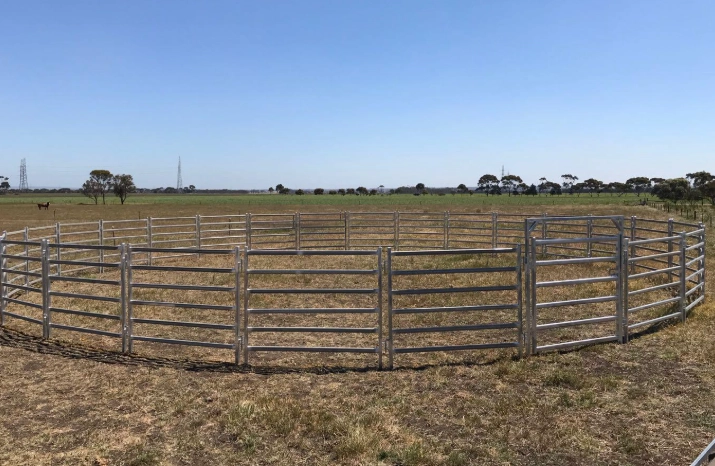
I remember my first time loading one into my truck. I underestimated it. It's not just heavy; it's unwieldy. That's your first lesson right there. Have a plan for transport.
You Won't Believe What You Can Do With These Things
This is where it gets fun. The agricultural use is obvious: they make fantastic, long-lasting fencing for cows, horses, pigs, and goats. The openings are big enough that animals won't feel trapped, but small enough to keep them safely contained. But if you stop there, you're missing out. The DIY and gardening communities have completely adopted the humble cattle panel.
The Gardener's Secret Weapon
Forget those flimsy tomato cages that tip over by July. A single cattle panel can be the backbone of your entire garden support system.
- Arches and Tunnels: Bend a panel into an arch, secure the ends in the ground, and you have an instant, stunning garden tunnel. Grow peas, beans, cucumbers, or even small squash over it. It creates a beautiful, living doorway.
- Super-Tough Trellises: Cut a panel in half (an 8-foot section is perfect), attach it to sturdy T-posts, and you have a trellis that will support the heaviest winter squash or a jungle of melons without even blinking.
- Vertical Planters: Lean a panel against a sunny wall, attach landscape fabric to the back, fill it with soil, and plant strawberries or herbs in the openings. It's a space-saving miracle.
Pro Tip from Hard Experience: When bending a panel into an arch, do it slowly and wear long sleeves. Those cut wire ends are sharp. I learned that the hard way with a scratch down my arm. It's also much easier with two people.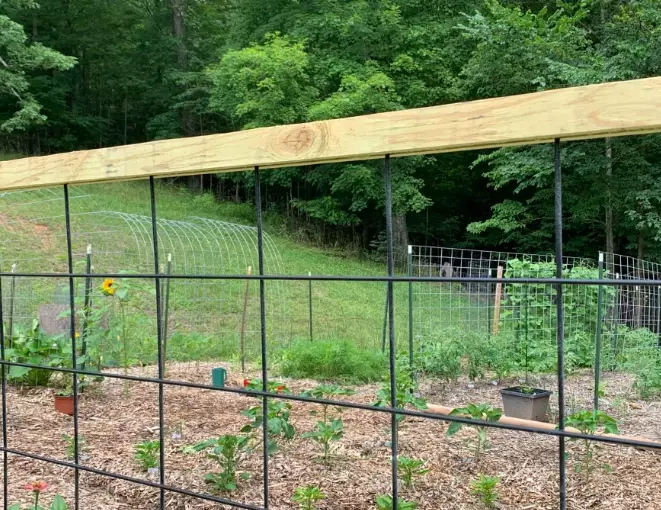
Around the Homestead and Home
Their utility is just insane once you start thinking about it.
- Pet Enclosures: Need a robust run for dogs or a secure top for a chicken coop? Cattle panels are perfect. Far stronger than typical wire.
- Storage and Organization: Mount a panel on a garage or shed wall. Use it to hang tools, bikes, or garden hoses with simple hooks. Everything has a place.
- Security: While not a substitute for a proper security system, a panel can be used to reinforce a basement window well or create a barrier over a vulnerable vent. It's a serious visual and physical deterrent.
- Compost Bins: Form a cylinder with a panel and secure it with zip ties or wire. You've got an instant, aerated compost bin that's easy to move when you're done.
Choosing the Right Cattle Panel: Don't Just Grab the First One
Not all panels are created equal. Walking into a store and seeing a stack, they might look identical. But the details matter for longevity, especially outdoors.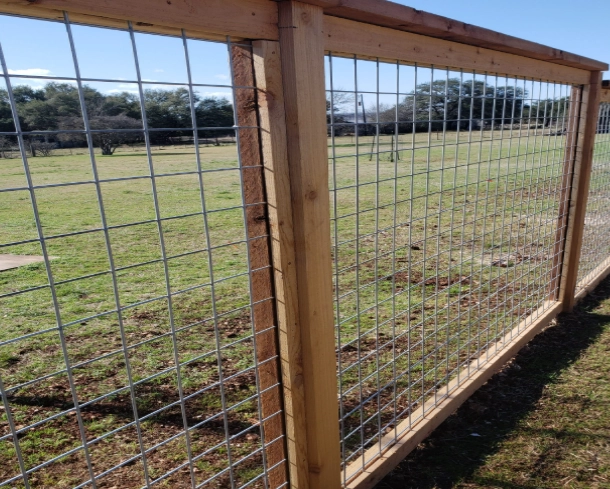
| Feature | What to Look For | Why It Matters |
|---|---|---|
| Gauge (Wire Thickness) | Lower gauge number = thicker wire. Look for 4-gauge or 6-gauge vertical wires. | Thicker wire means more strength and resistance to animals leaning on it or plants pulling on it. A flimsy panel will bend and become useless. |
| Coating / Finish | Galvanized (silver) is standard. Poly-Coated (green, black, white) is a premium option. | Galvanization protects against rust. Poly-coating adds an extra layer of protection and is gentler on animal hides and plant stems. For a garden trellis, poly-coated is a nice upgrade. |
| Welds | Clean, solid welds at every intersection. No gaps or skipped spots. | A weak weld is a failure point. Give the panel a gentle flex in the store (if allowed). It should feel like one solid piece, not a bunch of loose wires. |
| Grid Opening Size | The classic is 6" x 8". Some are 4" x 4" for smaller animals. | 6x8 is the most versatile. Smaller openings are better for goats or sheep to prevent head entrapment. For gardens, 6x8 is perfect for reaching through. |
My personal go-to is a 6-gauge, galvanized panel for most projects. It's the sweet spot of affordability and strength. I tried a cheaper, lighter one once for a compost bin, and it sagged terribly within a season. Lesson learned: invest in the good stuff from the start.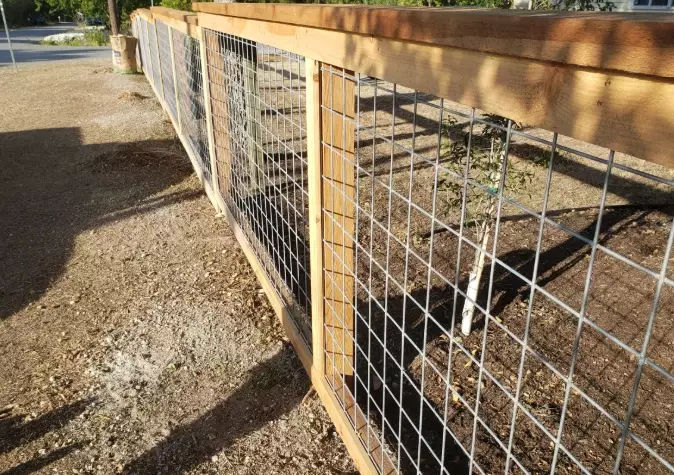
How to Install Cattle Panels: A Real-World Guide
Okay, you've got your panel. Now what? Installation is straightforward but requires some muscle and the right approach.
For Fencing (The Primary Job)
This is a two-person job, minimum. Here's the process, stripped of overly complicated instructions:
- Set Your Posts: Use sturdy wooden posts (4x4 or larger) or heavy-duty steel T-posts. For a 16-foot panel, you need a post at each end and one in the middle. Sink them deep—at least 2.5 to 3 feet for stability.
- Position the Panel: Lift the panel into place (again, get help). The bottom should be just off the ground to prevent rust from constant soil contact.
- Attach, Attach, Attach: This is critical. Don't just use a few wire ties. Use heavy-duty galvanized fence staples on wood posts or strong cattle panel clips or heavy wire on T-posts. Secure it at multiple points along each vertical wire that touches the post. An animal will find and exploit any weak spot.
- Stretching? Unlike woven wire, you can't really "stretch" a welded panel. You just make sure it's pulled taut as you attach it. Any significant curve means your posts are too far apart.
Safety First: Always wear heavy-duty gloves and safety glasses when handling and cutting cattle panels. The ends are like needles, and little wire snippets can fly when cutting. The Occupational Safety and Health Administration (OSHA) emphasizes hand and eye protection for a reason—this is exactly the kind of work it's meant for.
For Garden Structures
It's more forgiving but follows similar principles. For an arch, you'll bend the panel and sink the ends 12-18 inches into the soil. I like to drive a T-post right next to each buried end and wire them together for absolute, hurricane-proof security. For a flat trellis, secure the panel tightly to T-posts at 4-foot intervals. Don't let it flap in the wind.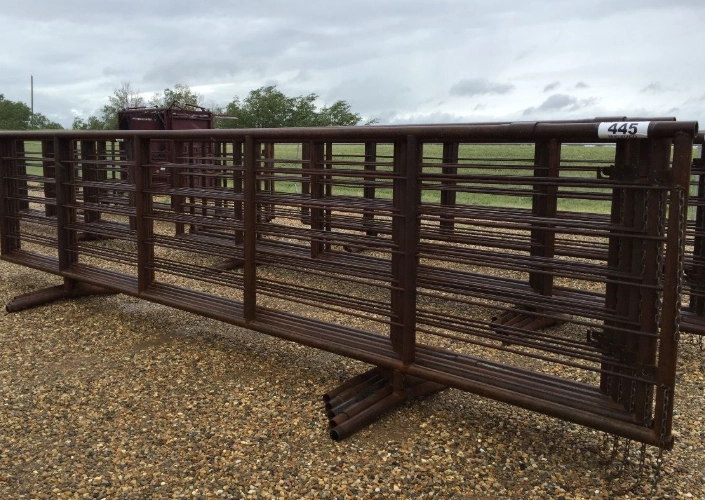
Your Cattle Panel Questions, Answered
I get asked these all the time, so let's just dive in.
The Not-So-Glamorous Side: Drawbacks to Consider
Let's keep it real. They aren't perfect for every single job.
- Weight and Handling: This is the big one. They are awkward, heavy, and can be dangerous to handle alone. Plan accordingly.
- Sharp Edges: Freshly cut ends are vicious. You must file them down or cap them, especially in areas where people or animals frequent.
- Rigidity: They don't conform to uneven ground well. For rolling terrain, you might need to step down panels or use a more flexible fencing option.
- Aesthetics: For a formal garden or a pristine suburban yard, the industrial look of a raw cattle panel might not be the desired vibe. Painting them (with a rust-inhibiting paint) or using poly-coated versions in dark green can help them blend in.
I learned the rigidity lesson trying to fence a slightly sloped area. It just didn't sit flush with the ground, leaving gaps. I had to get creative with filling those in.
Creative Project Ideas to Get You Started
Feeling inspired? Here are a few projects that are totally doable over a weekend.
- The Instant Garden Arch: One panel, two people, an hour. It's the most satisfying quick project. Plant climbing roses or runner beans at the base.
- A Kid's Fort Framework: Use panels to create the walls and roof of a simple fort. Drape old sheets or camouflage netting over it. Instant adventure zone.
- Firewood Rack: Use two vertical T-posts and a short section of panel between them to create a sturdy holder that keeps firewood off the ground and allows air circulation.
- Potato/Grow Tower: Form a cylinder, line it with straw or cardboard, fill with soil, and plant potatoes in the openings as you fill it up. Harvest by simply lifting the cylinder!
The bottom line is this: a cattle panel is more than just farm fencing. It's a blank canvas of heavy-duty steel grid. Whether you're keeping livestock safe, supercharging your garden, or tackling a unique DIY project, its strength and simple design are incredibly empowering. Start with one project. You'll quickly see why so many people, from farmers to crafty homeowners, swear by them. Just remember those gloves.
