Your Gardening Journey Map
Let's be honest for a second. How many times have you stood in the grocery store, looked at a bland, plastic-wrapped tomato, and thought, "I could grow something better than this"? You're not alone. The idea of a backyard vegetable garden is incredibly appealing – fresh flavors, knowing exactly where your food comes from, that unbeatable sense of accomplishment. But then the doubts creep in. Where do I even begin? What if I kill everything? I don't have a huge yard, is it even possible?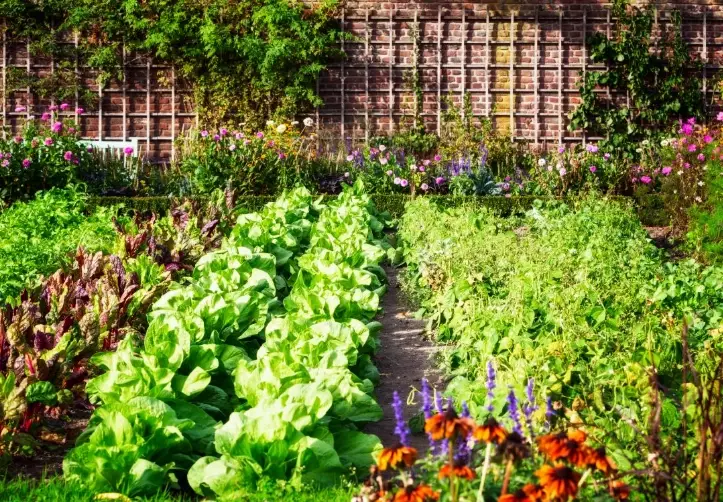
I get it. I was there too. My first attempt at a vegetable garden was... well, let's call it a learning experience. More weeds than veggies, and the tomatoes got some weird fungus. But you know what? That's okay. Gardening is a process, not a perfect product. This guide is here to take the mystery out of it, to walk you through every step from that first spark of an idea to harvesting your own salad. We'll skip the overly technical jargon and focus on what actually works. Think of this as a conversation with a friend who's made the mistakes so you don't have to.
Why start a vegetable garden now? It's more than just a hobby. It's a direct line to healthier food, a little slice of self-sufficiency, and honestly, one of the most satisfying things you can do with your hands. You're not just growing plants; you're growing confidence.
Why Bother? The Real Benefits of Growing Your Own
Before we get our hands dirty, let's talk about the "why." Sure, fresh veggies taste amazing, but the perks of having your own vegetable garden run deeper than your taste buds.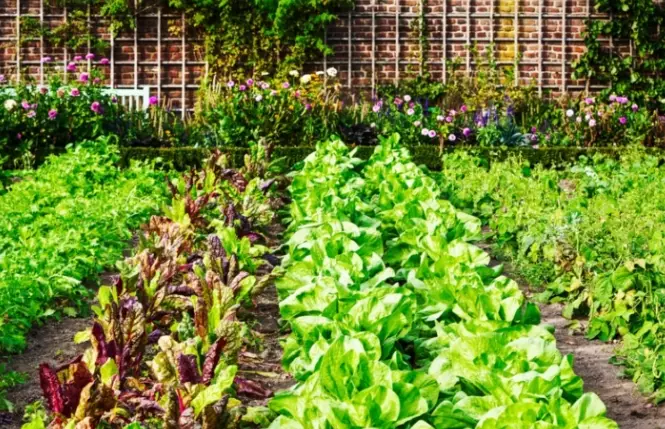
First, flavor. There is absolutely no comparison. A supermarket tomato is bred for shipping durability – it's hard, often tasteless. A homegrown tomato, still warm from the sun, bursts with a sweet, tangy, complex flavor you simply cannot buy. It's the same with herbs, lettuce, carrots... everything. You're getting the food at its peak, not after it's traveled thousands of miles.
Then there's the health angle. You control what goes on your plants. Want to grow everything organically? Go for it. You can avoid the pesticides and waxes common on store-bought produce. Plus, the simple act of gardening is good for you. It gets you outside, moving around, and there's solid research linking gardening to reduced stress levels. The USDA even has resources on how gardening promotes nutrition and physical activity, which you can explore on their Health and Safety topics page.
Let's talk money. A packet of seeds costs a few dollars and can yield pounds of food. Once you've made the initial investment in some basic supplies (which don't have to be expensive), a vegetable garden can seriously cut your grocery bill, especially for pricey items like herbs and heirloom tomatoes.
And finally, for the environment. You're reducing food miles, packaging waste, and if you compost your scraps, you're completing a beautiful natural cycle right in your own backyard. It's a small but tangible way to live more sustainably.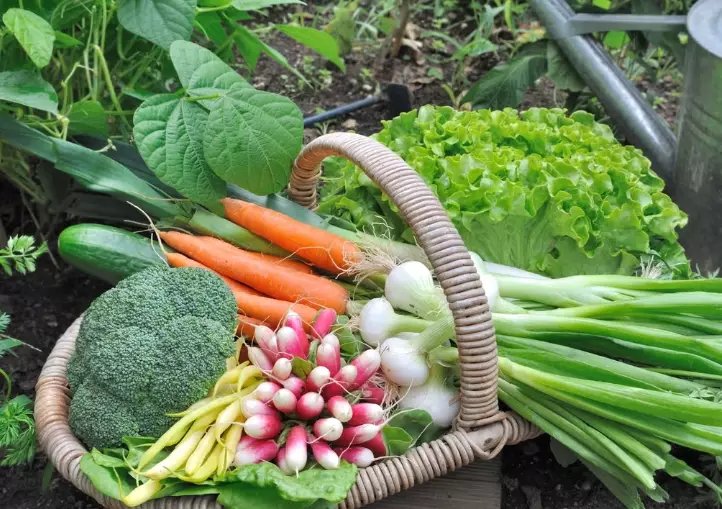
The First Step: Planning Your Vegetable Garden
Jumping in without a plan is the fastest way to get overwhelmed. Take a deep breath. We're going to start simple.
Finding the Perfect Spot
This is the single most important decision you'll make. Most vegetables are sun worshippers. They need a minimum of 6 hours of direct sunlight per day, with 8-10 hours being ideal for fruiting plants like tomatoes and peppers. Watch your yard for a full day. Where does the sun land the longest? That's your spot.
No sunny yard? Don't give up. Leafy greens like lettuce, spinach, and kale can tolerate some shade (about 4 hours of sun). Herbs like mint and parsley are also more forgiving. Container gardening on a sunny balcony or patio is a fantastic option. The principles of a great vegetable garden apply everywhere.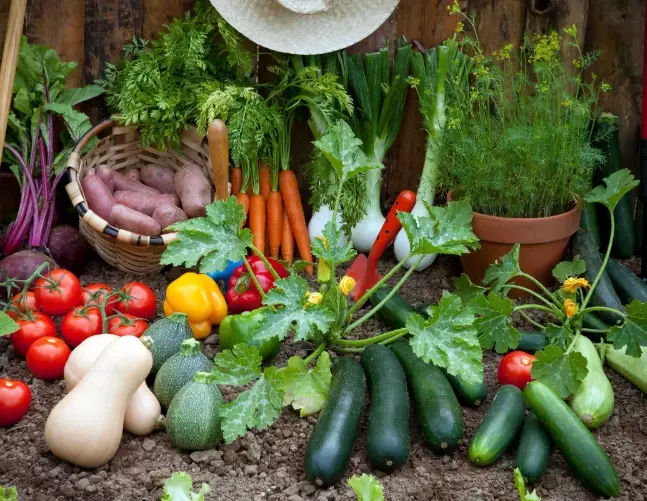
Other location factors: Is it close to a water source? Dragging a hose 100 feet gets old fast. Is the ground relatively level? Is it protected from strong winds? Is the soil decent, or is it mostly clay or sand? We can fix soil, but we can't move the sun.
My first garden was in a spot that got sun until about 2 PM. Everything grew, but it was slow and leggy. The next year, I sacrificed a bit of lawn for a sunnier patch, and the difference was night and day. Trust me on the sun.
Deciding on the Type of Garden
You have options here, and the best one depends on your space, budget, and physical ability.
In-Ground Beds: The classic method. You till up a section of your lawn. Pros: It's usually the cheapest to start. Cons: It can be a lot of work to break new ground, you may have poorer native soil, and weeds can be more persistent.
Raised Beds: My personal favorite for beginners. You build a frame (wood, stone, composite) and fill it with a perfect soil mix. Pros: Excellent drainage, you control the soil quality, less bending, warmer soil in spring, and they look neat. Cons: Higher initial cost for materials and soil.
Container Gardens: Incredibly versatile. Use pots, buckets, bags, window boxes. Pros: You can garden anywhere – apartment balcony, rooftop, driveway. Great for controlling soil and pests. Cons: Plants dry out faster and need more frequent watering and feeding.
My advice? Start small. A single 4x8 foot raised bed or a few large containers is a perfect, manageable first vegetable garden. Success with a small space is far more encouraging than failure in a large one.
What to Grow? Picking Your Plants
This is the fun part. Resist the temptation to buy one of every seed packet you see. Focus on what you actually like to eat and what's easy to grow.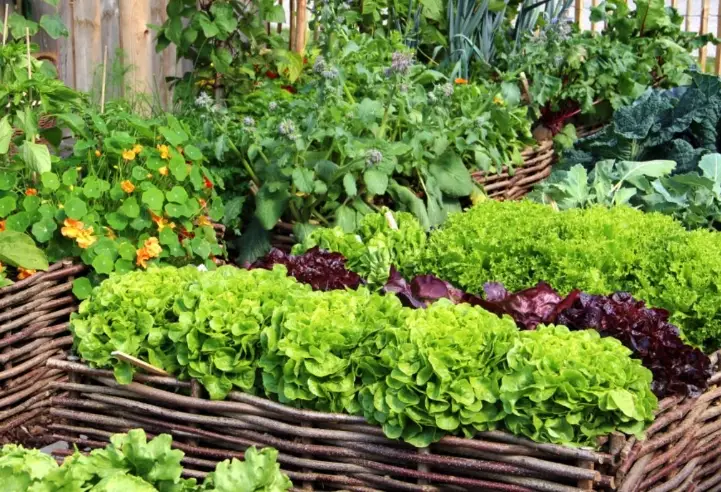
Here are my top recommendations for a first-time vegetable garden, broken down by category. These are proven winners that give you a good shot at success and a quick reward.
| Vegetable | Why It's Great for Beginners | Key Tip | Time to Harvest |
|---|---|---|---|
| Lettuce & Leafy Greens (Spinach, Kale, Arugula) | Grows fast, can be harvested multiple times ("cut-and-come-again"), tolerates cooler weather. | Plant seeds every 2 weeks for a continuous supply. | 30-50 days |
| Radishes | Possibly the fastest vegetable from seed to plate. Almost foolproof. | Don't let them get too big or they become woody and spicy. | 25-30 days |
| Green Beans (Bush variety) | No staking needed, produces heavily, seeds are large and easy to handle. | Wait to plant until soil is warm. Pick regularly to encourage more beans. | 50-60 days |
| Zucchini/Summer Squash | Extremely productive. One or two plants will feed a family. | Give them space! They get huge. Watch for squash vine borers. | 45-55 days |
| Tomatoes (Cherry or Patio varieties) | The taste of summer. Cherry types are more disease-resistant and ripen faster. | Buy young plants (starts) instead of seeds. They need full sun and consistent water. | 60-80 days from transplant |
| Herbs (Basil, Chives, Mint, Parsley) | Expensive in stores, easy to grow, great in containers. | Pinch off flower buds on basil to keep it producing leaves. | 30-60 days |
A couple of things to avoid in year one, in my opinion: Corn (takes up tons of space, needs a lot of plants to pollinate), asparagus (takes years to establish), and melons (need a long, hot season and a lot of room). Get a few wins under your belt first.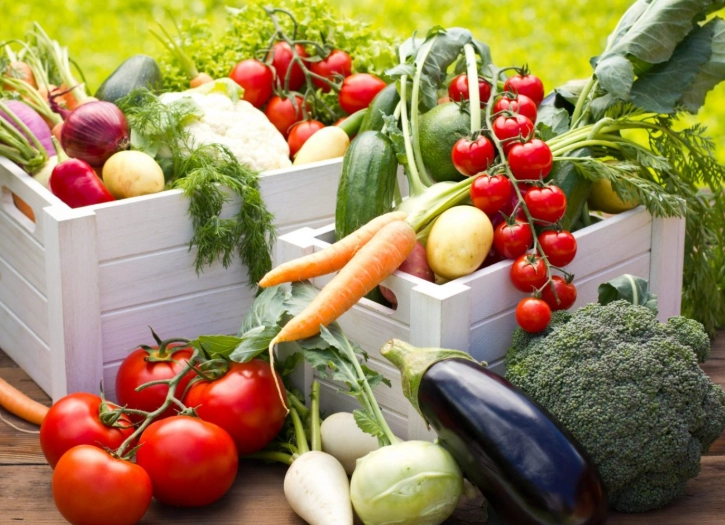
Also, pay attention to your Plant Hardiness Zone. This tells you what will survive your winters and when to plant. The USDA map is the authority here. Find your zone on the USDA Plant Hardiness Zone Map. Seed packets and plant tags will list a zone range. This is crucial for timing.
Getting Your Hands Dirty: Soil and Planting
Okay, you've got a spot and a plan. Now for the foundation of any great vegetable garden: the dirt.
The Truth About Soil
Plants don't grow in dirt; they grow in soil. And good soil is alive. It's a complex ecosystem of minerals, organic matter, water, air, and billions of microorganisms. Your goal is to feed that ecosystem.
For in-ground gardens, get a soil test. Your local county cooperative extension office (find yours via the USDA's partnership directory) often offers low-cost tests. It will tell you your soil's pH (acidity/alkalinity) and nutrient levels. Most veggies like a pH between 6.0 and 7.0.
Regardless of your test, the universal medicine for soil is compost. It improves drainage in clay, helps retain water in sand, and feeds those all-important microbes. Mix in a 2-4 inch layer of good compost into your garden bed before planting.
For raised beds and containers, you're buying soil. Don't use plain topsoil or dense garden soil. You want a specific potting mix for containers (light and fluffy) or a raised bed mix for beds. These are usually a blend of peat moss or coconut coir, compost, and perlite/vermiculite for drainage.
Avoid "sterilized" garden soil for containers. You want the beneficial biology! And never, ever use soil from your yard in a pot. It compacts and suffocates roots.
Seeds vs. Transplants: Which to Use?
Some things are best started from seed right in the garden. Others give you a huge head start if you buy them as little plants.
Direct Sow (From Seed): Root crops (carrots, radishes, beets) hate being moved. Beans, peas, corn, and most leafy greens are also easy to direct sow. Just follow the packet instructions for depth and spacing. It feels magical to see those first green sprouts.
Start with Transplants (Young Plants): This is the way to go for tomatoes, peppers, eggplants, and most herbs. These plants need a long, warm growing season. Buying 6-inch tall plants from a nursery gives you a 6-8 week jump start. Look for short, stocky plants with deep green leaves, not tall, spindly ones.
When is it safe to plant? This is where your zone matters. The biggest mistake is planting too early when the soil is cold and wet. A general, though not perfect, rule is to wait until after your last average frost date in spring. You can find this through your local extension service. Warm-season crops like tomatoes will just sit there and shiver if planted too early.
Planting is simple. Dig a hole a little bigger than the root ball of your transplant. Gently loosen the roots if they're circling the pot. Place it in the hole so the soil level matches where it was in the pot (except for tomatoes, which you can plant deeper). Fill in with soil, pat gently, and water it in well to settle the soil around the roots.
The Daily Grind: Maintaining Your Vegetable Garden
You've planted. Now the real relationship begins. A vegetable garden needs regular attention, but it doesn't have to be a chore.
Watering Wisely
This is where most new gardeners trip up. It's not about a daily sprinkle. It's about deep, infrequent watering.
You want to encourage roots to grow deep down into the soil to find water, making plants more drought-resistant. A light daily watering only wets the surface, causing roots to stay shallow and weak.
Stick your finger into the soil up to your knuckle. If it's dry, it's time to water. When you water, do it slowly and deeply, aiming for the base of the plant, not the leaves (wet leaves can encourage disease). Soaker hoses or drip irrigation are fantastic investments that save water and time.
How much? Typically, 1-2 inches of water per week, including rainfall.
Morning is the best time to water.
Containers will need watering much more often, sometimes daily in hot weather. They dry out fast.
Feeding Your Plants (Fertilizing)
If you started with good, compost-rich soil, you might not need much extra food early on. But as plants grow and produce, they use up nutrients.
Think of fertilizer like vitamins, not food. The soil's organic matter is the real food. A balanced, organic fertilizer (look for something labeled for vegetables) applied every 4-6 weeks during the growing season is usually sufficient. Follow the package directions – more is not better and can actually "burn" your plants.
I'm a fan of fish emulsion or seaweed-based liquid fertilizers. They're gentle and get to work quickly. Side-dressing with more compost mid-season is also a great, slow-release way to feed.
The Unending Battle: Weeds and Pests
Weeds compete for water, light, and nutrients. The best defense is a good mulch. A 2-3 inch layer of straw, shredded leaves, or wood chips on top of your soil will suppress weeds, retain moisture, and eventually break down to feed the soil. Put it down after the soil has warmed up in spring.
For pests, the first step is identification. Not every bug is a bad bug! Ladybugs and lacewings are your friends, eating aphids. Before you spray anything, figure out what's doing the damage.
For common pests like aphids, a strong blast of water from the hose can knock them off. Hand-picking caterpillars and beetles works. For bigger issues, insecticidal soap or neem oil are effective, low-toxicity options. The key is to check your plants regularly. A small problem is easy to fix; a large infestation is much harder.
Companion planting can help. For example, marigolds are said to repel some nematodes and beetles. Basil near tomatoes might improve flavor and deter flies. It's not a magic bullet, but it's a nice strategy to try. Universities like the University of Florida IFAS Extension have published research on companion planting effects you can look into.
Harvest Time! And What Comes After
This is the payoff. Harvesting at the right time makes all the difference in flavor and texture.
- Lettuce & Greens: Harvest outer leaves when they're a good size, or cut the whole plant an inch above the soil for "cut-and-come-again."
- Tomatoes: Let them ripen fully on the vine until they are fully colored and slightly soft to a gentle squeeze.
- Zucchini: Pick them small (6-8 inches). They are more tender and flavorful, and picking encourages more production. Letting them turn into baseball bats makes the plant think it's done.
- Green Beans: Pick when the pods are firm, crisp, and before you can see the seeds bulging inside.
- Radishes: Pull one to check size. They get hot and pithy if left too long.
Use a sharp knife or pruners for clean cuts. Handle your harvest gently to avoid bruising.
As the season ends, don't just let everything rot. Pull up spent plants (unless they're diseased, then bag and trash them). Add healthy plant debris to your compost pile. If you have a fall frost, cover tender plants with an old sheet or frost cloth on cold nights to extend your season for a few more weeks.
Common Vegetable Garden Questions (Answered Honestly)
Absolutely. Container gardening is vegetable gardening. The rules are the same: maximum sun, big enough pots (deeper is better for roots), quality potting mix, and consistent watering. Focus on compact varieties: patio tomatoes, bush beans, lettuces, peppers, and all the herbs. A sunny windowsill can work for herbs and microgreens.
Once established, a small garden might need 2-3 hours a week for watering, checking for pests, and harvesting. Planting day is longer. Weeding takes time if you don't mulch. It's not a huge time sink if you stay on top of it. Think of it as therapeutic time outdoors, not a second job.
Overwatering or underwatering. It's a close tie. The finger-in-soil test is your best friend. The second biggest mistake is planting too much, too close together. Plants need air circulation to stay healthy. Follow the spacing on the seed packet or plant tag, even if it looks too sparse at first. They will fill in.
The first year, maybe not, once you factor in setup costs for beds, soil, tools, etc. But by the second and third year, when you're just buying seeds and a bag of compost, the savings become very real. And when you compare the price of a homegrown organic heirloom tomato to one in the store, you're already winning.
Don't panic. Diagnose like a doctor.
Yellow leaves: Could be overwatering (most common), lack of nutrients (especially nitrogen), or poor drainage.
Wilting in the heat of the day: Normal if they perk up in the evening. If still wilted in the morning, they need water.
Holes in leaves: Look for the culprit (caterpillars, beetles, slugs) at dawn or dusk.
The internet, your local nursery, or your extension service are great resources for specific problems. Take a clear photo.
Starting a vegetable garden is an act of optimism. You're putting a seed in the ground with faith that it will grow. Some seasons will be amazing, others will be humbling. You'll learn something every single time. The taste of that first sun-warmed strawberry or the crunch of a cucumber you grew yourself makes every bit of effort worth it.
So, pick a spot. Start small. Get some compost. Plant a few things you love to eat. Don't worry about perfection. Just start. Your future self, enjoying a meal from your own backyard, will thank you.
