Your Basil Growing Journey
- Getting Started: It All Begins with the Right Foundations
- The Many Faces of Basil: A Flavor Tour
- The Day-to-Day Care: Keeping Your Plant Happy
- Troubleshooting: What's Wrong With My Basil Plant?
- Harvesting and Preserving: Making It Last
- Beyond Pesto: Unexpected Ways to Use Your Basil Plant
- The Health Angle: More Than Just Flavor
- Answers to Questions You Were Too Embarrassed to Ask
- Wrapping It All Up
Let's be honest. Most of us buy a little basil plant on a whim at the grocery store. It sits on the kitchen windowsill, we snip a few leaves for pasta, and then... it either turns into a tall, weird-looking stalk or just gives up and dies. I've been there. More times than I'd like to admit. That sad, leggy plant with yellowing leaves feels like a personal failure.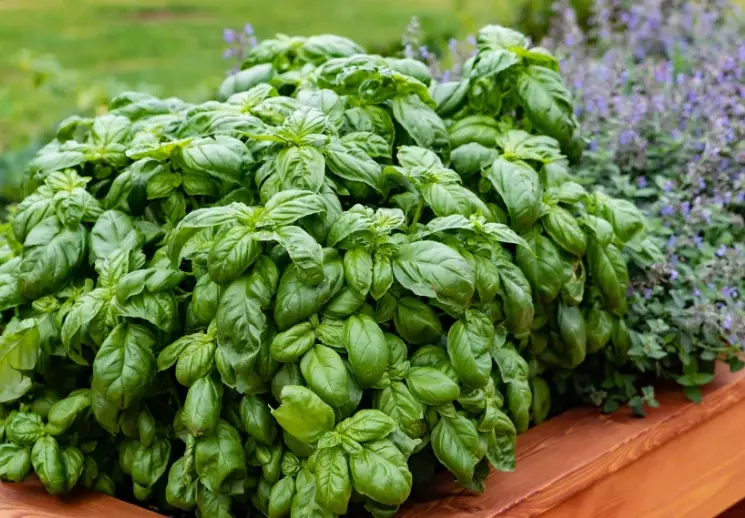
But what if I told you that growing a lush, bushy, and incredibly productive basil plant is one of the easiest and most rewarding things you can do? It's true. This herb is a gateway drug to gardening. It grows fast, smells divine, and the payoff—fresh leaves whenever you want—is instant gratification. We're not just talking about a garnish here. A healthy basil plant can become the centerpiece of your summer cooking, a natural remedy in your cabinet, and a little piece of living greenery that just makes you happy.
This guide is everything I wish I knew when I killed my first three pots. We're going way beyond the basic "give it sun and water" advice. We'll dig into the nitty-gritty of what makes a basil plant truly thrive, explore the wild variety of types you can grow (some taste like lemon, some like licorice!), and uncover all the brilliant ways to use it that don't involve tomatoes. By the end, you'll look at that humble plant in a whole new light.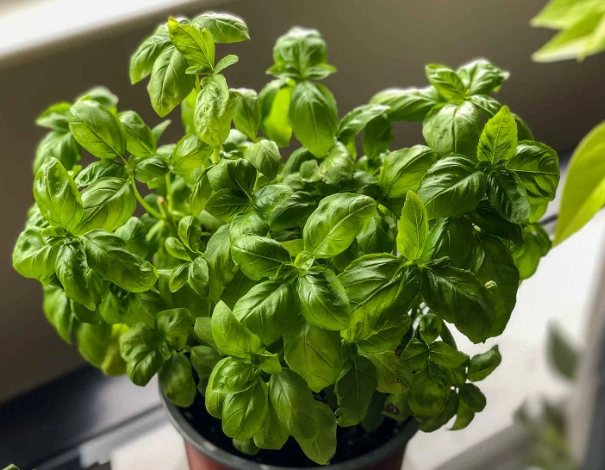
Getting Started: It All Begins with the Right Foundations
You can't build a house on sand, and you can't grow a great basil plant in the wrong conditions. The setup is 80% of the battle. Get this right, and you're on autopilot.
Sunlight: The Non-Negotiable Fuel
This is the biggest mistake people make. A basil plant stuck in a dim corner is a sad basil plant. It will stretch desperately towards any light source, becoming "leggy"—all stem, few leaves. Aim for at least 6 hours of direct sunlight per day. A south-facing window is ideal. East or west can work. North? Forget it, unless you have a grow light.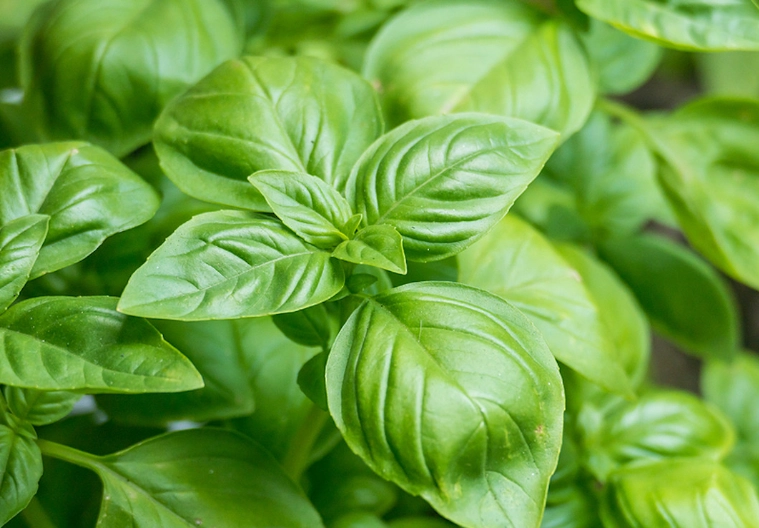
I learned this the hard way. My first apartment had terrible light, and my basil was always spindly. Moving it to a small balcony transformed it. The leaves turned a deeper green, the plant grew bushier, and the aroma was ten times stronger. If you only have indoor space, consider a simple LED grow light. It's a game-changer for any indoor herb garden, especially in winter.
Soil and Potting: Let Those Roots Breathe
Basil hates wet feet. Root rot is a silent killer. You need soil that drains water quickly but still holds some moisture. A standard, high-quality potting mix for vegetables or herbs is perfect. Don't use soil from your garden—it's too dense and might harbor pests or diseases.
The pot matters too. Drainage holes are mandatory. No holes? Drill some, or use it as a decorative outer pot. Size-wise, don't start a seedling in a huge pot. The soil stays wet too long. A 6-8 inch pot is great for one plant to start. You can always pot up later. Material? Terracotta is fantastic because it's porous and helps soil dry evenly, but plastic is fine if you're careful not to overwater.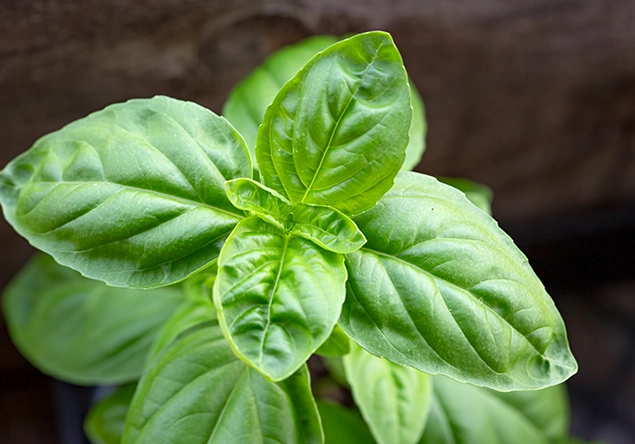
Seed vs. Starter Plant: What's Best for You?
This is a classic debate. Starting a basil plant from seed is cheaper and offers way more variety. You can find seeds for purple basil, Thai basil, lemon basil—the works. But it takes time and a bit more attention. You need to keep the seed-starting mix moist and provide warmth.
Buying a young plant from a nursery or store is the instant gratification route. You get a head start. But inspect it carefully! Look for a bushy plant with vibrant green leaves (or deep purple, depending on the type). Avoid any with yellow leaves, black spots, or bugs crawling on the underside. I've brought home aphids before. Not fun.
Personally, I do both. I buy a couple of starter plants for immediate use and sow a few seeds for fun and variety later in the season.
The Many Faces of Basil: A Flavor Tour
"Basil" isn't just one thing. Walking into a good nursery and seeing the different types can be overwhelming. Each has its own personality and best uses. Here’s a quick tour of the most common basil plants you'll encounter.
| Basil Variety | Appearance & Flavor | Best Uses | Growing Note |
|---|---|---|---|
| Genovese / Sweet Basil | The classic. Large, tender, vibrant green leaves. Sweet, slightly peppery, clove-like aroma. | Pesto, Caprese salad, Italian sauces, general culinary use. | The most common. Fast grower, needs frequent harvesting to stay bushy. |
| Thai Basil | Purple stems, narrower leaves, purple flowers. Strong anise/licorice flavor with a spicy edge. | Essential for Southeast Asian cuisine: curries, pho, stir-fries. | Very hardy, handles heat better than sweet basil. Flowers are beautiful and edible. |
| Lemon Basil | Lighter green leaves. Pronounced, bright citrus and lemon scent. | Salads, seafood dishes, teas, infused water, desserts. | Delicate flavor can cook out quickly. Often best added fresh at the end. |
| Purple Basil (e.g., 'Dark Opal') | Stunning deep purple leaves. Stronger, slightly spicy clove flavor. | Vinegars, oils, colorful pesto, stunning garnish. | Adds incredible visual pop to the garden. Flavor is more intense. |
| Holy Basil (Tulsi) | Fuzzy, green or purple-tinged leaves. Spicy, complex flavor (clove, mint, pepper). | Primarily medicinal/ceremonial in Ayurveda. Used in teas. | Sacred in Hinduism. Grown more for health benefits than cooking. |
My favorite for sheer productivity is Genovese. But for a flavor adventure, you can't beat Thai basil in a summer stir-fry. Having a couple of different types turns your garden or windowsill into a personal spice rack.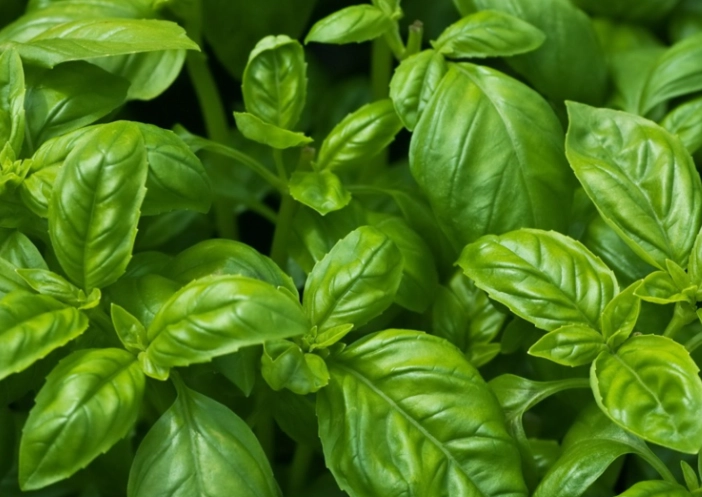
The Day-to-Day Care: Keeping Your Plant Happy
Okay, you've got your plant in a sunny spot, in good soil. Now what? The daily and weekly rhythm is simple, but a few tricks make all the difference.
Watering: The Art of the Soak and Dry
This is where most people trip up. You can't water on a strict schedule (e.g., every Tuesday). It depends on heat, pot size, and sunlight. The golden rule: Stick your finger in the soil. If the top inch feels dry, it's time to water. If it's still damp, wait.
When you do water, water thoroughly. Pour slowly until you see water running freely out of the drainage holes. This ensures the entire root ball gets moistened. Then, let the pot drain completely. Never let it sit in a saucer full of water. I killed a beautiful plant that way—the roots just rotted in the stagnant water below.
Feeding: A Little Food Goes a Long Way
A basil plant is a hungry grower, especially if you're harvesting from it regularly. A balanced, water-soluble fertilizer every 3-4 weeks during the growing season (spring to early fall) is plenty. Look for something labeled for herbs or vegetables. I use a half-strength dose of a generic organic liquid fertilizer. More is not better—over-fertilizing can lead to lots of leaves with weak flavor.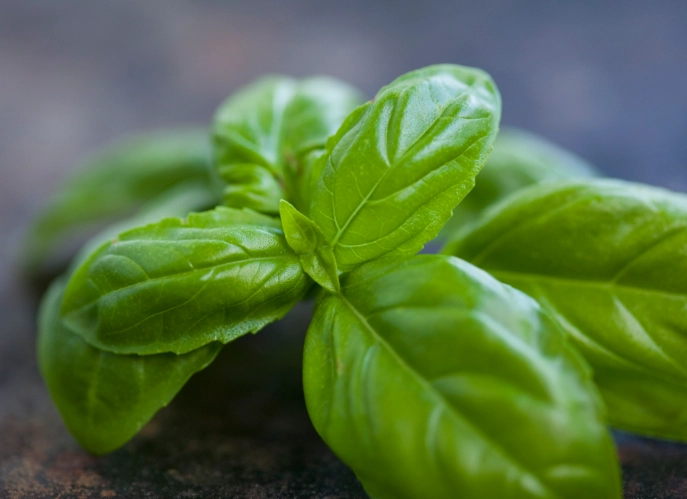
The Magic of Pinching and Pruning
This is the single most important trick to get a bushy, productive basil plant, not a tall, lonely tower. You have to be ruthless. When your plant is about 6-8 inches tall and has 4-6 sets of leaves, pinch off the very top set. Just use your fingernails or clean scissors.
Why does this work?
By removing the main growing tip, you signal the plant to stop growing upwards and instead send out two new branches from the leaf nodes below the cut. Do this to each new branch as it grows, and you get a dense, leafy bush. Always pinch just above a set of leaves. And guess what? Those pinched-off tips are your first harvest! Use them in your dinner.
Also, remove flower buds immediately. Once a basil plant starts flowering ("bolting"), it thinks its life's work is done. The leaves become smaller and more bitter, and growth slows. Pinch those buds off as soon as you see them. It keeps the plant in "leaf production" mode.
Troubleshooting: What's Wrong With My Basil Plant?
Even with perfect care, things can go wrong. Here's a quick diagnostic guide for common basil plant problems.
- Yellowing Leaves at the Bottom: Usually natural aging. Older leaves yellow and drop. If it's widespread, it could be overwatering, poor drainage, or a nitrogen deficiency. Check your watering habits first.
- Holes in Leaves: Likely caterpillars (like the tomato hornworm, which also loves basil) or slugs/snails. Inspect the plant, especially at night with a flashlight. Pick pests off by hand.
- Tiny Bugs (Aphids) on New Growth: A common issue. A strong blast of water from a hose or spray bottle can dislodge them. For persistent problems, insecticidal soap or neem oil spray is effective and organic. The Royal Horticultural Society has a great resource on managing aphids using environmentally friendly methods.
- White Powdery Coating on Leaves (Powdery Mildew): A fungal disease that loves humid, stagnant air. Improve air circulation, avoid wetting the leaves when watering, and remove affected leaves. In severe cases, an organic fungicide might help.
- Black/Brown Spots on Leaves: Could be a bacterial or fungal disease like downy mildew. This is tougher. Remove affected leaves immediately, don't compost them, and ensure the plant isn't crowded. Prevention (good air flow, watering the soil not the leaves) is key.
Harvesting and Preserving: Making It Last
The whole point! Harvesting correctly encourages more growth.
How to Harvest: Don't just pluck individual leaves from the bottom. Always harvest from the top, using the same "pinching" method described for pruning. Take a stem, cutting just above a pair of leaves. This method is far better for the plant's shape and productivity than stripping lower leaves.
How Much to Take: Never harvest more than one-third of the plant at once. This gives it enough leaves left to photosynthesize and recover.
Now, you have a bunch of fresh basil. What if you have more than you can use?
Preservation Methods Ranked (My Personal Take)
- Freezing (Best for Cooking): Chop leaves, pack into ice cube trays, cover with water or olive oil, and freeze. Pop out cubes for soups, sauces, and stews. The flavor is preserved remarkably well, though texture is lost.
- Making Pesto & Freezing It: Blend basil with garlic, pine nuts, Parmesan, and oil. Freeze in small jars or bags. The flavor is fresh and ready-to-go.
- Drying (Least Favorite for Flavor): It's easy—hang bunches upside down in a dry, dark place. But most of the bright, volatile oils that give basil its magic are lost. Dried basil tastes like a faint shadow of the fresh stuff. I only do this if I'm overwhelmed.
- Infusing in Oil or Vinegar: Steep clean, dry leaves in good quality oil or vinegar for a few weeks. Strain. Creates beautiful, flavorful condiments. Critical Safety Note: For oil infusions, you must use dried basil or refrigerate and use within a week to avoid the risk of botulism from moisture in fresh herbs. The National Center for Home Food Preservation provides essential safety guidelines for herb-infused oils.
Beyond Pesto: Unexpected Ways to Use Your Basil Plant
Sure, pesto is amazing. But there's so much more.
In Drinks: Muddle a few leaves in lemonade or iced tea. Make a simple syrup infused with basil for cocktails. Add a sprig to a glass of water for a subtle, refreshing twist.
In Desserts: This sounds weird, but trust me. Basil pairs beautifully with strawberries, peaches, and citrus. Chop it finely and mix into fruit salads, or make a basil-infused whipped cream for berries. I made a strawberry-basil sorbet once that changed my mind forever.
As a Natural Freshener: Rub a fresh leaf between your hands after handling garlic or onions. The scent neutralizes odors beautifully.
The Health Angle: More Than Just Flavor
Many cultures have used basil medicinally for centuries, particularly Holy Basil (Tulsi) in Ayurveda. Modern science is starting to look at why. It's important to note that I'm not a doctor, and this isn't medical advice. But the research is fascinating.
Basil leaves contain compounds like eugenol, linalool, and various antioxidants. Studies, often preliminary or on animals, suggest these may have anti-inflammatory and antimicrobial properties. For example, research published by the National Institutes of Health has explored the potential adaptogenic and anti-stress effects of Ocimum sanctum (Holy Basil).
In practical terms? A cup of fresh basil tea (steep leaves in hot water) is a wonderfully soothing ritual I enjoy when I feel a bit run down. It feels cleansing and calming. Whether it's a physiological effect or just the mindful ritual, it works for me.
Answers to Questions You Were Too Embarrassed to Ask
Wrapping It All Up
So there you have it. A basil plant is more than a disposable garnish. It's a resilient, fast-growing companion that asks for little but gives so much: explosive flavor for your kitchen, a connection to growing things, and even a touch of natural wellness. It rewards a little knowledge with an abundance of leaves.
The key takeaways? Maximize sun, master the soak-and-dry watering, and pinch like you mean it. Choose a variety that excites you, whether it's the classic Genovese or something more exotic. Don't be afraid to experiment with it in drinks and desserts. And when things go wrong—because they will—use it as a learning experience. Every gardener has a graveyard of plants they've learned from.
Now go check on your basil plant. Give it a little water if it needs it. Pinch off the top if it's getting tall. Sniff a leaf. That's the smell of success, growing right there on your windowsill.
Reader Comments