In This Guide
- First Things First: Bush Beans or Pole Beans?
- Getting Your Hands Dirty: Planting Your Green Bean Seeds
- The Care and Keeping of Your Growing Green Bean Plants
- The Best Part: How and When to Harvest Green Beans
- Beyond the Basics: Your Green Bean Plant Questions Answered
- From Garden to Table: What to Do With Your Harvest
Let's be honest. When you think about growing your own food, the green bean plant probably isn't the most glamorous thing that comes to mind. No one's writing poems about it. But here's the secret every seasoned gardener knows: it's one of the most reliable, satisfying, and downright productive plants you can put in the ground. You get a lot of bang for your buck, as they say.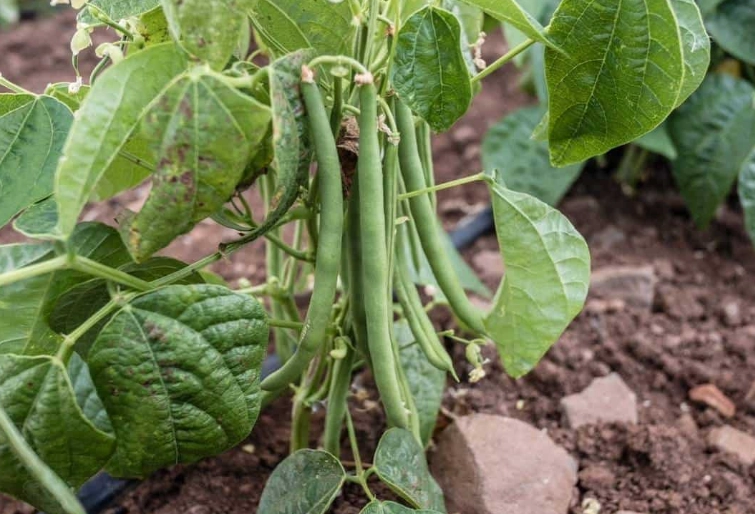
I remember my first attempt. I bought a packet of seeds on a whim, poked them into some dryish dirt, and basically forgot about them. A few weeks later, I had a few spindly plants and a grand total of seven beans. It was pathetic. I was doing everything wrong, from timing to watering. But that failure taught me more than any success could have. Now, I can reliably get baskets full of crisp, sweet beans from just a few rows. The journey from that pitiful harvest to my current abundance is what I want to share with you. It's not rocket science, but there are a few key things you need to get right.
This guide is for you whether you have a sprawling backyard garden or a few pots on a sunny balcony. We're going to walk through the whole life of a green bean plant, from a dormant seed to your dinner plate, and answer every question that might pop up along the way.
First Things First: Bush Beans or Pole Beans?
This is your first and most important decision. It's like choosing between a compact car and a climbing vine. Each type of green bean plant has its own personality and needs.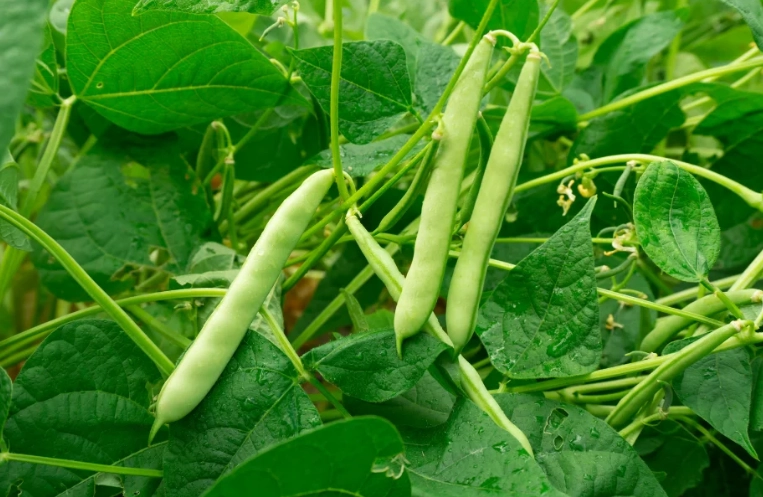
Bush beans are the easy-going friend. They grow about 1 to 2 feet tall, form a compact, bushy shape, and don't need any support. They mature all at once over a relatively short period (usually 2-3 weeks). This is fantastic if you want a big batch for canning, freezing, or a giant family feast. You plant, you wait, you harvest in a frenzy. Then, they're pretty much done. I love bush beans for their predictability and low maintenance. Varieties like ‘Provider' (my personal favorite for reliability) or ‘Contender' are tough as nails.
Then you have pole beans. These are the climbers, the adventurous types. They can grow 6 to 10 feet tall and need a sturdy trellis, teepee, or fence to scramble up. Here's the big difference: instead of one big harvest, they produce beans continuously throughout the season, often right up until the first frost. You'll be picking a handful every few days for months. It's a slower, steadier supply. ‘Kentucky Wonder' is a classic, with that old-fashioned “beany” flavor, while ‘Blue Lake' is known for being stringless and tender.
So, which one? I usually plant both. A row of bush beans for my big summer freezer stash, and a teepee of pole beans near my kitchen door for daily snacking. It's the best of both worlds.
Still unsure? If you're a beginner with limited space (like a patio), start with bush beans in a large container. Fewer things to set up. If you have a vertical space like a fence and want a long harvest, go for pole beans.
My Go-To Varieties (And One I Won't Plant Again)
Over the years, I've tried a lot of seeds. Here's my shortlist:
- Top Performer (Bush): ‘Provider'. The name doesn't lie. It germinates well in cooler soil, produces early, and the beans are straight and meaty. It's never let me down.
- Best for Flavor (Pole): ‘Kwintus'. This is a European variety that's become a staple for me. It's super early for a pole bean, and the flavor is sweet and delicate. The pods are flat and wide, perfect for slicing.
- The Novelty Pick: ‘Dragon's Tongue' (a bush or semi-runner). These are gorgeous—creamy yellow pods with purple streaks. They lose the streaks when cooked, but they're tender and beautiful fresh. Great for getting kids interested.
And the one I avoid? ‘Rattlesnake' pole beans. Yes, they have pretty purple streaks, and yes, they're prolific. But in my experience, they get tough and stringy incredibly fast. You have about a 12-hour window to pick them at the perfect stage. Too much hassle for me.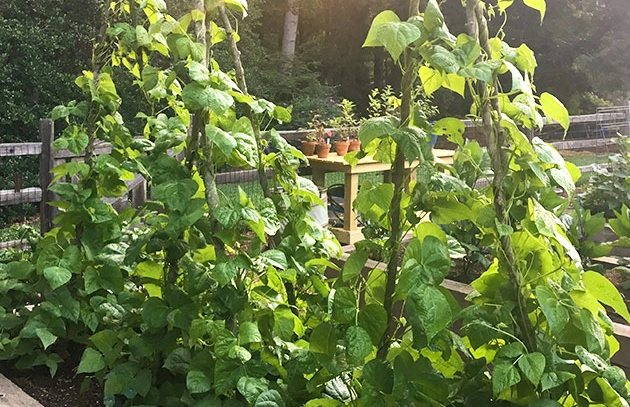
Getting Your Hands Dirty: Planting Your Green Bean Seeds
Green beans are direct-sow champions. Don't bother starting them indoors in little pots; they hate having their roots disturbed. Wait until the danger of frost has passed and the soil has warmed up. A good rule of thumb is when the soil temperature is consistently above 60°F (16°C). If you plant in cold, wet soil, the seeds will just rot. I made that mistake year one.
Plant the seeds about 1 inch deep. Some folks say 1.5 inches, but in my heavier soil, 1 inch works better. Space bush bean seeds 3-4 inches apart in rows that are 18 inches apart. For pole beans, plant them 6 inches apart at the base of whatever support you're using.
Here's a trick: plant a few extra seeds at the end of the row. If some don't come up (birds sometimes nab them), you can carefully transplant these extras to fill the gaps. They transplant okay when very young.
The Perfect Home: Soil, Sun, and Water
Green bean plants aren't super picky, but they have some basic demands.
Sun: Full sun. Non-negotiable. At least 6-8 hours of direct sunlight. Less sun means fewer beans, it's that simple.
Soil: They prefer well-draining soil. If your soil is heavy clay (like mine was), work in some compost. It improves drainage and adds nutrients. One thing to note: don't add a ton of nitrogen-rich fertilizer. Beans are legumes; they have a neat partnership with bacteria in the soil that lets them pull nitrogen from the air. Too much nitrogen gives you a gorgeous, lush, green bush... with very few beans. I use a balanced, low-nitrogen organic fertilizer at planting time, or just rely on good compost.
Water: This is crucial. Consistent moisture is the key to plump, juicy beans and preventing flowers from dropping. Aim for about 1 inch of water per week. The critical times are when the plants are flowering and when the pods are starting to swell. A deep watering a few times a week is better than a daily sprinkle. Water at the soil level, not overhead, to keep the leaves dry and prevent disease.
I learned the hard way about inconsistent watering. One hot, dry week I got busy and didn't water. The plants survived, but the next flush of flowers just fell off, and the pods that did form were knobby and tough. Lesson learned.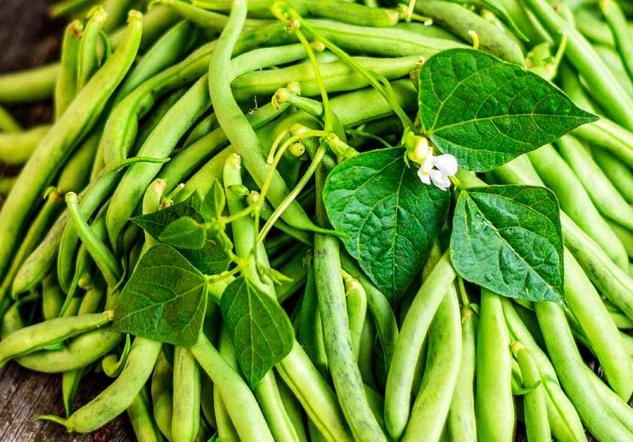
The Care and Keeping of Your Growing Green Bean Plants
Once they're up and growing, your main jobs are watering, weeding, and watching.
Mulch is your best friend here. A 2-3 inch layer of straw, shredded leaves, or even grass clippings (if you don't use herbicides) does wonders. It keeps the soil moist, cools the roots on hot days, and smothers weeds. Weeding around beans is annoying because their roots are shallow—mulch saves you the trouble.
For pole beans, make sure their support is solid. Once they get going, they get heavy, especially after a rain. A flimsy trellis will collapse. I use 6-foot tall metal cattle panels arched into a tunnel—it's incredibly sturdy and looks great.
When Things Go Wrong: Pests and Diseases
No garden is a perfect paradise. Here are the usual suspects that bother a green bean plant:
- Mexican Bean Beetles: These look like cute orange ladybugs but are pure evil. They and their spiky yellow larvae skeletonize leaves. The best defense is to check the undersides of leaves regularly and pick them off. If you have a bad infestation, insecticidal soap or neem oil can help. Encouraging native birds and ladybugs (the real ones) into your garden helps too.
- Aphids: Tiny green or black bugs that cluster on new growth. A strong blast of water from the hose knocks most of them off. Ladybugs devour them.
- Japanese Beetles: They show up in midsummer and chew holes in leaves. Hand-picking in the early morning when they're sluggish is effective (if gross).
Diseases are often a result of wet leaves and poor air circulation.
- Powdery Mildew: Looks like white powder on the leaves. It often appears later in the season. Good air circulation helps prevent it. A homemade spray of 1 part milk to 9 parts water can suppress it.
- Rust: Shows as orange-brown pustules on leaves. It's best to remove and destroy badly infected leaves and avoid working among wet plants. Choosing resistant varieties is the best long-term strategy.
The number one rule for disease prevention: water the soil, not the leaves. Using soaker hoses or drip irrigation was a game-changer for my garden's health.
For reliable, science-backed information on identifying and managing specific pests and diseases in your area, your local state university's cooperative extension service is an invaluable (and free!) resource. They have fact sheets tailored to your local climate.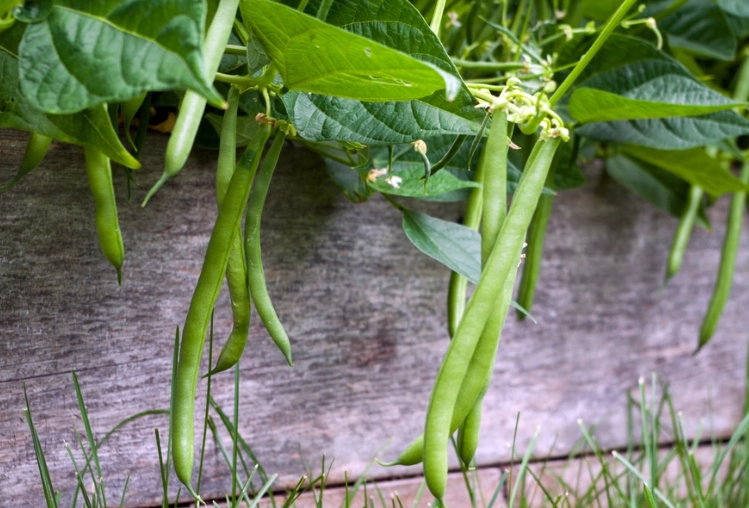
The Best Part: How and When to Harvest Green Beans
This is where you reap the reward. Harvesting at the right time makes all the difference between a snappy, sweet bean and a tough, stringy one.
For most varieties, you want to pick the pods when they are firm, crisp, and about the diameter of a pencil. The seeds inside should be small and not bulging through the pod. Run your finger along the pod—if you can feel distinct, large bumps from the seeds inside, you've waited a bit too long (they're still edible, just not as tender).
Here's the golden rule: pick often. Especially for pole beans. The more you pick, the more the plant produces. If you let pods mature fully on the plant, it thinks its job is done and stops flowering. For bush beans, check the plants every other day when they start producing. For pole beans, a quick walk-through every day or two is perfect.
Use two hands—one to hold the stem, and the other to snap or snip the pod off. Don't yank, or you might uproot the whole plant. I prefer using small scissors or pruners; it's cleaner and easier on the plant.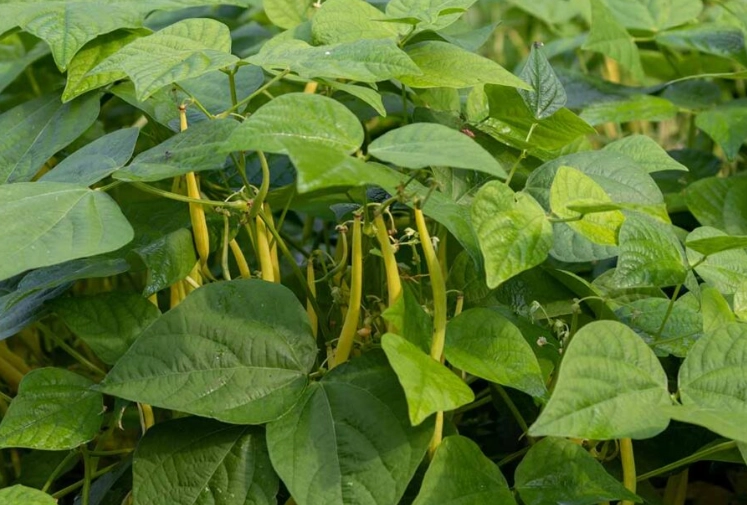
Pro-Tip for a Longer Season: To extend your bush bean harvest, practice “succession planting.” Instead of planting all your seeds on the same day, plant a new short row every two weeks. That way, as one planting finishes, the next one is coming into production. This ensures a steady supply rather than a giant glut.
Beyond the Basics: Your Green Bean Plant Questions Answered
Let's tackle some of the specific questions that pop up when you're actually in the thick of growing.
This is super common and usually caused by environmental stress. The top three culprits are: 1) Temperature: Nighttime temperatures consistently above 75°F (24°C) or below 55°F (13°C) can cause blossom drop. 2) Water: Either too much or (more commonly) too little. 3) Poor Pollination: While beans are largely self-pollinating, extreme heat or humidity can interfere. The solution is usually just patience and maintaining consistent care. The plant will often set pods when conditions improve.
Absolutely! Bush beans are perfect for this. Choose a container that's at least 12 inches deep and wide. Make sure it has excellent drainage holes. Use a high-quality potting mix (not garden soil). You'll need to water container plants more frequently, sometimes daily in hot weather. Dwarf bush varieties like ‘Mascotte' or ‘Bush Blue Lake 274' are bred specifically for containers.
As mentioned, go easy on the nitrogen. If your soil is decent, you might not need any extra. If you want to give them a boost, a fertilizer higher in phosphorus and potassium (the P and K in the N-P-K numbers) is better. Something like a 5-10-10 formula worked into the soil at planting is plenty. I often side-dress my plants with a bit of compost or a sprinkle of wood ash (for potassium) when they start flowering.
Don't just yank them out and throw them away! This is a permaculture trick: cut the plants off at the soil line, leaving the roots in the ground. Those roots are covered in little nitrogen nodules. As they decompose, they'll add that valuable nitrogen back into your soil for the next crop. Chop up the tops and add them to your compost pile if they're disease-free.
From Garden to Table: What to Do With Your Harvest
You've got a colander full of beautiful beans. Now what?
Fresh is best. They'll keep in the fridge for about a week in a perforated bag or a container with a damp paper towel.
Freezing: This is the easiest way to preserve that garden taste. Wash, trim the ends, and cut if desired. Blanch them: drop in boiling water for 3 minutes, then immediately plunge into ice water. This stops enzyme action that causes loss of flavor and color. Drain, pat dry, spread on a tray to freeze individually, then bag up. They'll be good for a year.
Canning/Pickling: “Dilly beans” are a classic. This requires following a tested, safe canning recipe to prevent botulism. The National Center for Home Food Preservation is the ultimate authority for safe, science-based methods.
And of course, eat them! Steamed, sautéed with garlic, tossed in salads, or roasted until slightly wrinkled and caramelized—my absolute favorite way.
Growing a green bean plant is one of the purest joys of gardening. It's a quick reward, a generous producer, and a fantastic teacher. You learn about soil, weather, pests, and patience. Start simple, pay attention to what the plants are telling you, and don't be afraid to get a little dirt under your nails.
The taste of a bean you grew yourself, snapped right off the plant on a warm afternoon, is something no store can ever provide. It's the taste of success, and it's downright delicious.
