In recent months, Vietnam has been experiencing what can only be described as a severe economic slump. Once regarded as a rising star in Southeast Asia, the country is now facing daunting challenges including stalled real estate developments, plummeting exports, a crashing stock market, and an unsettling overall economic downturn. What has led to this sudden shift in fortunes for a nation that was thriving just a year ago?
To comprehend the current economic predicament, one must first look back at the preceding year. In 2022, Vietnam dazzled the global economic stage, showcasing exceptional GDP growth rates that reached a staggering 8%. This remarkable performance earned accolades from experts worldwide, who lauded Vietnam as a role model for economic resilience in an era plagued by recessionary fears. However, as 2023 progressed, these optimistic projections crumbled under the weight of harsh reality.
According to the latest reports from Vietnam's General Statistics Office, the GDP growth rate in the first quarter of 2023 dwindled to a mere 3.32%. This figure is alarmingly below the government's own target of 6.5%—a stark reminder of how quickly fortunes can change. Moreover, a disappointing decline in exports accompanied this downturn, with total export values dropping by 11.9% compared to the previous year. The textile and footwear sectors, once staples of Vietnam's export prowess, recorded an extraordinary drop in orders by 70% to 80%.
In stark contrast, the economic performance of neighboring countries seems to paint a different picture. For instance, China's import and export activities grew by 4.8% in the same quarter, highlighting a significant gap in trade resilience between Vietnam and its regional counterparts. This raises pressing questions: What are the underlying causes of Vietnam's economic woes, and does the country still hold potential for a swift recovery?
A closer inspection reveals three primary factors contributing to this economic downturn. Firstly, Vietnam’s heavy reliance on exports has proven to be a double-edged sword. The Vietnamese economy has become intricately intertwined with international markets, leaving it highly vulnerable to global fluctuations. The dependency on foreign trade reached alarming heights, surpassing 200% when measured against GDP during 2018-2020. This excessive reliance means that any dips in global demand can trigger substantial economic distress, as seen currently.
Furthermore, Vietnam's principal trade partners—namely the United States, the European Union, and neighboring Asian countries—have grappled with their own economic challenges. The slowdown in these markets naturally leads to diminished demand for Vietnamese products. With countries like China emphasizing internal consumption, Vietnam's reliance on external markets is faltering, further exacerbating its economic plight.
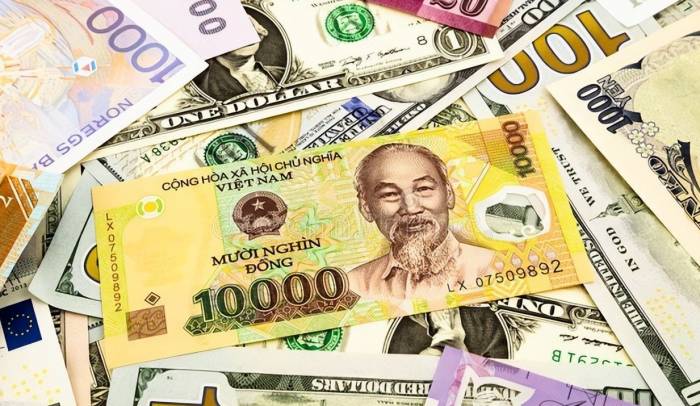
Secondly, the influence of the US Federal Reserve cannot be overlooked. Over the past decade, Vietnam has seen an influx of foreign investment predicated on low labor costs. However, this growth has also created a precarious balance, with national debts soaring to approximately $1.4 trillion while foreign exchange reserves hover around $1 trillion. Such a deficit in the country's financial stability raises red flags about its long-term economic sustainability.
Examining the real estate sector further highlights the challenges Vietnam faces. Despite perceptions that the property market is rife with potential, the reality is starkly different. Major cities, such as Ho Chi Minh City, have seen property prices soar to levels unaffordable for the average citizen. As foreign investments flee, leaving behind a fragile real estate system, reports reveal that nearly 1,200 property projects are currently facing construction delays or outright abandonment. The scale of these issues is staggering when considering that Vietnam is comparable to a single province within a larger economic framework.
Additionally, the stock market in Vietnam has mirrored this volatility. After achieving remarkable gains in 2021—a staggering 133% increase—2022 ushered in a period of profound losses. Described by some analysts as a “playground for international capital,” the stock market is extremely susceptible to foreign investment patterns. Rapid inflows lead to inflated asset values, and equally swift outflows can result in disastrous declines, as evidenced by the market's dismal performance relative to global averages.
Finally, internal governance issues, particularly rampant corruption, have complicated Vietnam's economic landscape. The government's serious anti-corruption campaign has thrown many high-profile real estate moguls behind bars. Such a crackdown can dissuade investment and consequently drain liquidity from the real estate sector. The ripple effect has been significant; as the real estate sector contracts, related industries, including cement and construction, are inevitably dragged down as well.
Despite these pressing challenges, it is crucial to acknowledge that Vietnam does possess areas of significant potential. Its centralized political structure allows for quicker decision-making and resource allocation—traits that can be advantageous in times of economic crisis. Moreover, the demographic dividend is still very much in its favor; with a median age just over 30 and over 90% literacy rates, Vietnam retains a reservoir of youthful, educated workers eager to contribute to the economy.
To summarize, while Vietnam currently grapples with serious economic difficulties, it is vital to remain cognizant of both the challenges and the potential that lies ahead. Moving forward, the nation will need to diversify its economic strategy, address internal governance issues, and foster a more stable and sustainable financial environment to unlock its true economic capabilities.
