The Dangers of U.S. Debt Default: An Impending Crisis
In recent times, the American financial landscape has been shadowed by a term that sends shivers down the spine of economists and citizens alike: the "debt ceiling." This issue has been at the forefront of political debate for decades, with its roots tracing back to 1917 when Congress first instituted a limit on the federal government’s ability to borrow. Despite being a topic of contention, American lawmakers have traditionally found a way to raise the debt ceiling whenever necessary. However, the current situation raises serious questions about whether the U.S. will allow itself to breach this limit for the first time in history, a cataclysmic event that could send shockwaves through the global economy.
Historically, the United States has taken measures to expand its borrowing capacity over a hundred times since the debt ceiling's inception. The sheer size of the national debt has ballooned dramatically; from approximately $8.8 trillion in 2009 to more than $31 trillion today—an increase of nearly fourfold. This expansion begs the question: will politicians continue to hand-wave the looming crisis, or are we on the verge of witnessing a real financial disaster? With Secretary of the Treasury Janet Yellen warning that without raising the debt ceiling, the U.S. could default as early as June, it’s a precarious moment for financial markets and foreign creditors.
To grasp the potential ramifications of a U.S. debt default, it’s vital to recognize the global reliance on the U.S. dollar, which is often regarded as the world’s reserve currency. If the United States were to default, the consequences would ripple worldwide, reshaping economies and possibly resulting in a global recession. For instance, some economists predict that the U.S. Gross Domestic Product (GDP) could plummet by at least six percentage points, significantly eroding the economic stability of a nation already grappling with inflation and unemployment. Furthermore, such a default would threaten the livelihood of millions of American workers and undermine the financial well-being of vulnerable demographics, including retirees relying on government pensions.
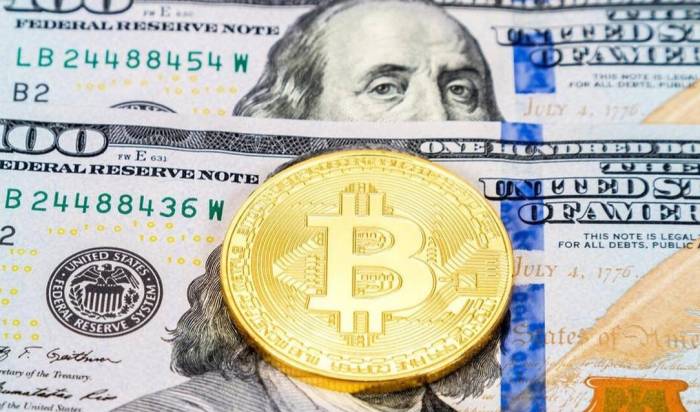
Beyond domestic implications, countries that have heavily invested in U.S. debt or maintain large reserves of U.S. dollars are poised to face dire straits. Nations like Japan and China, which hold substantial amounts of U.S. Treasury bonds, could find their financial strategies upended. Financial institutions worldwide could face collapses similar to—or worse than—the 2008 financial crisis, where the shockwaves of the failure of the housing market led to the Great Recession.
Moreover, a failure to honor U.S. debt obligations would severely tarnish the country’s global standing. The newfound skepticism surrounding U.S. fiscal reliability could prompt countries to reconsider their use of the dollar in international trade, leading to a paradigm shift in the global monetary system. In such a scenario, nations might turn towards other currencies such as the euro or the yuan, diminishing the dollar's dominance and potentially leading to hyperinflation.
The repercussions extend not just to nations but also to individual citizens. A sustained period of economic turmoil following a default could result in a near-total reevaluation of personal assets, especially for those who have invested in U.S. dollar-based securities. Specifically, businesses dependent on exports to the U.S. could suffer immensely, and employees within those sectors are likely to face substantial job losses. It’s easy to imagine a landscape where entire communities are impacted, echoing the harsh realities seen during economic downturns.
The question that remains is: how should nations, particularly those with vested interests in U.S. debt, prepare for this potential crisis? One immediate step is to reduce dependence on U.S. debt by strategically diversifying reserves and investments. Countries that hold large sums in U.S. treasuries must consider the risks and potentially begin divesting to bolster their monetary independence. It stands to reason that ignoring the storm on the horizon would be unwise.
At the individual level, those who possess foreign assets or operate international businesses must brace for potential economic upheavals. Strategies could include strengthening domestic production to offset declining exports due to a faltering U.S. economy, thus shielding local industries from drastic import dependencies.
Unquestionably, the notion of a U.S. debt default introduces an unprecedented layer of uncertainty into the global financial order. While some individuals and officials hope that history will repeat itself, permitting the status quo to continue, the realization that the U.S. might not resolve its internal disagreements soon could bring this looming disaster to fruition. As the world watches and waits, stakeholders must prepare and adapt, providing for a more resilient economic future irrespective of the immediate outcomes.
In conclusion, the ramifications of a U.S. debt default could potentially reshape not only the financial landscape of the United States but also impact economies worldwide. As we tread these murky waters, it is crucial to take proactive measures to navigate this looming threat. Not only should countries reevaluate their dependency on U.S. debt, but individuals and enterprises must also prepare to weather whatever storms arise from this financial uncertainty, ensuring that while the stakes may be high, they will not be caught off guard.
